Girls' Warm Outdoor Jumpsuit
CN → US| HS Code | Tariff Rate | Origin | Destination | Doc |
|---|---|---|---|---|
| 6112202030 | 25.8% | CN | US | Official Doc |
| 6114303054 | 32.4% | CN | US | Official Doc |
| 6114200042 | 28.3% | CN | US | Official Doc |
| 6211431007 | 33.5% | CN | US | Official Doc |
| 6211421007 | 25.6% | CN | US | Official Doc |
Product Images
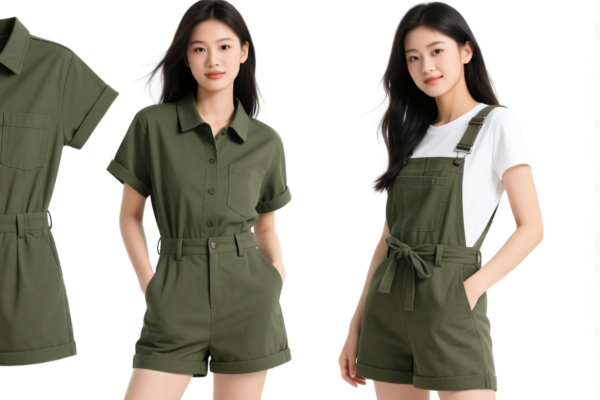
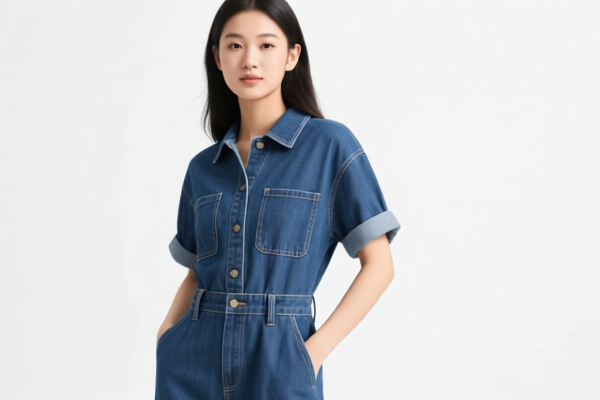
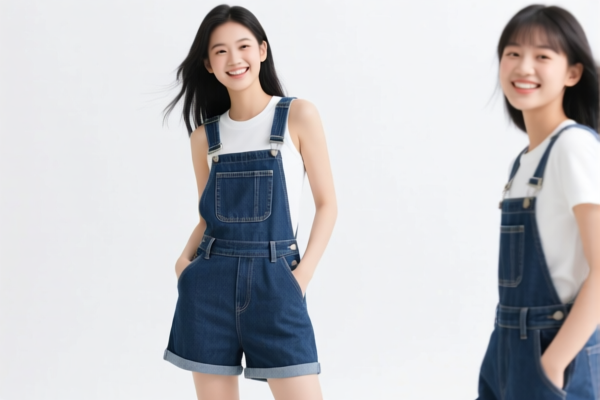
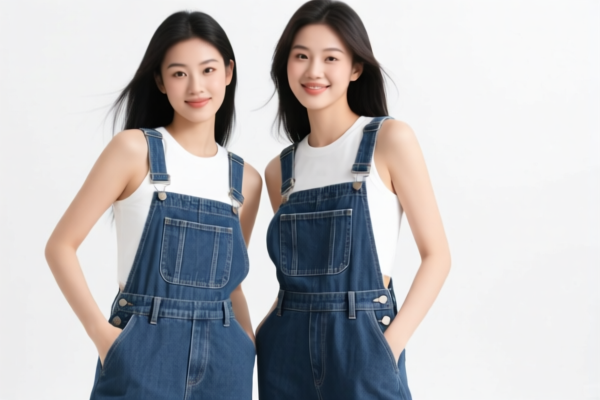
AI Analysis
👕 Girls' Warm Outdoor Jumpsuit (女式保温户外连体服)
🌐 HS Code Reference & Clearance Guide | 2026 Latest Tariff Analysis | Professional Clearance Strategy
📌 I. Product Definition & Classification: What exactly is a "Warm Outdoor Jumpsuit"?
A Girls' Warm Outdoor Jumpsuit is a one-piece garment designed for cold-weather activities such as skiing, snowboarding, or general outdoor winter sports. In international trade, its classification depends heavily on its material composition and knitted vs. woven status.
Key Distinction Points: * Knitted/ Crocheted (Chapters 61): Usually softer, stretchier, made from synthetic fibers, cotton blends, or other textiles. Often classified under 6112 (Sportswear) or 6114 (Other knitted garments). * Woven (Chapter 62): Usually stiffer, more durable, often outerwear-style. Classified under 6211.
⚠️ Critical Classification Rule:
- If the garment is knitted and designed for sports (skiing), it likely falls under 6112.20.
- If the garment is knitted but generic winter wear, it may fall under 6114.30.
- If the garment is woven (common for heavy-duty ski suits), it falls under 6211.42 (Cotton) or 6211.43 (Synthetic fibers).
📦 II. HS Code Classification Details (Based on Provided Data)
The following five HS Codes are derived from the input data. Please match them to your specific product material.
| HS Code | Product Description | Material Inference | Total Tax Rate | Tax Breakdown |
|---|---|---|---|---|
| 6112.20.20.30 | Women's/Girls' Ski/Sport Suit | Other Materials (Not specified as cotton/synthetic) | 25.8% | Base: 8.3% Section 301: 7.5% Section 122: 10% |
| 6114.30.30.54 | Women's/Girls' Jumpsuit (Knitted) | Artificial Fibers (Synthetic/Knit) | 32.4% | Base: 14.9% Section 301: 7.5% Section 122: 10% |
| 6114.20.00.42 | Women's/Girls' Jumpsuit (Knitted) | Cotton | 28.3% | Base: 10.8% Section 301: 7.5% Section 122: 10% |
| 6211.43.10.07 | Women's/Girls' Jumpsuit (Woven) | Artificial Fibers (Synthetic/Woven) | 33.5% | Base: 16.0% Section 301: 7.5% Section 122: 10% |
| 6211.42.10.07 | Women's/Girls' Jumpsuit (Woven) | Cotton | 25.6% | Base: 8.1% Section 301: 7.5% Section 122: 10% |
🔍 Analysis of Tax Structure:
- All items include a 7.5% Section 301 Tariff (additional duties on Chinese goods).
- All items include a 10% Section 122 Tariff (specific duty on certain textile/apparel items).
- The Base Tariff varies significantly based on material (Cotton vs. Synthetic vs. Other) and construction (Knitted vs. Woven).
💰 III. Detailed Tariff Breakdown & Legal Basis
✅ Applicable Country: USA (US)
✅ Origin: China (CN)
✅ Effective Time: Current (2025-2026)
🎯 1. 6112.20.20.30 – Ski/Sport Suits (Other Materials)
- Base Tariff: 8.3%
- Section 301 Duty: +7.5%
- Section 122 Duty: +10%
- Total Effective Rate: 25.8%
- Legal Path:
HTS:6112.20.20.30→Section 301 List 4→Section 122
📌 Note: This is likely the most cost-effective option if the material is not strictly cotton or standard synthetic fibers (e.g., wool blends or specialized technical fabrics).
🎯 2. 6114.30.30.54 – Knitted Artificial Fiber Garments
- Base Tariff: 14.9%
- Section 301 Duty: +7.5%
- Section 122 Duty: +10%
- Total Effective Rate: 32.4%
- Legal Path:
HTS:6114.30.30.54→Section 301 List 4→Section 122
📌 Note: Higher base tariff due to "Artificial Fibers" classification in knitted garments.
🎯 3. 6114.20.00.42 – Knitted Cotton Garments
- Base Tariff: 10.8%
- Section 301 Duty: +7.5%
- Section 122 Duty: +10%
- Total Effective Rate: 28.3%
- Legal Path:
HTS:6114.20.00.42→Section 301 List 4→Section 122
📌 Note: Cotton knitted garments have a moderate base rate. Ensure the garment is clearly knitted, not woven.
🎯 4. 6211.43.10.07 – Woven Artificial Fiber Garments
- Base Tariff: 16.0%
- Section 301 Duty: +7.5%
- Section 122 Duty: +10%
- Total Effective Rate: 33.5%
- Legal Path:
HTS:6211.43.10.07→Section 301 List 4→Section 122
📌 Note: This is the highest tax rate in the list. Common for synthetic polyester nylon ski shells.
🎯 5. 6211.42.10.07 – Woven Cotton Garments
- Base Tariff: 8.1%
- Section 301 Duty: +7.5%
- Section 122 Duty: +10%
- Total Effective Rate: 25.6%
- Legal Path:
HTS:6211.42.10.07→Section 301 List 4→Section 122
📌 Note: Lowest Total Tax Rate! If your jumpsuit is woven cotton, this is the optimal classification.
🛠️ IV. Clearance Practical Advice (Avoiding Pitfalls)
✅ 1. Documentation Checklist
| Document | Required? | Explanation |
|---|---|---|
| Product Specification Sheet | ✔️ | Must detail: Material composition (e.g., "90% Polyester, 10% Spandex"), Knitted/Woven status, Lining material, Insulation type. |
| Commercial Invoice | ✔️ | Clearly state "Girls' Warm Outdoor Jumpsuit, Ski Suit". |
| Packing List | ✔️ | Ensure weights and dimensions match. |
| Material Test Report | ✔️ | Crucial for determining Cotton vs. Artificial Fiber vs. Other. |
| Photo of Garment | ✔️ | Show labels, inside tags, and overall structure (knitted vs. woven texture). |
✅ 2. Classification Tips (Key Mnemonic)
🔥 "Knit vs. Woven, Cotton vs. Synthetic!"
| Scenario | Recommended HS Code | Why? |
|---|---|---|
| Knitted, Cotton | 6114.20.00.42 |
Knitted + Cotton = Ch 61.20 |
| Knitted, Synthetic | 6114.30.30.54 |
Knitted + Artificial Fibers = Ch 61.30 |
| Knitted, Sport-Specific | 6112.20.20.30 |
Specifically for Ski/Sport (if material allows) |
| Woven, Cotton | 6211.42.10.07 |
Woven + Cotton = Ch 62.42 |
| Woven, Synthetic | 6211.43.10.07 |
Woven + Artificial Fibers = Ch 62.43 |
⚠️ Critical Warning:
- Do not misclassify a Woven suit as Knitted (or vice versa). This leads to severe penalties.
- Section 122 applies to all these categories. Ensure you account for the extra 10% in your landed cost calculation.
- Section 301 (7.5%) is mandatory for China-origin goods.
✅ 3. Special Cases
| Case | Advice |
|---|---|
| Mixed Materials | If >50% is synthetic, classify as "Artificial Fiber". If >50% is cotton, classify as "Cotton". |
| Multi-Layer Garment | Classify based on the outer layer material. |
| With Linings/Insulation | The outer material determines the HS code, not the lining. |
🌍 V. Global Market Comparison (2026)
| Country | Recommended HS Code | Total Tax (China Origin) | Notes |
|---|---|---|---|
| 🇺🇸 USA | 6211.42.10.07 |
25.6% | Includes Base + 7.5% Sec 301 + 10% Sec 122 |
| 🇨🇳 China | 6211.42.10.07 |
~8-10% | No Section 301/122 for imports into China |
| 🇪🇺 EU | 6211.42 |
~12% | Varies by country, no Sec 301/122 |
| 🇬🇧 UK | 6211.42 |
~12% | Post-Brexit tariffs apply |
📌 Conclusion:
- The USA imposes the highest combined duties due to Section 301 and Section 122.
- Woven Cotton (6211.42.10.07) offers the lowest total tax rate (25.6%) among the options.
- Knitted Synthetic (6114.30.30.54) is the most expensive (32.4%).
📌 VI. Common Errors & Pitfalls
❌ Error 1: Using "Ski Suit" as the HS Code descriptor without specifying material.
👉 Result: Customs may classify it under the highest possible rate or delay clearance.
❌ Error 2: Confusing "Knitted" and "Woven".
👉 Result: Wrong HS Code → Penalty + Back Taxes.
👉 Fix: Check the fabric label or send a swatch for testing.
❌ Error 3: Ignoring Section 122 (10%).
👉 Result: Underestimating landed cost by 10%.
👉 Fix: Always add 10% to your cost model for apparel imports from China to the US.
❌ Error 4: Misclassifying "Jumpsuit" as "Overall" or "Pants".
👉 Result: Different HS Code chapters.
👉 Fix: Ensure the garment is truly one-piece (top and bottom connected).
✅ Correct Declaration Example:
"Girls' Woven Cotton Jumpsuit, Winter Outdoor Ski Suit, Insulated, Model XYZ, Made in China"
🎯 VII. Conclusion: Optimize Your Landed Cost!
🎯 Remember:
🔹 "Woven Cotton is King" → Lowest tax at 25.6% (
6211.42.10.07).
🔹 "Ski Suit Nuance" → If knitted and sport-specific, use6112.20.20.30(25.8%).
🔹 "Avoid Synthetics" → Knitted Woven Synthetic (6211.43.10.07) is 33.5% — the most expensive.📌 Pro Tip:
If your product is Woven Cotton, strive for HS6211.42.10.07.
If it is Knitted, check if it qualifies as "Sportswear" (6112) for a potentially lower base rate than generic knitted garments.
📣 Immediate Action:
📞 Confirm Material Composition (Cotton vs. Synthetic, Knitted vs. Woven).
🚀 Select the Lowest Applicable HS Code from the table above.
💼 Calculate Landed Cost including the 17.5% Total Additional Duty (7.5% Sec 301 + 10% Sec 122).
✨ Professional Clearance, Accurate Classification, Maximized Profit!
💼 Every percentage point in tax matters!
Customer Reviews
About HS Code Classification
The Harmonized System (HS) is an internationally standardized nomenclature developed by the World Customs Organization (WCO) to classify traded products. Over 200 countries use the HS system as the basis for customs tariffs, trade statistics, and import/export regulations.
Each HS code follows a hierarchical structure:
- Chapter (2 digits) — Broad category of goods (e.g., Chapter 84: Machinery and Mechanical Appliances)
- Heading (4 digits) — More specific grouping within the chapter
- Subheading (6 digits) — Internationally standardized breakdown, used by all WCO member countries
- National subdivisions (8-10 digits) — Country-specific extensions for further classification, such as US HTSUS 10-digit codes
Correct HS code classification is essential for smooth customs clearance, accurate duty payment, and compliance with trade regulations. Misclassification can lead to customs delays, overpayment of duties, or penalties.
When importing from CN to US, the applicable tariff rates may include:
- Most-Favored-Nation (MFN) rate — The standard duty rate applied to WTO members
- General rate — Applied to countries without trade agreements
- Trade remedy duties — Additional tariffs such as Section 301 (anti-dumping), Section 232 (national security), or countervailing duties
The information provided on this page is for reference purposes only. For official classification, please consult with your local customs authority or a licensed customs broker.