Girls' Warm Overalls
CN → US| HS Code | Tariff Rate | Origin | Destination | Doc |
|---|---|---|---|---|
| 6111301000 | 45.7% | CN | US | Official Doc |
| 6209203000 | 32.4% | CN | US | Official Doc |
| 6104631010 | 32.4% | CN | US | Official Doc |
| 6104621010 | 27.8% | CN | US | Official Doc |
| 6204630350 | 32.4% | CN | US | Official Doc |
Product Images
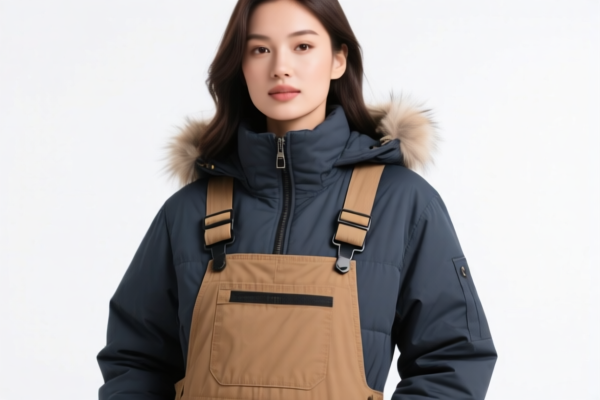
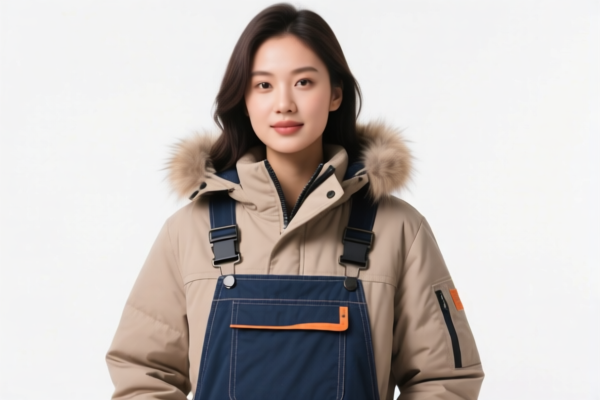
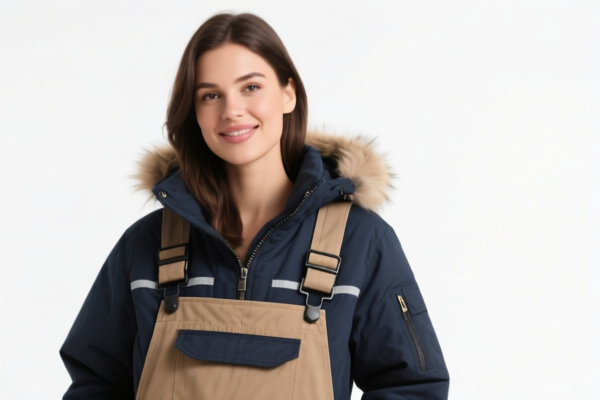

AI Analysis
👶 Girls' Warm Overalls (Protective Bib Overalls for Children)
🌐 HS Code Reference & Customs Clearance Guide | 2026 Latest Tariff Analysis | Professional Clearance Strategy
📌 I. Product Definition & Classification: Do You Really Know "Girls' Warm Overalls"?
Girls' warm overall suits are specialized children's clothing designed for cold weather protection, typically featuring a bib front, shoulder straps, and sometimes attached feet or boots. In international trade, these items are classified based on two critical factors: 1. Knitted vs. Woven: Determining the manufacturing process (knitted/fabricated vs. woven/cut-and-sew). 2. Material Composition: Identifying the primary fiber (Cotton, Synthetic, or Other Textiles).
⚠️ Key Distinction Points:
- If the fabric is knitted or crocheted → Generally falls under Chapter 61 (Knitted/Crocheted). - If the fabric is woven → Generally falls under Chapter 62 (Non-Knitted/Woven). - "Warm" Feature: Often implies padding or fleece lining, but the outer material determines the primary HS code classification in most cases.
📦 II. HS Code Classification Details (Authoritative 2026 Tariff Correspondence)
| HS Code | Product Description | Applicable Scenario | Material Inference |
|---|---|---|---|
6111.30.10.00 |
Baby garments and clothing accessories, knitted or crocheted, of synthetic fibers | Knitted overall suit, likely synthetic blend for warmth | 🧶 Knitted/Synthetic |
6209.20.30.00 |
Baby garments and clothing accessories, not knitted or crocheted, of cotton | Woven overall suit, cotton or cotton-blend, warm feature | 🧵 Woven/Cotton |
6104.63.10.10 |
Women's or girls' trousers, bib and brace overalls, breeches and shorts (other than swimwear), knitted or crocheted, of synthetic fibers | Girls' knitted overalls, synthetic fiber | 🧶 Knitted/Synthetic |
6104.62.10.10 |
Women's or girls' trousers, bib and brace overalls, breeches and shorts (other than swimwear), knitted or crocheted, of cotton | Girls' knitted overalls, cotton fiber | 🧶 Knitted/Cotton |
6204.63.03.50 |
Women's or girls' trousers, bib and brace overalls, breeches and shorts (other than swimwear), woven, of synthetic fibers | Girls' woven overalls, synthetic fiber (no synthetic conflict noted) | 🧵 Woven/Synthetic |
🔍 Critical Reminder:
- "Bib and Brace" (Overalls): Must clearly depict the bib front and shoulder straps. If it looks like a jumpsuit without a distinct bib, it might be classified differently. - "Warm" Feature: If the garment is heavily padded for extreme cold, ensure the outer material is correctly identified. Padding itself does not change the chapter if the outer shell is textile. - Chapter 61 vs. 62: This is the biggest pitfall. Knitted items (elastic, looped structure) go to Ch 61; Woven items (criss-cross threads) go to Ch 62.
💰 III. 2026 Latest Tariff Rate Breakdown (Including Surtaxes, Policy Add-ons)
✅ Applicable Country: United States (US)
✅ Country of Origin: China (CN)
✅ Effective Time: From November 10, 2025 (including subsequent imports)
🎯 1. 6111.30.10.00 – Knitted Baby Garments, Synthetic Fibers
| Item | Content |
|---|---|
| Basic Tariff Rate | 28.2% (Ad Valorem) |
| Section 301 Surcharge | +7.5% (Targeting Chinese textiles/apparel) |
| Section 122 Tariff | +10% (Specific surcharge for certain textile/apparel goods) |
| Total Tariff Rate | 45.7% |
| Tax Calculation | CIF Value × 45.7% |
| De Minimis Eligibility | ❌ Not Eligible (Deny De Minimis) |
| Legal Basis Path | HTSUS:6111.30.10.00 → Section 301: Footnote 3 → Section 122: USTR Notice |
📌 Explanation:
- "Section 301 Surcharge 7.5%" is part of the ongoing trade measures against Chinese goods. - "Section 122 Tariff 10%" is a specific additional duty applied to certain apparel and textile products. - Total 45.7% is a very high tariff. This significantly impacts the landed cost.
🎯 2. 6209.20.30.00 – Woven Baby Garments, Cotton
| Item | Content |
|---|---|
| Basic Tariff Rate | 14.9% |
| Section 301 Surcharge | +7.5% |
| Section 122 Tariff | +10% |
| Total Tariff Rate | 32.4% |
| Tax Calculation | CIF Value × 32.4% |
| De Minimis Eligibility | ❌ Not Eligible |
| Legal Basis Path | HTSUS:6209.20.30.00 → Section 301 → Section 122 |
📌 Note:
- Lower than knitted synthetic baby wear due to lower base rate for woven cotton baby garments. - Still subject to all surcharges.
🎯 3. 6104.63.10.10 – Girls' Knitted Overalls, Synthetic
| Item | Content |
|---|---|
| Basic Tariff Rate | 14.9% |
| Section 301 Surcharge | +7.5% |
| Section 122 Tariff | +10% |
| Total Tariff Rate | 32.4% |
| Tax Calculation | CIF Value × 32.4% |
| De Minimis Eligibility | ❌ Not Eligible |
🎯 4. 6104.62.10.10 – Girls' Knitted Overalls, Cotton
| Item | Content |
|---|---|
| Basic Tariff Rate | 10.3% |
| Section 301 Surcharge | +7.5% |
| Section 122 Tariff | +10% |
| Total Tariff Rate | 27.8% |
| Tax Calculation | CIF Value × 27.8% |
| De Minimis Eligibility | ❌ Not Eligible |
📌 Optimization Note:
- This is the lowest tariff option (27.8%) among the listed codes. - Requires the garment to be Knitted AND made of Cotton. - Verify fabric composition carefully. If it's cotton-blend, check if cotton is the predominant fiber (>50%).
🎯 5. 6204.63.03.50 – Girls' Woven Overalls, Synthetic
| Item | Content |
|---|---|
| Basic Tariff Rate | 14.9% |
| Section 301 Surcharge | +7.5% |
| Section 122 Tariff | +10% |
| Total Tariff Rate | 32.4% |
| Tax Calculation | CIF Value × 32.4% |
| De Minimis Eligibility | ❌ Not Eligible |
🛠️ IV. Customs Clearance Practical Advice (Actionable Pitfall Avoidance Guide)
✅ 1. Required Documentation Checklist (None Can Be Omitted)
| Document | Required? | Explanation |
|---|---|---|
| ✅ Product Specification Sheet | ✔️ | Must include dimensions, fabric composition (e.g., 100% Cotton, Knitted), weight, and size range. |
| ✅ Fabric Sample/Composition Certificate | ✔️ | Crucial! To distinguish between Chapter 61 (Knitted) and 62 (Woven), and Cotton vs. Synthetic. |
| ✅ Clear Product Photos | ✔️ | Front, back, inside lining, and label. Must show "Bib and Brace" structure. |
| ✅ Commercial Invoice | ✔️ | Must explicitly state "Girls' Warm Overalls, Knitted/Woven, Cotton/Synthetic". Do not use vague terms like "Clothes". |
| ✅ Packing List | ✔️ | Detail units per carton. |
| ✅ Origin Certificate (CO) | ✔️ | Confirm China origin to apply correct surcharges. |
✅ 2. Declaration Skills (Key Mnemonics)
🔥 "Knitted vs. Woven, Cotton vs. Syn, Bib Structure, Don't Begin!"
| Scenario | Correct Declaration | Wrong Action | Consequence |
|---|---|---|---|
| Knitted, Cotton Overalls | 6104.62.10.10 (27.8%) |
Misdeclare as Woven → 6204.63.03.50 |
Higher tax (32.4%) + potential penalty |
| Woven, Synthetic Overalls | 6204.63.03.50 (32.4%) |
Misdeclare as Knitted → 6104.63.10.10 |
Same tax, but risk of inspection delay if fabric doesn't match |
| Baby Suits (<24 months) | 6111.30.10.00 (45.7%) or 6209.20.30.00 (32.4%) |
Misdeclare as "Girls' Apparel" | Incorrect chapter, high compliance risk |
| Heavily Padded/Jumpsuit | Check outer material first | Assume "Warm" changes chapter | "Warm" is a feature, not a classification criteria |
📌 Tip: The term "Warm" should be described in the physical characteristics section (e.g., "with fleece lining") but does not change the HS code. The outer fabric dictates the code.
✅ 3. Special Case Handling
| Scenario | Handling Advice |
|---|---|
| Cotton vs. Synthetic Blend | If cotton is <50%, it falls under synthetic. If >50%, it falls under cotton. Be precise! |
| "Baby" vs. "Girls" | If the garment is specifically sized for infants (usually under 24 months), it may fall under 6111/6209 (Baby garments) instead of 6104/6204 (Women's/Girls'). Baby codes often have different base rates. |
| With/Without Boots | If attached boots are considered integral, it may still be overalls. If detachable, declare as separate items or specify "Overalls with removable booties". |
| OEM Private Label | Ensure the invoice matches the label's country of origin. |
🌍 V. Global Market Clearance Comparison (2026 Latest)
| Country/Region | Recommended HS Code | Tariff (China Origin) | Certification Requirements | Notes |
|---|---|---|---|---|
| 🇺🇸 USA | 6104.62.10.10 (Best for Cotton Knit) |
27.8% - 45.7% | CPSIA (CPC), ASTM F2001 | High surcharges apply. De Minimis exempt. |
| 🇨🇳 China | 6104.62.10.10 |
~10-14% | CCC (if applicable) | Lower tariffs, standard customs. |
| 🇪🇺 EU | 6104.62.10.10 |
0-8% (depending on FTAs) | CE, REACH, CPSR | No Section 301/122 equivalents. |
| 🇬🇧 UK | 6104.62.10.10 |
0-8% | UKCA | Post-Brexit rules apply. |
| 🇯🇵 Japan | 6104.62.10.10 |
0-8% | PSE (if electronic, not applicable) | Low tariffs, strict safety standards. |
📌 Conclusion:
- USA is the most costly market due to Section 301 and Section 122 surcharges. - EU/UK/Japan offer significantly lower tariff barriers for the same product. - Strategy: If targeting the US, optimize fabric composition to qualify for the 27.8% rate (Knitted Cotton) rather than 45.7% (Synthetic Baby) or 32.4% (Others).
📌 VI. Common Errors & Pitfall Avoidance (Blood & Tears Lessons)
❌ Error 1: Misclassifying "Knitted" as "Woven" to avoid higher baby-garment tariffs.
👉 Consequence: Customs inspection reveals knitted fabric → Misdeclaration penalty + Back taxes + Delay!
❌ Error 2: Ignoring Section 122 Surcharge.
👉 Consequence: Under-declaration by 10% → Audit and fines!
❌ Error 3: Using vague descriptions like "Kids' Clothes" or "Warm Pants".
👉 Consequence: Customs may classify based on worst-case scenario → Higher tariff or rejection.
❌ Error 4: Claiming "De Minimis" (Section 321) for shipments under $800.
👉 Consequence: Illegal! Textile/apparel goods from China are explicitly excluded from De Minimis relief for these HS codes. → Seizure of goods!
✅ Correct Practice:
"Girls' Knitted Cotton Overalls, with Fleece Lining, Bib and Brace Style, Size 2T-5T, Made in China"
🎯 VII. Conclusion: Professional Declaration, Save Time, Reduce Costs!
🎯 Remember the Mnemonic:
🔹 "Knitted Cotton Wins: 27.8%!
Knitted Synthetic: 32.4%.
Woven Cotton/Syn: 32.4%.
Baby Synthetic: 45.7%!
No De Minimis for Textiles from China!"🔹 "Fabric Structure Decides Chapter.
Composition Decides Rate.
Declaration Accuracy Saves Thousands!"
📌 Pro Tip:
- If your product is Knitted and Cotton, aim for 6104.62.10.10 (27.8%) – it's the most cost-effective option in the US market.
- If it's Baby-sized (<24 months) and Synthetic, expect 45.7%. Consider redesigning to be cotton-based or slightly older sizing if possible.
- Always apply for an Advance Ruling from US CBP if you are importing in large volumes to confirm your classification.
📣 Immediate Action:
📞 Consult a licensed customs broker.
📤 Provide fabric swatches and tech packs.
🚀 Ensure your Commercial Invoice matches the HS Code precisely.
✨ Professional Clearance Starts with Accurate Classification!
💼 Every cent of tariff saved is pure profit!
Customer Reviews
About HS Code Classification
The Harmonized System (HS) is an internationally standardized nomenclature developed by the World Customs Organization (WCO) to classify traded products. Over 200 countries use the HS system as the basis for customs tariffs, trade statistics, and import/export regulations.
Each HS code follows a hierarchical structure:
- Chapter (2 digits) — Broad category of goods (e.g., Chapter 84: Machinery and Mechanical Appliances)
- Heading (4 digits) — More specific grouping within the chapter
- Subheading (6 digits) — Internationally standardized breakdown, used by all WCO member countries
- National subdivisions (8-10 digits) — Country-specific extensions for further classification, such as US HTSUS 10-digit codes
Correct HS code classification is essential for smooth customs clearance, accurate duty payment, and compliance with trade regulations. Misclassification can lead to customs delays, overpayment of duties, or penalties.
When importing from CN to US, the applicable tariff rates may include:
- Most-Favored-Nation (MFN) rate — The standard duty rate applied to WTO members
- General rate — Applied to countries without trade agreements
- Trade remedy duties — Additional tariffs such as Section 301 (anti-dumping), Section 232 (national security), or countervailing duties
The information provided on this page is for reference purposes only. For official classification, please consult with your local customs authority or a licensed customs broker.