Girls' Winter Dress
CN → US| HS Code | Tariff Rate | Origin | Destination | Doc |
|---|---|---|---|---|
| 6104420020 | 29.0% | CN | US | Official Doc |
| 6114200046 | 28.3% | CN | US | Official Doc |
| 6114303054 | 32.4% | CN | US | Official Doc |
| 6110202049 | 34.0% | CN | US | Official Doc |
| 6110303025 | 49.5% | CN | US | Official Doc |
Product Images
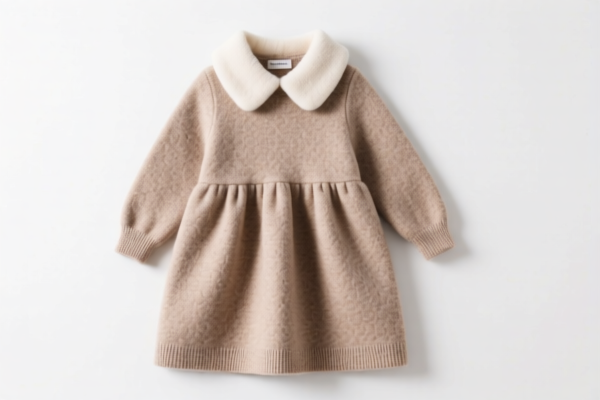
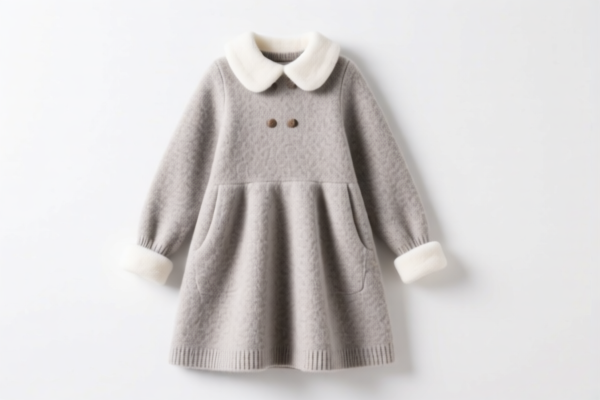
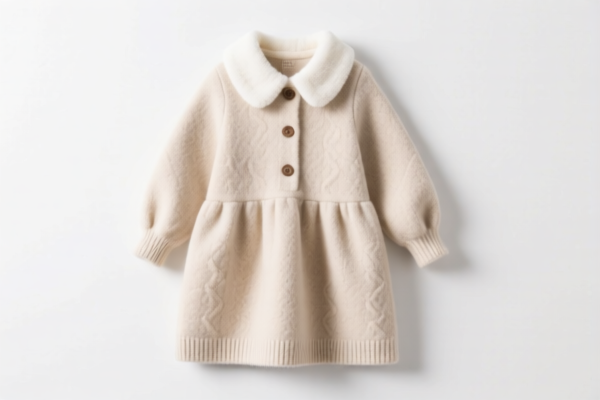
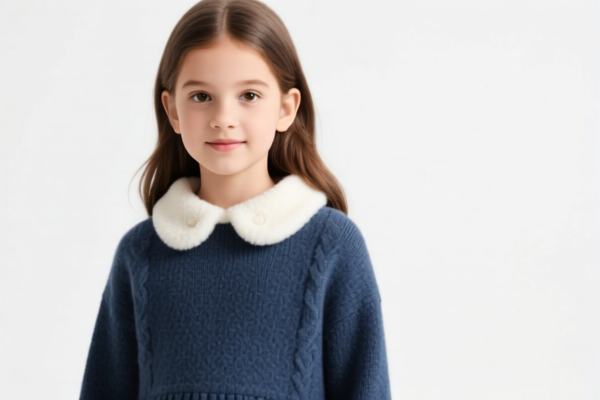
AI Analysis
👗 Girls' Winter Dress (儿童/女童冬季连衣裙)
🌐 HS Code Reference & Customs Clearance Guide | 2026 Latest Tariff Analysis | Professional Entry Strategy
📌 1. Product Definition & Classification: Do You Really Understand "Girls' Winter Dress"?
A "Girls' Winter Dress" is a broad category in international trade, covering various types of upper-body garments designed for young girls. Because the term "Dress" can be ambiguous, customs authorities often require specific definitions based on form (shape) and material (fabric).
Since the input name does not specify the material, classification relies on reasonable inference based on common sense (e.g., winter wear is often cotton or synthetic fibers). Below are the 5 most likely HS Code classifications based on different interpretations of "Dress" (Skirt, Jumpsuit, Jacket, Sweater, etc.).
⚠️ Key Distinction Point:
- Is it a Skirt/Dress (6104)? → Lower base tariff.
- Is it a Jumpsuit/Coverall (6114)? → Medium base tariff.
- Is it a Knit Jacket/Outerwear (6110)? → Higher base tariff due to "Outerwear" status.
- Material Assumption: Since material is unspecified, we assume Cotton for 6104/6114 and Synthetic/Man-made Fiber for 6110 outerwear, as these are standard for winter wear.
📦 2. HS Code Classification Details (2026 Latest Tariff Authority Comparison)
| HS Code | Product Description | Application Scenario | Material Inference | Total Tax Rate |
|---|---|---|---|---|
6104.42.00.20 |
Dresses, skirts, separated skirts, bifurcated garments... of cotton | Girls' Dresses/Skirts | Cotton (Inferred) | 29.0% |
6114.20.00.46 |
Other garments, knitted or crocheted: of cotton | Jumpsuits, Play Suits, similar garments | Cotton (Inferred) | 28.3% |
6114.30.30.54 |
Other garments, knitted or crocheted: of synthetic fibers | Hooded Jackets, Overcoats, similar outerwear | Synthetic (Inferred) | 32.4% |
6110.20.20.49 |
Sweaters, pullovers, cardigans... of cotton | Cardigans, Pullover Sweaters (Outerwear style) | Cotton (Inferred) | 34.0% |
6110.30.30.25 |
Sweaters, pullovers... of synthetic fibers | Synthetic Sweaters/Pullovers (Outerwear style) | Synthetic (Inferred) | 49.5% |
🔍 Key Reminder:
- If the item is a single piece (no zip/open front), it is a Dress/Jumpsuit (6104or6114).
- If the item has a zipper/button front and is worn as an outer layer, it is an Outerwear/Jacket (6114or6110).
- Material matters: If it is wool, tariffs may differ. If it is synthetic,6110.30applies, which has the highest tax.
💰 3. 2026 Latest Tariff Rate Details (Including Additional Taxes & Policy Surcharges)
✅ Applicable Country: USA (US)
✅ Country of Origin: China (CN)
✅ Effective Date: November 10, 2025 (and subsequent imports)
🎯 1. 6104.42.00.20 —— Dresses, Skirts, Bifurcated Garments, of Cotton
| Item | Content |
|---|---|
| Base Tariff | 11.5% |
| Section 301 Surcharge | +7.5% |
| Section 122 Surcharge | +10.0% |
| Total Tax Rate | 29.0% |
| Tax Calculation | CIF Value × 29.0% |
| De Minimis Exemption | ❌ Not Eligible (De Minimis Denied) |
| Legal Basis Path | Base: 6104.42.00.20 → Section 301: 7.5% → Section 122: 10% |
📌 Explanation:
- This is the most likely classification for a standard cotton dress.
- The Section 122 tariff (10%) is a critical additional cost for textiles from China.
- Total 29% is relatively moderate compared to synthetic outerwear.
🎯 2. 6114.20.00.46 —— Other Garments, Knitted, of Cotton
| Item | Content |
|---|---|
| Base Tariff | 10.8% |
| Section 301 Surcharge | +7.5% |
| Section 122 Surcharge | +10.0% |
| Total Tax Rate | 28.3% |
| Tax Calculation | CIF Value × 28.3% |
| De Minimis Exemption | ❌ Not Eligible (De Minimis Denied) |
| Legal Basis Path | Base: 6114.20.00.46 → Section 301: 7.5% → Section 122: 10% |
📌 Note:
- This code covers jumpsuits, play suits, or rompers that are knitted/crocheted.
- If your "dress" is actually a one-piece jumpsuit, use this code.
- Slightly lower total tax than6104.42due to lower base tariff (10.8% vs 11.5%).
🎯 3. 6114.30.30.54 —— Other Garments, Knitted, of Synthetic Fibers
| Item | Content |
|---|---|
| Base Tariff | 14.9% |
| Section 301 Surcharge | +7.5% |
| Section 122 Surcharge | +10.0% |
| Total Tax Rate | 32.4% |
| Tax Calculation | CIF Value × 32.4% |
| De Minimis Exemption | ❌ Not Eligible (De Minimis Denied) |
| Legal Basis Path | Base: 6114.30.30.54 → Section 301: 7.5% → Section 122: 10% |
📌 Note:
- Applies if the garment is synthetic fiber (e.g., polyester) and classified as "Other Garments" (e.g., hooded jackets).
- Higher base tariff due to synthetic material.
🎯 4. 6110.20.20.49 —— Sweaters, Pullovers, Cardigans... of Cotton
| Item | Content |
|---|---|
| Base Tariff | 16.5% |
| Section 301 Surcharge | +7.5% |
| Section 122 Surcharge | +10.0% |
| Total Tax Rate | 34.0% |
| Tax Calculation | CIF Value × 34.0% |
| De Minimis Exemption | ❌ Not Eligible (De Minimis Denied) |
| Legal Basis Path | Base: 6110.20.20.49 → Section 301: 7.5% → Section 122: 10% |
📌 Note:
- If the "dress" is actually a knit sweater/cardigan worn as outerwear, it falls under6110.
- Common for zip-up cardigans or pullover sweaters.
- Higher tax due to "Sweater" classification.
🎯 5. 6110.30.30.25 —— Sweaters, Pullovers... of Synthetic Fibers
| Item | Content |
|---|---|
| Base Tariff | 32.0% |
| Section 301 Surcharge | +7.5% |
| Section 122 Surcharge | +10.0% |
| Total Tax Rate | 49.5% |
| Tax Calculation | CIF Value × 49.5% |
| De Minimis Exemption | ❌ Not Eligible (De Minimis Denied) |
| Legal Basis Path | Base: 6110.30.30.25 → Section 301: 7.5% → Section 122: 10% |
📌 Critical Warning:
- Highest Tax Rate!
- If the garment is a synthetic sweater/pullover (e.g., polyester fleece), it is classified here.
- 49.5% is extremely high. Always verify if the item can be classified as "Dress" (6104) or "Jumpsuit" (6114) to save 20%+ in taxes.
🛠️ 4. Customs Clearance Practical Advice (Real-World Pitfall Guide)
✅ 1. Required Documentation Checklist (All Must Be Provided)
| Document | Mandatory | Description |
|---|---|---|
| ✅ Product Specification Sheet | ✔️ | Must include Material Composition (e.g., 100% Cotton, 100% Polyester), Size, Color, Gender (Girls). |
| ✅ Product Photos | ✔️ | Clear images of front, back, and label. Show if it’s a single piece (dress) or separate top/bottom (jumpsuit). |
| ✅ Commercial Invoice | ✔️ | Must describe item as "Girls' Cotton Dress" or "Girls' Knit Cardigan" – NEVER just "Clothes". |
| ✅ Packing List | ✔️ | Detail contents to avoid suspicion of split shipments. |
| ✅ Material Test Report | ✔️ | Recommended to prove cotton vs. synthetic content if disputed. |
✅ 2. Declaration Tips (Key Mnemonic)
🔥 "Material First, Form Second, Name Specific, Tax Drops Half!"
| Scenario | Correct Declaration | Incorrect Practice |
|---|---|---|
| Cotton Dress (One Piece) | 6104.42.00.20 – "Girls' Cotton Dress" |
Misdeclare as "Synthetic Sweater" → 49.5% |
| Jumpsuit/Play Suit | 6114.20.00.46 – "Girls' Cotton Jumpsuit" |
Misdeclare as "Dress" → 29.0% (Savings!) |
| Synthetic Hooded Jacket | 6114.30.30.54 – "Girls' Synthetic Hooded Jacket" |
Misdeclare as "Cotton Dress" → Risk of Penalty |
| Synthetic Sweater/Pullover | 6110.30.30.25 – "Girls' Synthetic Pullover" |
Try to hide as "Dress" → Customs Audit |
📌 Crucial:
- If the item is open-front (zipper/buttons), it is Outerwear (6114or6110).
- If it is closed (pulls over head), it is Dress/Jumpsuit (6104or6114).
- Never declare a synthetic sweater as a cotton dress to evade tax – this is fraud.
✅ 3. Special Cases Handling
| Case | Handling Advice |
|---|---|
| Mixed Material (e.g., 80% Cotton, 20% Spandex) | Classify based on dominant material (Cotton → 6104.42). |
| Embroidered/Decorated | Does not change HS Code, but ensure description includes "Embroidered" for accuracy. |
| OEM/Custom Design | Provide design sketches to prove it is a "Dress" and not a "Jumpsuit". |
| Seasonal Timing | Winter dresses may be inspected more closely for thermal lining – disclose if present. |
🌍 5. Global Market Customs Comparison (2026 Latest)
| Country/Region | Recommended HS Code | Tariff (China Origin) | Certification | Note |
|---|---|---|---|---|
| 🇺🇸 USA | 6104.42.00.20 |
29.0% (Cotton) / 49.5% (Synthetic Sweater) | No special certs | High Section 122 tax |
| 🇨🇳 China | 6104.42.00.20 |
8-10% | CCC (if applicable) | Lower base tax |
| 🇪🇺 EU | 6104.42.00.20 |
12% (Cotton) | CE (if electronic) | No Section 122 |
| 🇬🇧 UK | 6104.42.00.20 |
12% | UKCA | Post-Brexit rules |
| 🇯🇵 Japan | 6104.42.00.20 |
15% | PSE (if electric) | Moderate tax |
📌 Conclusion:
- USA is the most expensive market due to Section 122 (10%) and Section 301 (7.5%) surcharges.
- Material Choice Matters: Cotton (6104/6114) is cheaper than Synthetic Sweaters (6110.30).
- Form Matters: "Dress" (6104) is often cheaper than "Sweater" (6110) for cotton items.
📌 6. Common Errors & Pitfalls (Lessons Learned)
❌ Error 1: Declaring a Synthetic Sweater as a Cotton Dress
👉 Consequence: Tax from 49.5% drops to 29.0% → Customs Audit, Seizure, or Penalties!
❌ Error 2: Failing to specify Material
👉 Consequence: Customs assumes worst-case scenario (Synthetic) → Higher tax or delay.
❌ Error 3: Misclassifying Jumpsuit as Dress
👉 Consequence: If not caught, fine. If caught, back taxes + interest.
❌ Error 4: Ignoring Section 122 Tax
👉 Consequence: Budgeting fails because 10% additional tax was overlooked.
✅ Correct Practice:
"Girls' Knit Cotton Dress, Pull-On Style, 100% Cotton, Size 4T, For Winter Wear"
HS Code:6104.42.00.20→ Tax: 29.0%
🎯 7. Conclusion: Professional Declaration Saves Money!
🎯 Remember the Mnemonic:
🔹 "Cotton Dress = 29%, Synthetic Sweater = 49.5%, Jumpsuit = 28.3%!"
🔹 "Name it correctly, declare material, avoid the 50% trap!"
🔹 "Section 122 is real, plan your costs accordingly!"
📌 Pro Tip:
If your supplier can use Cotton instead of Synthetic for sweaters, you can save 20%+ in taxes by classifying as 6104.42 or 6114.20 instead of 6110.30.
Recommend Advance Ruling (Advance Classification) from CBP if the item is ambiguous.
📣 Immediate Action:
📞 Contact your Customs Broker + Provide Material Composition + Get HS Code Pre-Ruling
🚀 Clear your Girls' Winter Dresses smoothly, reduce costs, and boost profits!
✨ Professional Clearance Starts with Precise Classification!
💼 Every cent of tax is worth calculating accurately!
Customer Reviews
About HS Code Classification
The Harmonized System (HS) is an internationally standardized nomenclature developed by the World Customs Organization (WCO) to classify traded products. Over 200 countries use the HS system as the basis for customs tariffs, trade statistics, and import/export regulations.
Each HS code follows a hierarchical structure:
- Chapter (2 digits) — Broad category of goods (e.g., Chapter 84: Machinery and Mechanical Appliances)
- Heading (4 digits) — More specific grouping within the chapter
- Subheading (6 digits) — Internationally standardized breakdown, used by all WCO member countries
- National subdivisions (8-10 digits) — Country-specific extensions for further classification, such as US HTSUS 10-digit codes
Correct HS code classification is essential for smooth customs clearance, accurate duty payment, and compliance with trade regulations. Misclassification can lead to customs delays, overpayment of duties, or penalties.
When importing from CN to US, the applicable tariff rates may include:
- Most-Favored-Nation (MFN) rate — The standard duty rate applied to WTO members
- General rate — Applied to countries without trade agreements
- Trade remedy duties — Additional tariffs such as Section 301 (anti-dumping), Section 232 (national security), or countervailing duties
The information provided on this page is for reference purposes only. For official classification, please consult with your local customs authority or a licensed customs broker.