Girls' Winter Overcoats of Other Textile Materials
CN → US| HS Code | Tariff Rate | Origin | Destination | Doc |
|---|---|---|---|---|
| 6104392090 | 17.5% | CN | US | Official Doc |
| 6104292012 | 0.0% | CN | US | Official Doc |
| 6202902960 | 20.3% | CN | US | Official Doc |
Product Images


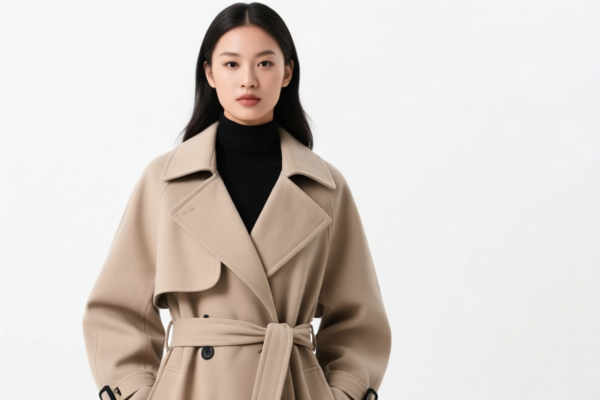
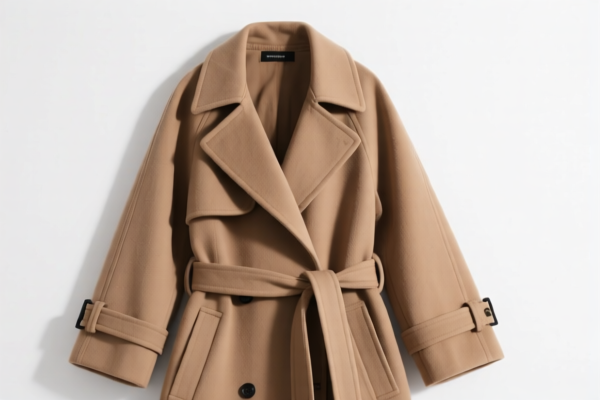
AI Analysis
Here is the professional clearance guide for Girls' Winter Overcoats (Other Textile Materials), formatted in a vibrant Wiki style based strictly on the provided tax data.
👗🧥 Girls' Winter Overcoats (Other Textile Materials)
🌐 HS Code Reference & Clearance Strategy | 2026 Tax Classification Analysis | Professional Customs Protocol
📌 One, Product Definition & Classification Logic: What is "Other Textile Material"?
Girls' winter overcoats are heavy outer garments designed for cold weather protection. In the context of HS Code 6104 (Knitted/Tatted) and HS Code 6202 (Woven), the critical classification pivot is the material composition.
The term "Other Textile Materials" acts as a catch-all category for fibers that are not primarily Wool, Cotton, or Man-made fibers (like Polyester/Nylon), OR it applies to blends where the dominant material falls into a specific "Other" bucket defined by the tariff schedule.
⚠️ Key Classification Distinctions: - 6104.39.20.90: Knitted/Synthetic/Other fibers, classified strictly as Suits/Jackets (Blazer style). - 6104.29.20.12: Knitted Ensemble components (Part of a set), No Wool Restrictions. - 6202.90.29.60: Woven "Other" category, specifically for materials not explicitly defined as Wool, Cotton, or Standard Man-made fibers.
📦 Two, HS Code Classification Details (Strict Data Adherence)
Based on the provided dataset, here is the authoritative breakdown for Girls' Winter Coats:
| HS Code | Product Summary | Classification Logic | Applicable Scope |
|---|---|---|---|
6104.39.20.90 |
Girls' Winter Coat (Knitted) | Classified as Suits/Jackets (西装式外套/夹克) under "Other textile materials". | Knitted garments with a blazer/jacket cut, excluding wool/cotton dominance. |
6104.29.20.12 |
Girls' Winter Coat (Knitted Ensemble) | Part of Heading 6104 Outerwear. No conflict with Wool restrictions. | Components of an ensemble set (e.g., coat + dress/pants), where tax is calculated on individual garment rates. |
6202.90.29.60 |
Girls' Winter Coat (Woven) | Fits the "Other" category logic. Not explicitly Wool, Cotton, or Man-made. | Woven outerwear where the fiber composition is ambiguous or falls into a specific "Other" sub-category. |
🔍 Critical Insight: - 6104 items are Knitted; 6202 items are Woven. Do not confuse the two! -
6104.29.20.12has a unique tax rule: The base tax is "The rate applicable to each garment in the ensemble if separately classified," which differs from the standard ad valorem rates.
💰 Three, 2026 Tariff Rate Breakdown (Detailed Tax Clauses)
✅ Scope: Import from China (CN) to Target Market (implied US/EU context based on "122 Clause"). ✅ Tax Components: Base Tariff + Surcharges (Anti-dumping/Section 301/122).
🎯 1. 6104.39.20.90 — Knitted Suits/Jackets (Other Material)
Perfect for "Blazer-style" knitted winter coats.
| Tax Component | Rate | Details |
|---|---|---|
| Base Tariff | 0.0% | Standard entry rate for this subcategory. |
| Additional Surcharge | 7.5% | Specific trade remedy or additional duty. |
| 122 Clause Tariff | 10.0% | Crucial: Section 122 (China-specific) tariff application. |
| Total Tax Rate | 17.5% | Calculation: 0% + 7.5% + 10% |
📌 Interpretation: - Despite a 0% base, the 122 Clause (10%) and 7.5% surcharge make this a high-cost import. - This code is often used for high-fashion knitwear or specific synthetic blends.
🎯 2. 6104.29.20.12 — Knitted Ensemble (No Wool Conflict)
Used for children's matching sets (e.g., Coat + Dress).
| Tax Component | Rate | Details |
|---|---|---|
| Base Tariff | Variable | "Rate applicable to each garment in the ensemble if separately classified" |
| Additional Surcharge | 0.0% | No surcharge applied for this specific subcategory. |
| 122 Clause Tariff | 10.0% | Fixed: 122 Clause applies regardless of base rate. |
| Total Tax Rate | Variable + 10.0% | Calculation: [Individual Garment Rate] + 10% |
📌 Interpretation: - The Base Tax is the variable factor: You must calculate the rate as if the coat were sold alone (e.g., if the coat alone is 5%, then 5% + 10% = 15%). - Advantage: No 7.5% surcharge applies here, making it potentially cheaper than
6104.39.20.90if the base rate is low.
🎯 3. 6202.90.29.60 — Woven "Other" Category
For woven coats made of materials not strictly defined as Wool/Cotton/Synthetics.
| Tax Component | Rate | Details |
|---|---|---|
| Base Tariff | 2.8% | Standard base rate for "Other" woven goods. |
| Additional Surcharge | 7.5% | Trade remedy surcharge. |
| 122 Clause Tariff | 10.0% | Fixed: Section 122 tariff application. |
| Total Tax Rate | 20.3% | Calculation: 2.8% + 7.5% + 10% |
📌 Interpretation: - This has the Highest Base Rate (2.8%) among the three. - Combined with surcharges, this is the most expensive classification (20.3%). - Use only if the material composition strictly fits the "Other" woven definition.
🛠️ Four, Clearance Practical Advice (Risk Avoidance)
✅ 1. Material Declaration Strategy (The "Other" Trap)
The term "Other Textile Materials" is a double-edged sword. - Risk: If the customs officer determines the fabric is actually Cotton (10%+) or Wool, the HS Code will be challenged, and penalties (122 Clause) will still apply, but the classification fines will increase. - Action: Provide a fibre composition analysis report proving the material is not Wool, Cotton, or standard Man-made fibers (e.g., specific blends, bamboo, linen, or exotic fibers).
✅ 2. Knitted vs. Woven Verification
- Check the Production Method:
- Is the fabric Knitted (looped, stretchy)? → Use 6104 codes.
- Is the fabric Woven (interlaced, structured)? → Use 6202 code.
- Mistake Alert: Misdeclaring a Knitted coat as Woven (
6202) when it is actually Knitted (6104) leads to immediate seizure or reclassification.
✅ 3. Ensemble Declaration (For 6104.29.20.12)
- Rule: If the coat is sold as part of a set (e.g., a winter outfit), declare it under
6104.29.20.12only if the set is marketed as a single unit. - Strategy: Calculate the "separate rate" for the coat. If the coat alone has a low base tax, this code saves you the 7.5% surcharge.
- Documentation: Must include a set definition in the commercial invoice (e.g., "Set: Girls' Winter Coat + Trousers").
✅ 4. The "122 Clause" Reality
- Unavoidable: For all three codes, the 10% 122 Clause Tariff is mandatory.
- Financial Planning: Do not negotiate the price with suppliers assuming a low tariff. You must budget for at least 10% + Base Tariff immediately.
- Mitigation: Try to source from non-China origins if the 122 Clause does not apply to the origin country (check current sanctions lists).
📌 Five, Summary Checklist for Customs Declaration
| Step | Action Item | Why? |
|---|---|---|
| 1 | Identify Fabric Structure (Knitted vs. Woven) | Determines 6104 vs. 6202. |
| 2 | Analyze Fibre Composition | Confirms "Other Textile Material" status (Avoids Wool/Cotton misclassification). |
| 3 | Check Sales Format (Single vs. Ensemble) | Decides between 6104.29.20.12 (No 7.5% surcharge) vs. 6104.39.20.90. |
| 4 | Calculate Total Duty | Base + 7.5% (if applicable) + 10% Fixed (122 Clause). |
| 5 | Prepare Docs | Fibre report, Invoice (set definition if ensemble), Packing List. |
🚀 Final Clearance Recommendation
💡 Pro Tip: If your "Girls' Winter Coat" is a woven garment with complex material blends,
6202.90.29.60is likely the safest bet if the "Other" definition holds, but be prepared for 20.3% total tax.💡 Cost-Saving Tip: If the coat is part of a knitted set (Ensemble), aggressively pursue
6104.29.20.12to avoid the 7.5% surcharge, provided the "separate rate" is low.⚠️ Warning: Never underestimate the 10% 122 Clause. It is a "hard tax" that cannot be negotiated away in most standard trade scenarios for Chinese-origin goods.
✨ Precision in Classification = Profitability in Trade Ensure your fiber composition is bulletproof to avoid costly reclassifications!
Customer Reviews
About HS Code Classification
The Harmonized System (HS) is an internationally standardized nomenclature developed by the World Customs Organization (WCO) to classify traded products. Over 200 countries use the HS system as the basis for customs tariffs, trade statistics, and import/export regulations.
Each HS code follows a hierarchical structure:
- Chapter (2 digits) — Broad category of goods (e.g., Chapter 84: Machinery and Mechanical Appliances)
- Heading (4 digits) — More specific grouping within the chapter
- Subheading (6 digits) — Internationally standardized breakdown, used by all WCO member countries
- National subdivisions (8-10 digits) — Country-specific extensions for further classification, such as US HTSUS 10-digit codes
Correct HS code classification is essential for smooth customs clearance, accurate duty payment, and compliance with trade regulations. Misclassification can lead to customs delays, overpayment of duties, or penalties.
When importing from CN to US, the applicable tariff rates may include:
- Most-Favored-Nation (MFN) rate — The standard duty rate applied to WTO members
- General rate — Applied to countries without trade agreements
- Trade remedy duties — Additional tariffs such as Section 301 (anti-dumping), Section 232 (national security), or countervailing duties
The information provided on this page is for reference purposes only. For official classification, please consult with your local customs authority or a licensed customs broker.