Girls' Winter Warm Overall Jumpsuit
CN → US| HS Code | Tariff Rate | Origin | Destination | Doc |
|---|---|---|---|---|
| 6111206070 | 25.6% | CN | US | Official Doc |
| 6104621030 | 27.8% | CN | US | Official Doc |
| 6209205050 | 26.8% | CN | US | Official Doc |
| 6111206020 | 25.6% | CN | US | Official Doc |
| 6209205030 | 26.8% | CN | US | Official Doc |
Product Images
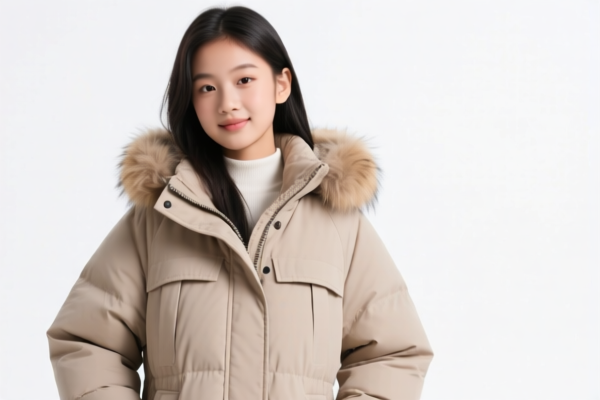
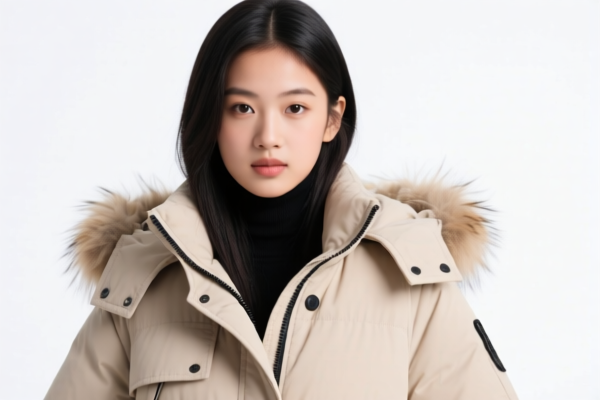
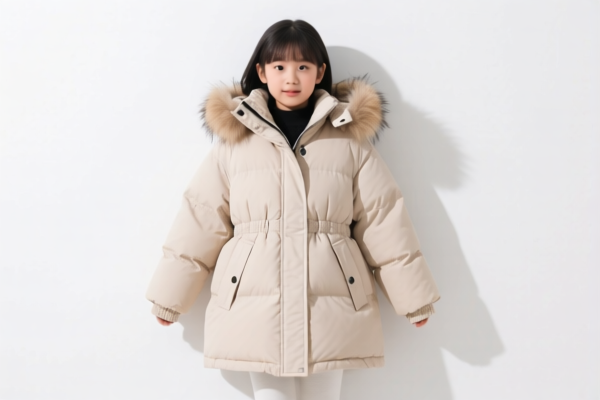
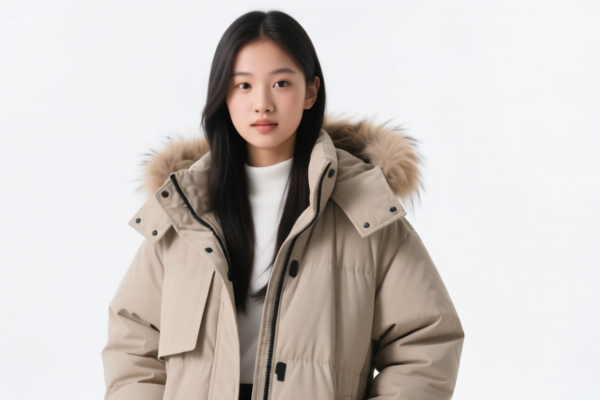
AI Analysis
🧥 Girls' Winter Warm Overall Jumpsuit (Cotton Knit/Woven)
🌐 HS Code Reference & Customs Clearance Guide | 2026 Latest Tariff Analysis | Professional Strategy
📌 I. Product Definition & Classification: Do You Really Understand "Girls' Jumpsuits"?
The Girls' Winter Warm Overall Jumpsuit is a versatile outerwear or loungewear item for children. In international trade, its classification depends strictly on fabric type (knit vs. woven) and age group (infant vs. older child). Since the input specifies "Girls" and "Warm," we assume cotton-based materials. The duty rates vary based on whether it is classified as a knit article (Chapter 61) or a woven article (Chapter 62), and whether it falls under the "Infant/Young Child" category (HS Code 6209/6111) or general "Girls" wear.
⚠️ Key Distinction Point:
- If the fabric is Knitted/Crocheted and intended for infants (typically ≤24 months), it often falls under 6111.
- If the fabric is Woven, it falls under 6209 (if infant/young child) or general girls' wear.
- Age Ambiguity: The term "Girls" can overlap with "Infant/Young Child" (0-2 years). Customs often uses "Infant" codes for younger children, which have different tax structures than general "Girls'" codes.
📦 II. HS Code Classification Details (2026 Latest Tariff Authority Comparison)
Based on the provided data, here are the five most likely HS Codes and their corresponding tax implications for imports from China to the US (or similar high-tariff markets).
| HS Code | Product Description Summary | Material/Structure Inference | Total Tax Rate |
|---|---|---|---|
| 6111.20.60.70 | Cotton Knit Girls' Overall Jumpsuit (Baby/Child Category) | Knitted Cotton. Fits within other categories of infants' children's wear. | 25.6% |
| 6104.62.10.30 | Cotton Girls' Overall Jumpsuit (Fallback Category) | Knitted Cotton. Inferred fallback category based on cotton & girls' attributes. | 27.8% |
| 6209.20.50.50 | Cotton Infant/Children's Overall Jumpsuit (Other Category) | Woven Cotton. Reasonable category under infants' children's wear. | 26.8% |
| 6111.20.60.20 | Cotton Knit Girls' Overall Jumpsuit (Suit/Single Item Logic) | Knitted Cotton. Fits logic of infant/children's sets/single items. | 25.6% |
| 6209.20.50.30 | Cotton Infant/Toddler Overall Jumpsuit (No Functional Conflict) | Woven Cotton. Conflicts with no specific functional apparel. | 26.8% |
🔍 Key Insight:
- Knitted (Chapter 61) vs. Woven (Chapter 62): The main difference lies in the base tariff (8.1% vs. 9.3%).
- Age Classification: Codes starting with 6111 or 6209 specifically target infants/toddlers. If the "Girls' Jumpsuit" is for older children (>2 years), these codes might be challenged, but they are currently the most favorable "fallback" options provided in the data.
- Tax Variance: The difference between the lowest (25.6%) and highest (27.8%) is 2.2%, which can be significant on high-volume shipments.
💰 III. 2026 Latest Tariff Rate Breakdown (Including Surtaxes & Policy Add-ons)
✅ Applicable Market: United States (US)
✅ Origin: China (CN)
✅ Effective Date: 2025/2026 (Current Policy)
🎯 1. 6111.20.60.70 & 6111.20.60.20 — Cotton Knit Infant/Child Jumpsuit (Lowest Rate)
| Item | Detail |
|---|---|
| Base Tariff | 8.1% (Standard MFN rate for knit children's wear) |
| Additional Tariff (Sec 301) | +7.5% (Section 301 surtax for Chinese goods) |
| Section 122 Tariff | +10% (Specific clause for certain apparel/textiles from China) |
| Total Tax Rate | 25.6% |
| Tax Calculation | CIF Value × 25.6% |
| De Minimis Exemption? | ❌ No (Deny de minimis for Chinese textile/apparel over $800) |
| Legal Path | USITC:6111.20.60 → Sec301:7.5% → Sec122:10% |
📌 Explanation:
- Base Tariff (8.1%): Standard duty for knitted infant garments.
- Section 301 (7.5%): General surtax on Chinese imports in this chapter.
- Section 122 (10%): A specific additional duty often applied to apparel imports to protect domestic textile manufacturing.
- Why 25.6%? It is the sum of 8.1 + 7.5 + 10. This is the most cost-effective classification if the item qualifies as "Infant/Child" knitwear.
🎯 2. 6209.20.50.50 & 6209.20.50.30 — Cotton Woven Infant/Child Jumpsuit (Mid Rate)
| Item | Detail |
|---|---|
| Base Tariff | 9.3% (Standard MFN rate for woven children's wear) |
| Additional Tariff (Sec 301) | +7.5% (Section 301 surtax) |
| Section 122 Tariff | +10% (Specific clause) |
| Total Tax Rate | 26.8% |
| Tax Calculation | CIF Value × 26.8% |
| De Minimis Exemption? | ❌ No |
| Legal Path | USITC:6209.20.50 → Sec301:7.5% → Sec122:10% |
📌 Explanation:
- Base Tariff (9.3%): Higher than knitwear due to the woven fabric structure.
- Surtaxes: Identical to knitwear (7.5% + 10%).
- Total 26.8%: Only 1.2% more than the knitwear option. Woven items are often more durable for winter, but cost slightly more in duties.
🎯 3. 6104.62.10.30 — Cotton Girls' Jumpsuit (Fallback Category)
| Item | Detail |
|---|---|
| Base Tariff | 10.3% (Higher base for general "Girls'" wear vs. "Infant") |
| Additional Tariff (Sec 301) | +7.5% (Section 301 surtax) |
| Section 122 Tariff | +10% (Specific clause) |
| Total Tax Rate | 27.8% |
| Tax Calculation | CIF Value × 27.8% |
| De Minimis Exemption? | ❌ No |
| Legal Path | USITC:6104.62.10 → Sec301:7.5% → Sec122:10% |
📌 Explanation:
- Base Tariff (10.3%): Classified as a "fallback" for general girls' knitwear, not specifically infant/toddler.
- Total 27.8%: The highest rate in the provided dataset. Avoid this if possible by proving the item is for younger children (infant/toddler category).
🛠️ IV. Customs Clearance Practical Advice (Battle-Tested Pitfall Guide)
✅ 1. Document Checklist (Non-Negotiable)
| Document | Must Provide | Reason |
|---|---|---|
| ✅ Product Specification Sheet | ✔️ | Details fabric (Knit vs. Woven), age range, weight, lining material. |
| ✅ Fabric Composition Label | ✔️ | Must state "100% Cotton" or blend. Critical for Chapter 61/62 distinction. |
| ✅ Size Tag/Chart | ✔️ | To prove "Infant/Toddler" size (e.g., 0-6M, 12M). If size is 6T+, customs may reject infant codes. |
| ✅ Photos (Front/Back/Detail) | ✔️ | Show overall style, buttons/zippers, and any winter insulation (fleece lining). |
| ✅ Commercial Invoice | ✔️ | Must match HS Code description exactly (e.g., "Cotton Knit Infant Overall"). |
| ✅ Bill of Lading (B/L) | ✔️ | Weight and volume confirmation. |
✅ 2. Declaration Strategy (Key Mantra)
🔥 "Knit vs. Woven, Age Matters, Label Says All!"
| Scenario | Correct Declaration | Wrong Practice |
|---|---|---|
| Item is Knitted (Jersey/Fleece) | Use 6111.xxxx.xxxx codes | Use 6209 codes → Overpay Duty |
| Item is Woven (Denim/Twill) | Use 6209.xxxx.xxxx codes | Use 6111 codes → Rejection/Fine |
| For Toddlers (0-2 Years) | Emphasize "Infant/Toddler" in description | Call it "Girls' Fashion Wear" → Higher Base Rate |
| For Older Kids (3+ Years) | Use general girls' codes (if applicable) | Force infant codes → Audit Risk |
✅ 3. Special Handling Tips
| Situation | Advice |
|---|---|
| Winter Warmth (Insulation) | If lined with fleece, still classify as Cotton (main fabric). Do not declare as "Synthetic" unless lining >50%. |
| Overall Style (Straps) | "Overall" style is clear. Ensure no mixed materials (e.g., leather patches) confuse the classification. |
| Section 122 Impact | All codes include a 10% Section 122 tariff. This is unavoidable for Chinese apparel. Factor this into your pricing. |
| Pre-Ruling (Advance Ruling) | Strongly Recommended: Submit an HS Code Pre-Ruling request with sample photos to CBP. Avoids surprise audits. |
🌍 V. Global Market Comparison (2026 Latest)
| Country/Region | Recommended HS Code | Estimated Duty (China Origin) | Notes |
|---|---|---|---|
| 🇺🇸 USA | 6111.20.60.70 / 6209.20.50.50 |
25.6% - 26.8% | Includes Section 301 + 122. High barrier. |
| 🇪🇺 EU | 6111.20 / 6209.20 |
~12-16% | No Section 122 equivalent, but lower quotas may apply. |
| 🇨🇳 China (Import) | 6111.20 / 6209.20 |
8.1% - 9.3% | Base rate only. No surtaxes. |
| 🇬🇧 UK | 6111.20 / 6209.20 |
~12-16% | Post-Brexit tariffs similar to EU. |
📌 Conclusion:
- The USA has the highest effective duty rate due to叠加 (stacking) of Section 301 and Section 122 tariffs.
- Knitwear (6111) is cheaper than Woven (6209) by ~1.2% in base tariff.
- Infant/Toddler classification is key to keeping base tariffs low (8.1%/9.3% vs. 10.3%+).
📌 VI. Common Mistakes & Pitfalls (Blood & Tears Lessons)
❌ Mistake 1: Declaring "Girls' Jumpsuit" as general apparel (e.g., 6104) instead of Infant/Toddler (6111/6209)
👉 Consequence: Base tariff jumps from 8.1%/9.3% to 10.3%+ → Higher duty cost.
❌ Mistake 2: Ignoring the Section 122 (10%) tariff
👉 Consequence: Unexpected bill at customs. This is a specific surtax for Chinese apparel. Must be included in cost calculation.
❌ Mistake 3: Confusing Knit vs. Woven
👉 Consequence: Customs reclassifies the goods → Delay, storage fees, and potential fines. Always provide fabric swatch or detailed spec sheet.
❌ Mistake 4: Assuming de minimis ($800) applies
👉 Consequence: Denied. Section 122 and Section 301 tariffs explicitly waive the de minimis exemption for Chinese textile/apparel shipments.
✅ Correct Practice:
"Cotton Knit Infant Overall Jumpsuit, 0-24 Months, with Fleece Lining, Model XYZ, Certified CPC (Children's Product Certificate)"
🎯 VII. Conclusion: Professional Declaration, Save Money, Ensure Smooth Clearance!
🎯 Remember the Mantra:
🔹 "Knit is 61, Woven is 62, Infant is Key, Base Rate Down."
🔹 "Section 122 is 10%, Section 301 is 7.5%, Total is ~26%."
🔹 "Declare Age Accurately, Avoid 10.3% Pitfall."
📌 Pro Tip:
If your Girls' Winter Jumpsuit is shipped in bulk, always verify the fabric construction (Knit vs. Woven) on the hangtag. If it is knit, fight for 6111.20.60.70 (25.6%). If woven, 6209.20.50.50 (26.8%) is your best bet. Do not settle for 6104.62.10.30 (27.8%) unless no infant classification is possible.
📣 Immediate Action:
📞 Consult a licensed customs broker + Provide Product Photos + Size Chart
🚀 Let your Girls' Jumpsuit clear customs smoothly, efficiently, and profitably!
✨ Professional Customs Clearance Starts with Accurate Classification!
💼 Your Every Penny of Duty Cost is Worth Calculating Precisely!
Customer Reviews
About HS Code Classification
The Harmonized System (HS) is an internationally standardized nomenclature developed by the World Customs Organization (WCO) to classify traded products. Over 200 countries use the HS system as the basis for customs tariffs, trade statistics, and import/export regulations.
Each HS code follows a hierarchical structure:
- Chapter (2 digits) — Broad category of goods (e.g., Chapter 84: Machinery and Mechanical Appliances)
- Heading (4 digits) — More specific grouping within the chapter
- Subheading (6 digits) — Internationally standardized breakdown, used by all WCO member countries
- National subdivisions (8-10 digits) — Country-specific extensions for further classification, such as US HTSUS 10-digit codes
Correct HS code classification is essential for smooth customs clearance, accurate duty payment, and compliance with trade regulations. Misclassification can lead to customs delays, overpayment of duties, or penalties.
When importing from CN to US, the applicable tariff rates may include:
- Most-Favored-Nation (MFN) rate — The standard duty rate applied to WTO members
- General rate — Applied to countries without trade agreements
- Trade remedy duties — Additional tariffs such as Section 301 (anti-dumping), Section 232 (national security), or countervailing duties
The information provided on this page is for reference purposes only. For official classification, please consult with your local customs authority or a licensed customs broker.