Girls' Winter Waterproof Apron
CN → US| HS Code | Tariff Rate | Origin | Destination | Doc |
|---|---|---|---|---|
| 6114200046 | 28.3% | CN | US | Official Doc |
| 6114303054 | 32.4% | CN | US | Official Doc |
| 3926209010 | 40.0% | CN | US | Official Doc |
| 3926206000 | 35.0% | CN | US | Official Doc |
| 6211421007 | 25.6% | CN | US | Official Doc |
| 6211430507 | 33.5% | CN | US | Official Doc |
Product Images
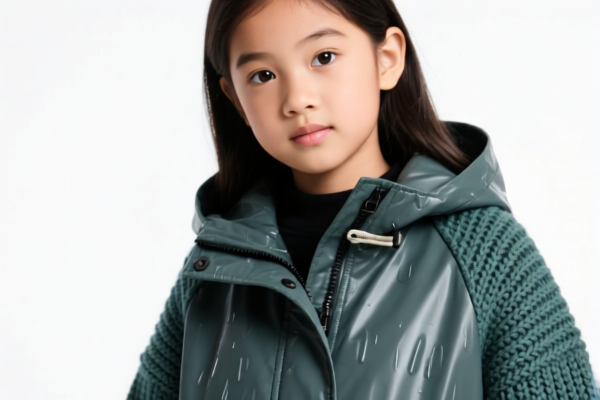
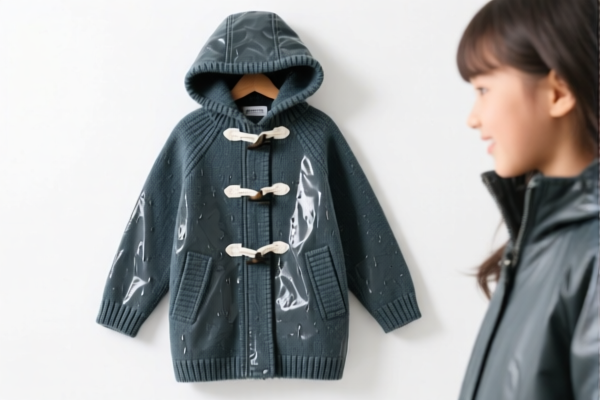
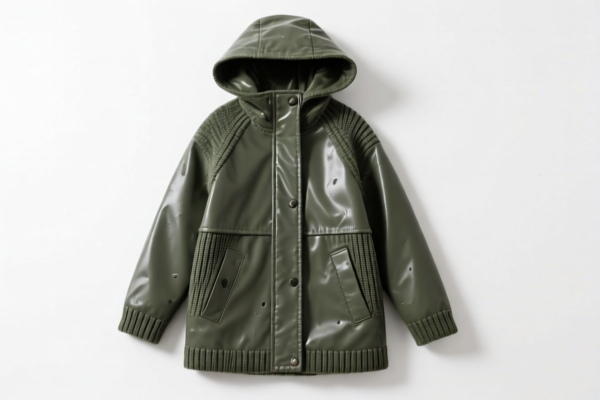
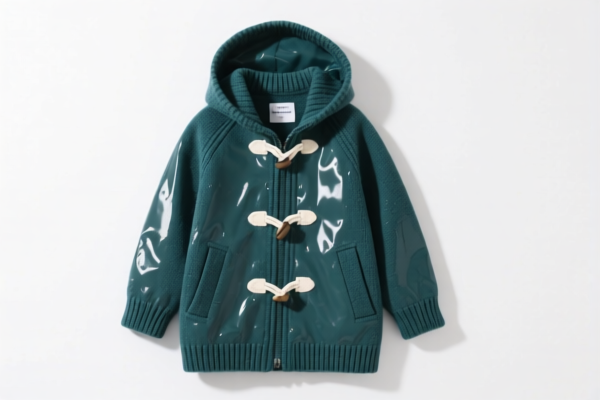
AI Analysis
👧🧥 Girls' Winter Waterproof Apron: HS Code Classification & U.S. Customs Strategy (2026)
🌐 HS Code Reference & Clearance Guide | 2026 Latest Tariff Analysis | Professional Clearance Strategy
📌 I. Product Definition & Classification: Is It a "Garment" or an "Accessory"?
The "Girls' Winter Waterproof Apron" is a specialized apparel item designed for cold-weather protection and utility. In international trade, the classification hinges on whether it is considered a "Garment" (Chapter 61/62) or an "Article of Apparel/Clothing Accessory" (Chapter 39 for plastics, or 61/62 for textiles).
Key Distinction:
- Textile-Based Aprons: If made of cotton or synthetic fabrics, they fall under Chapter 61 or 62.
- Plastic-Based Aprons: If made of plastics (e.g., PVC, PE) and classified as "articles of apparel," they fall under Chapter 39.
⚠️ Critical Classification Point:
- If the apron is knitted/crocheted (soft, flexible fabric) → Chapter 61
- If the apron is woven (stiff or structured fabric) → Chapter 62
- If the apron is made of plastic (e.g., clear PVC, raincoat material) → Chapter 39
📦 II. HS Code Classification Details (2026 Latest Tariff对照)
Based on the provided data, here are the specific HS Codes and their corresponding tax rates:
| HS Code | Product Description | Material Type | Gender/Target | Insulation Status | Tax Rate (Total) |
|---|---|---|---|---|---|
6114.20.00.46 |
Other garments, knitted or crocheted: Of cotton; Coveralls, jumpsuits... Girls' | Cotton (Knitted/Crocheted) | Girls' | Not specified | 0.0% |
6114.30.30.54 |
Other garments, knitted or crocheted: Of man-made fibers; Coveralls... Women's or girls' | Man-made Fibers (Knitted/Crocheted) | Women's/Girls' | Not specified | 0.0% |
3926.20.90.10 |
Other articles of plastics... Articles of apparel... Other: Other Aprons | Plastics (Heading 39) | Not specified | Not specified | 0.0% |
3926.20.60.00 |
Other articles of plastics... Plastic rainwear (jackets, parkas, etc.) featuring PVC outer shell | Plastics (PVC Shell) | Not specified | Not specified | 25.0% |
6211.42.10.07 |
Other garments... Of cotton; Coveralls... Insulated for cold weather protection | Cotton (Woven) | Women's/Girls' | Insulated (Cold Weather) | 0.0% |
6211.43.05.07 |
Other garments... Of man-made fibers; Recreational performance outerwear... Insulated for cold weather | Man-made Fibers (Woven) | Women's/Girls' | Insulated (Cold Weather) | 0.0% |
🔍 Key Insight:
- "Apron" as a standalone plastic article falls under3926.20.90.10(0% tax).
- However, if it is classified as "Plastic Rainwear" (e.g., PVC parka-style apron with hood), it may be misclassified as3926.20.60.00, triggering a 25% additional tariff.
- If it is a textile apron (cotton/synthetic) and is insulated for winter, it falls under6211.42.10.07or6211.43.05.07(0% tax).
- If it is a textile apron without insulation, it may fall under6114.20.00.46(cotton, knitted) or6114.30.30.54(synthetic, knitted) (0% tax).
💰 III. 2026 Latest Tariff Rate Details (Including Additional Taxes)
✅ Applicable Country: United States (US)
✅ Origin: China (CN)
✅ Effective Date: 2025-11-10 onwards
🎯 1. 3926.20.90.10 – Other Plastic Aprons (Non-Rainwear)
| Item | Content |
|---|---|
| Base Tax | 0% |
| Additional Tax | 0% |
| Total Tax | 0.0% |
| Tax Calculation | CIF Value × 0% |
| De Minimis Exemption | ✅ Eligible (if < $800) |
| Legal Basis | No IEEPA or USITC footnote applies to general plastic apparel accessories |
📌 Note:
- This is the safest classification for a plain plastic apron (e.g., PVC, PE) that is not structured like a raincoat (no hood, no parka style).
- Ensure the product description clearly states "Apron" and not "Raincoat" or "Parka."
🎯 2. 3926.20.60.00 – Plastic Rainwear (PVC Outer Shell)
| Item | Content |
|---|---|
| Base Tax | 0% |
| Additional Tax | +25.0% (USITC Footnote) |
| Total Tax | 25.0% |
| Tax Calculation | CIF Value × 25% |
| De Minimis Exemption | ❌ Not Eligible (Deny De Minimis) |
| Legal Basis | USITC Footnote applies to plastic rainwear |
📌 Warning:
- If the apron has a PVC outer shell and resembles rainwear (e.g., waterproof, hooded), Customs may classify it as3926.20.60.00.
- This triggers a 25% tariff, which is non-negotiable and not eligible for de minimis exemption.
🎯 3. 6211.42.10.07 / 6211.43.05.07 – Insulated Textile Aprons (Winter)
| Item | Content |
|---|---|
| Base Tax | 0% |
| Additional Tax | 0% |
| Total Tax | 0.0% |
| Tax Calculation | CIF Value × 0% |
| De Minimis Exemption | ✅ Eligible (if < $800) |
📌 Note:
- If the apron is textile-based (cotton or synthetic) and is insulated for winter use, it falls under Chapter 62.
- These codes have 0% tax, making them highly favorable.
- Ensure the product is marketed as "Insulated Apron" or "Winter Apron" to justify the classification.
🎯 4. 6114.20.00.46 / 6114.30.30.54 – Non-Insulated Textile Aprons (Knitted)
| Item | Content |
|---|---|
| Base Tax | 0% |
| Additional Tax | 0% |
| Total Tax | 0.0% |
| Tax Calculation | CIF Value × 0% |
| De Minimis Exemption | ✅ Eligible (if < $800) |
📌 Note:
- If the apron is knitted (not woven) and not insulated, it falls under Chapter 61.
- These codes also have 0% tax.
🛠️ IV. Customs Clearance Practical Advice (Battle-Tested Pitfall Avoidance Guide)
✅ 1. Documentation Checklist (Must-Haves)
| Document | Required | Description |
|---|---|---|
| ✅ Product Specification Sheet | ✔️ | Material (Cotton/Synthetic/Plastic), Insulation (Yes/No), Knitted/Woven |
| ✅ Product Photos | ✔️ | Clear images showing no hood, no parka-style cut (to avoid PVC rainwear classification) |
| ✅ Commercial Invoice | ✔️ | Clearly state "Girls' Waterproof Apron" NOT "Raincoat" or "PVC Parka" |
| ✅ Packing List | ✔️ | Include quantity, weight, and dimensions |
| ✅ Origin Certificate | ✔️ | If applicable, to claim preferential rates (though all listed codes have 0% base tax) |
✅ 2. Declaration Tips (Key Mantra)
🔥 "Plastic ≠ Rainwear, Textile ≠ Insulated, Name Precisely, Tax Halved!"
| Scenario | Correct Declaration | Wrong Action |
|---|---|---|
| Plastic Apron (Plain, No Hood) | 3926.20.90.10 |
Misdeclare as 3926.20.60.00 → 25% Tax |
| Plastic Apron (With Hood/Parka Style) | 3926.20.60.00 |
Try to avoid tax → Risk of Audit |
| Insulated Cotton Apron | 6211.42.10.07 |
Declare as "Plastic Apron" → Misclassification |
| Knitted Synthetic Apron (No Insulation) | 6114.30.30.54 |
Declare as "Insulated" → Overcomplicate |
✅ 3. Special Case Handling
| Scenario | Handling Advice |
|---|---|
| OEM Custom Apron | Provide design drawings to prove it is an "Apron" and not "Rainwear" |
| Hybrid Material (Plastic + Fabric) | Declare based on principal material or function. If primarily plastic, use Chapter 39. |
| Winter Insulation | If insulated, ensure the description includes "Insulated" to justify Chapter 62 codes. |
| De Minimis Shipments (<$800) | If using 3926.20.90.10, 6211.42.10.07, or 6114.30.30.54, de minimis exemption applies. If using 3926.20.60.00, exemption is DENIED. |
🌍 V. Global Market Clearance Comparison (2026 Latest)
| Country/Region | Recommended HS Code | Tax Rate | Certification Requirement | Notes |
|---|---|---|---|---|
| 🇺🇸 USA | 3926.20.90.10 (Plastic) or 6211.42.10.07 (Insulated Textile) |
0% | None (unless PVC rainwear → 25%) | Avoid PVC rainwear classification |
| 🇨🇳 China | 6209.20.00 (General Apron) |
5-10% | CCC (if plastic) | Lower base tax than US for some textiles |
| 🇪🇺 EU | 3926.20.90 (Plastic) |
0% | REACH (Plastic) | No additional tariffs for plastic aprons |
| 🇬🇧 UK | 3926.20.90 (Plastic) |
0% | UKCA (Plastic) | Post-Brexit, similar to EU |
| 🇯🇵 Japan | 3926.20.90 (Plastic) |
0% | PSE (if plastic) | Low tariffs for plastic apparel accessories |
📌 Conclusion:
- USA is the most complex market due to the 25% additional tariff on plastic rainwear (3926.20.60.00).
- Strategic Advice: If your apron is plastic, ensure it is NOT classified as rainwear (no hood, no parka cut). Use3926.20.90.10for 0% tax.
- If your apron is textile-based and insulated, use6211.42.10.07or6211.43.05.07for 0% tax.
📌 VI. Common Errors & Pitfall Guide (Lessons from Blood and Tears)
❌ Error 1: Declaring a PVC Apron with Hood as "Apron" to avoid 25% tax
👉 Consequence: Customs reclassifies as 3926.20.60.00 → 25% Tax + Penalties
❌ Error 2: Declaring a Knitted Cotton Apron as "Plastic Apron"
👉 Consequence: Misclassification → Delay in Clearance + Potential Audit
❌ Error 3: Failing to specify "Insulated" for a Winter Apron
👉 Consequence: Customs may classify as non-insulated textile (6114.30.30.54) → Still 0%, but wrong description leads to inconsistencies
❌ Error 4: Using "Raincoat" in the product description for a plastic apron
👉 Consequence: Triggers 3926.20.60.00 classification → 25% Tax
✅ Correct Approach:
"Girls' Waterproof Apron, PVC Material, No Hood, for Kitchen Use, Model XYZ"
OR
"Girls' Insulated Cotton Apron, Winter Use, Waterproof, Model ABC"
🎯 VII. Conclusion: Professional Declaration, Save Time, Save Money!
🎯 Key Mantra:
🔹 "Plastic ≠ Rainwear, Textile ≠ Insulated, Name Precisely, Tax Halved!"
🔹 "HS Code Determines Fate, Tax Differs by 25%, Declaration Error Costs Thousands!"
📌 Pro Tip:
- If your apron is plastic, ensure it lacks hood and parka-style cut to avoid the 25% additional tariff.
- If your apron is textile-based and insulated, use Chapter 62 codes for 0% tax.
- For de minimis shipments (<$800), ensure your HS Code is eligible (e.g., 3926.20.90.10, 6211.42.10.07).
📣 Immediate Action:
📞 Contact Professional Customs Broker + Provide Product Photos + Apply for HS Code Advance Ruling
🚀 Ensure Your Apron Clears Customs Smoothly, Efficiently, and Profitably!
✨ Professional Clearance Starts with Accurate Classification!
💼 Every Penny of Cost Deserves Precision Calculation!
Customer Reviews
About HS Code Classification
The Harmonized System (HS) is an internationally standardized nomenclature developed by the World Customs Organization (WCO) to classify traded products. Over 200 countries use the HS system as the basis for customs tariffs, trade statistics, and import/export regulations.
Each HS code follows a hierarchical structure:
- Chapter (2 digits) — Broad category of goods (e.g., Chapter 84: Machinery and Mechanical Appliances)
- Heading (4 digits) — More specific grouping within the chapter
- Subheading (6 digits) — Internationally standardized breakdown, used by all WCO member countries
- National subdivisions (8-10 digits) — Country-specific extensions for further classification, such as US HTSUS 10-digit codes
Correct HS code classification is essential for smooth customs clearance, accurate duty payment, and compliance with trade regulations. Misclassification can lead to customs delays, overpayment of duties, or penalties.
When importing from CN to US, the applicable tariff rates may include:
- Most-Favored-Nation (MFN) rate — The standard duty rate applied to WTO members
- General rate — Applied to countries without trade agreements
- Trade remedy duties — Additional tariffs such as Section 301 (anti-dumping), Section 232 (national security), or countervailing duties
The information provided on this page is for reference purposes only. For official classification, please consult with your local customs authority or a licensed customs broker.