Girls' Work Vest
CN → US| HS Code | Tariff Rate | Origin | Destination | Doc |
|---|---|---|---|---|
| 6110202079 | 34.0% | CN | US | Official Doc |
| 6109100065 | 34.0% | CN | US | Official Doc |
| 6207913020 | 23.6% | CN | US | Official Doc |
| 6110202035 | 34.0% | CN | US | Official Doc |
| 6114200046 | 28.3% | CN | US | Official Doc |
Product Images

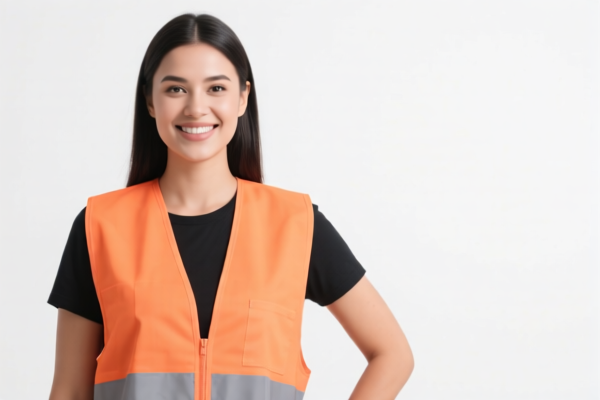
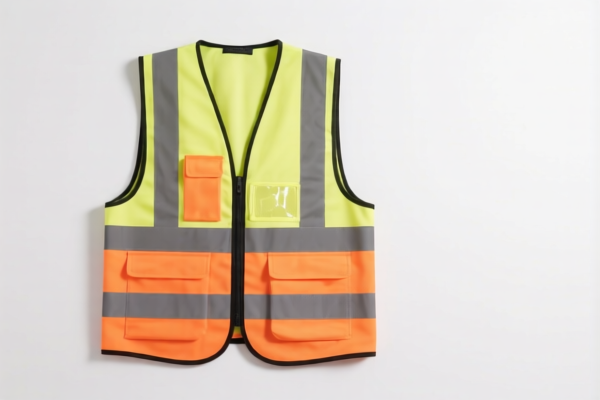
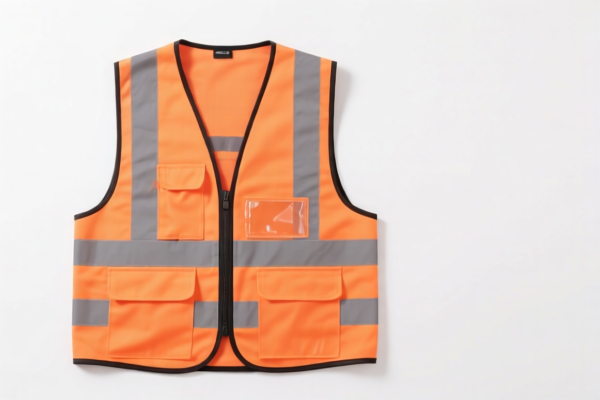
AI Analysis
👗 Girls' Work Vest (女童背心/工作服背心)
🌐 HS Code Reference & Customs Clearance Guide | 2026 Latest Tariff Analysis | Professional Clearance Strategy
📌 Part 1: Product Definition & Classification: What Exactly is a "Girls' Work Vest"?
In international trade, "Girls' Work Vest" is a tricky category because HS Codes are determined by material and form, not just the word "Work."
There are two distinct types of vests under Chapter 61/62:
1. Knitted/Crocheted Vests (Chapter 61)
- Material: Usually Cotton or Synthetic Fibers.
- Form: Sleeveless upper body garment, often resembling a tank top or sleeveless sweater.
- Key Distinction: If it’s knit (like a t-shirt material) and made of cotton, it falls under 6110.20 or 6109.10.
2. Woven Vests (Chapter 62)
- Material: Woven fabric (e.g., cotton poplin, polyester workwear fabric).
- Form: Structured sleeveless jacket or vest.
- Key Distinction: If it’s woven and part of a "suit" (ensemble), it might be classified differently than a standalone vest.
⚠️ Critical Classification Point:
- If the item is a standalone knitted cotton vest → 6110.20.20.79 or 6109.10.00.65.
- If the item is a woven cotton vest (not part of a suit) → 6207.91.30.20.
- If the item is part of a girls' work suit ensemble → 6104.23.00.32 or 6204.22.30.70.
📦 Part 2: HS Code Classification Details (2026 Latest Tariff Authority Comparison)
| HS Code | Product Description | Material/Form | Total Tax Rate (CN Origin → US) | Tax Breakdown |
|---|---|---|---|---|
6110.20.20.79 |
Girls' Knitted Cotton Vest | Knitted, Cotton | 34.0% | Base: 16.5%, Section 301: 7.5%, Section 301 (List 4): 10% |
6109.10.00.65 |
Girls' Knitted Cotton T-Shirt/Tank | Knitted, Cotton | 34.0% | Base: 16.5%, Section 301: 7.5%, Section 301 (List 4): 10% |
6207.91.30.20 |
Girls' Woven Cotton Vest (Non-Suit) | Woven, Cotton | 23.6% | Base: 6.1%, Section 301: 7.5%, Section 301 (List 4): 10% |
6104.23.00.32 |
Girls' Knitted Workwear Suit Ensemble | Knitted, Synthetic/Cotton Blend | Base Rate + 17.5% | Base: Rate per garment if separate, Section 301: 7.5%, Section 301 (List 4): 10% |
6204.22.30.70 |
Girls' Woven Workwear Suit Ensemble | Woven, Cotton | Base Rate + 17.5% | Base: Rate per garment if separate, Section 301: 7.5%, Section 301 (List 4): 10% |
🔍 Key Insight:
- Stand-alone vests (6110, 6109, 6207) have fixed high rates (23.6%–34%).
- Suit Ensembles (6104, 6204) use a complex "rate applicable to each garment if separately entered" + 17.5% additive. This often results in a lower effective rate if the underlying garment base rate is low, but the calculation is complex.
💰 Part 3: 2026 Latest Tariff Rate Details (Including Surcharges & Policy Add-ons)
✅ Applicable Country: United States (US)
✅ Country of Origin: China (CN)
✅ Effective Date: 2025 November 10 onwards (for subsequent imports)
🎯 1. 6110.20.20.79 & 6109.10.00.65 — Girls' Knitted Cotton Vests/Tanks
| Item | Content |
|---|---|
| Base Tariff | 16.5% (Ad Valorem) |
| Section 301 Tariff (List 4) | +7.5% |
| Section 301 Tariff (List 4B) | +10% |
| Total Tax Rate | 34.0% |
| De Minimis Eligibility | ❌ NO (Denied) |
| Legal Basis Path | HTSUS:6110.20.20.79 / 6109.10.00.65 → USITC:Section301List4 → IEEPA:9903.01.24 |
📌 Explanation:
- Knitted cotton children's garments are subject to high base tariffs (16.5%) because they are considered finished apparel.
- The 17.5% total surcharge (7.5% + 10%) is fixed for these categories under current trade policies.
- No de minimis exemption: Even small packages are subject to full duties.
🎯 2. 6207.91.30.20 — Girls' Woven Cotton Vest
| Item | Content |
|---|---|
| Base Tariff | 6.1% (Ad Valorem) |
| Section 301 Tariff (List 4) | +7.5% |
| Section 301 Tariff (List 4B) | +10% |
| Total Tax Rate | 23.6% |
| De Minimis Eligibility | ❌ NO (Denied) |
| Legal Basis Path | HTSUS:6207.91.30.20 → USITC:Section301List4 → IEEPA:9903.01.24 |
📌 Explanation:
- Woven cotton vests have a lower base rate (6.1%) compared to knitted ones.
- However, with the same 17.5% surcharge, the total is still 23.6%, which is significantly cheaper than the knitted version.
- Tip: If your "vest" is woven, not knitted, you can save 10.4% on duties!
🎯 3. 6104.23.00.32 & 6204.22.30.70 — Girls' Workwear Suit Ensembles
| Item | Content |
|---|---|
| Base Tariff | Rate applicable to each garment if separately entered |
| Section 301 Tariff (List 4) | +7.5% |
| Section 301 Tariff (List 4B) | +10% |
| Total Tax Structure | Base Rate (per piece) + 17.5% |
| De Minimis Eligibility | ❌ NO (Denied) |
| Legal Basis Path | HTSUS:6104.23.00.32 / 6204.22.30.70 → USITC:Section301List4 → IEEPA:9903.01.24 |
📌 Explanation:
- "Ensemble" Rule: If the vest and pants are sold together as a "work suit," they are classified under Chapter 61/62 girls' suits.
- The tariff is not a single flat rate. Instead, the base rate of the jacket/vest component is applied, plus 7.5% + 10%.
- Calculation Example: If the base rate for the woven vest component is 6.1%, then:
- Total = 6.1% + 7.5% + 10% = 23.6%
- If the knitted suit base rate is higher, the total could be 34% or more.
- Complexity: Accurate classification requires knowing if the items are sold as a set (ensemble) or separately.
🛠️ Part 4: Customs Clearance Practical Advice (Battle-Tested Pitfall Avoidance)
✅ 1. Required Documentation Checklist (Mandatory)
| Document | Required | Notes |
|---|---|---|
| ✅ Product Description | ✔️ | Must specify: "Girls' Vest", "Cotton", "Knitted/Woven", "No Sleeves" |
| ✅ Material Composition | ✔️ | e.g., "100% Cotton" or "65% Polyester, 35% Cotton" |
| ✅ Construction Method | ✔️ | Knitted (61) vs. Woven (62) — Critical for HS Code |
| ✅ Is it a Suit? | ✔️ | If sold as a set, label as "Workwear Ensemble" (6104/6204). If separate, label as "Vest" (6110/6207) |
| ✅ Commercial Invoice | ✔️ | Clearly state "Girls' Clothing" and HS Code |
| ✅ Packing List | ✔️ | Show if vest and pants are in one package (ensemble) or separate |
✅ 2. Declaration Tips (Key Mantra)
🔥 "Knitted vs. Woven is King; Ensemble vs. Separate is Queen!"
| Scenario | Correct Declaration | Wrong Declaration |
|---|---|---|
| Knitted Cotton Vest | 6110.20.20.79 or 6109.10.00.65 |
Misclassified as Woven (62xx) → Penalty |
| Woven Cotton Vest | 6207.91.30.20 |
Misclassified as Knitted (61xx) → 34% instead of 23.6% |
| Vest + Pants Sold Together | 6104.23.00.32 or 6204.22.30.70 (Ensemble) |
Declared separately as "Vest" and "Pants" → Higher duties on pants |
| Synthetic Vest | 6109.90 or 6211 (Check Material) |
Declared as Cotton → Misdeclaration |
✅ 3. Special Cases Handling
| Situation | Handling Advice |
|---|---|
| "Work Vest" with Pockets | Still classified as a vest (6110/6207) if it doesn't resemble a jacket. |
| OEM Custom Vests | Provide design specs to prove knitted/woven status. |
| Mixed Material | If 50% cotton, 50% synthetic, check HTSUS general rules. For girls' vests, synthetic may fall under 6109.90 or 6207.99. |
| De Minimis Loophole? | ❌ Not Available. All apparel from China is subject to Section 301 tariffs regardless of value. |
🌍 Part 5: Global Market Clearance Comparison (2026 Latest)
| Country/Region | Recommended HS Code | Tariff (CN Origin) | Certification | Notes |
|---|---|---|---|---|
| 🇺🇸 USA | 6110.20.20.79 / 6207.91.30.20 |
23.6% - 34.0% | None required | High tariffs due to Section 301. |
| 🇨🇳 China | 6110.20.20.79 / 6207.91.30.20 |
5% - 9% | CCC (if applicable) | Lower tariffs, no Section 301. |
| 🇪🇺 EU | 6109.10.00 / 6211.43 |
0% - 12% | REACH, CE | No Section 301. |
| 🇬🇧 UK | 6109.10.00 / 6211.43 |
0% - 12% | UKCA | Post-Brexit tariffs apply. |
| 🇨🇦 Canada | 6109.10.00 / 6211.43 |
0% - 17% | Health Canada | FTA benefits may apply. |
📌 Conclusion:
- USA is the only major market with high punitive tariffs (Section 301).
- Strategy: If exporting to the US, optimize material (woven vs. knitted) and clearly declare as ensemble if applicable to potentially lower base rates.
📌 Part 6: Common Mistakes & Pitfall Guide (Lessons Learned)
❌ Mistake 1: Assuming "Work Vest" means a jacket-like item.
👉 Result: Misclassification as 6101/6102 (Jackets) → Higher duties.
✅ Fix: If sleeveless, it's a vest.
❌ Mistake 2: Confusing Knitted (61) vs. Woven (62).
👉 Result: 6110 (34%) vs. 6207 (23.6%) → 10.4% unnecessary tax.
✅ Fix: Check fabric label: "Knit" = 61, "Woven" = 62.
❌ Mistake 3: Declaring Ensemble as Separate Items.
👉 Result: Pants and Vest taxed separately, often at higher combined rates.
✅ Fix: If sold as a set, use 6104/6204 ensemble codes.
❌ Mistake 4: Ignoring "De Minimis" Unavailability.
👉 Result: Shipping small samples to US customers without paying duties → Customs hold.
✅ Fix: Always pay duties for apparel from China, regardless of value.
🎯 Part 7: Conclusion: Precision Saves Money!
🎯 Remember the Mantra:
🔹 "Knitted is 34%, Woven is 23.6%, Ensemble is Complex."
🔹 "Material Matters, Form Defines, Tariff Follows."
📌 Pro Tip:
If you are importing woven cotton vests, ensure your supplier confirms they are woven, not knitted. This small distinction can save you 10.4% in duties.
📣 Immediate Action:
📞 Contact your customs broker with fabric swatches (knitted vs. woven).
🚀 Declare Accurately to avoid delays, penalties, and overpayment.
✨ Professional Customs Clearance Starts with Accurate Classification!
💼 Every percentage point saved is profit earned!
Customer Reviews
About HS Code Classification
The Harmonized System (HS) is an internationally standardized nomenclature developed by the World Customs Organization (WCO) to classify traded products. Over 200 countries use the HS system as the basis for customs tariffs, trade statistics, and import/export regulations.
Each HS code follows a hierarchical structure:
- Chapter (2 digits) — Broad category of goods (e.g., Chapter 84: Machinery and Mechanical Appliances)
- Heading (4 digits) — More specific grouping within the chapter
- Subheading (6 digits) — Internationally standardized breakdown, used by all WCO member countries
- National subdivisions (8-10 digits) — Country-specific extensions for further classification, such as US HTSUS 10-digit codes
Correct HS code classification is essential for smooth customs clearance, accurate duty payment, and compliance with trade regulations. Misclassification can lead to customs delays, overpayment of duties, or penalties.
When importing from CN to US, the applicable tariff rates may include:
- Most-Favored-Nation (MFN) rate — The standard duty rate applied to WTO members
- General rate — Applied to countries without trade agreements
- Trade remedy duties — Additional tariffs such as Section 301 (anti-dumping), Section 232 (national security), or countervailing duties
The information provided on this page is for reference purposes only. For official classification, please consult with your local customs authority or a licensed customs broker.