Goldbeater's skin fragments base material
CN → US| HS Code | Tariff Rate | Origin | Destination | Doc |
|---|---|---|---|---|
| 4823901000 | 35.0% | CN | US | Official Doc |
| 4823908680 | 35.0% | CN | US | Official Doc |
| 3921901100 | 39.2% | CN | US | Official Doc |
| 4810131140 | 35.0% | CN | US | Official Doc |
| 3921901910 | 40.3% | CN | US | Official Doc |
Product Images
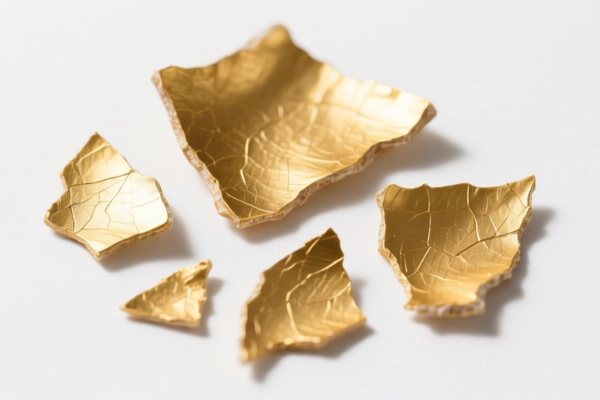
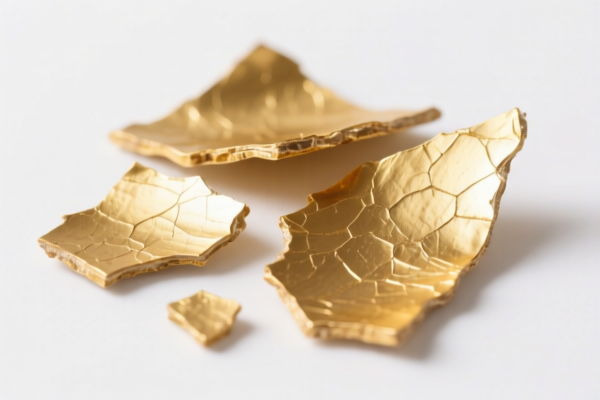
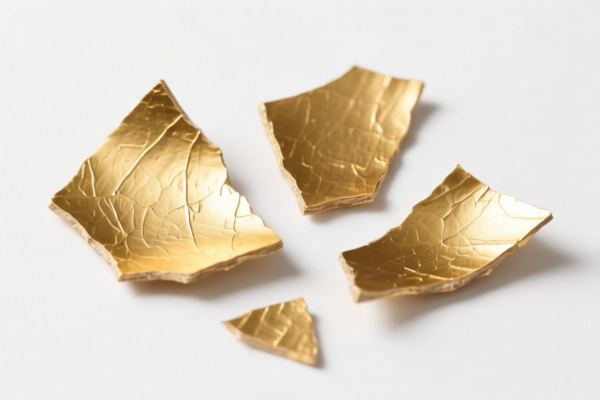
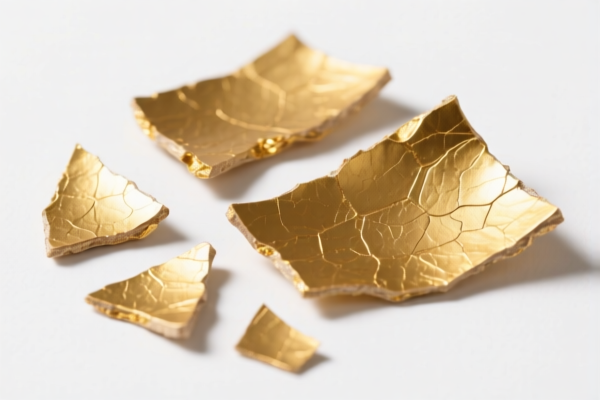
AI Analysis
🖼️ Goldbeater’s Skin Fragments (GBS) Base Material
🌐 HS Code Classification & Customs Clearance Guide | 2026 Latest Tariff Analysis | Strategic Entry Strategy for Metallized Biopolymer Substrates
📌 I. Product Definition: What is "Goldbeater's Skin"?
Goldbeater’s Skin (GBS) is the purified cecum membrane of ruminant animals (typically cattle). It is a natural, translucent, and highly flexible biopolymer material. In industrial applications, it is used as: 1. A substrate for metallic coating: To create high-quality gold leaf or silver leaf. 2. A biodegradable packaging material: Due to its excellent oxygen barrier properties. 3. A composite base: Often laminated with cellulose fibers or plastics.
⚠️ Key Classification Challenge:
The classification of GBS fragments depends heavily on its processing state and intended use: - Raw/Unprocessed: Classified as animal products or biological membranes. - Coated/Metallized (with Gold/Silver): Classified as paper-based, plastic-based, or composite materials depending on the dominant backing. - Mixed with Cellulose Fibers: Often classified under paper products if the fiber matrix is dominant.
📦 II. HS Code Classification Matrix (Based on Provided Data)
Based on the specific characteristics of "Goldbeater’s skin fragments base material" as described in the provided data, here are the five most relevant HS Codes. Note that GBS is often combined with cellulose fibers or metal foils, which drives the classification into Chapter 48 (Paper) or Chapter 39 (Plastics).
| HS Code | Product Description & Summary | Key Characteristic | Primary Tariff Risk |
|---|---|---|---|
| 4823.90.10.00 | Goldbeater’s skin fiber base material, matching characteristics of cellulose fiber nets and paper products. | Paper-like Structure: GBS integrated with or supported by a cellulose fiber matrix. | 🇺🇸 35% (0% Base + 25% Section 301 + 10% IEEPA) |
| 4823.90.86.80 | Goldbeater’s skin fiber base material, falling under cellulose fiber nets/manufactured paper goods. | Generic Paper Composite: A broader category for manufactured paper goods not specified elsewhere. | 🇺🇸 35% (0% Base + 25% Section 301 + 10% IEEPA) |
| 3921.90.11.00 | Goldbeater’s skin fiber base material, matching characteristics of metal-fiber composites. | Composite Material: GBS laminated with metal foils or fibers, treated as a plastic composite. | 🇺🇸 39.2% (4.2% Base + 25% Section 301 + 10% IEEPA) |
| 4810.13.11.40 | Goldbeater’s skin fiber base material, matching coated paper/board characteristics. | Coated Paper: GBS on a paper backing, possibly with a metallic or protective coating. | 🇺🇸 35% (0% Base + 25% Section 301 + 10% IEEPA) |
| 3921.90.19.10 | Goldbeater’s skin fiber base material, matching metal foil or textile-combined sheet characteristics. | Metallic Sheet: GBS combined with metal foil, classified as a plastic/metal sheet product. | 🇺🇸 40.3% (5.3% Base + 25% Section 301 + 10% IEEPA) |
🔍 Critical Insight:
The presence of metallic components (gold/silver) or plastic films significantly increases the base tariff rate and pushes the product into Chapter 39 (Plastics) or specific composite codes, rather than the lower-tariff Chapter 48 (Paper) codes.
💰 III. 2026 Tariff Rate Detailed Breakdown (China to US)
✅ Applicable Country: United States (US)
✅ Origin: China (CN)
✅ Effective Date: Post-November 2025 (Current Regulations)
🎯 1. Paper-Based Classifications (HS 4823, 4810)
Applies to: 4823.90.10.00, 4823.90.86.80, 4810.13.11.40
| Component | Rate | Legal Basis | Explanation |
|---|---|---|---|
| Most Favored Nation (MFN) Rate | 0.0% | HTSUS | Paper products generally have low or zero base duties. |
| Section 301 Tariff (China) | +25.0% | 19 U.S.C. § 1628 | Additional duty on Chinese-made paper and paper products. |
| IEEPA Section 122 Tariff | +10.0% | 50 U.S.C. § 1701 | Emergency tariffs on Chinese imports (effective Nov 2025). |
| Total Effective Duty | 35.0% | High Cost Alert |
📌 Why 0% Base?
Many paper products (4823,4810) are duty-free under MFN status. However, the Section 301 and IEEPA surcharges destroy this advantage, resulting in a 35% total duty.
🎯 2. Composite/Metal-Plastic Classifications (HS 3921)
Applies to: 3921.90.11.00, 3921.90.19.10
| Component | Rate (for 3921.90.11.00) | Rate (for 3921.90.19.10) | Legal Basis |
|---|---|---|---|
| Most Favored Nation (MFN) Rate | 4.2% | 5.3% | HTSUS |
| Section 301 Tariff (China) | +25.0% | +25.0% | 19 U.S.C. § 1628 |
| IEEPA Section 122 Tariff | +10.0% | +10.0% | 50 U.S.C. § 1701 |
| Total Effective Duty | 39.2% | 40.3% |
📌 Why Higher Base Rates?
When GBS is treated as a composite with metal or plastic film, it loses its "paper" status and falls under Chapter 39. The base duty (4.2% - 5.3%) adds to the total, making it more expensive than the pure paper classifications.
🛠️ IV. Customs Clearance Practical Advice
✅ 1. Documentation Requirements
| Document | Requirement | Reason |
|---|---|---|
| Material Safety Data Sheet (MSDS) | ✅ Required | GBS is a biological material; must confirm no health hazards. |
| Composition Breakdown | ✅ Critical | Must specify % of Cellulose vs. GBS vs. Metal/Plastic. This determines HS Code. |
| Processing Method Statement | ✅ Critical | Is it "coated," "laminated," or "fibrous"? Changes classification. |
| Commercial Invoice | ✅ Must Detail | Clearly state "Goldbeater's Skin Composite Base" or "Cellulose-Based Metallic Film." |
| Country of Origin Cert. | ✅ Required | To confirm China origin for Section 301/IEEPA application. |
✅ 2. Classification Strategy & Pitfalls
🔥 "The Fiber vs. Metal Battle"
| Scenario | Recommended HS Code | Risk if Misclassified |
|---|---|---|
| GBS backed by Paper/Celulose | 4823.90.10.00 or 4810.13.11.40 |
Lower base rate (0%). Best for cost optimization. |
| GBS laminated with Plastic Film | 3921.90.11.00 |
Higher base rate (4.2%). Avoid if possible unless structurally necessary. |
| GBS with Metal Foil | 3921.90.19.10 |
Highest base rate (5.3%). Only use if metal foil is the primary feature. |
| Raw GBS Membranes | Not in Data | Likely 0511.99 or 3006.99. Check separately! |
⚠️ Warning:
Do not declare as "Gold Leaf" (HS 7115) if it is a base material for manufacturing gold leaf. Customs will reject this and impose penalties for misclassification. Declare as "Base Material for Metallization" or "Cellulose Composite Sheet."
✅ 3. Special Customs Tips
- Avoid "Metal" Keywords: If possible, emphasize the cellulose fiber aspect in documentation to aim for Chapter 48 (0% base duty) rather than Chapter 39.
- Pre-Ruling Application: Apply for a US Customs Ruling before shipment. Provide a sample and technical diagram showing the layer structure.
- Section 301 Exclusions: Check if the specific HS Code currently has an exclusion (unlikely for these codes, but always verify).
- Biological Safety: Ensure GBS is treated/sterilized. Raw biological materials may face USDA/FDA scrutiny.
🌍 V. Global Market Comparison (2026)
| Region | Recommended HS Code | Total Duty (China Origin) | Key Requirement |
|---|---|---|---|
| 🇺🇸 USA | 4823.90.10.00 |
35% | Detailed composition breakdown |
| 🇪🇺 EU | 4823.90.90 |
~6.5% | CE marking, REACH compliance |
| 🇨🇳 China | 4823.90.90 |
5% | Import license (if biological) |
| 🇬🇧 UK | 4823.90.90 |
~6.5% | UKCA marking, post-Brexit rules |
📌 US Disadvantage:
The US imposes Section 301 and IEEPA tariffs, making China-origin GBS base materials significantly more expensive in the US market compared to Europe or domestic markets.
📌 VI. Common Errors & How to Avoid Them
❌ Error 1: Declaring as "Artistic Gold Leaf" (HS 7115)
👉 Consequence: Misclassification. Gold leaf is a finished precious metal product. GBS base material is an industrial input.
👉 Fix: Declare as "Composite Sheet for Metallization."
❌ Error 2: Ignoring the Cellulose Fiber component
👉 Consequence: If the product is mostly cellulose, customs may reclassify it as Paper (Chapter 48). If you declare it as Plastic (Chapter 39) to avoid biological checks, you pay higher base duty.
👉 Fix: Accurately report the weight % of each layer.
❌ Error 3: Failing to disclose Biological Origin
👉 Consequence: USDA seizure or FDA hold.
👉 Fix: Include sterilization certificates and MSDS.
✅ Best Practice Declaration:
"Goldbeater's Skin Composite Base Material, consisting of 60% Cellulose Fiber Net and 40% Metallized GBS Layer, for industrial packaging and foil manufacturing."
🎯 VII. Conclusion: Optimize Your Classification
🎯 Key Takeaway:
- Aim for Chapter 48 (
4823/4810): Lower base duty (0%) despite the 35% total tariff.- Avoid Chapter 39 (
3921): Higher base duty (4.2%-5.3%) leads to 39-40% total cost.- Document Everything: Composition, processing method, and biological safety are critical.
📌 Pro Tip:
If you can modify the product to remove the metal/plastic layer and use only cellulose-based GBS composites, you may qualify for the lower base duty codes. Consult a customs broker for a Pre-Ruling to lock in the 4823.90.10.00 classification.
✨ Smart Classification, Smarter Profits!
💼 Don't let tariff complexity cost you your margin!
Customer Reviews
About HS Code Classification
The Harmonized System (HS) is an internationally standardized nomenclature developed by the World Customs Organization (WCO) to classify traded products. Over 200 countries use the HS system as the basis for customs tariffs, trade statistics, and import/export regulations.
Each HS code follows a hierarchical structure:
- Chapter (2 digits) — Broad category of goods (e.g., Chapter 84: Machinery and Mechanical Appliances)
- Heading (4 digits) — More specific grouping within the chapter
- Subheading (6 digits) — Internationally standardized breakdown, used by all WCO member countries
- National subdivisions (8-10 digits) — Country-specific extensions for further classification, such as US HTSUS 10-digit codes
Correct HS code classification is essential for smooth customs clearance, accurate duty payment, and compliance with trade regulations. Misclassification can lead to customs delays, overpayment of duties, or penalties.
When importing from CN to US, the applicable tariff rates may include:
- Most-Favored-Nation (MFN) rate — The standard duty rate applied to WTO members
- General rate — Applied to countries without trade agreements
- Trade remedy duties — Additional tariffs such as Section 301 (anti-dumping), Section 232 (national security), or countervailing duties
The information provided on this page is for reference purposes only. For official classification, please consult with your local customs authority or a licensed customs broker.