Handmade Boy's Shirt
CN → US| HS Code | Tariff Rate | Origin | Destination | Doc |
|---|---|---|---|---|
| 6105202030 | 49.5% | CN | US | Official Doc |
| 6205201000 | 26.2% | CN | US | Official Doc |
| 6205202031 | 37.2% | CN | US | Official Doc |
| 6105100030 | 37.2% | CN | US | Official Doc |
| 6205202031 | 37.2% | CN | US | Official Doc |
Product Images
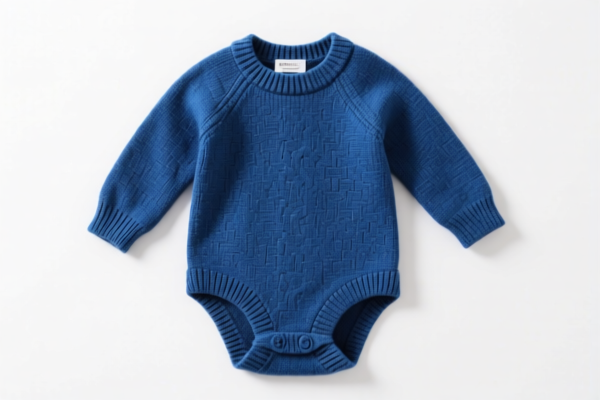


AI Analysis
👕 Handmade Boy's Shirt (Children's Apparel)
🌐 HS Code Reference & Customs Clearance Guide | 2026 Latest Tariff Analysis | Professional Clearance Strategy
📌 I. Product Definition & Classification: Understanding the "Handmade Boy's Shirt"
A "Handmade Boy's Shirt" in international trade is not a single uniform category. Its classification depends heavily on manufacturing technique (knitted vs. woven), material composition (cotton, synthetic, silk, etc.), and specific usage (casual vs. formal). In the provided dataset, five distinct HS Codes apply, ranging from a low of 26.2% to a high of 49.5% in total duties for US imports from China.
⚠️ Key Distinction Points:
- Knitted/Coil (Knitting/Guilloche): If the fabric is knitted or crocheted, it falls under Chapter 61. These often face higher tariffs (37.2% - 49.5%).
- Woven (Mechanical/Handmade Folk): If the fabric is woven and marketed as a "folk/craft product" or specific cotton blend, it may qualify for a lower base rate (26.2%).
- Formal vs. Casual: "Dress shirts" (formal) often have different base rates than general casual shirts.
📦 II. HS Code Classification Details (2026 Latest Tariff Authority Comparison)
| HS Code | Product Description | Material/Type | Total Tax Rate | Key Tax Components |
|---|---|---|---|---|
6105.20.20.30 |
Handmade Boy's Dress Shirt, Knitted/Crocheted, Boys, Fiber Material | Knitted/Crocheted (Non-specific Fiber) | 49.5% | Base: 32.0% + Section 301: 7.5% + Section 122: 10% |
6205.20.10.00 |
Handmade Boy's Dress Shirt, Woven Craft/Folk Product, Cotton/Linen/Silk | Woven (Folk/Craft Focus) | 26.2% | Base: 8.7% + Section 301: 7.5% + Section 122: 10% |
6205.20.20.31 |
Handmade Boy's Dress Shirt, Boys/Male, Dress Shirt, Cotton/Fiber | Woven (Dress Shirt) | 37.2% | Base: 19.7% + Section 301: 7.5% + Section 122: 10% |
6105.10.00.30 |
Handmade Boy's Dress Shirt, Knitted/Crocheted, Boys, Cotton | Knitted/Crocheted (Cotton Specific) | 37.2% | Base: 19.7% + Section 301: 7.5% + Section 122: 10% |
6205.20.20.31 |
Cotton Boys' Shirt, Cotton Material, Boys' Shirt Use/Form | Woven (Cotton General) | 37.2% | Base: 19.7% + Section 301: 7.5% + Section 122: 10% |
🔍 Critical Note:
- Chapter 61 items (Knitted/Crocheted) generally have higher base tariffs (19.7% or 32.0%).
- Chapter 62 items (Woven) have lower base tariffs (8.7% or 19.7%).
- Section 122 Tariff (10%) and Section 301 Tariff (7.5%) are additive on top of the base rate for all items listed, assuming origin is China.
💰 III. 2026 Latest Tariff Rate Breakdown (Including Additional Taxes)
✅ Applicable Market: United States (US)
✅ Origin: China (CN)
✅ Effective Time: Current regulations (Section 122 & 301 active)
🎯 1. 6105.20.20.30 — The Highest Tax Bracket (Knitted, Non-Specific Fiber)
| Item | Details |
|---|---|
| Base Tariff | 32.0% |
| Section 301 Tariff | +7.5% |
| Section 122 Tariff | +10.0% |
| Total Effective Rate | 49.5% |
| Calculation | CIF Value × 49.5% |
| De Minimis Exemption | ❌ Not Applicable (High-risk category) |
| Legal Basis | Base Rate + Section 301 (7.5%) + Section 122 (10%) |
📌 Explanation:
- This is the most expensive classification. It applies to knitted shirts made from fibers other than specific cotton exemptions or classified broadly as "fiber material."
- The 32% base rate is punitive for non-specific knitted goods.
- Cost Impact: Nearly half the value of the shirt goes to duties.
🎯 2. 6205.20.10.00 — The Lowest Tax Bracket (Woven Folk/Craft Product)
| Item | Details |
|---|---|
| Base Tariff | 8.7% |
| Section 301 Tariff | +7.5% |
| Section 122 Tariff | +10.0% |
| Total Effective Rate | 26.2% |
| Calculation | CIF Value × 26.2% |
| De Minimis Exemption | ❌ Not Applicable |
| Legal Basis | Base Rate + Section 301 (7.5%) + Section 122 (10%) |
📌 Explanation:
- This is the optimal classification for handmade shirts if they can be legitimately described as "folk products" or "handicrafts" (e.g., traditional embroidery, unique weaving techniques).
- The base rate of 8.7% is significantly lower than standard woven shirts.
- Strategy: Market as "Artisanal/Folk Craft" to qualify for this rate.
🎯 3. 6205.20.20.31 & 6105.10.00.30 — The Middle Ground (Standard Cotton/Dress)
| Item | Details |
|---|---|
| Base Tariff | 19.7% |
| Section 301 Tariff | +7.5% |
| Section 122 Tariff | +10.0% |
| Total Effective Rate | 37.2% |
| Calculation | CIF Value × 37.2% |
| De Minimis Exemption | ❌ Not Applicable |
| Legal Basis | Base Rate + Section 301 (7.5%) + Section 122 (10%) |
📌 Explanation:
-6205.20.20.31: Applies to woven cotton dress shirts or general boys' shirts.
-6105.10.00.30: Applies to knitted/crocheted shirts specifically made of cotton.
- Both share the same total rate (37.2%) but differ in manufacturing type (Woven vs. Knitted).
- Key: If it's cotton and knitted, use6105...; if it's cotton and woven, use6205....
🛠️ IV. Customs Clearance Practical Advice (Battle-Tested Pitfall Avoidance)
✅ 1. Preparation Checklist (Non-Negotiable)
| Document | Mandatory? | Description |
|---|---|---|
| ✅ Product Specification Sheet | ✔️ | Must detail: Knitted vs. Woven, Fiber Content (100% Cotton? Blend?), Age Group (Boys). |
| ✅ Craftsmanship Proof | ✔️ | Photos/videos of "handmade" process to support 6205.20.10.00 claim if using the folk/craft classification. |
| ✅ Commercial Invoice | ✔️ | Clearly state "Handmade Boys' Shirt" and specify "Woven" or "Knitted." |
| ✅ Material Composition Label | ✔️ | Must match the HS Code. If code says "Cotton," label must say "Cotton." |
| ✅ Origin Declaration | ✔️ | Confirm China origin to apply correct Section 301/122 rates. |
✅ 2. Classification Strategy (Critical Decision Matrix)
| Scenario | Recommended HS Code | Reasoning |
|---|---|---|
| Shirt is Knitted, Material Unknown/Broad | 6105.20.20.30 |
Highest risk (49.5%). Avoid unless no other option. |
| Shirt is Knitted, 100% Cotton | 6105.10.00.30 |
Better than #1, but still 37.2%. |
| Shirt is Woven, Traditional/Folk Style | 6205.20.10.00 |
Best Rate (26.2%). Must prove "folk/craft" nature. |
| Shirt is Woven, Standard Cotton Dress Shirt | 6205.20.20.31 |
Standard rate (37.2%). Safe for regular apparel. |
| Shirt is Woven, General Boys' Cotton Shirt | 6205.20.20.31 |
Same as above. "Cotton" is key for this code. |
🔥 Pro Tip:
- "Handmade" is not a standalone HS Code. You must define the construction (Knitted/Woven) and Material (Cotton/Fiber).
- If you market it as "Handmade Folk Product," ensure the design reflects traditional craftsmanship to justify the 8.7% base rate.
✅ 3. Special Case Handling
| Situation | Handling Advice |
|---|---|
| Mixed Materials | If the shirt is 50% Cotton, 50% Polyester, check the primary material rule. If cotton is not >50%, it may fall under "Fiber Material" (6105.20.20.30), leading to 49.5%. |
| "Dress Shirt" vs. "T-Shirt" | "Dress Shirt" implies woven, button-down, collar. "Knitted shirt" might be confused with T-shirt. Be precise: "Knitted Boy's Shirt" vs. "Woven Dress Shirt." |
| Section 122 Impact | The 10% Section 122 tariff is cumulative. It applies to all apparel from China currently. Do not assume it's waived. |
| Small Parcel (De Minimis) | ❌ Do NOT rely on $800 de minimis. High tariff rates and strict scrutiny on "handmade" claims from China often lead to seizures or forced formal entry. |
🌍 V. Global Market Comparison (2026 Context)
| Market | Recommended HS Code | Est. Total Duty | Notes |
|---|---|---|---|
| 🇺🇸 USA | 6205.20.10.00 |
26.2% (Best) | High additional tariffs (301+122) apply. |
| 🇺🇸 USA | 6105.20.20.30 |
49.5% (Worst) | Avoid if possible. |
| 🇨🇳 China | Varies | 5-15% | No Section 301/122. |
| 🇪🇺 EU | 6105/6205 | 12% | No Section 301/122. |
| 🇨🇦 Canada | Varies | 16-18% | No Section 301/122. |
📌 Conclusion:
- The US market is the most expensive due to the additive Section 301 (7.5%) and Section 122 (10%) tariffs.
- Maximize savings by qualifying for the "Folk/Craft" classification (6205.20.10.00) or ensuring accurate "Cotton" labeling for woven shirts.
📌 VI. Common Errors & Pitfalls (Lessons Learned)
❌ Error 1: Ignoring the Knitted vs. Woven distinction
👉 Result: Misclassification. If you say "Knitted" but it's woven, customs may penalize or reclassify to the higher 49.5% bracket.
❌ Error 2: Overstating "Handmade" without proof for the folk rate
👉 Result: Customs rejects the 8.7% base rate and reverts to the standard 19.7% base rate (6205.20.20.31), increasing tax by 11%.
❌ Error 3: Assuming "Cotton" means lower tax automatically
👉 Result: If the shirt is knitted cotton, it's still 37.2%. Only Woven cotton dress shirts (6205.20.20.31) benefit from the lower 19.7% base (vs. 32% for non-cotton knits).
✅ Correct Approach:
"100% Cotton, Woven, Handmade Embroidered Boys' Dress Shirt, Folk Craft Style" → Target
6205.20.10.00(26.2%)
🎯 VII. Conclusion: Strategic Classification for Profit
🎯 Remember the Hierarchy:
🔹 Folk/Craft Woven (
6205.20.10.00) → 26.2% (🏆 Best)
🔹 Cotton Woven/Knitted (6205.20.20.31/6105.10.00.30) → 37.2% (⚖️ Standard)
🔹 Knitted Non-Specific Fiber (6105.20.20.30) → 49.5% (⚠️ Avoid)
📌 Final Tip:
For US imports, every percentage point matters.
- Choosing the right HS Code can save you 13.3% (49.5% - 37.2%) or 23.3% (49.5% - 26.2%) on the CIF value.
- Always document the "Handmade" and "Material" aspects thoroughly to defend your classification during audits.
✨ Professional Clearance Starts with Accurate Classification!
💼 Maximize Margin, Minimize Duty, Ensure Compliance!
Customer Reviews
About HS Code Classification
The Harmonized System (HS) is an internationally standardized nomenclature developed by the World Customs Organization (WCO) to classify traded products. Over 200 countries use the HS system as the basis for customs tariffs, trade statistics, and import/export regulations.
Each HS code follows a hierarchical structure:
- Chapter (2 digits) — Broad category of goods (e.g., Chapter 84: Machinery and Mechanical Appliances)
- Heading (4 digits) — More specific grouping within the chapter
- Subheading (6 digits) — Internationally standardized breakdown, used by all WCO member countries
- National subdivisions (8-10 digits) — Country-specific extensions for further classification, such as US HTSUS 10-digit codes
Correct HS code classification is essential for smooth customs clearance, accurate duty payment, and compliance with trade regulations. Misclassification can lead to customs delays, overpayment of duties, or penalties.
When importing from CN to US, the applicable tariff rates may include:
- Most-Favored-Nation (MFN) rate — The standard duty rate applied to WTO members
- General rate — Applied to countries without trade agreements
- Trade remedy duties — Additional tariffs such as Section 301 (anti-dumping), Section 232 (national security), or countervailing duties
The information provided on this page is for reference purposes only. For official classification, please consult with your local customs authority or a licensed customs broker.