Knitted Women's Pants
CN → USProduct Images
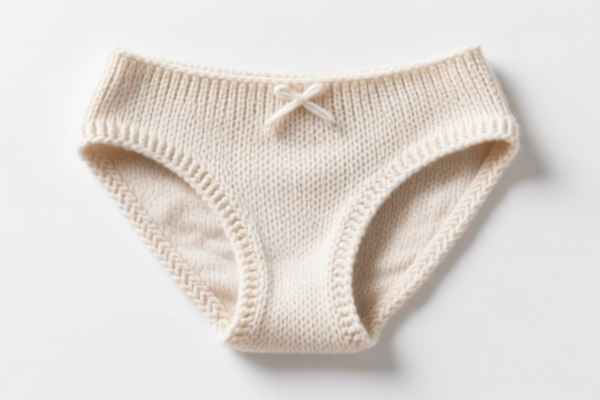
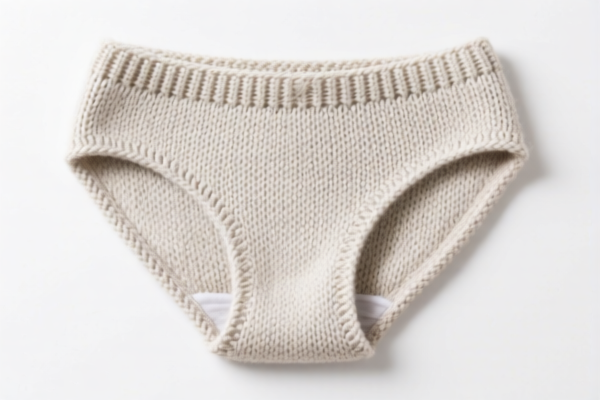
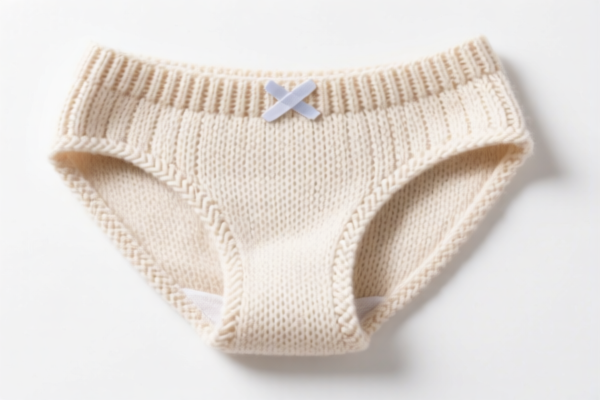
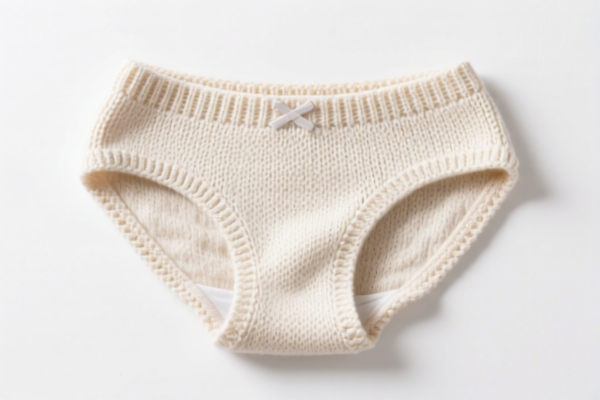
AI Analysis
👖 Knitted Women's Pants (Knit Trousers/Pants)
🌐 HS Code Reference & Customs Clearance Guide | 2026 Latest Tariff Analysis | Professional Clearance Strategy
📌 I. Product Definition & Classification: Do You Really Know "Knitted Women's Pants"?
Women's knit pants are a staple in global apparel trade, defined by their knitted or crocheted fabric and specific construction. In international trade, they are primarily classified based on fiber content (synthetic vs. natural) and whether they are "trousers" (full length) or "shorts" (above knee).
Key Distinctions: * Knitted vs. Woven: This is the most critical classification factor. If the fabric is knitted (stitch-based, stretchy), it falls under Chapter 61. If it is woven (warp/weft based), it falls under Chapter 62. This example specifically addresses Knitted items. * Pants vs. Shorts: "Pants" generally refer to garments covering the full leg. "Shorts" are cut above the knee. Customs authorities strictly define this boundary based on the inseam length or the product design specification. * Underwear vs. Outerwear: Knit briefs or boxers for women are classified as underwear (61.08). "Pants" are considered outerwear or leisurewear (61.04).
⚠️ Critical Classification Point:
- If the item is knitted + women's + outerwear pants → Chapter 61.04
- If the item is woven + women's + outerwear pants → Chapter 62.04
- If the item is knitted + women's + shorts → 61.04.63 / 61.04.64
📦 II. HS Code Classification Details (2026 Latest Tariff Authority Cross-Reference)
| HS Code | Product Description | Applicable Scenario | Fiber Content |
|---|---|---|---|
6104.63.10.00 |
Women's trousers and breeches, knitted/crocheted, of synthetic fibers (e.g., Polyester, Nylon) | Sportswear, yoga pants, synthetic knit trousers | ✅ Synthetic |
6104.63.30.00 |
Women's trousers and breeches, knitted/crocheted, of synthetic fibers (other, e.g., shorts) | Note: If classified as pants but synthetic, usually 6104.63.10. If shorts, see below. | ✅ Synthetic |
6104.64.10.00 |
Women's trousers and breeches, knitted/crocheted, of man-made fibers (Viscose/Rayon) | Rayon trousers, high-end knit drape pants | ✅ Man-made (Non-synthetic) |
6104.62.10.00 |
Women's trousers and breeches, knitted/crocheted, of cotton | Casual knit jeans, cotton lounge pants | ✅ Cotton |
6104.63.50.00 |
Women's trousers and breeches, knitted/crocheted, of synthetic fibers (Blends) | Blended fabric pants (e.g., Cotton/Poly blend >50% synthetic) | ⚖️ Blend |
🔍 Important Reminder:
- "Synthetic" (合成纤维) usually refers to Polyester (涤纶), Nylon (锦纶), Acrylic (腈纶).
- "Man-made" (人造纤维) usually refers to Viscose (粘胶), Rayon, Modal.
- "Cotton" (棉) refers to natural cotton fibers.
- The tariff rate varies significantly based on this fiber distinction. Misclassifying Polyester (Synthetic) as Rayon (Man-made) or Cotton can lead to severe penalties.
💰 III. 2026 Latest Tariff Rate Details (Including Additional Duties & Policy Add-ons)
✅ Applicable Country: United States (US)
✅ Country of Origin: China (CN)
✅ Effective Date: Post-November 2025 (Subject to 301 Section & IEEPA updates)
🎯 1. 6104.63.10.00 —— Women's Knit Trousers, of Synthetic Fibers
| Item | Content |
|---|---|
| Basic Tariff Rate | 16% (Standard MFN) |
| Section 301 Additional Tariff | +7.5% (Common for textile/apparel items from China) |
| IEEPA Additional Tariff | +10% (Targeting China/HK products, effective late 2025) |
| Total Tariff Rate | 33.5% |
| Tax Calculation | CIF Value × 33.5% |
| De Minimis Exemption | ❌ Not Eligible (Deny De Minimis for Textiles from China) |
| Legal Basis Path | HTSUS:6104.63.10.00 → Section 301: Footnote 5 → IEEPA:9903.01.24 |
📌 Explanation:
- Apparel items from China face dual additional tariffs.
- The base MFN rate for knit synthetics is generally high (16%).
- Total 33.5% is a significant cost factor. Many brands mitigate this by sourcing from Vietnam, Bangladesh, or Indonesia where MFN rates may be 0% and additional tariffs are lower or non-existent.
🎯 2. 6104.62.10.00 —— Women's Knit Trousers, of Cotton
| Item | Content |
|---|---|
| Basic Tariff Rate | 16% |
| Section 301 Additional Tariff | +7.5% |
| IEEPA Additional Tariff | +10% |
| Total Tariff Rate | 33.5% |
| Tax Calculation | CIF Value × 33.5% |
| De Minimis Exemption | ❌ Not Eligible |
📌 Note:
- Cotton knit pants face similar tariff structures as synthetic ones in the US context.
- However, if the cotton is US-grown or from beneficiary countries (e.g., under AGOA for Africa), rates may drop to 0%.
🛠️ IV. Customs Clearance Practical Advice (Combat Pitfalls Guide)
✅ 1. Required Documentation Checklist (All Mandatory)
| Document | Must Provide | Description |
|---|---|---|
| ✅ Fabric Composition Label | ✔️ | Must specify % of Cotton, Polyester, Viscose, etc. |
| ✅ Fit Description | ✔️ | "Pants" (full length) vs. "Shorts" (above knee). Include inseam length. |
| ✅ Knitting Method Proof | ✔️ | Lab test report confirming "Knitted" vs. "Woven" structure. |
| ✅ Commercial Invoice | ✔️ | Clear description: "Women's Knit Pants, Synthetic Fiber, Outerwear" |
| ✅ Packing List | ✔️ | Include sizes, quantities, and gross/net weights. |
| ✅ Country of Origin Label | ✔️ | Must be permanently attached to the garment. |
✅ 2. Declaration Skills (Key Mantra)
🔥 "Knit not Woven, Synth vs. Cotton, Length Defines Pants/Shorts, Label is King!"
| Scenario | Correct Declaration | Wrong Practice |
|---|---|---|
| Polyester Knit Pants | 6104.63.10.00 |
Misdeclare as Woven (6204.63) → Higher Duty + Fraud Risk |
| Cotton Knit Pants | 6104.62.10.00 |
Misdeclare as Synthetic → Incorrect Duty Rate |
| Knit Leggings | 6104.63.10.00 (if structured as pants) or 6104.63.50 |
Declare as "Underwear" → Classification Error |
| Mixed Bundle (Shirt + Pants) | Split Declaration | Declare as "Apparel Set" → Complex Classification & Higher Duty |
✅ 3. Special Case Handling
| Case | Handling Advice |
|---|---|
| "Yoga Pants" / "Leggings" | If they have a structured waistband and leg shape, they are Pants (6104). If they are loose and lack structure, they might be Tights (6104.19). Structure matters! |
| Embroidered/Decorated Pants | Embroidery does not change the HS Code, but it must be declared as part of the product description. Avoid declaring as "Knitting Accessories" (6114). |
| Smart Knit Pants (Wearable Tech) | If embedded with electronic components that change the essential character, it may shift to Chapter 85 (Electrical). Usually, simple conductive threads remain in 6104. |
| Origin Shopping | If the yarn is imported from China but knitting/cutting/assembly happens in Vietnam, you may claim Vietnam Origin for lower tariffs. Requires Proof of Transformation. |
🌍 V. Global Market Clearance Comparison (2026 Latest)
| Country/Region | Recommended HS Code | Tariff (China Origin) | Certification Requirements | Remarks |
|---|---|---|---|---|
| 🇺🇸 USA | 6104.63.10.00 (Syn) |
33.5% (16% + 7.5% + 10%) | None specific, but strict labeling | High tariffs due to trade war |
| 🇨🇳 China | 6104.63.10.00 |
9% (MFN) | None | No additional tariffs for export |
| 🇪🇺 EU | 6104.63.10 (HS8) |
12% | REACH (Chemical safety) | No IEEPA/Section 301 tariffs |
| 🇦🇺 Australia | 6104.63.10 |
5% - 15% (depends on FTA) | C-Tags (Textile labeling) | AChFTA may allow 0% if originating |
| 🇯🇵 Japan | 6104.63.10 |
16.7% - 19.9% | JIS Standards (if functional) | High basic duty, no political tariffs |
📌 Conclusion:
- The US market is the most expensive for Chinese-origin knit women's pants due to the "Triple Tariff" effect.
- EU and Australia are more cost-effective but have strict chemical (REACH) and labeling regulations.
- Origin Management is key. Sourcing assembly from ASEAN countries can bypass US tariffs.
📌 VI. Common Mistakes & Pitfalls Guide (Lessons Learned)
❌ Mistake 1: Confusing Knitted with Woven
👉 Consequence: Misclassification leads to detention, re-inspection, and potential fines. Woven (6204) and Knitted (6104) have different duty rates and regulatory paths.
❌ Mistake 2: Incorrect Fiber % Declaration
👉 Consequence: If you declare 100% Cotton but lab test shows 80% Polyester, it shifts from 6104.62 to 6104.63. While the duty might be similar, it indicates non-compliance and damages customs credibility.
❌ Mistake 3: Ignoring the "Shorts" vs. "Pants" Definition
👉 Consequence: Knit shorts (6104.63.50) may have different duty rates or regulatory scrutiny than full-length pants. Incorrect length reporting can cause delays.
❌ Mistake 4: Failing to Label "Country of Origin"
👉 Consequence: US Customs (CBP) strictly enforces labeling. Missing origin label = Refusal of Entry.
✅ Correct Practice:
"Women's Knit Polyester Spandex Trousers, Model XYZ, 95% Poly/5% Spandex, Made in China, FITTED WAIST, INSEAM 30IN"
🎯 VII. Conclusion: Precision in Classification Saves Money!
🎯 Remember the Mantra:
🔹 "Knit is 61, Woven is 62."
🔹 "Synth is 63, Cotton is 62, Man-made is 64."
🔹 "US Tariff is High, Origin Matters for Profit!"
📌 Pro Tip:
If your pants are made in China but shipped to the US, consider the 33.5% total duty impact.
Alternative strategies:
1. Transshipment via Vietnam/Mexico: Ensure substantial transformation (cutting & sewing) occurs there to claim new origin.
2. De Minimis Loophole (De Minimis): NOT AVAILABLE for Chinese textiles to the US under current rules (Section 321). Do not attempt to use $800 de minimis for large batches.
3. Pre-Ruling: Apply for an HTSUS Binding Ruling from CBP to confirm classification before shipping.
📣 Immediate Action:
📞 Audit your fabric composition tags!
📞 Verify inseam lengths against customs definitions!
📞 Consult a trade compliance expert for US entry strategies!
✨ Professional Clearance Starts with Accurate Classification!
💼 Every Percentage Point of Duty Saved is Pure Profit!
Customer Reviews
About HS Code Classification
The Harmonized System (HS) is an internationally standardized nomenclature developed by the World Customs Organization (WCO) to classify traded products. Over 200 countries use the HS system as the basis for customs tariffs, trade statistics, and import/export regulations.
Each HS code follows a hierarchical structure:
- Chapter (2 digits) — Broad category of goods (e.g., Chapter 84: Machinery and Mechanical Appliances)
- Heading (4 digits) — More specific grouping within the chapter
- Subheading (6 digits) — Internationally standardized breakdown, used by all WCO member countries
- National subdivisions (8-10 digits) — Country-specific extensions for further classification, such as US HTSUS 10-digit codes
Correct HS code classification is essential for smooth customs clearance, accurate duty payment, and compliance with trade regulations. Misclassification can lead to customs delays, overpayment of duties, or penalties.
When importing from CN to US, the applicable tariff rates may include:
- Most-Favored-Nation (MFN) rate — The standard duty rate applied to WTO members
- General rate — Applied to countries without trade agreements
- Trade remedy duties — Additional tariffs such as Section 301 (anti-dumping), Section 232 (national security), or countervailing duties
The information provided on this page is for reference purposes only. For official classification, please consult with your local customs authority or a licensed customs broker.