Men's Business Warm Leather Gloves
CN → US| HS Code | Tariff Rate | Origin | Destination | Doc |
|---|---|---|---|---|
| 6216009000 | 21.3% | CN | US | Official Doc |
| 4203290500 | 47.6% | CN | US | Official Doc |
| 4203293020 | 49.0% | CN | US | Official Doc |
Product Images
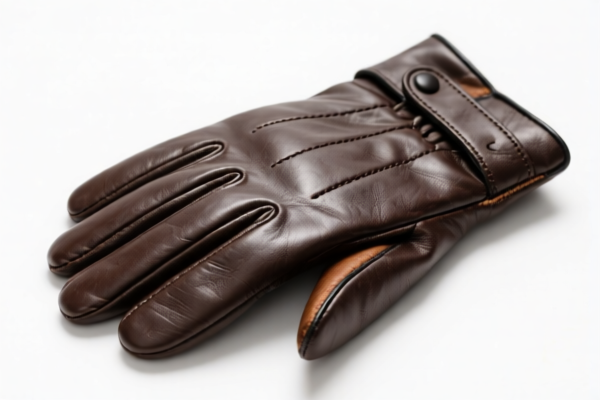
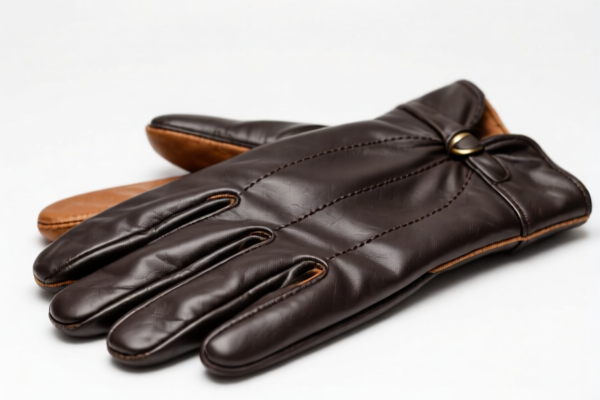
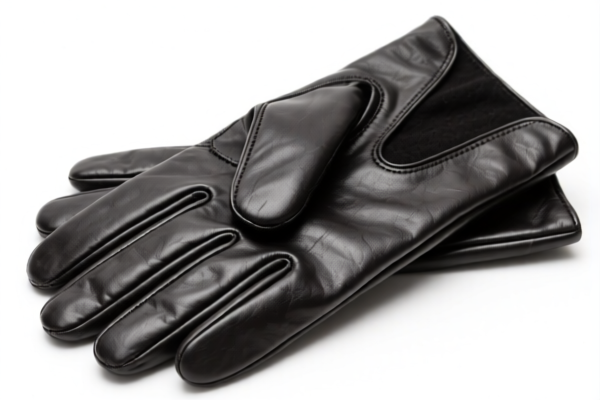
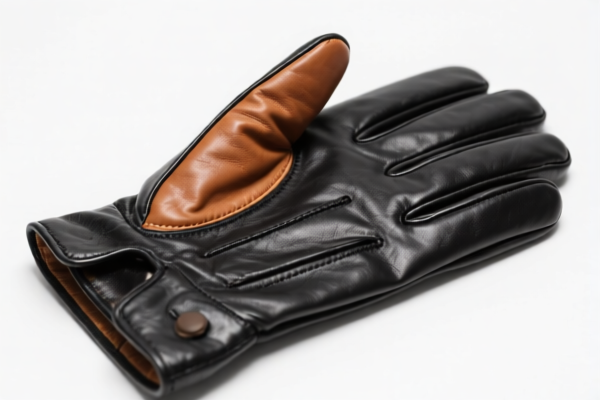
AI Analysis
🧤 Men's Business Warm Leather Gloves (Gloves with Lining)
🌐 HS Code Reference & Customs Clearance Guide | 2026 Latest Tariff Analysis | Professional Level Strategy
📌 I. Product Definition & Classification: What Exactly Are "Business Leather Gloves"?
Men's business warm leather gloves are accessories designed for professional and formal occasions, combining authentic leather (typically cowhide or horsehide) with an internal lining for thermal insulation and comfort. In international trade, the presence of the lining is the critical differentiator that separates these gloves from unlined fashion gloves, placing them firmly under specific heading chapters based on material and construction.
Key Distinction: * Lined Gloves (Warm/Functional): Contain a secondary inner layer (fleece, wool, synthetic). Classified under Heading 4203 (Articles of Leather or Composition Leather). * Unlined Gloves (Fashion/Thin): No internal thermal layer. Often classified under Heading 6216 (Knitted or Crocheted Gloves) or other textile-based categories if the primary characteristic is not leather construction per se, though pure leather unlined can sometimes fall under 4203 depending on specific national interpretations. Note: The provided data suggests a fallback classification under 6216 for certain interpretations, likely treating them as "other" gloves where leather is a component but not the defining structural element in the specific customs view.
⚠️ Critical Classification Point:
- If the glove is explicitly "lined" (wadding or other support material) and made of leather → It is an Article of Leather → HS 4203.
- If classified as a "fallback" or "other" glove (where leather properties are secondary or deemed insufficient for 4203 specificity in some jurisdictions) → HS 6216.
📦 II. HS Code Classification Details (2026 Latest Tariff Authority Comparison)
The provided data presents three distinct HS Codes for Men's Lined Leather Gloves. Below is the authoritative breakdown:
| HS Code | Product Description | Classification Logic | Key Feature |
|---|---|---|---|
6216.00.90.00 |
Men's Leather Gloves (Lined), Classified as "Other" | Fallback/Subsidiary Category: Treated as "Other gloves" where leather is not the sole defining characteristic for Heading 4203, or interpreted under textile/glove general provisions. | Lined, Leather material, General "Other" status. |
4203.29.05.00 |
Men's Leather Gloves (Lined), Cow/Horse Leather | Specific Leather Category: Identified by material inference (Cow/Horse hide). Classified under "Other gloves of leather" with specific national sub-codes. | Lined, Material: Cow/Horse Leather, Specific sub-code. |
4203.29.30.20 |
Men's Leather Gloves (Lined), General Leather | Precise Leather Category: Matches the definition of "Gloves, Mittens, and Mitts" of leather, specifically noting the "Lined" characteristic as the key matching feature. | Lined, Material: Leather, Precise match to "Lined" requirement. |
🔍 Focus Reminder:
- HS 4203 is the standard for leather articles. The presence of lining makes them "gloves of leather" rather than bare leather pieces. - HS 6216 is used here as a subsidiary/fallback option, likely due to specific customs interpretations that classify certain "leather-lined" or "leather-component" gloves outside the strict 4203 definition, or as a "catch-all" for gloves not specified elsewhere. - Tax Variance: The tax rates differ significantly between these codes (21.3% vs 47.6% vs 49.0%), making accurate classification crucial.
💰 III. 2026 Latest Tariff Rate Breakdown (Including Surcharges & Policy Add-ons)
✅ Applicable Country: United States (US)
✅ Country of Origin: China (CN)
✅ Effective Date: From 2025-11-10 onwards (including subsequent imports)
🎯 1. 6216.00.90.00 —— Gloves, Other (Fallback/General)
| Item | Content |
|---|---|
| Base Tariff | 3.8% (Ad Valorem) |
| Section 301 Surcharge | +7.5% (USITC Footnote/Section 301) |
| Section 122 Tariff | +10% (Specific Section 122 Provision) |
| Total Tariff Rate | 21.3% |
| Tax Calculation | CIF Value × 21.3% |
| De Minimis Exemption | ❌ Not Applicable (High risk of audit) |
| Legal Path | Section 122 → Section 301 → 6216.00.90.00 |
📌 Explanation:
- This is the lowest tax bracket among the three options. - The "Section 122" tariff is a specific punitive measure targeting certain Chinese imports. - While it offers lower taxes, classification under 6216 for leather gloves is risky and may be challenged if customs determines the product fits 4203 better.
🎯 2. 4203.29.05.00 —— Gloves of Leather (Cow/Horse Inference)
| Item | Content |
|---|---|
| Base Tariff | 12.6% (Ad Valorem) |
| Section 301 Surcharge | +25.0% (USITC Footnote 9903.88.01 / Section 301 List 3/4) |
| Section 122 Tariff | +10% |
| Total Tariff Rate | 47.6% |
| Tax Calculation | CIF Value × 47.6% |
| De Minimis Exemption | ❌ Not Applicable |
| Legal Path | Section 122 → Section 301 → 4203.29.05.00 |
📌 Explanation:
- Higher base tariff due to precise identification as Leather. - The 25% Section 301 surcharge is standard for many Chinese leather goods. - Classification depends on proving the material is Cow or Horse leather.
🎯 3. 4203.29.30.20 —— Gloves of Leather (General Lined)
| Item | Content |
|---|---|
| Base Tariff | 14.0% (Ad Valorem) |
| Section 301 Surcharge | +25.0% |
| Section 122 Tariff | +10% |
| Total Tariff Rate | 49.0% |
| Tax Calculation | CIF Value × 49.0% |
| De Minimis Exemption | ❌ Not Applicable |
| Legal Path | Section 122 → Section 301 → 4203.29.30.20 |
📌 Explanation:
- This is the highest tax bracket. - It reflects the most specific classification for Lined Leather Gloves without distinguishing the specific animal hide (Cow/Horse), leading to a slightly higher base rate (14.0% vs 12.6%). - Use this only if the specific hide type cannot be determined or documented.
🛠️ IV. Customs Clearance Practical Advice (Real-World Pitfall Guide)
✅ 1. Required Documentation Checklist (Non-negotiable)
| Document | Mandatory? | Description |
|---|---|---|
| ✅ Product Specification Sheet | ✔️ | Must detail: Material (e.g., 100% Cowhide), Lining Material (e.g., Polyester Fleece), Closure Type. |
| ✅ Product Photos (Clear) | ✔️ | Show interior lining, leather texture, and any labels. |
| ✅ Commercial Invoice | ✔️ | Must state: "Men's Leather Gloves, Lined, Country of Origin: China". |
| ✅ Packing List | ✔️ | Item count, net/gross weight. |
| ✅ Material Composition Certificate | ✔️ | Critical for distinguishing between 4203 (Leather) and 6216 (Other). |
| ✅ Pre-Ruling Letter | ✔️ | Highly recommended to fix the HS Code before shipment. |
✅ 2. Declaration Strategy (Key Mantra)
🔥 "Leather + Lining = 4203? Or 6216? Declare Clearly, Tax Varies!"
| Scenario | Correct Declaration | Incorrect Declaration | Consequence |
|---|---|---|---|
| Confirmed Cowhide + Lined | 4203.29.05.00 |
6216.00.90.00 |
Underpayment Tax: Customs may audit, assess 47.6% instead of 21.3%, plus penalties. |
| Generic Leather + Lined | 4203.29.30.20 |
6216.00.90.00 |
Underpayment Tax: 49.0% vs 21.3%. High financial risk. |
| Unlined or Non-Leather | 6216.00.90.00 (if applicable) |
4203.xxxxxx |
Overpayment Tax: You paid higher tax unnecessarily (though less common penalty risk). |
| "Fashion Gloves" Mislabeling | Accurate Material Description | "Fashion Accessory" | Delays/Seizure: Customs will reject vague terms. |
✅ 3. Special Case Handling
| Situation | Advice |
|---|---|
| Mixed Material Gloves | If lining is significant, still likely 4203. If leather is just a patch, might be 6216. Get a pre-ruling. |
| Chinese Origin | Assume high tariffs. Plan for 21.3% - 49.0% total duty. Do not assume de minimis ($800) applies if goods are flagged; always check current enforcement. |
| Brand Name | Include brand name in invoice to avoid "generic" classification disputes. |
| Packaging | If gloves are shipped in retail boxes, ensure the invoice description matches the box label. |
🌍 V. Global Market Comparison (2026 Latest)
| Country/Region | Recommended HS Code | Estimated Duty (China Origin) | Certification | Notes |
|---|---|---|---|---|
| 🇺🇸 USA | 4203.29.30.20 |
49.0% | None usually | Highest Risk: Section 301 + Section 122. |
| 🇺🇸 USA | 6216.00.90.00 |
21.3% | None usually | Lower Rate but Risky: May be reclassified by CBP. |
| 🇪🇺 EU | 4203.29.90 |
~12% + VAT | CE (if safety gear) | No Section 301. Lower base duty. |
| 🇨🇳 China | 4203.29.90 |
~10% | N/A | Domestic trade rules apply. |
| 🇬🇧 UK | 4203.29.90 |
~12% | UKCA | Post-Brexit standards. |
📌 Conclusion:
- USA is the most challenging market due to dual surcharges (301 + 122).
- Cost Optimization: If your product truly fits the "Other" category under 6216, the 21.3% rate is significantly cheaper than 49.0%. However, misclassification can lead to severe penalties.
- Recommendation: If the leather is the primary material, expect to pay the higher 4203 rates. If it's a minor component, argue for 6216 with strong evidence.
📌 VI. Common Errors & Pitfalls (Lessons Learned)
❌ Error 1: Declaring "Leather Gloves" as 6216.00.90.00 to save tax, when customs proves they are primarily leather.
👉 Result: Back taxes + 25% penalty + Interest. Total cost exceeds the original 49.0% tariff.
❌ Error 2: Ignoring the "Section 122" tariff.
👉 Result: Under-declaration of duty. Section 122 is a new/additional surcharge on top of 301.
❌ Error 3: Vague Description: "Gloves".
👉 Result: Customs holds shipment for inspection. Delays of 2-4 weeks.
❌ Error 4: Assuming De Minimis ($800) applies automatically.
👉 Result: For Section 122 and 301 goods, the US CBP often excludes or scrutinizes de minimis entries. Always declare properly.
✅ Correct Practice:
"Men's Business Leather Gloves, Cowhide, Lined with Polyester, Color Black, Brand XYZ, Made in China."
🎯 VII. Conclusion: Professional Declaration, Cost Savings, Risk Reduction!
🎯 Remember the Mantra:
🔹 "Leather Lined = 4203 (High Tax). Other/General = 6216 (Lower Tax). Prove Your Material!"
🔹 "Section 301 + 122 = Double Whammy. Plan for ~21-49% Duty!"
🔹 "HS Code Determines Profit Margin. One digit difference = $20+ per pair tax!"
📌 Pro Tip:
If your gloves are lined with non-leather materials and the leather is merely a trim, consult a customs broker to see if
6216.00.90.00is defensible.
For full leather construction, budget for the 49.0% rate to avoid surprise costs.
Request an Advance Ruling (Pre-Ruling) from US CBP to lock in your HS Code legally.
📣 Immediate Action:
📞 Engage a Licensed Customs Broker + Provide Material Swatches + Apply for HS Code Pre-Ruling
🚀 Ensure Smooth Clearance, Predictable Costs, and Healthy Margins!
✨ Professional Clearance Starts with Accurate Classification!
💼 Every Percent of Duty Matters in the Business of Gloves!
Customer Reviews
About HS Code Classification
The Harmonized System (HS) is an internationally standardized nomenclature developed by the World Customs Organization (WCO) to classify traded products. Over 200 countries use the HS system as the basis for customs tariffs, trade statistics, and import/export regulations.
Each HS code follows a hierarchical structure:
- Chapter (2 digits) — Broad category of goods (e.g., Chapter 84: Machinery and Mechanical Appliances)
- Heading (4 digits) — More specific grouping within the chapter
- Subheading (6 digits) — Internationally standardized breakdown, used by all WCO member countries
- National subdivisions (8-10 digits) — Country-specific extensions for further classification, such as US HTSUS 10-digit codes
Correct HS code classification is essential for smooth customs clearance, accurate duty payment, and compliance with trade regulations. Misclassification can lead to customs delays, overpayment of duties, or penalties.
When importing from CN to US, the applicable tariff rates may include:
- Most-Favored-Nation (MFN) rate — The standard duty rate applied to WTO members
- General rate — Applied to countries without trade agreements
- Trade remedy duties — Additional tariffs such as Section 301 (anti-dumping), Section 232 (national security), or countervailing duties
The information provided on this page is for reference purposes only. For official classification, please consult with your local customs authority or a licensed customs broker.