Men's Casual Animal Fleece Pajamas
CN → US| HS Code | Tariff Rate | Origin | Destination | Doc |
|---|---|---|---|---|
| 6207994000 | 23.6% | CN | US | Official Doc |
| 6207299010 | 24.6% | CN | US | Official Doc |
| 6107992000 | 23.6% | CN | US | Official Doc |
| 6107292000 | 26.0% | CN | US | Official Doc |
Product Images
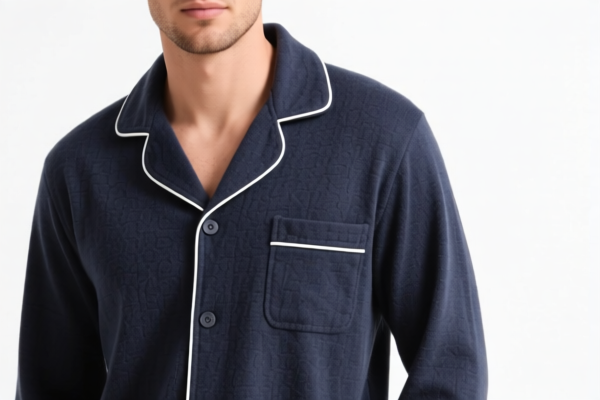


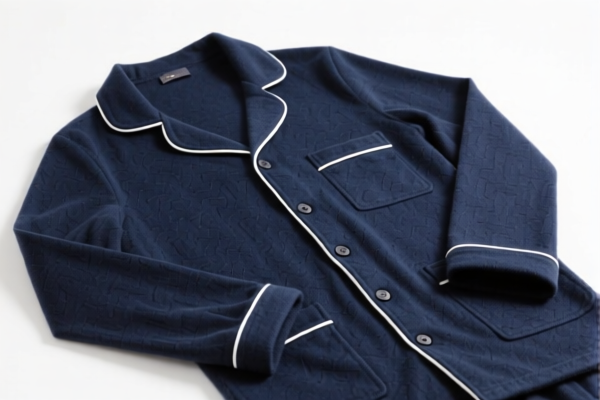
AI Analysis
🛌 Men's Casual Animal Fleece Pajamas (Men's Animal Hair Sleepwear Sets)
🌐 HS Code Reference & Customs Clearance Guide | 2026 Latest Tariff Analysis | Professional Clearance Strategy
📌 I. Product Definition & Classification: What Exactly Are "Men's Animal Fleece Pajamas"?
Men's Casual Animal Fleece Pajamas are sleepwear sets designed for male wearers, primarily characterized by their material composition and form. In international trade, the classification hinges on two critical factors:
1. Fabric Construction: Whether the fabric is Woven (62xx) or Knitted (61xx).
2. Material Composition: Specifically, whether the material is classified as "Wool or Fine Animal Hair" (e.g., sheep’s wool, cashmere, mohair) rather than synthetic fleece or cotton.
⚠️ Key Distinction:
- If the pajamas are Woven (traditional tailoring, non-stretchy structure) → Chapter 62
- If the pajamas are Knitted or Crocheted (stretchy, jersey-like structure) → Chapter 61
- Material Note: The term "Animal Fleece" in the prompt implies natural animal hair fibers. If it is synthetic "fleece" (polyester), it would fall under different codes (e.g., 6107.29 or 6207.29 with different material notes). For this guide, we assume "Animal Hair" = Wool/Fine Animal Hair as per the provided DATA.
📦 II. HS Code Classification Details (Based on Provided DATA)
The following four HS Codes are derived directly from the provided dataset. Each code corresponds to a specific combination of Form (Woven/Knitted) and Material Detail.
| HS Code | Product Description | Form Type | Material Key |
|---|---|---|---|
6207.99.40.00 |
Men's Animal Hair Pajama Set | Woven Textile | Wool or Fine Animal Hair |
6207.29.90.10 |
Men's Animal Hair Pajama Set | Woven Textile | Explicitly Contains Animal Hair |
6107.99.20.00 |
Men's Animal Hair Pajama Set | Knitted Textile | Animal Hair (Wool/Fine) |
6107.29.20.00 |
Men's Animal Hair Pajama Set | Knitted Textile | Animal Hair |
🔍 Detailed Breakdown:
-6207.99.40.00: Woven sleepwear, classified under "Other men's sleepwear," specifically tailored for wool/fine animal hair.
-6207.29.90.10: Woven sleepwear, where the animal hair content is explicitly declared and consistent with wool classifications.
-6107.99.20.00: Knitted sleepwear, "Other" category, suitable for animal hair fabrics.
-6107.29.20.00: Knitted sleepwear, specifically for men, aligning perfectly with animal hair material requirements.
💰 III. 2026 Tariff Rate Breakdown (Including Additional Duties)
✅ Context: These rates reflect the Total Tax burden, including Basic Tariff, Section 301 Additional Tariff (7.5%), and Section 122 Tariff (10%).
✅ Origin: Likely China (CN) to US (US), given the specific "122 Section" and "301 Section" references common in US-China trade data.
🎯 1. 6207.99.40.00 —— Woven, Wool/Fine Animal Hair
| Item | Detail |
|---|---|
| Total Tax Rate | 23.6% |
| Basic Tariff | 6.1% |
| Additional Tariff (301) | 7.5% |
| Section 122 Tariff | 10.0% |
| Tax Detail Formula | 6.1% + 7.5% + 10% = 23.6% |
| Legal Basis Path | Basic: 6.1% → 301 Footnote: 7.5% → Sec 122: 10% |
📌 Explanation:
- This is the most cost-effective Woven option among the provided codes.
- The "Section 122" tariff (often related to recent geopolitical trade adjustments) adds a flat 10%, while Section 301 adds 7.5%.
🎯 2. 6207.29.90.10 —— Woven, Explicitly Contains Animal Hair
| Item | Detail |
|---|---|
| Total Tax Rate | 24.6% |
| Basic Tariff | 7.1% |
| Additional Tariff (301) | 7.5% |
| Section 122 Tariff | 10.0% |
| Tax Detail Formula | 7.1% + 7.5% + 10% = 24.6% |
| Legal Basis Path | Basic: 7.1% → 301 Footnote: 7.5% → Sec 122: 10% |
📌 Note:
- Slightly higher basic tariff (7.1% vs 6.1%) compared to6207.99.40.00.
- Use this code if the product description must explicitly state "contains animal hair" for compliance reasons.
🎯 3. 6107.99.20.00 —— Knitted, Animal Hair (Wool/Fine)
| Item | Detail |
|---|---|
| Total Tax Rate | 23.6% |
| Basic Tariff | 13.6% |
| Additional Tariff (301) | 0.0% |
| Section 122 Tariff | 10.0% |
| Tax Detail Formula | 13.6% + 0% + 10% = 23.6% |
| Legal Basis Path | Basic: 13.6% → 301 Footnote: 0% → Sec 122: 10% |
📌 Critical Insight:
- Higher Basic Tariff (13.6%) but No Section 301 Tariff (0%)!
- This is a strategic advantage if Section 301 exclusions or exemptions apply to knitted goods, or if the "Section 122" is the primary burden.
- Total remains 23.6%, same as the first woven option, but the tax structure is different.
🎯 4. 6107.29.20.00 —— Knitted, Men's Animal Hair
| Item | Detail |
|---|---|
| Total Tax Rate | 26.0% |
| Basic Tariff | 8.5% |
| Additional Tariff (301) | 7.5% |
| Section 122 Tariff | 10.0% |
| Tax Detail Formula | 8.5% + 7.5% + 10% = 26.0% |
| Legal Basis Path | Basic: 8.5% → 301 Footnote: 7.5% → Sec 122: 10% |
📌 Note:
- This is the highest tax rate in the dataset (26.0%).
- Use only if this specific knitted subheading is mandated by product construction (e.g., specific knit type not covered by 6107.99).
🛠️ IV. Customs Clearance Practical Advice (Pitfall Avoidance Guide)
✅ 1. Preparation Checklist (Non-Negotiable)
| Document | Mandatory? | Explanation |
|---|---|---|
| ✅ Product Specification Sheet | ✔️ | Must specify: "Men's Sleepwear," "Set" (Top + Bottom), Material: "100% Wool" or "Mixture of Fine Animal Hair." |
| ✅ Fabric Composition Certificate | ✔️ | Crucial: Must confirm the percentage of "Fine Animal Hair" vs. synthetic fibers. If >50% animal hair, it may qualify for different basic rates. |
| ✅ Product Photos (Front/Back/Label) | ✔️ | Must show the seam type (woven vs. knitted) and any care labels indicating material. |
| ✅ Commercial Invoice | ✔️ | Declare as "Men's Woven/Knitted Sleepwear Set, Animal Hair." Do not use vague terms like "Fleece" if it is natural wool. |
| ✅ Packing List | ✔️ | List items as "Set" (e.g., 1 Jacket, 1 Pant) to avoid per-piece duty issues. |
✅ 2. Declaration Strategy (Key Tips)
🔥 "Determine Structure First: Woven or Knitted? Then Check Hair Content."
| Scenario | Recommended HS Code | Reason |
|---|---|---|
| Traditional Tailored Pajamas (Non-stretch, woven fabric) | 6207.99.40.00 or 6207.29.90.10 |
Woven goods fall under Ch. 62. |
| Stretchy/Jersey Pajamas (Knitted fabric) | 6107.99.20.00 or 6107.29.20.00 |
Knitted goods fall under Ch. 61. |
| Ambiguous Material (Is it Wool or Polyester?) | Request Lab Test | Misclassifying wool as polyester can lead to fraud penalties. |
✅ 3. Special Considerations
| Issue | Handling Advice |
|---|---|
| "Fleece" Terminology | Avoid using "Fleece" if the material is natural wool. "Fleece" often implies synthetic polyester. Use "Wool Sleepwear" or "Animal Hair Textile" to ensure accurate classification under Ch. 51/61/62. |
| Section 122 Tariff | This 10% tariff is significant. Ensure the product origin is declared correctly. If the product is assembled in a third country (e.g., Vietnam) with substantial transformation, you may avoid this. |
| Knitted vs. Woven Confusion | Customs officers will check the weave structure. If you declare "Woven" but the fabric is "Knitted," expect delays and potential re-classification to the higher/basically different code. |
🌍 V. Global Market Comparison (2026)
| Region | Recommended HS Code | Est. Total Duty (US Origin) | Notes |
|---|---|---|---|
| 🇺🇸 USA | See above (6207/6107) | 23.6% - 26.0% | Includes 301 & 122 tariffs. High burden. |
| 🇨🇳 China | 6207.11/6107.11 | ~5% - 8% | Lower basic tariffs. No 301/122. |
| 🇪🇺 EU | 6207.11/6107.11 | ~12% | No additional Section 122/301. |
| 🇬🇧 UK | 6207.11/6107.11 | ~12% | Post-Brexit tariffs apply. |
📌 Conclusion:
- The US market imposes the highest burden due to Section 301 and Section 122.
- Knitted goods (6107) may offer a strategic advantage if you can qualify for 0% Section 301 (as seen in6107.99.20.00), keeping the total at 23.6% despite a higher basic rate.
📌 VI. Common Mistakes & Pitfalls (Lessons Learned)
❌ Mistake 1: Declaring "Animal Fleece" as "Synthetic Fleece" (Polyester)
👉 Consequence: Wrong HS Code (e.g., 6107.29 for synthetic). If audited, penalties + back taxes for misdeclaration.
✅ Fix: Always specify "Wool" or "Fine Animal Hair" if that is the primary material.
❌ Mistake 2: Mixing Woven and Knitted Items in One Shipment
👉 Consequence: Customs may require separate entries or reject the mixed declaration.
✅ Fix: Separate shipments by fabric construction (Woven vs. Knitted).
❌ Mistake 3: Ignoring Section 122 Tariff
👉 Consequence: Unexpected 10% cost increase at customs.
✅ Fix: Factor the 10% into your Landed Cost Calculation from day one.
🎯 VII. Conclusion: Smart Classification, Smart Savings
🎯 Remember This Rule:
🔹 "Structure First: Woven = 62, Knitted = 61."
🔹 "Tax Tip: Knitted (6107.99.20.00) may save 7.5% vs. Woven (6207.29) if 301 doesn't apply, but check basic rates!"
🔹 "Declare 'Animal Hair' clearly. Don't say 'Fleece' unless it's synthetic."
📌 Pro Tip:
If your pajamas are knitted and you want to minimize tariff complexity, consider 6107.99.20.00 (23.6% total, but 0% Section 301). This structure might be more stable against future Section 301 fluctuations.
📣 Action Plan:
📞 Step 1: Confirm fabric type (Woven vs. Knitted) with your supplier.
📞 Step 2: Get a material composition certificate (Wool %).
📞 Step 3: Apply for an Advance Ruling if the shipment value is high, to lock in the HS Code and tax rate.
🚀 Result: Smooth clearance, predictable costs, and happy customers!
✨ Professional Classification Starts with Precision!
💼 Every Percent of Duty Counts in Your Profit Margin!
Customer Reviews
About HS Code Classification
The Harmonized System (HS) is an internationally standardized nomenclature developed by the World Customs Organization (WCO) to classify traded products. Over 200 countries use the HS system as the basis for customs tariffs, trade statistics, and import/export regulations.
Each HS code follows a hierarchical structure:
- Chapter (2 digits) — Broad category of goods (e.g., Chapter 84: Machinery and Mechanical Appliances)
- Heading (4 digits) — More specific grouping within the chapter
- Subheading (6 digits) — Internationally standardized breakdown, used by all WCO member countries
- National subdivisions (8-10 digits) — Country-specific extensions for further classification, such as US HTSUS 10-digit codes
Correct HS code classification is essential for smooth customs clearance, accurate duty payment, and compliance with trade regulations. Misclassification can lead to customs delays, overpayment of duties, or penalties.
When importing from CN to US, the applicable tariff rates may include:
- Most-Favored-Nation (MFN) rate — The standard duty rate applied to WTO members
- General rate — Applied to countries without trade agreements
- Trade remedy duties — Additional tariffs such as Section 301 (anti-dumping), Section 232 (national security), or countervailing duties
The information provided on this page is for reference purposes only. For official classification, please consult with your local customs authority or a licensed customs broker.