Men's Genuine Leather Pants
CN → US| HS Code | Tariff Rate | Origin | Destination | Doc |
|---|---|---|---|---|
| 6211329040 | 25.6% | CN | US | Official Doc |
| 6203439011 | 45.4% | CN | US | Official Doc |
| 6203424511 | 34.1% | CN | US | Official Doc |
| 6103431520 | 45.7% | CN | US | Official Doc |
| 6211335030 | 33.5% | CN | US | Official Doc |
Product Images
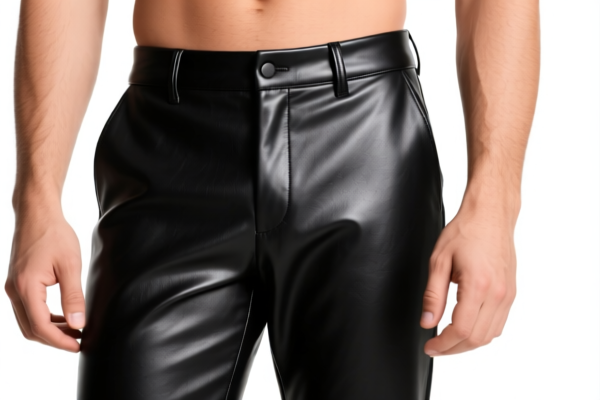
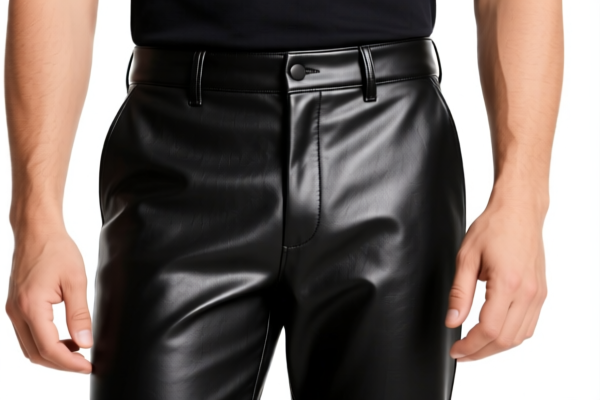
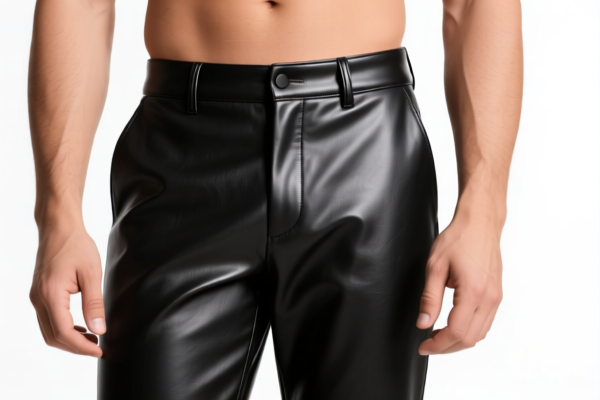
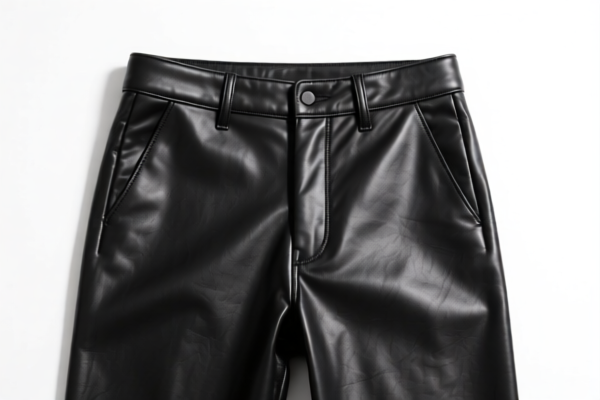
AI Analysis
👖 Men's Genuine Leather Pants: HS Code Classification & 2026 US Customs Clearance Guide
🌐 HS Code Reference & Customs Strategy | 2026 Latest Tariff Analysis | Professional Clearance Strategy
📌 I. Product Definition & Classification: Do You Really Understand "Men's Genuine Leather Pants"?
Men's genuine leather pants are premium outerwear items, typically categorized under Heading 62 (Articles of apparel and clothing accessories, not knitted or crocheted) or Heading 61 (Knitted or crocheted), depending on the manufacturing process and material composition. In international trade, key distinctions include:
Woven Leather Pants (Heading 62): Traditional leather pants made from woven or non-knitted leather panels.
Knitted/Crocheted Leather Pants (Heading 61): Less common, but if the leather is processed in a knit structure, it may fall here.
⚠️ Key Distinction Point:
- If the pants are made from woven or non-stretch leather panels → Typically classified under Chapter 62.
- If the pants are knitted, crocheted, or made from elastomeric leather blends → May fall under Chapter 61.
- Material Composition: "Genuine Leather" implies animal hide, but the HS code also considers lining, fasteners, and construction details.
📦 II. HS Code Classification Details (2026 Latest Tariff Authority Reference)
| HS Code | Product Description | Application Scenario | Material Inference | Total Tax Rate |
|---|---|---|---|---|
6211.32.90.40 |
Men's trousers, matching form and use, material inferred as cotton-based common sense | General men's leather pants (if lined with cotton or deemed non-specific) | Cotton-lined/assumed cotton base | 25.6% |
6203.43.90.11 |
Men's trousers, inferred as synthetic fiber long pants with no conflict | Men's leather pants if synthetic leather or blended fibers dominate | Synthetic fiber dominant | 45.4% |
6203.42.45.11 |
Men's trousers, inferred as cotton-based, falls under residual category | Men's leather pants with cotton lining or ambiguous material | Cotton-based residual | 34.1% |
6103.43.15.20 |
Men's trousers, inferred as synthetic fiber or cotton, fits residual logic | Knitted/crocheted leather or mixed material pants | Synthetic/cotton blend | 45.7% |
6211.33.50.30 |
Men's trousers, inferred as synthetic fiber, meets classification requirements | Synthetic leather or polyester-lined men's pants | Synthetic fiber | 33.5% |
🔍 Key Reminder:
- "Genuine Leather" does not automatically mean a single HS code; the lining, fasteners, and construction method (woven vs. knitted) drive classification.
- Chapter 62 (non-knitted) is more common for traditional leather pants.
- Chapter 61 (knitted) applies if the leather is processed in a knit structure or blended with knitted fabrics.
- Material inference in the data suggests reliance on common assumptions (e.g., cotton lining) when leather type is not explicitly defined in the HS system.
💰 III. 2026 Latest Tariff Rate Breakdown (Including Surcharges & Policy Add-ons)
✅ Applicable Country: United States (US)
✅ Origin: China (CN)
✅ Effective Date: From November 10, 2025 (including subsequent imports)
🎯 1. 6211.32.90.40 —— Men's Trousers (Cotton-Associated Inference)
| Item | Content |
|---|---|
| Base Duty Rate | 8.1% |
| Section 301 Surcharge | +7.5% |
| 122 Section Tariff | +10% |
| Total Rate | 25.6% |
| Tax Calculation | CIF Value × 25.6% |
| De Minimis Exemption | ❌ Not Applicable |
| Legal Basis Path | Section 301: 7.5% → 122 Section: 10% → HS 6211.32.90.40 |
📌 Explanation:
- "Base Duty 8.1%": Standard MFN rate for men's trousers under Chapter 62.
- "Section 301 Surcharge 7.5%": Additional tariff imposed on Chinese goods under US Trade Act Section 301.
- "122 Section Tariff 10%": Additional tariff under Section 122 of the Trade Act, targeting specific categories.
- Total 25.6%: High but manageable for premium goods. No de minimis exemption applies, meaning even small shipments are taxed.
🎯 2. 6203.43.90.11 —— Men's Trousers (Synthetic Fiber Inference)
| Item | Content |
|---|---|
| Base Duty Rate | 27.9% |
| Section 301 Surcharge | +7.5% |
| 122 Section Tariff | +10% |
| Total Rate | 45.4% |
| Tax Calculation | CIF Value × 45.4% |
| De Minimis Exemption | ❌ Not Applicable |
| Legal Basis Path | Section 301: 7.5% → 122 Section: 10% → HS 6203.43.90.11 |
📌 Note:
- Base Duty 27.9%: Higher due to synthetic fiber classification under Chapter 62.
- Total 45.4%: Significantly higher than cotton-associated pants.
- Warning: If your "genuine leather" pants are actually synthetic or blended, this rate applies. Misclassification risks penalties!
🎯 3. 6203.42.45.11 —— Men's Trousers (Cotton-Based Residual)
| Item | Content |
|---|---|
| Base Duty Rate | 16.6% |
| Section 301 Surcharge | +7.5% |
| 122 Section Tariff | +10% |
| Total Rate | 34.1% |
| Tax Calculation | CIF Value × 34.1% |
| De Minimis Exemption | ❌ Not Applicable |
| Legal Basis Path | Section 301: 7.5% → 122 Section: 10% → HS 6203.42.45.11 |
📌 Explanation:
- Base Duty 16.6%: Mid-range rate for cotton-based men's trousers.
- Total 34.1%: Moderate risk. Ensure material declaration is accurate to avoid reclassification.
🎯 4. 6103.43.15.20 —— Men's Trousers (Knitted/Synthetic-Cotton Blend)
| Item | Content |
|---|---|
| Base Duty Rate | 28.2% |
| Section 301 Surcharge | +7.5% |
| 122 Section Tariff | +10% |
| Total Rate | 45.7% |
| Tax Calculation | CIF Value × 45.7% |
| De Minimis Exemption | ❌ Not Applicable |
| Legal Basis Path | Section 301: 7.5% → 122 Section: 10% → HS 6103.43.15.20 |
📌 Note:
- Chapter 61 classification implies knitted/crocheted construction.
- Total 45.7%: Highest among options. Only applicable if pants are truly knitted or blended.
🎯 5. 6211.33.50.30 —— Men's Trousers (Synthetic Fiber)
| Item | Content |
|---|---|
| Base Duty Rate | 16.0% |
| Section 301 Surcharge | +7.5% |
| 122 Section Tariff | +10% |
| Total Rate | 33.5% |
| Tax Calculation | CIF Value × 33.5% |
| De Minimis Exemption | ❌ Not Applicable |
| Legal Basis Path | Section 301: 7.5% → 122 Section: 10% → HS 6211.33.50.30 |
📌 Explanation:
- Base Duty 16.0%: Lower than other synthetic classifications.
- Total 33.5%: Best rate for synthetic leather pants. Ensure material is clearly declared as synthetic.
🛠️ IV. Customs Clearance Practical Advice (Battle-Tested Pitfall Avoidance Guide)
✅ 1. Required Documentation Checklist (No Exceptions)
| Document | Mandatory? | Explanation |
|---|---|---|
| ✅ Product Specification Sheet | ✔️ | Dimensions, leather type (genuine vs. synthetic), lining material, fasteners |
| ✅ Material Composition Certificate | ✔️ | Proof of "genuine leather" vs. synthetic blends |
| ✅ Product Photos (Including Label) | ✔️ | Clear view of brand, model, material tag, and construction details |
| ✅ Third-Party Test Report | ✔️ | Leather authenticity test, toxicity tests (if applicable) |
| ✅ Commercial Invoice | ✔️ | Explicitly state "Men's Genuine Leather Pants" with HS Code |
| ✅ Certificate of Origin (CO) | ✔️ | If non-Chinese origin, eligible for preferential rates |
| ✅ Packing List | ✔️ | Clarify if pants are shipped with accessories (e.g., belts) |
✅ 2. Declaration Tips (Key Mantra)
🔥 "Material Truth, Construction Clarity, Name Precision, Tax Savings!"
| Scenario | Correct Declaration | Wrong Practice |
|---|---|---|
| Genuine leather pants (woven) | 6211.32.90.40 |
Misdeclare as synthetic → 33.5% |
| Synthetic leather pants | 6211.33.50.30 |
Misdeclare as genuine → 25.6% |
| Knitted leather pants | 6103.43.15.20 |
Misdeclare as woven → 45.7% |
| Mixed material pants | 6203.42.45.11 |
Ambiguous declaration → Reinspection |
✅ 3. Special Cases Handling
| Scenario | Handling Advice |
|---|---|
| OEM Custom Pants | Provide customer order + design specs to avoid "non-standard" classification |
| Leather with Cotton Lining | Declare both materials; may qualify for 6203.42.45.11 |
| Pants with Metal Fasteners/Zippers | Still classified under pants, not accessories |
| Used/Vintage Leather Pants | May require additional documentation for authenticity |
🌍 V. Global Market Customs Comparison (2026 Latest)
| Country/Region | Recommended HS Code | Duty Rate | Certification Requirements | Notes |
|---|---|---|---|---|
| 🇺🇸 USA | 6211.32.90.40 (Genuine) |
25.6% | No specific | 45.4% if synthetic |
| 🇨🇳 China | 6211.32.90.40 |
5% | CCC (if applicable) | No surcharges |
| 🇪🇺 EU | 6211.32.90.40 |
0% (if CE compliant) | CE + REACH | No surcharges |
| 🇦🇺 Australia | 6211.32.90.40 |
5% | RCM | No surcharges |
| 🇯🇵 Japan | 6211.32.90.40 |
0% | PSE (if applicable) | No surcharges |
📌 Conclusion:
- USA imposes highest duties on Chinese-origin leather pants due to Section 301 and 122 tariffs.
- China-origin goods benefit from lower rates in most markets.
- Synthetic materials face higher US tariffs (up to 45.7%).
📌 VI. Common Mistakes & Pitfall Avoidance (Blood-Tested Lessons)
❌ Mistake 1: Misdeclaring "genuine leather" as "synthetic" to avoid higher rates
👉 Consequence: Customs reclassification → 45.4% duty + penalties!
❌ Mistake 2: Not providing material certificates for "genuine leather"
👉 Consequence: Customs doubts authenticity → Delay or rejection!
❌ Mistake 3: Using vague terms like "pants" without material specification
👉 Consequence: Misclassification → 34.1% vs. 25.6% difference!
❌ Mistake 4: Ignoring Section 122 tariffs
👉 Consequence: Underpaid duties → Back taxes + interest!
✅ Correct Approach:
"Men's Genuine Leather Pants, Woven Construction, Cotton Lining, Model XYZ, No Fasteners, Certified Genuine Leather"
🎯 VII. Conclusion: Professional Declaration, Time-Saving, Cost-Effective!
🎯 Remember the Mantra:
🔹 "Genuine Leather, Woven Construction, HS 6211.32.90.40, 25.6% Total"
🔹 "HS Code Determines Fate, Tax Rate Varies 20%, One Mistake Costs Thousands!"
📌 Pro Tip:
If your pants are sourced from Vietnam, Mexico, Thailand, or Malaysia, you may qualify for IEEPA exemptions, reducing duties to 0%~5%.
Recommend Advance Ruling to avoid clearance risks.
📣 Immediate Action:
📞 Contact Professional Customs Broker + Provide Product Photos + Apply for HS Code Advance Ruling
🚀 Let your leather pants clear smoothly, export efficiently, and maximize profits!
✨ Professional Customs Clearance Starts with Accurate Classification!
💼 Every Cent of Cost Deserves Precise Calculation!
Customer Reviews
About HS Code Classification
The Harmonized System (HS) is an internationally standardized nomenclature developed by the World Customs Organization (WCO) to classify traded products. Over 200 countries use the HS system as the basis for customs tariffs, trade statistics, and import/export regulations.
Each HS code follows a hierarchical structure:
- Chapter (2 digits) — Broad category of goods (e.g., Chapter 84: Machinery and Mechanical Appliances)
- Heading (4 digits) — More specific grouping within the chapter
- Subheading (6 digits) — Internationally standardized breakdown, used by all WCO member countries
- National subdivisions (8-10 digits) — Country-specific extensions for further classification, such as US HTSUS 10-digit codes
Correct HS code classification is essential for smooth customs clearance, accurate duty payment, and compliance with trade regulations. Misclassification can lead to customs delays, overpayment of duties, or penalties.
When importing from CN to US, the applicable tariff rates may include:
- Most-Favored-Nation (MFN) rate — The standard duty rate applied to WTO members
- General rate — Applied to countries without trade agreements
- Trade remedy duties — Additional tariffs such as Section 301 (anti-dumping), Section 232 (national security), or countervailing duties
The information provided on this page is for reference purposes only. For official classification, please consult with your local customs authority or a licensed customs broker.