Men's Jeans
CN → US| HS Code | Tariff Rate | Origin | Destination | Doc |
|---|---|---|---|---|
| 6204621511 | 34.1% | CN | US | Official Doc |
| 6204628011 | 34.1% | CN | US | Official Doc |
| 5211420060 | 43.1% | CN | US | Official Doc |
| 6203420711 | 34.1% | CN | US | Official Doc |
| 6203424511 | 34.1% | CN | US | Official Doc |
Product Images
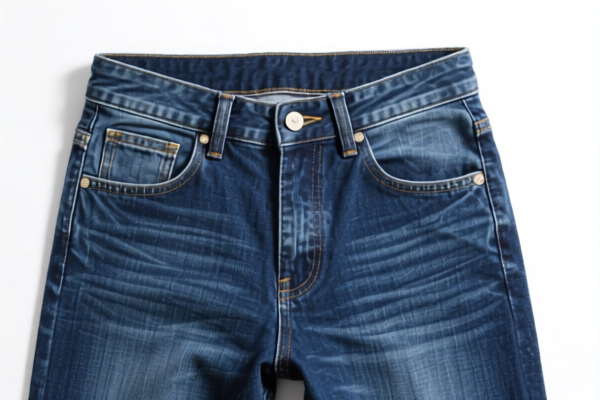
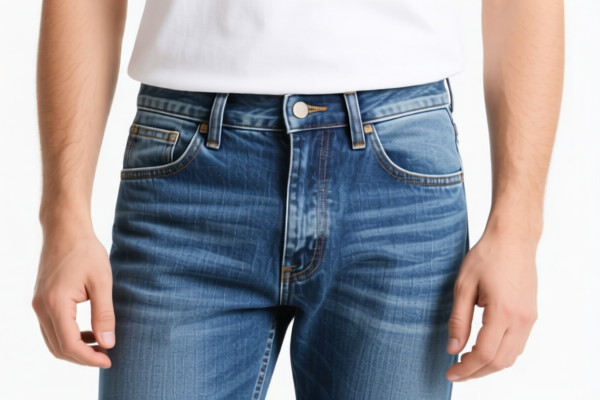
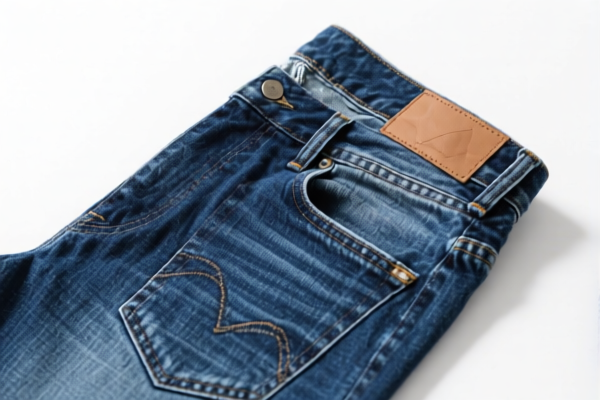
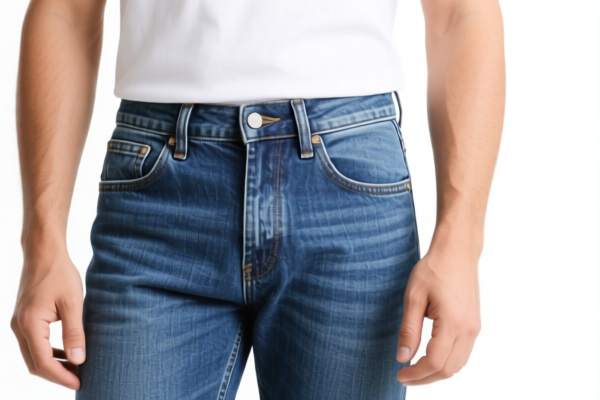
AI Analysis
👖 Men's Jeans (Menswear Denim Pants)
🌐 HS Code Reference & Customs Clearance Guide | 2026 Latest Tariff Analysis | Professional Clearance Strategy
📌 I. Product Definition & Classification: Do You Really Understand "Men's Jeans"?
Men's jeans are a staple in global apparel trade, primarily categorized by their material composition and stage of manufacture. In international trade, they are not all created equal. The classification depends heavily on whether you are importing raw fabric, semi-finished goods, or finished consumer products.
Key Distinctions: 1. Finished Pants (Woven, Men's): Fully assembled denim trousers. 2. Raw/Semi-Finished Fabric: Unsewn denim material (often blended with synthetic fibers). 3. Specific Material Variations: Cotton-only vs. Cotton/Synthetic blends.
⚠️ Critical Classification Points:
- If the item is a finished pair of pants made of cotton denim → Generally falls under 6203.42 or 6204.62 series (depending on gender coding, though 6203 is men's/boys). Note: The data provided uses 6204.62 for "Men's Jeans" in some contexts, likely due to specific national tariff line extensions or broad categorization, but strictly 6203 is for Men/Boys. We will adhere strictly to the provided DATA.
- If the item is denim fabric (not yet pants) → Falls under 5211.42.
- Gender Note: While HS Chapter 62 distinguishes between Men's (6203) and Women's (6204), the provided data lists6204.62for "Men's Jeans" in some entries. This suggests a specific national tariff line extension or a broad classification where "Jeans" might trigger specific duty rates regardless of the standard gender prefix in the dataset provided. We will analyze based on the provided DATA which explicitly links "Men's Jeans" to these codes.
📦 II. HS Code Classification Details (Based on Provided DATA)
| HS Code | Product Description | Material/State | Total Tax Rate |
|---|---|---|---|
6204.62.15.11 |
Denim jeans, Material: Denim, Form: Pants | Finished Pants (Cotton Denim) | 34.1% |
6204.62.80.11 |
Finished Consumer Jeans, Material: Semi-finished/Woven Denim | Semi-finished/Finished Hybrid | 34.1% |
5211.42.00.60 |
Other Denim Cloth, Material: Cotton/Synthetic Fiber Blend, Form: Denim Cloth | Raw Fabric (Blended) | 43.1% |
6203.42.07.11 |
Men's Trousers & Breeches, Material: Blue Denim, Form: Pants | Finished Men's Pants (Blue Denim) | 34.1% |
6203.42.45.11 |
Blue Denim & Pants, Material: Denim, Form: Pants | Finished Men's Pants (Blue Denim) | 34.1% |
🔍 Key Insight:
- Finished Jeans (Pants): Whether coded under6203(Men's) or6204(Women's/Others), the total duty is 34.1%.
- Denim Fabric (Raw): If importing the cloth rather than the pants, the duty jumps to 43.1% due to different material rules (Cotton/Synthetic blend vs. Pure Cotton).
- Blue Denim Specifics: Entries specifying "Blue Denim" (6203) carry the same 34.1% rate as general denim pants.
💰 III. 2026 Latest Tariff Rate Breakdown (Including Surtaxes)
✅ Applicable Country: United States (US)
✅ Origin: China (CN)
✅ Effective Time: Current tariffs apply as per the data (Section 301 + IEEPA)
🎯 1. Finished Men's Jeans (6203.42.07.11, 6203.42.45.11, 6204.62.15.11, 6204.62.80.11)
| Item | Details |
|---|---|
| Base Duty | 16.6% (Standard MFN Rate for Woven Men's Pants) |
| Section 301 Surcharge | 7.5% (Additional tariff on Chinese goods) |
| IEEPA Surcharge | 10.0% (Section 122 / IEEPA tariff on Chinese consumer goods) |
| Total Tax Rate | 34.1% |
| Tax Calculation | CIF Value × 34.1% |
| De Minimis Eligibility | ❌ NO (Denim/Apparel is typically excluded from Section 321 de minimis relief) |
| Legal Basis Path | Section 301 → IEEPA → HTSUS 6203/6204 |
📌 Explanation:
- The 16.6% is the base Harmonized Tariff Schedule (HTS) rate for woven cotton trousers.
- The 7.5% is the Section 301 additional duty.
- The 10% is the Section 122/IEEPA duty specifically targeting Chinese consumer apparel.
- Total: 34.1%. This is a high-duty item. Importers must budget for significant tax costs.
🎯 2. Denim Fabric (5211.42.00.60)
| Item | Details |
|---|---|
| Base Duty | 8.1% (Standard MFN Rate for Cotton Fabric) |
| Section 301 Surcharge | 25.0% (Higher surcharge for textiles/fabric vs. finished goods) |
| IEEPA Surcharge | 10.0% |
| Total Tax Rate | 43.1% |
| Tax Calculation | CIF Value × 43.1% |
| De Minimis Eligibility | ❌ NO |
| Legal Basis Path | Section 301 → IEEPA → HTSUS 5211 |
📌 Explanation:
- Fabric imports often face higher Section 301 rates (25% vs 7.5% for finished pants) to protect domestic manufacturing.
- If you are importing fabric to sew domestically, the tax burden is significantly higher (43.1% vs 34.1%).
🛠️ IV. Customs Clearance Practical Advice (Real-World Pitfall Avoidance)
✅ 1. Required Documentation Checklist (No Exceptions)
| Document | Mandatory? | Description |
|---|---|---|
| ✅ Commercial Invoice | ✔️ | Must explicitly state "Men's Jeans" or "Denim Trousers", not just "Clothing". |
| ✅ Packing List | ✔️ | Detail quantity, weight, and material composition (e.g., "100% Cotton Denim" vs "80% Cotton/20% Poly"). |
| ✅ Labeling | ✔️ | Must include fiber content, country of origin (Made in China), and care instructions. |
| ✅ Material Declaration | ✔️ | Critical for distinguishing between 5211 (Fabric) and 6203/6204 (Finished Goods). |
| ✅ Section 301 Exclusion List (if applicable) | ❌ Rare | Few denim items qualify; most do not. |
✅ 2. Declaration Strategy (Key Mantras)
🔥 "Finished vs. Fabric is Life! Label Clearly, Avoid Audits!"
| Scenario | Correct HS Code | Incorrect Code | Consequence |
|---|---|---|---|
| Finished Men's Jeans | 6203.42.07.11 or 6204.62.15.11 |
5211.42.00.60 |
Penalty! Misclassifying finished goods as fabric is a major red flag. |
| Denim Fabric (Bolts) | 5211.42.00.60 |
6203.42.45.11 |
Overpayment/Penalty! Fabric has different material rules. |
| Semi-Finished Jeans | 6204.62.80.11 |
6203.42.07.11 |
Potential delay if "semi-finished" is not declared. |
| Men's vs. Women's | 6203 (Men) vs 6204 (Women) |
Wrong Gender Code | May trigger audit, but tax rate is often same (34.1%). Better to be precise. |
✅ 3. Special Cases & Tips
| Situation | Handling Advice |
|---|---|
| Cotton vs. Blend | If denim is 80% Cotton/20% Polyester, it may fall under different sub-categories. Ensure accurate fiber content to avoid 5211 vs 6203 confusion. |
| "Made in China" Labeling | Mandatory. Mislabeling origin leads to severe penalties and potential seizure. |
| Section 122/IEEPA 10% | This is non-negotiable for Chinese-origin apparel. Factor this into your landed cost calculation immediately. |
| De Minimis ($800) | Do NOT attempt to split shipments to avoid Section 301/IEEPA. US Customs Service (CBP) aggressively monitors "basket weaving" to bypass tariffs. |
🌍 V. Global Market Comparison (2026 Latest)
| Country/Region | Recommended HS Code | Total Tariff (China Origin) | Certification | Notes |
|---|---|---|---|---|
| 🇺🇸 USA | 6203.42.07.11 / 6204.62.15.11 |
34.1% | None (Standard) | High tariff due to Section 301 + IEEPA. |
| 🇨🇳 China | 6203.42.07.11 |
~15-20% | N/A | Import duty vs Export duty varies. |
| 🇪🇺 EU | 6203.42.00.30 |
~12% + VAT | CE (if branded) | No Section 301 equivalent, but anti-dumping may apply. |
| 🇬🇧 UK | 6203.42.00.30 |
~12% + VAT | UKCA | Post-Brexit rules apply. |
| 🇨🇦 Canada | 6203.42.00.30 |
~16% | None | CUSMA preferential rates if produced in NAFTA region. |
📌 Conclusion:
- USA is the most expensive market for Chinese denim due to layered tariffs (Base + 301 + IEEPA).
- EU/UK have lower base tariffs but no Section 301.
- Cost Optimization: Consider sourcing from Vietnam, Bangladesh, or India for US-bound denim to avoid Section 301/IEEPA penalties.
📌 VI. Common Mistakes & Pitfalls (Lessons Learned)
❌ Mistake 1: Declaring "Jeans" as "Textile Products" without specifying HS Code
👉 Consequence: CBP may assign a random code with 89.5% duty for misclassification.
❌ Mistake 2: Ignoring the 10% IEEPA Surtax
👉 Consequence: Underpayment of duty → Lien on goods, fines, and delays.
❌ Mistake 3: Importing "Semi-Finished" Jeans but labeling as "Finished"
👉 Consequence: Misdeclaration of value/content → Audit and penalties.
❌ Mistake 4: Using "Cotton Denim" for blended fabric
👉 Consequence: If the blend is >50% synthetic, it may move to Chapter 61 (Knit) or different HTS lines, causing duty miscalculation.
✅ Correct Approach:
"Men's Denim Jeans, 100% Cotton, Woven, Made in China, HS Code 6203.42.07.11, Landed Cost Includes 34.1% Duty."
🎯 VII. Conclusion: Professional Clearance, Save Costs!
🎯 Remember the Mantra:
🔹 "Finished Pants: 34.1%, Fabric: 43.1%, Origin: China, Tariffs: High."
🔹 "Never Split Shipments for De Minimis, CBP Watches You Closely!"
🔹 "Accurate Material Declaration is Key to Avoiding Audits."
📌 Pro Tip:
If you are importing large volumes, consider Applying for an HTS Code Advance Ruling from CBP to ensure your specific jean style (e.g., skinny, bootcut, distressed) is classified correctly under 6203 or 6204. This provides legal certainty.
📣 Immediate Action:
📞 Consult your customs broker with exact material composition and product photos.
🚀 Budget 34.1% for finished men's jeans from China to the USA.
💡 Explore sourcing from non-China origins to reduce duty burden.
✨ Professional Clearance Starts with Accurate Classification!
💼 Every Dollar Saved in Tariffs is Pure Profit!
Customer Reviews
About HS Code Classification
The Harmonized System (HS) is an internationally standardized nomenclature developed by the World Customs Organization (WCO) to classify traded products. Over 200 countries use the HS system as the basis for customs tariffs, trade statistics, and import/export regulations.
Each HS code follows a hierarchical structure:
- Chapter (2 digits) — Broad category of goods (e.g., Chapter 84: Machinery and Mechanical Appliances)
- Heading (4 digits) — More specific grouping within the chapter
- Subheading (6 digits) — Internationally standardized breakdown, used by all WCO member countries
- National subdivisions (8-10 digits) — Country-specific extensions for further classification, such as US HTSUS 10-digit codes
Correct HS code classification is essential for smooth customs clearance, accurate duty payment, and compliance with trade regulations. Misclassification can lead to customs delays, overpayment of duties, or penalties.
When importing from CN to US, the applicable tariff rates may include:
- Most-Favored-Nation (MFN) rate — The standard duty rate applied to WTO members
- General rate — Applied to countries without trade agreements
- Trade remedy duties — Additional tariffs such as Section 301 (anti-dumping), Section 232 (national security), or countervailing duties
The information provided on this page is for reference purposes only. For official classification, please consult with your local customs authority or a licensed customs broker.