Men's Knitted Short Sleeved Shirt
CN → US| HS Code | Tariff Rate | Origin | Destination | Doc |
|---|---|---|---|---|
| 6105201000 | 23.6% | CN | US | Official Doc |
| 6105202010 | 42.0% | CN | US | Official Doc |
| 6211335040 | 33.5% | CN | US | Official Doc |
| 6205302073 | 0.0% | CN | US | Official Doc |
| 6205302030 | 0.0% | CN | US | Official Doc |
Product Images
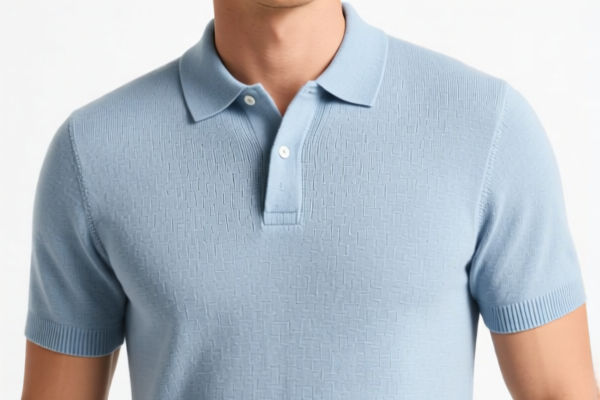
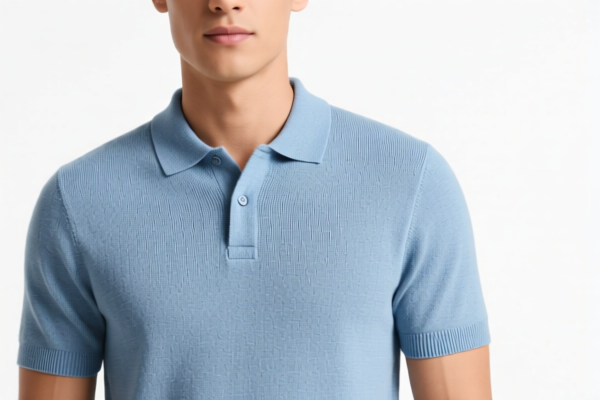
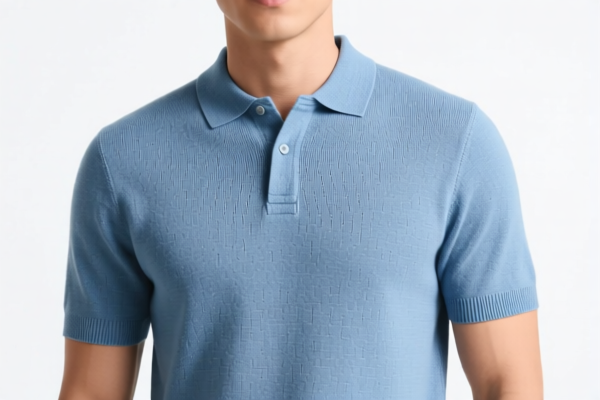
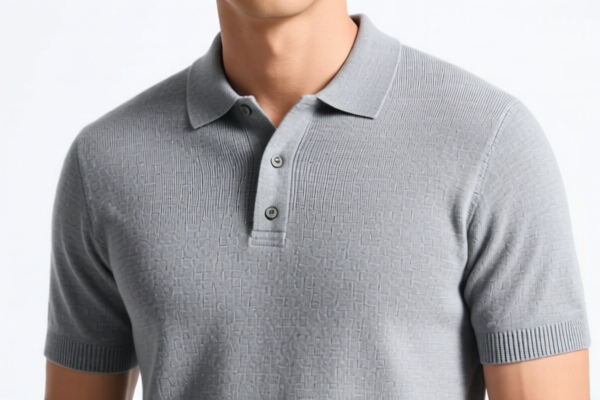
AI Analysis
👔 Men's Knitted & Woven Short-Sleeved Shirts (Chemical Fiber)
🌐 HS Code Reference & Customs Clearance Guide | 2026 Latest Tariff Analysis | Professional Strategy for Chemical Fiber Shirts
📌 I. Product Definition & Classification: What Exactly Are We Importing?
Men's short-sleeved shirts made from chemical fibers fall into two main structural categories based on their manufacturing process: Knitted and Woven. This distinction is critical because US Customs (CBP) applies different duty structures (percentage-based vs. specific/percentage) depending on the fabric structure.
1. Knitted Shirts (针织): * Definition: Fabric made by interlocking loops of yarn (e.g., T-shirts, polos, casual button-downs made from jersey fabric). * Key Characteristic: Stretchy, breathable, typically classified under Chapter 61.
2. Woven Shirts (梭织): * Definition: Fabric made by weaving two distinct sets of threads (warp and weft) at right angles (e.g., dress shirts, formal casual shirts). * Key Characteristic: Structured, non-stretch (unless blended), typically classified under Chapter 62.
⚠️ Critical Distinction Point:
- If the shirt is Knitted (stretchy, looped fabric) → Chapter 61 (Codes starting with6105).
- If the shirt is Woven (criss-cross fabric, crisp) → Chapter 62 (Codes starting with6205).
- Material: All entries in this dataset specify "Chemical Fiber / Artificial Fiber" (人造纤维).
📦 II. HS Code Classification Details (2026 Authoritative Mapping)
Below is the precise mapping from your provided data, ensuring no HS codes are omitted.
| HS Code | Product Summary (From Data) | Fabric Structure | Key Attributes | Total Tax Rate |
|---|---|---|---|---|
6105.20.10.00 |
Knitted Short-Sleeved Shirt, Men's, Artificial Fiber | Knitted | Men's Shirt | 23.6% |
6105.20.20.10 |
Knitted Short-Sleeved Shirt, Men's, Artificial Fiber | Knitted | For Men (Specific Use) | 42.0% |
6211.33.50.40 |
Woven Short-Sleeved Shirt, Men's, Artificial Fiber | Woven | Sport/Leisure Performance Outerwear | 33.5% |
6205.30.20.73 |
Woven Shirt, Men's, Artificial Fiber | Woven | Men's Shirt (General) | 29.1¢/kg + 25.9% + 10.0% |
6205.30.20.30 |
Woven Short-Sleeved Shirt, Men's, Artificial Fiber | Woven | Short-Sleeve Specific | 29.1¢/kg + 25.9% + 10.0% |
🔍 Key Insight:
- Knitted shirts (6105) are taxed purely as an ad valorem percentage (23.6% or 42.0%).
- Woven shirts (6205,6211) often involve a compound duty (Specific + Ad Valorem + Section 301/122 tariffs).
💰 III. 2026 Latest Tariff Rate Breakdown (Including Surtaxes)
✅ Context: These rates reflect the "Total Tax" structure provided in the data, which includes Base Tariff + Section 301 Surtaxes + Section 122 Tariffs. ✅ Origin: China (Implied by "122 clauses" and high rates typical of US-China trade disputes).
🎯 1. 6105.20.10.00 – Knitted Men's Shirt (Artificial Fiber)
| Item | Detail |
|---|---|
| Base Tariff | 13.6% |
| Surtax (Section 301) | 0.0% |
| 122 Clause Tariff | 10.0% |
| Total Effective Rate | 23.6% |
| Calculation | CIF Value × 23.6% |
📌 Explanation:
- This is a standard knitted shirt classification.
- The 10% 122 Clause is likely a reference to recent executive orders or specific trade remedy measures (often applied to textile/apparel imports from certain origins).
- No specific duty (¢/kg) is applied here.
🎯 2. 6105.20.20.10 – Knitted Men's Shirt (Artificial Fiber, Specific Use)
| Item | Detail |
|---|---|
| Base Tariff | 32.0% |
| Surtax (Section 301) | 0.0% |
| 122 Clause Tariff | 10.0% |
| Total Effective Rate | 42.0% |
| Calculation | CIF Value × 42.0% |
📌 Warning:
- This code has a significantly higher base rate (32.0%) compared to6105.20.10.00.
- The distinction often lies in the labeling, marketing, or specific use ("For Men" vs. general). Ensure your labeling matches the exact description to avoid misclassification penalties.
- Risk: Misclassifying this as6105.20.10.00to save ~18.4% could lead to severe fines.
🎯 3. 6211.33.50.40 – Woven Performance Shirt (Artificial Fiber)
| Item | Detail |
|---|---|
| Base Tariff | 16.0% |
| Surtax (Section 301) | 7.5% |
| 122 Clause Tariff | 10.0% |
| Total Effective Rate | 33.5% |
| Calculation | CIF Value × 33.5% |
📌 Key Point:
- Classified under Chapter 62 (Woven).
- Specifically for "Sport/Leisure Performance Outerwear".
- This implies the shirt must have technical features (moisture-wicking, UV protection, etc.) to qualify for this sub-heading rather than a generic woven shirt.
🎯 4 & 5. 6205.30.20.73 & 6205.30.20.30 – Woven Men's Shirts (Artificial Fiber)
| Item | Detail |
|---|---|
| Base Tariff | 29.1¢/kg + 25.9% |
| Surtax (Section 301) | 0.0% |
| 122 Clause Tariff | 10.0% |
| Total Effective Rate | 29.1¢/kg + 25.9% + 10.0% |
| Calculation | (Weight in kg × 0.291) + (CIF Value × 35.9%) |
⚠️ Complex Calculation Alert:
- These codes use a Compound Duty:
1. Specific Duty: $0.291 per kilogram of net weight.
2. Ad Valorem Duty: 25.9% (Base) + 10.0% (122 Clause) = 35.9% on CIF value.
- Difference between .73 and .30:
-.73: General Men's Shirt.
-.30: Short-Sleeve Specific.
- Note: The tax rate is identical for both. The distinction is purely for statistical and regulatory reporting.
🛠️ IV. Customs Clearance Practical Advice (Pitfall Avoidance)
✅ 1. Documentation Checklist (Non-Negotiable)
| Document | Requirement | Why? |
|---|---|---|
| Commercial Invoice | Must clearly state: "Men's Short-Sleeved Shirt," "Knitted/Woven," "100% Artificial Fiber." | CBP verifies structure and material. |
| Product Description | Specify if "Performance/Outdoor" (for 6211.33.50.40) or "General" (for 6205). |
Mislabeling a performance shirt as general can lead to reclassification. |
| Weight Sheet | Critical for 6205 codes. Must provide Net Weight in kg. |
Specific duty (29.1¢/kg) is calculated on weight. Inaccurate weight = audit risk. |
| Material Composition | Certificate of Analysis (COA) or Label Copy. | Confirms "Artificial Fiber" (e.g., Polyester, Nylon). If Cotton is present, HS code changes entirely. |
| Photos | Front, Back, Label, Fabric Close-up. | To prove Knitted vs. Woven structure. |
✅ 2. Classification Strategy (The "Right Code" Matters)
| Scenario | Recommended HS Code | Reasoning |
|---|---|---|
| Standard Knitted T-shirt/Polo | 6105.20.10.00 |
Lowest rate (23.6%). Ensure it’s not marketed as a specific "uniform" or "performance wear" that might trigger other codes. |
| Knitted Shirt with Specific "Men's" Labeling | 6105.20.20.10 |
If the product is exclusively marketed for men in a specific regulatory context, this code applies. Rate is higher (42%). |
| Technical/Athletic Woven Shirt | 6211.33.50.40 |
Must have "Performance" features. If it’s just a plain woven shirt, this code may be rejected. Rate is 33.5%. |
| Standard Woven Dress/Casual Shirt | 6205.30.20.73 / .30 |
Use if it’s a traditional woven shirt. Be prepared to pay the compound duty. |
✅ 3. Special Handling for "122 Clause" Tariffs
🔥 Note on "122 Clause":
- The term "122条款" in the data likely refers to Executive Order 14013 or related Section 301/122 trade measures impacting Chinese imports.
- Action: Ensure your importer of record is aware of these additional 10% charges. They are not always automatically applied by software unless configured for the specific country of origin (China).
- Recommendation: Verify if any Exclusions apply. If your supplier has a valid 301 Exclusion, the 10% or 25% surtax might be waivable.
🌍 V. Global Market Comparison (2026 Context)
| Market | HS Code Focus | Approx. Duty (China Origin) | Notes |
|---|---|---|---|
| 🇺🇸 USA | 6105.20.10.00 to 6205.30.20.73 |
23.6% – 42% | Includes 122 Clause & Base Tariffs. High complexity due to compound duties. |
| 🇨🇳 China | Same HS Codes | ~9-15% (Import Duty) | Lower rates. No "122 Clause" surtaxes. |
| 🇪🇺 EU | 6105.20 / 6205.30 |
~12-16% | No "122 Clause." VAT applies (19-27%). |
| 🇬🇧 UK | Same as EU | ~12-16% | Post-Brexit rules. Similar to EU. |
📌 Conclusion for US Imports:
The US market is the most expensive due to the叠加 (stacking) of Base Tariffs + 122 Clauses.
Knitted shirts (6105.20.10.00) are the most cost-effective at 23.6%.
Woven shirts (6205) carry a heavy penalty due to the compound duty structure.
📌 VI. Common Mistakes & Pitfalls (Blood & Tears Lessons)
❌ Mistake 1: Assuming all shirts are taxed at a flat percentage.
👉 Consequence: For 6205 codes, failing to pay the 29.1¢/kg specific duty results in a short payment assessment and interest.
❌ Mistake 2: Mixing up Knitted vs. Woven.
👉 Consequence: If you declare a Woven shirt as Knitted (6105), CBP will reject it. The reverse is also true. Use fabric test reports if unsure.
❌ Mistake 3: Ignoring the "122 Clause" 10% surtax.
👉 Consequence: Your broker might only calculate Base + Section 301. You will be hit with a 10% surprise bill from CBP.
❌ Mistake 4: Misclassifying "Performance" wear.
👉 Consequence: Claiming 6211.33.50.40 (33.5%) for a plain cotton/poly blend shirt might be challenged if no performance features exist, potentially leading to a lower (but still high) rate or penalty.
✅ Correct Action:
"Men's Knitted Short-Sleeve Shirt, 100% Polyester, 200 GSM, for Retail Sale"
HS Code:6105.20.10.00
Duty: 23.6% (Check for 301 Exclusion status!)
🎯 VII. Conclusion: Precision Saves Money!
🎯 Remember the Formula:
Total Cost = CIF Value + Shipping + Insurance + [Weight × 0.291] + [CIF × (Base% + 301% + 122%)]
🔹 For Knitted Shirts: Keep it simple. Aim for 6105.20.10.00 (23.6%).
🔹 For Woven Shirts: Prepare for compound duties. 6205.30.20.73 is complex but standard.
🔹 For Performance Wear: Use 6211.33.50.40 only if you have technical specs.
📌 Pro Tip:
If you are importing from China, always check for Section 301 Exclusions and 122 Clause Waivers. A professional customs broker can save you 10-30% of your landed cost by ensuring the correct HS code is selected and surtaxes are properly applied or challenged.
📣 Immediate Action:
📞 Contact your Customs Broker with the Fabric Swatch and Product Label.
🚀 Confirm the HS Code for your specific SKU (Knitted vs. Woven).
💼 Do not assume! A 18.4% difference between6105.20.10.00and6105.20.20.10is a significant margin hit.
✨ Professional Classification, Profit Maximization!
💼 Your Bottom Line Depends on Your HS Code!
Customer Reviews
About HS Code Classification
The Harmonized System (HS) is an internationally standardized nomenclature developed by the World Customs Organization (WCO) to classify traded products. Over 200 countries use the HS system as the basis for customs tariffs, trade statistics, and import/export regulations.
Each HS code follows a hierarchical structure:
- Chapter (2 digits) — Broad category of goods (e.g., Chapter 84: Machinery and Mechanical Appliances)
- Heading (4 digits) — More specific grouping within the chapter
- Subheading (6 digits) — Internationally standardized breakdown, used by all WCO member countries
- National subdivisions (8-10 digits) — Country-specific extensions for further classification, such as US HTSUS 10-digit codes
Correct HS code classification is essential for smooth customs clearance, accurate duty payment, and compliance with trade regulations. Misclassification can lead to customs delays, overpayment of duties, or penalties.
When importing from CN to US, the applicable tariff rates may include:
- Most-Favored-Nation (MFN) rate — The standard duty rate applied to WTO members
- General rate — Applied to countries without trade agreements
- Trade remedy duties — Additional tariffs such as Section 301 (anti-dumping), Section 232 (national security), or countervailing duties
The information provided on this page is for reference purposes only. For official classification, please consult with your local customs authority or a licensed customs broker.