Men's Leather Gloves Business Lining
CN → US| HS Code | Tariff Rate | Origin | Destination | Doc |
|---|---|---|---|---|
| 6216009000 | 21.3% | CN | US | Official Doc |
| 4203290500 | 47.6% | CN | US | Official Doc |
| 4203293020 | 49.0% | CN | US | Official Doc |
Product Images
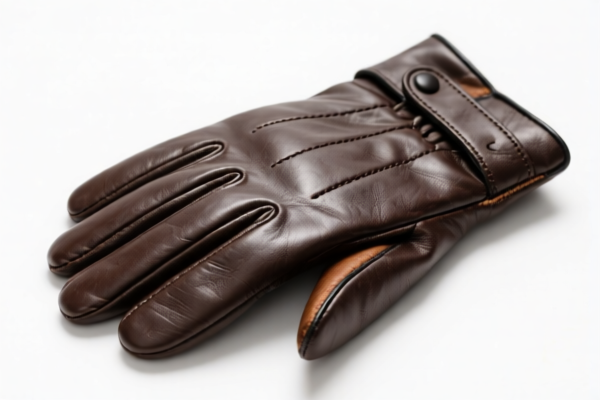
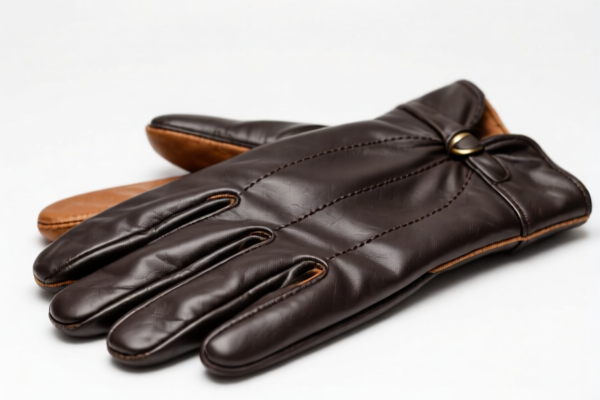
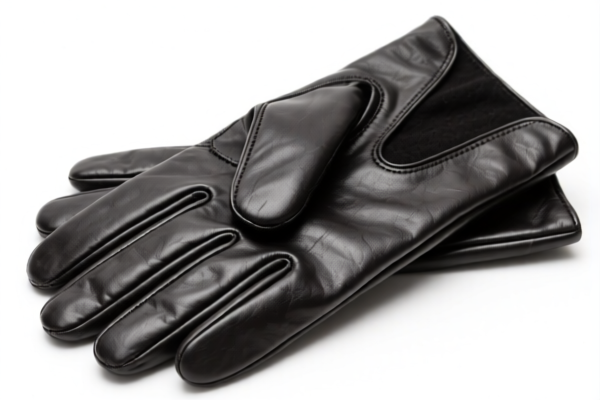
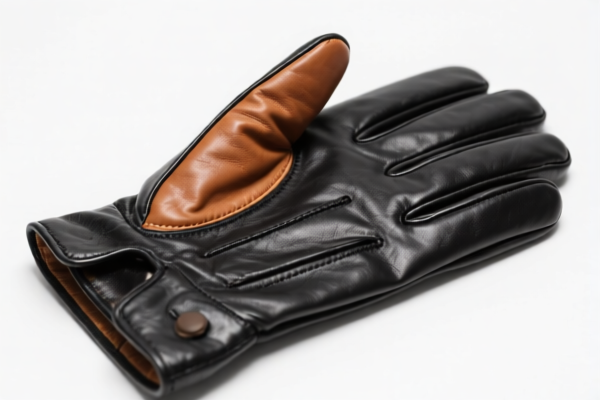
AI Analysis
🧤 Men's Leather Gloves (Business Lining) Classification & Customs Clearance Guide
🌐 HS Code Reference & Customs Clearance Guide | 2026 Latest Tariff Analysis | Professional Clearance Strategy
📌 One, Product Definition and Classification: What Are "Men's Leather Gloves"?
Men's leather gloves with a business lining are high-end accessories designed for formal wear or professional settings. In international trade, they are categorized based on material (leather vs. fur/skin of other animals), function (gloves vs. mittens), and structural features (lined vs. unlined).
The provided data identifies three potential HS Code classifications for "Men's Leather Gloves (Lined)", each resulting in significantly different tax liabilities. The key distinction lies in the specific interpretation of the material type and the subheading structure of Chapter 42 (Articles of Leather).
⚠️ Critical Distinction Point:
- If classified under Chapter 62 (Articles of Apparel), the tariff burden is significantly lower.
- If classified under Chapter 42 (Articles of Leather), tariffs can skyrocket due to higher base rates and additional trade measures (Section 301/122).
- Key Determinant: Customs authorities determine whether the item is treated primarily as a "glove" (Ch 61/62 logic often applied via Ch 42 specific notes) or as a general "leather article." The provided data shows a split between Chapter 62 and Chapter 42 subheadings.
📦 Two, HS Code Classification Details (2026 Latest Tariff Authority Comparison)
Based on the provided data, here are the three possible classifications and their corresponding tax implications for imports into the US from China.
| HS Code | Product Description | Reason for Classification | Total Tax Rate |
|---|---|---|---|
6216.00.90.00 |
Gloves, Mittens, and Fingerless Gloves (Other) | Chapter 62 Logic: Classified as a general glove. The summary notes it fits the classification due to "usage and leather material." This is the lowest cost option. | 21.3% |
4203.29.05.00 |
Other Articles of Leather (Gloves) | Chapter 42 Logic: Classified under "Articles of leather." The summary infers "horsehide or cowhide" material. Higher base tariff applies. | 47.6% |
4203.29.30.20 |
Other Articles of Leather (Gloves) | Chapter 42 Logic: Specific subheading for "Lined Leather Gloves." Highlights the "lined" feature and "leather material." Highest base tariff. | 49.0% |
🔍 Key Insight:
- HS Code 6216 results in a ~70-80% lower total tax rate compared to Chapter 42 codes.
- HS Code 4203 applies stricter "Leather Article" rules, triggering higher base duties and additional tariffs.
- Why the difference? Customs may view Chapter 42 as the lex specialis (specific law) for leather goods, overriding the general apparel classification of Chapter 62, unless specific exceptions apply. However, some rulings allow gloves to fall under Chapter 61/62 if they meet certain criteria. The data provided explicitly lists both possibilities.
💰 Three, Detailed 2026 Tariff Rate Breakdown (Including Additional Taxes & Policy Surcharges)
✅ Applicable Country: United States (US)
✅ Country of Origin: China (CN)
✅ Effective Date: 2025/2026 (Current Trade Environment)
🎯 1. 6216.00.90.00 – Gloves, Mittens, and Fingerless Gloves (Other)
| Item | Content |
|---|---|
| Base Tariff | 3.8% (ad valorem) |
| Section 301 Additional Tariff | 7.5% (Part of the 25% bucket, reduced or adjusted in latest updates) |
| Section 122 Tariff | 10% (Specific measure on certain goods) |
| Total Effective Rate | 21.3% |
| Tax Calculation | CIF Value × 21.3% |
| De Minimis Exemption | ❌ Not Eligible (Deny de minimis) |
| Legal Basis Path | HTSUS:6216.00.90.00 → Section 301 → Section 122 |
📌 Explanation:
- This is the most favorable classification.
- The "Section 301" rate appears lower (7.5%) than the standard 25%, possibly due to recent exclusions or phase-downs, but the "Section 122" 10% adds a fixed surcharge.
- Total Tax: 21.3%.
🎯 2. 4203.29.05.00 – Other Articles of Leather (Gloves)
| Item | Content |
|---|---|
| Base Tariff | 12.6% |
| Section 301 Additional Tariff | 25.0% (Standard 25% rate applies) |
| Section 122 Tariff | 10% |
| Total Effective Rate | 47.6% |
| Tax Calculation | CIF Value × 47.6% |
| De Minimis Exemption | ❌ Not Eligible (Deny de minimis) |
| Legal Basis Path | HTSUS:4203.29.05.00 → Section 301 → Section 122 |
📌 Explanation:
- The base duty is much higher (12.6% vs 3.8%).
- The standard 25% Section 301 tariff applies.
- Total Tax: 47.6%.
🎯 3. 4203.29.30.20 – Other Articles of Leather (Lined Gloves)
| Item | Content |
|---|---|
| Base Tariff | 14.0% |
| Section 301 Additional Tariff | 25.0% (Standard 25% rate applies) |
| Section 122 Tariff | 10% |
| Total Effective Rate | 49.0% |
| Tax Calculation | CIF Value × 49.0% |
| De Minimis Exemption | ❌ Not Eligible (Deny de minimis) |
| Legal Basis Path | HTSUS:4203.29.30.20 → Section 301 → Section 122 |
📌 Explanation:
- This is the most expensive classification.
- The base duty is the highest (14.0%) due to the specific "lined" subheading.
- Total Tax: 49.0%.
🛠️ Four, Practical Customs Clearance Advice (Real-World Pitfall Avoidance)
✅ 1. Preparation Checklist (Must-Do)
| Document | Required? | Explanation |
|---|---|---|
| ✅ Product Specification Sheet | ✔️ | Must detail: Material (e.g., Cowhide, Lambskin), Lining Material (e.g., Silk, Wool, Synthetic), and Construction (Stitched, Glued). |
| ✅ Material Composition Certificate | ✔️ | Crucial for distinguishing between 4203 (Leather) and 6216 (Apparel). If the leather percentage is high, Customs may lean toward Ch 42. |
| ✅ High-Resolution Photos | ✔️ | Show the interior lining, stitching, and any labels. Prove it is a "glove" and not a "leather bag" or "accessory." |
| ✅ Commercial Invoice | ✔️ | Clearly state: "Men's Leather Gloves, Lined, Model [XYZ]". Avoid vague terms like "Leather Accessory." |
| ✅ Origin Certificate | ✔️ | Confirm CN origin to apply the correct Section 301/122 tariffs. |
✅ 2. Classification Strategy & Tips
🔥 "Choose 6216 if possible, avoid 4203 to save 25%!"
| Scenario | Recommended HS Code | Why? |
|---|---|---|
| General Leather Gloves | 6216.00.90.00 |
If the product can be argued as a "glove" under Chapter 62, the tax savings are massive (21.3% vs ~48%). |
| High-End Specialty Leather | 4203.29.05.00 / 4203.29.30.20 |
If Customs insists on Chapter 42 because the leather is the primary character and not just a covering for a textile glove, expect 47-49%. |
| Mixed Material (Leather + Textile) | 6216.00.90.00 |
Often favors Chapter 62 if the lining or primary functional material is not 100% leather. |
⚠️ Warning:
- Do not assume Chapter 62 applies automatically. US Customs and Border Protection (CBP) often classifies solid leather gloves under Chapter 42.
- To qualify for6216, you may need to provide legal precedent or a Binding Ruling (Pre-Ruling) from CBP.
✅ 3. Special Circumstances
| Situation | Handling Advice |
|---|---|
| OEM/Custom Orders | Provide the design blueprint. If the design mimics a textile glove but uses leather, argue for Ch 62. |
| Lining Material | If the lining is silk or cashmere, it doesn't change the classification much, but it affects the "luxury" perception. |
| Gift Sets | If gloves are boxed with a cardholder, declare them separately if possible to avoid complex "sets" classification. |
🌍 Five, Global Market Comparison (2026)
| Country/Region | Recommended HS Code | Estimated Tax (China Origin) | Key Certifications | Notes |
|---|---|---|---|---|
| 🇺🇸 USA | 6216.00.90.00 (Best Case) |
21.3% | None (General) | If Ch 42, 49.0%. Huge difference. |
| 🇪🇺 EU | 4203.29.90 |
~12-16% | CE (if functional gear) | EU does not have Section 301/122. Taxes are lower but still apply. |
| 🇨🇳 China | 4203.29.90 |
14-18% | CCC (if safety gear) | Import duties into China are moderate. |
| 🇬🇧 UK | 4203.29.90 |
~12-15% | UKCA | Post-Brexit rules. No US-style punitive tariffs. |
📌 Conclusion:
- The US market is the most critical for classification accuracy due to the penalty tariffs.
- A mistake in classification can cost an extra ~27% in taxes.
📌 Six, Common Mistakes & Pitfalls (Lessons Learned)
❌ Mistake 1: Using "Leather Goods" as the description
👉 Consequence: Customs may default to the highest duty rate (4203.29.30.20) due to lack of specificity.
👉 Fix: Use "Men's Leather Gloves, Lined."
❌ Mistake 2: Assuming all gloves go to Chapter 61/62
👉 Consequence: CBP audits may reclassify to Chapter 42, resulting in back taxes + penalties.
👉 Fix: Apply for a Binding Ruling if the shipment value is high.
❌ Mistake 3: Ignoring Section 122
👉 Consequence: Underpayment of 10% surcharge.
👉 Fix: Always check if Section 122 applies to the specific HS Code. (It does in the provided data).
🎯 Seven, Conclusion: Professional Classification Saves Money!
🎯 Key Takeaway:
🔹 21.3% vs 49.0% is a 27.7% difference.
🔹 Attempt to classify under6216.00.90.00first, as it is significantly cheaper.
🔹 Be prepared for Customs to push back to4203. Have your material specs ready to justify the "glove" classification.
🔹 Always declare "Section 122" and "Section 301" explicitly in your commercial invoice to avoid delays.
📌 Pro Tip:
If your shipment volume is large, consider applying for a US CBP Binding Ruling to lock in the 6216.00.90.00 classification legally. This provides certainty and protects against future audits.
📣 Immediate Action:
📞 Contact a Licensed Customs Broker: Provide your product samples and request a classification opinion.
📝 Draft Your Invoice: Clearly list "Men's Leather Gloves" and reference the HS Code.
🚀 Optimize Your Supply Chain: Ensure your supplier can provide accurate material declarations.
✨ Professional Customs Clearance Starts with Accurate Classification!
💼 Your Profit Margin is Protected by Every Percent of Tax Saved!
Customer Reviews
About HS Code Classification
The Harmonized System (HS) is an internationally standardized nomenclature developed by the World Customs Organization (WCO) to classify traded products. Over 200 countries use the HS system as the basis for customs tariffs, trade statistics, and import/export regulations.
Each HS code follows a hierarchical structure:
- Chapter (2 digits) — Broad category of goods (e.g., Chapter 84: Machinery and Mechanical Appliances)
- Heading (4 digits) — More specific grouping within the chapter
- Subheading (6 digits) — Internationally standardized breakdown, used by all WCO member countries
- National subdivisions (8-10 digits) — Country-specific extensions for further classification, such as US HTSUS 10-digit codes
Correct HS code classification is essential for smooth customs clearance, accurate duty payment, and compliance with trade regulations. Misclassification can lead to customs delays, overpayment of duties, or penalties.
When importing from CN to US, the applicable tariff rates may include:
- Most-Favored-Nation (MFN) rate — The standard duty rate applied to WTO members
- General rate — Applied to countries without trade agreements
- Trade remedy duties — Additional tariffs such as Section 301 (anti-dumping), Section 232 (national security), or countervailing duties
The information provided on this page is for reference purposes only. For official classification, please consult with your local customs authority or a licensed customs broker.