Men's Long Pants
CN → US| HS Code | Tariff Rate | Origin | Destination | Doc |
|---|---|---|---|---|
| 6103411010 | 0.0% | CN | US | Official Doc |
| 6203413010 | 0.0% | CN | US | Official Doc |
| 6203416010 | 0.0% | CN | US | Official Doc |
| 6114303060 | 32.4% | CN | US | Official Doc |
| 6103431520 | 38.2% | CN | US | Official Doc |
Product Images
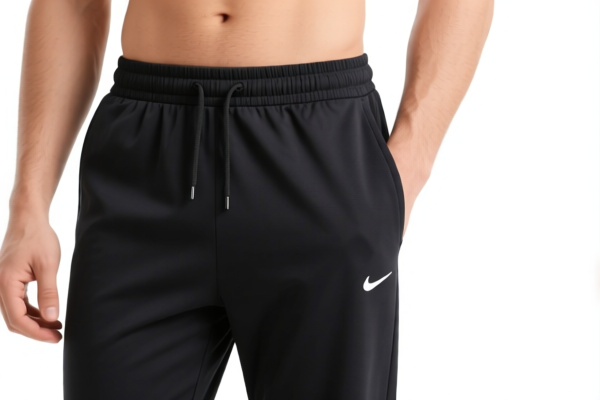

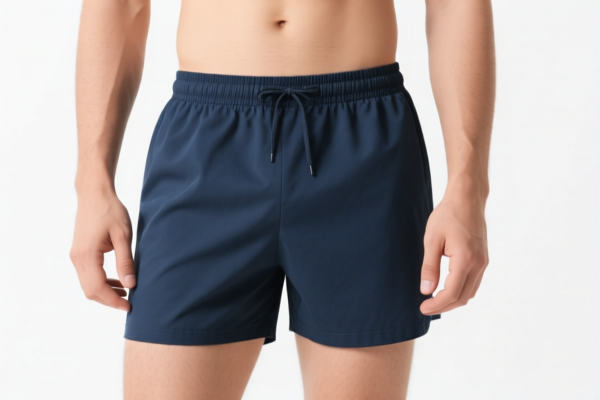
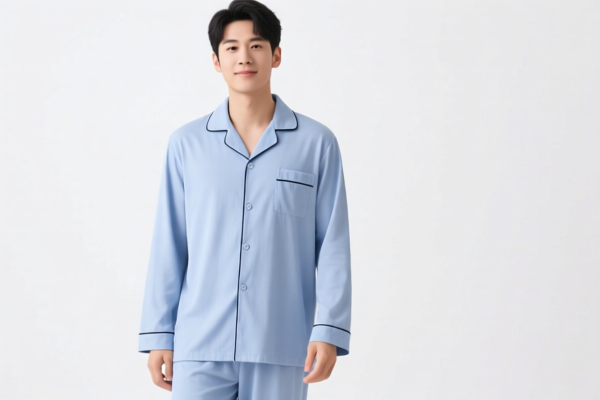
AI Analysis
👖 Men's Long Pants: HS Code Guide & U.S. Customs Strategy (2026)
🌐 HS Code Reference & Clearance Guide | 2026 Latest Tariff Analysis | Professional通关 Strategy
📌 I. Product Definition & Classification: What Exactly Are "Men's Long Pants"?
Men's Long Pants represent a core category in global textile trade, specifically categorized under Chapters 61 (Knitted) and 62 (Woven). The critical distinction for US Customs lies in: 1. Material Composition: Wool vs. Synthetic (Elastic) Fibers. 2. Construction Method: Knitted (Chapter 61) vs. Woven (Chapter 62). 3. Function: Specifically "Men's" (not women's or unisex).
⚠️ Key Differentiation Point: * Wool vs. Synthetic: Determines the specific subheading (6103/6203 vs. 6103/6203). * Knitted (Chapter 61): Made of "elastic fibers" (knitted) → 6103.43.15.20 or 6114.30.30.60. * Woven (Chapter 62): Made of wool or other woven fibers → 6103.41.10.10 or 6203.41.30.10 / 6203.41.60.10.
📦 II. HS Code Classification Details (2026 Tariff Authority)
Based on the provided data, here are the 5 specific HS Codes and their corresponding tax structures for Men's Long Pants imported into the US:
| HS Code | Product Summary | Material/Type | Base Tax | Add-on Tax | Section 122 Tax | Total Effective Tax |
|---|---|---|---|---|---|---|
| 6103.41.10.10 | Wool Men's Long Pants | Knitted, Wool | 61.1¢/kg + 15.8% | +7.5% (Section 301) | +10% (Sec 122) | ~61.1¢/kg + 33.3% |
| 6203.41.30.10 | Wool Men's Long Pants | Woven, Wool | 41.9¢/kg + 16.3% | +7.5% (Section 301) | +10% (Sec 122) | ~41.9¢/kg + 33.8% |
| 6203.41.60.10 | Wool Men's Long Pants | Woven, Wool | 41.9¢/kg + 16.3% | +7.5% (Section 301) | +10% (Sec 122) | ~41.9¢/kg + 33.8% |
| 6114.30.30.60 | Elastic Fiber Men's Pants | Knitted, Synthetic | 14.9% | +7.5% (Section 301) | +10% (Sec 122) | 32.4% |
| 6103.43.15.20 | Elastic Fiber Men's Pants | Knitted, Synthetic | 28.2% | 0.0% | +10% (Sec 122) | 38.2% |
🔍 Critical Analysis: * Wool Products (6103.41.10.10, 6203.41.30.10, 6203.41.60.10): Suffer from Weighted Duties (¢/kg) PLUS Ad Valorem (percentage). Combined with Section 301 (7.5%) and Section 122 (10%), the tax burden is heavy. * Synthetic "Elastic" Knits (6114.30.30.60): The most tax-efficient option in terms of percentage (32.4%) but still carries significant Section 122/301 taxes. * Synthetic "Elastic" Knits (6103.43.15.20): Unique case! Base tax is 28.2%, but Section 301 Add-on is 0.0%. Total is 38.2%. This implies specific material composition or origin rules exempted it from the 7.5% penalty.
💰 III. 2026 US Tariff Rate Breakdown (China Origin)
✅ Applicable Market: USA (US)
✅ Country of Origin: China (CN)
✅ Effective Date: Current 2026 Tariff Structure
🎯 1. Wool Pants (All Codes: 6103.41.10.10, 6203.41.30.10, 6203.41.60.10)
- Base Duty: Mixed (Specific:
¢/kg+ Ad Valorem%)- Knitted Wool (6103):
61.1¢/kg + 15.8% - Woven Wool (6203):
41.9¢/kg + 16.3%
- Knitted Wool (6103):
- Section 301 (Add-on): +7.5% (Applied on top of Base Duty).
- Section 122 (Retaliation/China): +10% (Applied on top of Base Duty).
- Total Calculation:
- Knitted:
61.1¢/kg+ (15.8%+7.5%+10%) =61.1¢/kg+ 33.3% - Woven:
41.9¢/kg+ (16.3%+7.5%+10%) =41.9¢/kg+ 33.8%
- Knitted:
- Legal Path:
Chapter 61/62→Heading 6103/6203→Specific Subheading→Footnote: 9903.88 (Section 301)+9903.xx (Section 122).
📌 Note: Wool pants incur a Specific Duty (per kg) which penalizes heavy garments. Lighter wool pants are significantly cheaper tax-wise.
🎯 2. Elastic/Synthetic Knitted Pants (6114.30.30.60)
- Base Duty: 14.9%
- Section 301 (Add-on): +7.5%
- Section 122 (Retaliation/China): +10%
- Total: 32.4%
- Legal Path:
Chapter 61→Heading 6114→Specific Subheading→Section 301+Section 122.
📌 Note: This is the most common "sportswear" or "stretch" pant category. It avoids the heavy
¢/kgweight tax but hits a high ad valorem total.
🎯 3. Elastic/Synthetic Knitted Pants (6103.43.15.20)
- Base Duty: 28.2%
- Section 301 (Add-on): 0.0% (Unique Exemption!)
- Section 122 (Retaliation/China): +10%
- Total: 38.2%
- Legal Path:
Chapter 61→Heading 6103→Specific Subheading→Section 122only.
📌 Note: This specific code likely refers to pants with a specific synthetic blend (e.g., Spandex-heavy) that qualifies for a Section 301 exemption, but still faces the Section 122 penalty.
🛠️ IV. Customs Clearance Practical Advice (Real-World Pitfall Avoidance)
✅ 1. Critical Documentation Checklist
| Document | Requirement | Why it Matters |
|---|---|---|
| Fiber Composition Statement | ✔️ Mandatory | Must explicitly state "% Wool" vs. "% Synthetic/Elastic". Wrong % = Wrong HS Code = Seizure. |
| Knitted vs. Woven Certificate | ✔️ Mandatory | Proof of manufacturing method (Knitting vs. Weaving) is the primary split between Ch 61 and Ch 62. |
| Weight Declaration | ✔️ Mandatory | Crucial for Wool codes! Duty is calculated per kg. Inaccurate weight = Underpayment penalty. |
| Sample Photos | ✔️ Recommended | Show cuffs, waistbands, and fabric texture to prove "Elastic" vs. "Regular Wool". |
| Country of Origin Cert | ✔️ Mandatory | To confirm China origin and apply the correct Section 122/301 taxes. |
✅ 2. Declaration Strategy (The "Keyword" Rule)
🔥 "Material First, Method Second, Purpose Third!"
| Scenario | Correct Declaration | Incorrect (Risk) |
|---|---|---|
| Wool Suit Pants | "Men's Wool Knitted Long Pants, 100% Wool" | "Wool Pants" (Too vague) |
| Stretch Jeans | "Men's Synthetic Knitted Long Pants, Elastic Fiber" | "Denim Pants" (Could be classified as woven) |
| Heavy Wool Winter Pants | "Men's Wool Knitted Pants, 80% Wool, 20% Elastane" | "Pants" (Misses weight duty triggers) |
| Spandex Blend | "Men's Elastic Fiber Knitted Pants, 6103.43.15.20" | "Sport Pants" (Generic terms trigger audits) |
✅ 3. Special Handling: The "Weight Tax" Trap (Wool)
For HS Codes 6103.41.10.10 and 6203.41.30.10/60.10, the duty includes a ¢/kg charge.
* Risk: If you pack pants in heavy cardboard boxes or use water-absorbing packaging, the net weight for duty calculation might be disputed.
* Solution: Declare Net Weight clearly. Ensure packaging is lightweight.
* Optimization: If possible, source Synthetic (Elastic) pants (6114.30.30.60) which avoids the ¢/kg calculation entirely, often resulting in lower costs for heavier garments.
🌍 V. Global Comparison: US vs. Others (2026 Context)
| Market | Recommended HS Code | Base Tax (China) | Add-ons | Total Est. | Comment |
|---|---|---|---|---|---|
| 🇺🇸 USA | 61/62 Series (As above) | 14.9% - 28.2% | +17.5% (301+122) | 32.4% - 38.2% (+Weight) | Highest barrier due to Section 122. |
| 🇪🇺 EU | 61/62 Series | 8% - 12% | 0% (No Section 122) | ~10% | Much cheaper, but strict labor rules. |
| 🇨🇦 Canada | 61/62 Series | 8% - 12% | 0% | ~10% | Free trade agreement often applies. |
| 🇯🇵 Japan | 61/62 Series | 8% - 12% | 0% | ~10% | No Section 301/122 penalties. |
📌 Conclusion: The US market is the most expensive for Men's Long Pants due to the combination of Base Duty + Section 301 (7.5%) + Section 122 (10%). * Strategy: If the profit margin is thin, consider shifting production to Vietnam or Mexico (if applicable) to bypass the Section 122/301 penalties, potentially reducing taxes by 17.5%.
📌 VI. Common Errors & "Blood & Tears" Lessons
❌ Error 1: Misidentifying "Elastic" as "Woven"
* Scenario: Selling "Stretch Wool Pants" but classifying them as Woven (6203) instead of Knitted (6103).
* Consequence: Wrong ¢/kg rate applied. If you underpaid, you face back taxes + 10% penalty.
❌ Error 2: Ignoring the "Per Kg" Charge * Scenario: Wool pants (6103.41.10.10) are heavy. You calculate tax only on Value. * Consequence: You missed the 61.1¢/kg charge. Customs will audit and demand full payment + interest.
❌ Error 3: Mixing Section 122 Exemptions * Scenario: Assuming 6103.43.15.20 is exempt from ALL Section 301 taxes. * Consequence: It IS exempt from the 7.5% Section 301 tax, BUT NOT from the 10% Section 122 tax. Total is still 38.2%, not 28.2%.
✅ Correct Approach:
"Men's Knitted Long Pants, 100% Wool, Net Weight 0.5kg, Value $15.00. HS Code: 6103.41.10.10." Check:
(0.5 * 61.1¢) + ($15 * 33.3%)= Total Duty.
🎯 VII. Final Verdict: Professional Clearance Strategy
🎯 Key Takeaway for Importers:
🔹 "Wool = Heavy Weight Tax + High %; Synthetic = High % Only." 🔹 "Section 122 is the Silent Killer: Add 10% to EVERYTHING." 🔹 "Section 301 is Avoidable: Check 6103.43.15.20 for 0% penalty."
Recommended Action Plan: 1. Audit Material: Verify exact fiber % (Wool vs. Synthetic). 2. Verify Method: Confirm Knitted vs. Woven (Check fabric swatch). 3. Calculate Weight: Ensure packaging doesn't inflate net weight. 4. Check Origin: If possible, move supply chain to non-China to avoid Section 122 (10%) and Section 301 (7.5%).
📌 Pro Tip: If your pants are made of "Elastic Fiber" (Synthetic), the 6103.43.15.20 code is your best friend in the US market IF you can prove the material composition avoids the 7.5% Section 301 penalty.
📣 Immediate Action:
📞 Contact your customs broker to verify 6103.43.15.20 eligibility for your specific synthetic blend. 🚀 Avoid the "Weight Tax" on Wool if possible! Switch to Synthetic Blends for better margins!
✨ Professional Classification, Smart Cost Control! 💼 Your Pants, Your Profit. Get the Code Right Today!
Customer Reviews
About HS Code Classification
The Harmonized System (HS) is an internationally standardized nomenclature developed by the World Customs Organization (WCO) to classify traded products. Over 200 countries use the HS system as the basis for customs tariffs, trade statistics, and import/export regulations.
Each HS code follows a hierarchical structure:
- Chapter (2 digits) — Broad category of goods (e.g., Chapter 84: Machinery and Mechanical Appliances)
- Heading (4 digits) — More specific grouping within the chapter
- Subheading (6 digits) — Internationally standardized breakdown, used by all WCO member countries
- National subdivisions (8-10 digits) — Country-specific extensions for further classification, such as US HTSUS 10-digit codes
Correct HS code classification is essential for smooth customs clearance, accurate duty payment, and compliance with trade regulations. Misclassification can lead to customs delays, overpayment of duties, or penalties.
When importing from CN to US, the applicable tariff rates may include:
- Most-Favored-Nation (MFN) rate — The standard duty rate applied to WTO members
- General rate — Applied to countries without trade agreements
- Trade remedy duties — Additional tariffs such as Section 301 (anti-dumping), Section 232 (national security), or countervailing duties
The information provided on this page is for reference purposes only. For official classification, please consult with your local customs authority or a licensed customs broker.