Men's Outdoor Leather Gloves (Unlined)
CN → US| HS Code | Tariff Rate | Origin | Destination | Doc |
|---|---|---|---|---|
| 4205008000 | 35.0% | CN | US | Official Doc |
| 4205006000 | 39.9% | CN | US | Official Doc |
| 6216009000 | 21.3% | CN | US | Official Doc |
Product Images
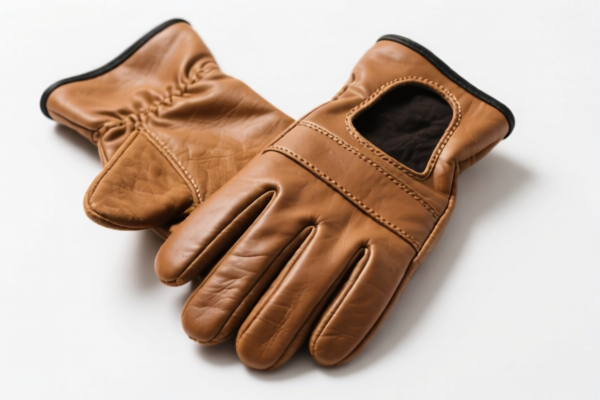
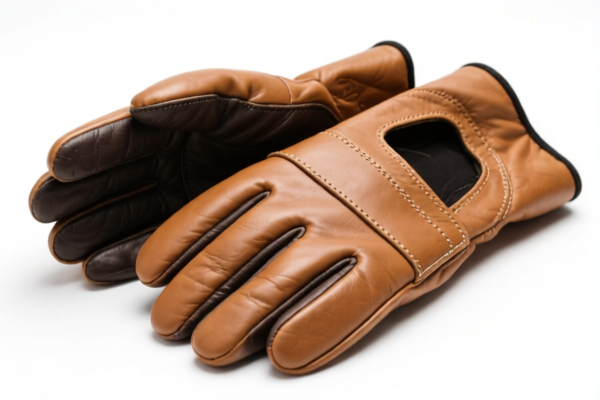
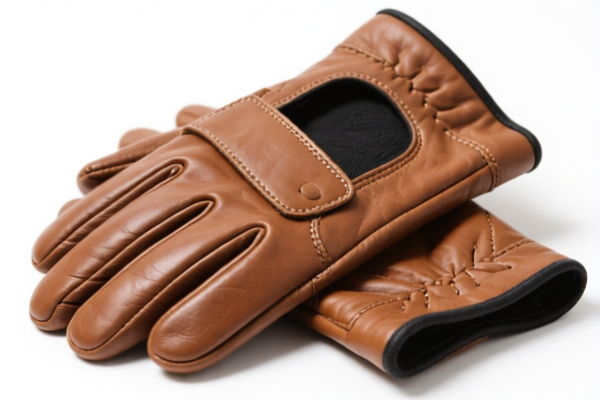
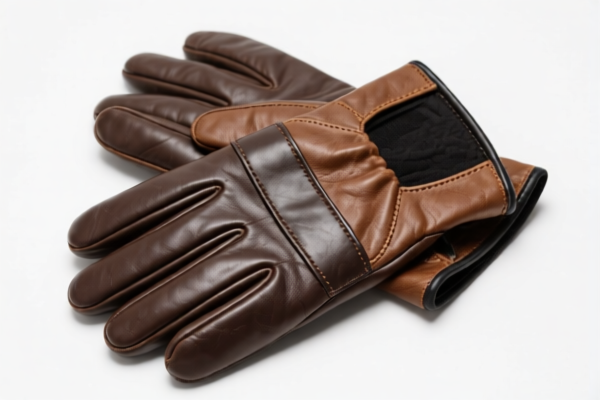
AI Analysis
🧤 Men's Outdoor Leather Gloves (Unlined)
🌐 HS Code Reference & Customs Clearance Guide | 2024 Tariff Structure | Strategic Compliance Strategy
📌 I. Product Definition & Classification: What Are "Unlined Leather Gloves"?
Men's Outdoor Leather Gloves (Unlined) are protective handwear made primarily from leather, designed for outdoor activities without thermal lining. In international trade, the classification hinges on two critical factors:
1. Material: Specifically "Leather" (excluding reptilian skin unless specified otherwise).
2. Structure: "Unlined" implies no additional fabric or thermal backing, often affecting duty rates depending on the specific leather type and finish.
⚠️ Key Distinction:
- If the leather is from reptiles (e.g., alligator, crocodile), it falls under Chapter 42 (Articles of Leather);
- If the leather is from mammals (e.g., cow, sheep, goat), it may fall under Chapter 62 (Articles of Apparel) if considered "other," or Chapter 42 if deemed "other articles of leather."
- Crucial Note: The provided data highlights conflicting classifications based on interpretation of "Leather" vs. "Other Leather Articles."
📦 II. HS Code Classification Breakdown (Based on Provided Data)
| HS Code | Summary/Description | Tax Rate | Tax Detail |
|---|---|---|---|
4205.00.80.00 |
Other Leather Articles: Gloves made of leather, categorized under "other leather articles." | 35.0% | Base: 0.0%, Section 301: 25.0%, Section 122: 10.0% |
4205.00.60.00 |
Other Leather Articles: Leather goods including reptile/other leather, classified as "other." | 39.9% | Base: 4.9%, Section 301: 25.0%, Section 122: 10.0% |
6216.00.90.00 |
Gloves, Mittens, and Mufflers (Other): Gloves classified as "other" apparel items, with no specific exclusions for material. | 21.3% | Base: 3.8%, Section 301: 7.5%, Section 122: 10.0% |
🔍 Critical Analysis of Discrepancies:
- Chapter 42 (4205.x) treats gloves as "articles of leather," not apparel. This is common for thick, unlined, or heavy-duty leather gloves.
- Chapter 62 (6216.x) treats gloves as "apparel." This is often applied to lighter, fashion, or lined gloves, but can apply to unlined if deemed "other."
- Tax Implication:6216.00.90.00offers the lowest total duty (21.3%), while4205.00.60.00is the highest (39.9%). The choice depends on precise material verification (e.g., is it reptile leather? Is it "other" leather?).
💰 III. 2024 Tariff Rate Breakdown (USA Market)
✅ Applicable Country: USA
✅ Origin: China (CN)
✅ Effective Time: Current trade terms (Section 301 & 122 tariffs apply)
🎯 1. 4205.00.80.00 – Other Leather Articles (General Leather)
| Item | Detail |
|---|---|
| Base Duty | 0.0% |
| Section 301 Duty | +25.0% |
| Section 122 Duty | +10.0% |
| Total Duty | 35.0% |
| De Minimis Exemption? | ❌ No (Value likely exceeds $800, and Section 301/122 apply) |
| Legal Basis | USITC:4205.00.80.00 + Footnote 301:25% + Footnote 122:10% |
📌 Explanation:
- This classification assumes the gloves are "other articles of leather" not elsewhere specified.
- High Duty Risk: The absence of a base duty makes the full burden fall on punitive tariffs.
🎯 2. 4205.00.60.00 – Other Leather Articles (Reptile/Other Special Leather)
| Item | Detail |
|---|---|
| Base Duty | 4.9% |
| Section 301 Duty | +25.0% |
| Section 122 Duty | +10.0% |
| Total Duty | 39.9% |
| De Minimis Exemption? | ❌ No |
| Legal Basis | USITC:4205.00.60.00 + Footnote 301:25% + Footnote 122:10% |
📌 Warning:
- This rate applies if the leather is classified under a specific "other" subheading that incurs a base duty.
- Highest Cost: This is the most expensive option. Avoid unless the material is definitively reptile or a specific "other" leather with this subheading.
🎯 3. 6216.00.90.00 – Other Gloves (Apparel Category)
| Item | Detail |
|---|---|
| Base Duty | 3.8% |
| Section 301 Duty | +7.5% |
| > Note: Data shows 7.5% for Section 301 here, which is significantly lower than 25% in Chapter 42. | |
| Section 122 Duty | +10.0% |
| Total Duty | 21.3% |
| De Minimis Exemption? | ❌ No |
| Legal Basis | USITC:6216.00.90.00 + Footnote 301:7.5% (Specific to this subheading) + Footnote 122:10% |
📌 Strategic Advantage:
- Lowest Duty: At 21.3%, this is the optimal classification if the gloves can be legally classified as "other gloves" under Chapter 62.
- Condition: Must prove they are "gloves" in the apparel sense, not "articles of leather" in the manufacturing sense. Unlined gloves can fall here if they are not considered "industrial" or "specialty leather articles."
🛠️ IV. Customs Clearance Recommendations (Best Practices)
✅ 1. Documentation Checklist
| Document | Required | Notes |
|---|---|---|
| Commercial Invoice | ✔️ | Clearly state "Men's Outdoor Leather Gloves, Unlined." |
| Product Description | ✔️ | Specify leather type (e.g., "Cowhide," "Goatskin"). Avoid "Reptile" unless true. |
| Material Composition | ✔️ | 100% Leather? Any fabric lining? (State "Unlined" explicitly). |
| HS Code Justification | ✔️ | Support for 6216.00.90.00 vs. 4205.00.80.00. |
| Photos | ✔️ | Show gloves from multiple angles, highlighting lack of lining. |
✅ 2. Classification Strategy
🔥 Rule of Thumb:
"Apparel vs. Article: Is it for wear or for use?"
| Scenario | Recommended HS Code | Rationale |
|---|---|---|
| Fashion/Outdoor Unlined Gloves | 6216.00.90.00 |
Classify as "Gloves" (Apparel). Lowest duty (21.3%). |
| Heavy-Duty Industrial Leather Gloves | 4205.00.80.00 |
Classify as "Other Leather Articles." Higher duty (35.0%). |
| Reptile Skin Gloves | 4205.00.60.00 |
Specific subheading for non-mammal leather. Highest duty (39.9%). |
📌 Key Tip:
- Argue for6216.00.90.00if the gloves are for general outdoor use (e.g., cycling, hiking, motorcycle) and are not specialized industrial gear.
- Avoid4205.00.60.00unless you are certain the leather is reptile or a specific "other" category that triggers the higher base duty.
✅ 3. Risk Mitigation
| Risk | Mitigation Strategy |
|---|---|
| Misclassification | Provide clear product images and material specs. If challenged, be prepared to justify why it’s not "industrial leather article." |
| Tariff Burden | Calculate landed cost using the 21.3% rate for planning. If customs insists on 35.0%, factor in the difference. |
| Section 122 Impact | All classifications include a 10% Section 122 duty. No avoidance possible without origin change. |
🌍 V. Global Market Comparison (USA vs. Others)
| Market | Recommended HS Code | Duty Rate (China Origin) | Notes |
|---|---|---|---|
| 🇺🇸 USA | 6216.00.90.00 |
21.3% | Best rate. Includes 301 & 122 tariffs. |
| 🇪🇺 EU | 4205.00.80.00 |
~10-12% | No Section 301/122. Lower overall cost. |
| 🇨🇳 China | 4205.00.80.00 |
~10-12% | Import duties apply, but no punitive tariffs. |
📌 Conclusion:
- USA Market is Most Expensive due to Section 301 (7.5-25%) and Section 122 (10%) tariffs.
- Optimization: Successfully classifying under6216.00.90.00saves 13.7% compared to4205.00.80.00.
📌 VI. Common Errors & Pitfalls
❌ Error 1: Assuming all leather gloves are Chapter 42.
👉 Fix: Many leather gloves are classified as apparel (Chapter 62) if they are not "industrial" or "specialty."
❌ Error 2: Using "Reptile Leather" claim without proof.
👉 Fix: If not reptile, do not use 4205.00.60.00. It triggers a higher base duty (4.9%) unnecessarily.
❌ Error 3: Ignoring Section 122.
👉 Fix: All HS Codes in the provided data include a 10% Section 122 duty. This is non-negotiable for China-origin goods.
✅ Best Practice:
"Specify 'Unlined' and 'General Use' to support Chapter 62 classification. Avoid 'Reptile' unless verified."
🎯 VII. Final Recommendation
🎯 Action Plan:
1. Classify as 6216.00.90.00 if the gloves are general outdoor fashion/wear.
- Duty: 21.3%
- Savings: 13.7% vs. Chapter 42
2. If Customs Challenges:
- Provide evidence that gloves are not "industrial" or "specialty."
- Highlight "unlined" nature as apparel-friendly.
3. Never Use 4205.00.60.00 unless you have reptile leather.
- Duty: 39.9% (Highest)
📌 Pro Tip:
"Your HS Code choice directly impacts your profit margin. A 13.7% difference is significant. Always aim for the lowest lawful rate (
6216.00.90.00) and defend it with clear product descriptions."
📣 Next Steps:
📞 Consult a Customs Broker: Confirm if your specific leather type qualifies for Chapter 62.
📄 Prepare Documentation: Ensure invoices clearly state "Unlined Leather Gloves."
🚀 Optimize Landed Cost: Use the 21.3% rate for financial planning.
✨ Smart Classification = Lower Duties = Higher Profits!
💼 Don't let misclassification eat your margins!
Customer Reviews
About HS Code Classification
The Harmonized System (HS) is an internationally standardized nomenclature developed by the World Customs Organization (WCO) to classify traded products. Over 200 countries use the HS system as the basis for customs tariffs, trade statistics, and import/export regulations.
Each HS code follows a hierarchical structure:
- Chapter (2 digits) — Broad category of goods (e.g., Chapter 84: Machinery and Mechanical Appliances)
- Heading (4 digits) — More specific grouping within the chapter
- Subheading (6 digits) — Internationally standardized breakdown, used by all WCO member countries
- National subdivisions (8-10 digits) — Country-specific extensions for further classification, such as US HTSUS 10-digit codes
Correct HS code classification is essential for smooth customs clearance, accurate duty payment, and compliance with trade regulations. Misclassification can lead to customs delays, overpayment of duties, or penalties.
When importing from CN to US, the applicable tariff rates may include:
- Most-Favored-Nation (MFN) rate — The standard duty rate applied to WTO members
- General rate — Applied to countries without trade agreements
- Trade remedy duties — Additional tariffs such as Section 301 (anti-dumping), Section 232 (national security), or countervailing duties
The information provided on this page is for reference purposes only. For official classification, please consult with your local customs authority or a licensed customs broker.