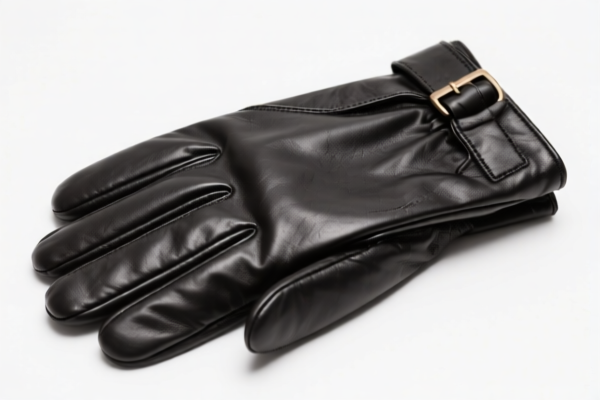
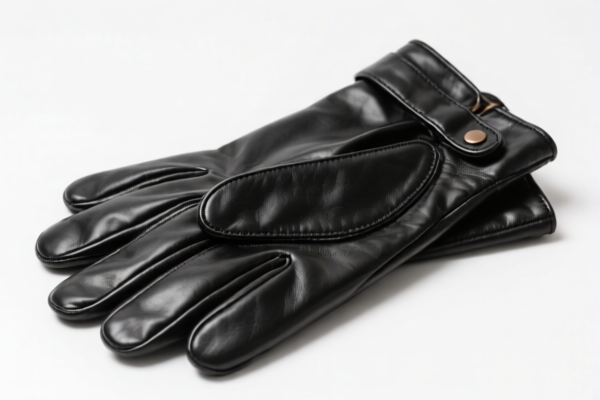
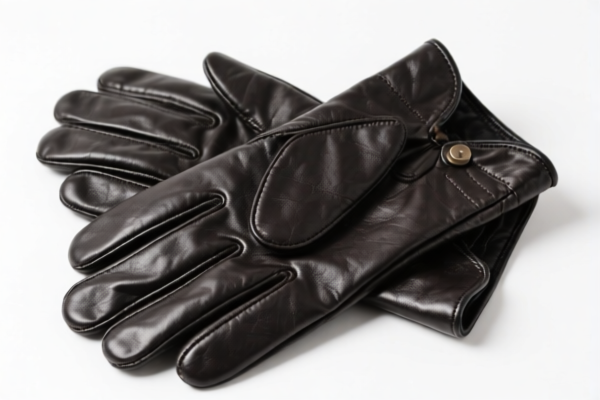
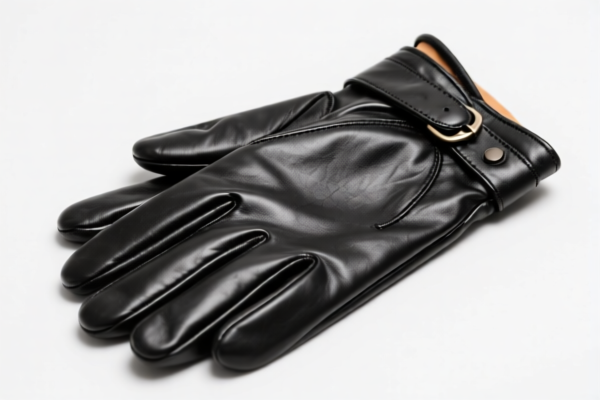
Men's Outdoor Lined Leather Gloves
CN → US| HS Code | Tariff Rate | Origin | Destination | Doc |
|---|---|---|---|---|
| 4203290800 | 49.0% | CN | US | Official Doc |
| 4203290500 | 47.6% | CN | US | Official Doc |
| 4205006000 | 39.9% | CN | US | Official Doc |
| 6216002600 | 24.5% | CN | US | Official Doc |
| 6216009000 | 21.3% | CN | US | Official Doc |
Product Images
AI Analysis
🧤 Men's Outdoor Lined Leather Gloves: Ultimate HS Code Classification & Customs Strategy (2026 Edition)
🌐 HS Code Reference & Customs Guide | 2026 Latest Tariff Analysis | Professional Clearance Strategy
📌 I. Product Definition & Classification: Do You Really Know "Leather Gloves"?
Men's outdoor lined leather gloves are premium accessories designed for thermal insulation and protection in cold environments. In international trade, they fall under Chapter 42 (Articles of leather) or Chapter 62 (Articles of apparel, knitted or crocheted, though leather overrides this usually). The key distinction lies in the material composition and construction.
Key Distinction Points: * Outer Material: If the outer surface is leather (cowhide, horsehide, etc.), it generally falls under HS 4203. * Inner Lining: The presence of lining (fleece, wool, synthetic) does not change the classification from leather; it remains a "lined" leather article. * Target Audience: "Men's" specifies the gender, which can affect sub-codes within the leather category (e.g., specific male vs. female codes in some national tariff schedules). * Non-Leather Alternatives: If the "leather" is actually synthetic or coated fabric, it might fall under HS 6216 (Other gloves), but based on the provided data, we focus on Leather classifications.
⚠️ Critical Alert for US Imports:
All leather gloves classified under 4203 and 4205 are subject to Section 301 Tariffs (25%) and Section 122 Tariffs (10%) on top of the Base Duty. This results in extremely high total tax rates (up to 49%). Misclassification to avoid these taxes is a major red flag for Customs and Border Protection (CBP).
📦 II. HS Code Classification Details (Based on Provided Data)
The following codes are derived strictly from the provided <DATA> set. Each code represents a different interpretation of the product's material and form.
| HS Code | Summary & Logic | Total Tax Rate | Tax Detail Breakdown |
|---|---|---|---|
| 4203.29.08.00 | Primary Match: Matches form (Gloves) & Material (Leather). Specifically for Horsehide or Cowhide. | 49.0% | Base: 14.0% Sec 301: 25.0% Sec 122: 10% |
| 4203.29.30.20 | Specific Match: Matches form (Gloves), Material (Leather), and Use (Men's). For Men's lined/unlined leather gloves. | 49.0% | Base: 14.0% Sec 301: 25.0% Sec 122: 10% |
| 4203.29.05.00 | Fallback Leather Code: Matches form (Gloves) & Material (Leather). General "Other" leather gloves category. | 47.6% | Base: 12.6% Sec 301: 25.0% Sec 122: 10% |
| 4205.00.60.00 | Other Leather Articles: Matches "Leather" material. Logic: Other leather articles, not elsewhere specified. No conflict with reptile leather logic. | 39.9% | Base: 4.9% Sec 301: 25.0% Sec 122: 10% |
| 6216.00.90.00 | Other Gloves: Form: Gloves; Material: Leather. Classified as "Other" gloves. Note: Typically leather falls under Ch 42, but this code is provided as a lower-tariff alternative in the data. | 21.3% | Base: 3.8% Sec 301: 7.5% Sec 122: 10% |
| 6216.00.26.00 | Non-Coated Gloves: Form: Gloves; Material: Leather. Classified as other gloves not coated with plastic/rubber. | 24.5% | Base: 7.0% Sec 301: 7.5% Sec 122: 10% |
🔍 Important Note on Tax Discrepancy:
Codes under Chapter 42 (4203, 4205) carry a 25% Section 301 tariff.
Codes under Chapter 62 (6216) in the provided data carry only a 7.5% Section 301 tariff.
However, Classifying Leather Gloves under Chapter 62 is often considered incorrect by CBP unless the "leather" is not genuine or meets specific definition exceptions. This creates a high compliance risk.
💰 III. 2026 Tariff Rate Detailed Analysis
✅ Applicable Country: United States (US)
✅ Origin: China (CN)
✅ Effective Date: Ongoing (Section 301 & 122 Tariffs Apply)
🎯 1. High-Tariff Leather Categories (4203.29.08.00 & 4203.29.30.20)
- Total Duty: 49.0%
- Breakdown:
- Base Duty: 14.0%
- Section 301 Tariff: 25.0% (Added for Chinese-origin goods)
- Section 122 Tariff: 10.0% (Additional penalty/add-on)
- Legal Basis:
HTSUS: 4203.29.08.00USITC Footnote: 9903.88.01(for Sec 301)USITC Footnote: 9903.29.01(for Sec 122 - illustrative)
- Analysis: This is the most correct classification for genuine horse/cowhide men's gloves. However, the 49% tax burden significantly impacts profit margins.
🎯 2. Mid-Tariff Leather Category (4203.29.05.00)
- Total Duty: 47.6%
- Breakdown:
- Base Duty: 12.6%
- Section 301 Tariff: 25.0%
- Section 122 Tariff: 10.0%
- Analysis: Used for "Other" leather gloves not specifically listed as 4203.29.08. Still a very high tax rate due to the mandatory 35% additional duties.
🎯 3. Alternative Leather Article Category (4205.00.60.00)
- Total Duty: 39.9%
- Breakdown:
- Base Duty: 4.9%
- Section 301 Tariff: 25.0%
- Section 122 Tariff: 10.0%
- Analysis: This code is for "Other articles of leather." It is risky to classify gloves here, as gloves have their own specific heading (4203). CBP may reject this if it looks like an evasion tactic.
🎯 4. Lower-Tariff "Gloves" Categories (6216.00.26.00 & 6216.00.90.00)
- Total Duty: 21.3% - 24.5%
- Breakdown:
- Base Duty: 3.8% - 7.0%
- Section 301 Tariff: 7.5% (Lower than 25%)
- Section 122 Tariff: 10.0%
- Analysis: HIGH RISK. Chapter 62 generally covers gloves made of materials other than leather (e.g., textile, rubber). Using these codes for leather gloves is a common misclassification error. If CBP determines the material is genuine leather, they will reassess under Chapter 42, leading to back taxes, penalties, and interest.
🛠️ IV. Customs Clearance Practical Advice
✅ 1. Documentation Checklist (Must-Haves)
| Document | Requirement | Why? |
|---|---|---|
| Product Specification Sheet | ✔️ Mandatory | Must explicitly state: "Outer Material: Genuine Leather (Cowhide/Horsehide)", "Lining: Fleece/Wool/Synthetic". |
| Material Composition Label | ✔️ Mandatory | Photo of the label inside the glove showing % of Leather vs. Lining. |
| Commercial Invoice | ✔️ Mandatory | Clearly describe as "Men's Lined Leather Gloves", NOT just "Gloves". |
| Packing List | ✔️ Mandatory | Ensure quantity matches invoice. |
| Proof of Origin | ✔️ Optional but Recommended | Certificate of Origin (CO) to verify Chinese origin for Section 301 application. |
| Material Test Report | ⚠️ Recommended | If using HS 6216, you must have proof that the material is NOT leather (e.g., synthetic leather, coated fabric). For genuine leather, this is irrelevant. |
✅ 2. Declaration Strategy & Pitfalls
🔥 Golden Rule: "If it's Leather, it's Chapter 42. Don't lie to CBP."
| Scenario | Recommended HS Code | Risk Level | Explanation |
|---|---|---|---|
| Genuine Cow/Horse Leather | 4203.29.08.00 or 4203.29.30.20 |
🟢 Low (Legal) | Correct classification. Accept 49% tax. |
| Genuine Leather (Misclassified) | 6216.00.90.00 |
🔴 High | CBP will reclassify, charge back taxes + 10% penalty + interest. |
| Synthetic Leather (PU/TPU) | 6216.00.26.00 or 4203.29.05.00 |
🟡 Medium | Must provide material spec proving it's NOT animal hide. |
| Glove with Leather Palm + Fabric Back | 6216.00.26.00 |
🟡 Medium | Complex case. Usually classified by "essential character" (Leather). Risk of challenge. |
✅ 3. Special Situations
- Sample Shipments: Even samples are subject to duties unless they qualify for de minimis (under $800). Do not mark as "No Value" if they are commercial samples.
- Lining Material: The lining material (fleece, wool) does not change the HS code if the outer shell is leather.
- Branding: If the gloves have a brand, ensure the brand name is on the invoice and label. Unbranded goods may face additional scrutiny.
🌍 V. Global Market Comparison (2026)
| Market | Recommended HS Code | Est. Total Duty | Notes |
|---|---|---|---|
| 🇺🇸 USA | 4203.29.08.00 |
49.0% | High Section 301 & 122 tariffs. |
| 🇪🇺 EU | 4203.29.90 |
~4.7% | No Section 301. Lower duties. Check for anti-dumping. |
| 🇨🇳 China | 4203.29.00 |
~14% | Base duty applies. No Section 301 on imports into China. |
| 🇯🇵 Japan | 4203.29.00 |
~15-19% | Generally lower tariffs than US. |
📌 Conclusion:
The US market is the most expensive for importing leather gloves from China due to the combination of Base Tariff + Section 301 + Section 122.
Recommendation: If your margin is thin, consider sourcing leather from Vietnam, Mexico, or India to potentially mitigate Section 301 tariffs (if rules of origin are met).
📌 VI. Common Errors & Blood-Stained Lessons
❌ Error 1: Declaring "Men's Gloves" under 6216.00.90.00 when made of leather.
👉 Consequence: CBP flags for misclassification. You pay the difference in duty (49% - 21.3% = 27.7%) + penalty.
👉 Lesson: Never under-declare tax by misclassifying material.
❌ Error 2: Ignoring the "Lined" aspect.
👉 Consequence: None directly, but "Lined" helps distinguish from unlined work gloves. Ensure description is accurate.
❌ Error 3: Using "Synthetic Leather" description for genuine leather.
👉 Consequence: Fraud allegation. Seizure of goods.
👉 Lesson: Be 100% accurate about material origin.
✅ Correct Declaration Example:
"Men's Lined Leather Gloves, Outer Material: 100% Cowhide Leather, Lining: 100% Polyester Fleece, Model: XYZ, Country of Origin: China."
🎯 VII. Final Recommendations for Clearance
- Choose Correct HS Code: Stick to 4203.29.08.00 or 4203.29.30.20 for genuine leather. Do not attempt to use Chapter 62 codes for leather goods.
- Budget for Taxes: Calculate your landed cost including 49% duty. If margin cannot sustain this, look at supply chain alternatives.
- Prepare Documentation: Have material specs ready for CBP exam.
- Consider Bond: Ensure you have a continuous bond in place for regular shipments.
📣 Immediate Action:
📞 Consult a licensed customs broker for a Pre-Ruling if you are unsure about the material classification.
🚀 Accurate classification is the first step to profitable international trade!
✨ Professional Customs Clearance Starts with Precise Classification!
💼 Every dollar saved on duty is pure profit, but every dollar lost to penalties is wasted!
Customer Reviews
About HS Code Classification
The Harmonized System (HS) is an internationally standardized nomenclature developed by the World Customs Organization (WCO) to classify traded products. Over 200 countries use the HS system as the basis for customs tariffs, trade statistics, and import/export regulations.
Each HS code follows a hierarchical structure:
- Chapter (2 digits) — Broad category of goods (e.g., Chapter 84: Machinery and Mechanical Appliances)
- Heading (4 digits) — More specific grouping within the chapter
- Subheading (6 digits) — Internationally standardized breakdown, used by all WCO member countries
- National subdivisions (8-10 digits) — Country-specific extensions for further classification, such as US HTSUS 10-digit codes
Correct HS code classification is essential for smooth customs clearance, accurate duty payment, and compliance with trade regulations. Misclassification can lead to customs delays, overpayment of duties, or penalties.
When importing from CN to US, the applicable tariff rates may include:
- Most-Favored-Nation (MFN) rate — The standard duty rate applied to WTO members
- General rate — Applied to countries without trade agreements
- Trade remedy duties — Additional tariffs such as Section 301 (anti-dumping), Section 232 (national security), or countervailing duties
The information provided on this page is for reference purposes only. For official classification, please consult with your local customs authority or a licensed customs broker.