Men's Overcoat, Short Jacket, Cape, Cloak
CN → US| HS Code | Tariff Rate | Origin | Destination | Doc |
|---|---|---|---|---|
| 6113009025 | 24.6% | CN | US | Official Doc |
| 6113009015 | 24.6% | CN | US | Official Doc |
| 6210205010 | 24.6% | CN | US | Official Doc |
| 6210209010 | 23.7% | CN | US | Official Doc |
Product Images
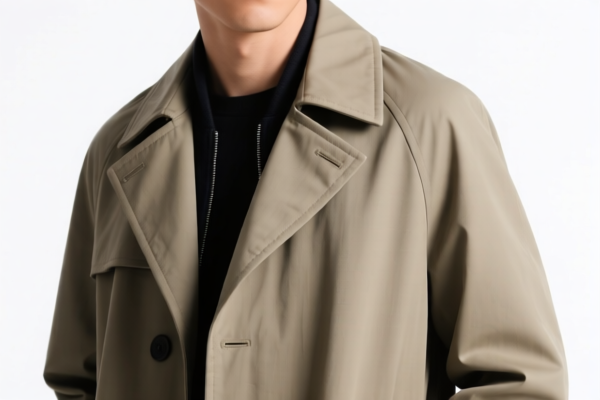
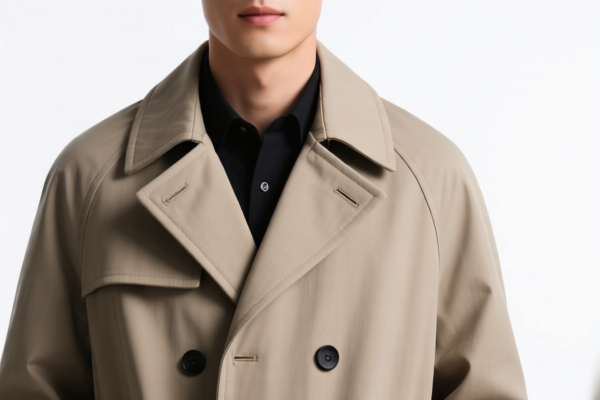
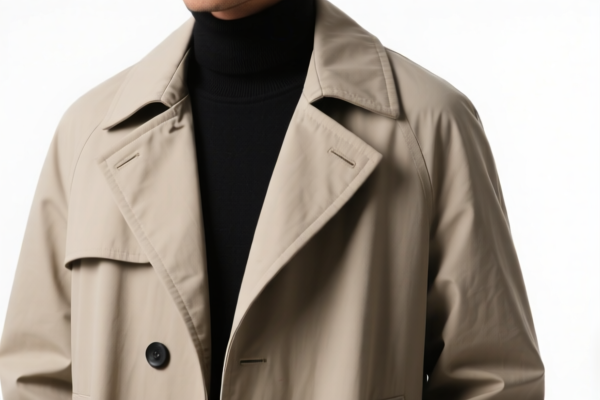

AI Analysis
👔 Men's Overcoat, Short Jacket, Cape, Cloak
🌐 HS Code Reference & Customs Clearance Guide | 2024/2025 Latest Tariff Analysis | Professional-Level Clearance Strategy
📌 I. Product Definition & Classification: Do You Really Understand "Outerwear"?
Men's overcoats, short jackets, capes, and cloaks fall under the category of knitted or crocheted or woven garments of headings 61 or 62. The classification hinges on three critical factors: 1. Fabric Type: Cotton, Synthetic Fibers (Man-made), or Other Textiles. 2. Gender: Men's or Boys'. 3. Construction: Knitted/Crocheted (Heading 61) vs. Woven/Non-Knitted (Heading 62).
⚠️ Key Distinction Points:
- If the item is knitted or crocheted (e.g., wool sweater-coats, knit capes) → Look at Chapter 61. - If the item is woven (e.g., wool coats, trench coats, synthetic cloaks) → Look at Chapter 62. - "Cape/Cloak" Specifics: Often classified separately if they don't have sleeves, but if they are loose-fitting overcoats, they may fall under general outerwear categories depending on the fabric and specific design.
📦 II. HS Code Classification Details (Based on Provided Data)
| HS Code | Product Description | Summary & Logic | Total Tax Rate |
|---|---|---|---|
6113.00.90.25 |
Men's/Boys' Overcoats, Capes, Cloaks (Knitted/Crocheted) | Matches men's/boys' overcoats, capes, and similar articles. No material conflict. Implies knitted/crocheted textile structure. | 24.6% |
6113.00.90.15 |
Men's/Boys' Overcoats, Capes, Cloaks (Knitted/Crocheted) | Matches men's/boys' overcoats, capes, and similar articles. Infers cotton or common fabric characteristics based on common sense. | 24.6% |
6210.20.50.10 |
Men's/Boys' Overcoats, Capes, Cloaks (Woven) | Matches the form of overcoats, capes, and similar articles. Infers man-made synthetic fibers based on common sense. | 24.6% |
6210.20.90.10 |
Men's/Boys' Overcoats, Capes, Cloaks (Woven - Other) | Matches the form and use of overcoats, capes, and similar articles. Classified under "Other" category rules, no material conflict. | 23.7% |
🔍 Key Takeaway:
- Headings 6113 vs. 6210: The primary split is between knitted/crocheted (6113) and woven/manufactured (6210) outerwear. - Tax Variance: Most items carry a 24.6% total tax rate, but one specific "Other" woven category (6210.20.90.10) has a slightly lower rate of 23.7%.
💰 III. 2024/2025 Latest Tariff Rate Breakdown (Including Surtaxes & Policy Add-ons)
✅ Applicable Country: United States (US)
✅ Origin: China (CN)
✅ Effective Time: Current as of latest trade data
🎯 1. 6113.00.90.25 & 6113.00.90.15 & 6210.20.50.10 —— General Outerwear (Knitted/Synthetic)
| Item | Detail |
|---|---|
| Base Duty Rate | 7.1% |
| Section 301 Surcharge | 7.5% |
| Section 122 Duty | 10% |
| Total Tax Rate | 24.6% |
| Tax Calculation | CIF Value × 24.6% |
| De Minimis Eligibility | ❌ No (Subject to strict scrutiny for outerwear) |
| Legal Basis Path | Base Tariff → Section 301: 7.5% → Section 122: 10% |
📌 Explanation:
- Base Duty (7.1%): Standard MFN duty for knitted/woven outerwear. - Section 301 (7.5%): Additional duty imposed on Chinese goods under trade war measures. - Section 122 (10%): Additional duty applied to certain textile/apparel imports. - Total: 24.6%. This is a high-cost item for US importers.
🎯 2. 6210.20.90.10 —— Other Woven Outerwear
| Item | Detail |
|---|---|
| Base Duty Rate | 6.2% |
| Section 301 Surcharge | 7.5% |
| Section 122 Duty | 10% |
| Total Tax Rate | 23.7% |
| Tax Calculation | CIF Value × 23.7% |
| De Minimis Eligibility | ❌ No |
| Legal Basis Path | Base Tariff → Section 301: 7.5% → Section 122: 10% |
📌 Note:
- Slightly lower base duty (6.2% vs. 7.1%) results in a 0.9% total tax difference. - Classification under "Other" (90.10) allows for this slight reduction.
🛠️ IV. Customs Clearance Practical Advice (Battle-Tested Pitfall Avoidance Guide)
✅ 1. Documentation Checklist (All Required)
| Document | Required | Notes |
|---|---|---|
| ✅ Product Specification Sheet | ✔️ | Must specify: Fabric content (e.g., 100% Cotton, 100% Polyester), Knitted vs. Woven, Gender, Style. |
| ✅ Fabric Composition Certificate | ✔️ | Critical for distinguishing between 6113 and 6210. |
| ✅ Product Photos (Front/Back/Inside Label) | ✔️ | Clear view of collars, sleeves, and closure types. |
| ✅ Commercial Invoice | ✔️ | Must state "Men's Overcoat/Cape/Cloak" and HS Code explicitly. |
| ✅ Packing List | ✔️ | Detail items per carton. |
| ✅ Origin Certificate (CO) | ✔️ | Required for Chinese origin verification to apply surcharges correctly. |
✅ 2. Declaration Tips (Key Mantras)
🔥 "Fabric First, Structure Second, Name Precise, Tax Avoided!"
| Scenario | Correct Declaration | Wrong Practice |
|---|---|---|
| Knitted Wool Coat | 6113.00.90.15 |
Misdeclare as Woven → Customs Audit |
| Synthetic Cape | 6210.20.50.10 |
Misdeclare as Cotton → Tax Discrepancy |
| Woven "Other" Cloak | 6210.20.90.10 |
Misdeclare as Standard Coat → Higher Base Rate |
| Unlined Jacket vs. Overcoat | Check thickness/lining | Thin short jackets may fall under different subheadings |
✅ 3. Special Case Handling
| Scenario | Handling Advice |
|---|---|
| Material Mix (e.g., Cotton Shell + Wool Lining) | Classify based on outermost layer material. If outer is cotton → Likely 6113 or 6210 depending on knit/weave. |
| Cape with Sleeves? | If it has functional sleeves, it may be classified as an Overcoat or Jacket rather than a pure "Cape." Check design carefully. |
| Children's Size? | If labeled "Men's" but sized for children, Customs may reclassify to Boys' subheadings. Ensure label matches actual size. |
| Seasonal Import (Winter Coats) | Ensure proper timing. Winter items may face higher scrutiny for "rush shipments." |
🌍 V. Global Market Comparison (2024/2025 Latest)
| Country/Region | Recommended HS Code | Tariff Rate | Certification | Notes |
|---|---|---|---|---|
| 🇺🇸 USA | 6113.00.90.25 / 6210.20.50.10 |
24.6% | No specific FCC, but compliance with flammability standards may be required | High Surtaxes apply. Total tax ~24.6%. |
| 🇨🇳 China | 6113.00.90.25 / 6210.20.50.10 |
~7-10% | CCC (if applicable) | Lower import duties. No Section 301/122. |
| 🇪🇺 EU | 6113.00.90 / 6210.20.50 |
~12% | CE (if protective) | No Section 301/122. Standard MFN rates apply. |
| 🇬🇧 UK | 6113.00.90 / 6210.20.50 |
~12% | UKCA | Post-Brexit rules apply. |
📌 Conclusion:
- USA is the most expensive market due to Section 301 (7.5%) and Section 122 (10%) add-ons. - EU/UK/China have significantly lower effective duties, making them more competitive for apparel exports.
📌 VI. Common Errors & Pitfall Guide (Lessons Learned)
❌ Error 1: Declaring a Woven Coat as Knitted (6113 instead of 6210)
👉 Consequence: Customs inspection reveals fabric structure mismatch → Delay, Fine, or Re-classification.
❌ Error 2: Ignoring Section 122 for Textiles
👉 Consequence: Underpayment of 10% duty → Back Taxes + Interest.
❌ Error 3: Vague Product Description ("Men's Jacket")
👉 Consequence: Customs cannot determine fabric type or knit/weave → Manual Inspection Required.
❌ Error 4: Confusing Capes with Shawls/Scarves
👉 Consequence: Capes are outerwear (6113/6210), while shawls may be in 6117 or 6217. Misclassification leads to wrong tax rates.
✅ Correct Practice:
"Men's Woven Polyester Cape, Unlined, Model XYZ, Made in China"
"Men's Knitted Cotton Overcoat, Lined, Model ABC, Made in China"
🎯 VII. Conclusion: Precise Classification Saves Money!
🎯 Remember the Mantra:
🔹 "Fabric Determines Heading, Structure Determines Subheading, Surtaxes Determine Cost!"
🔹 "24.6% is the US Price Tag for Chinese Outerwear. Know Your Code, Save Your Margin."
📌 Pro Tip:
If your outerwear is manufactured in Vietnam, Bangladesh, or Cambodia, you may avoid Section 301 and Section 122 duties, reducing total tax to Base Rate Only (~6-7%).
Consider supply chain diversification to mitigate US tariff risks.
📣 Immediate Action:
📞 Contact a Customs Broker + Provide Fabric Swatches + Request Pre-Ruling (ISF/ACE)
🚀 Ensure Smooth Clearance, Avoid Penalties, Maximize Profit Margins!
✨ Professional Clearance Starts with Accurate Classification!
💼 Every Percent of Duty Saved is Pure Profit!
Customer Reviews
About HS Code Classification
The Harmonized System (HS) is an internationally standardized nomenclature developed by the World Customs Organization (WCO) to classify traded products. Over 200 countries use the HS system as the basis for customs tariffs, trade statistics, and import/export regulations.
Each HS code follows a hierarchical structure:
- Chapter (2 digits) — Broad category of goods (e.g., Chapter 84: Machinery and Mechanical Appliances)
- Heading (4 digits) — More specific grouping within the chapter
- Subheading (6 digits) — Internationally standardized breakdown, used by all WCO member countries
- National subdivisions (8-10 digits) — Country-specific extensions for further classification, such as US HTSUS 10-digit codes
Correct HS code classification is essential for smooth customs clearance, accurate duty payment, and compliance with trade regulations. Misclassification can lead to customs delays, overpayment of duties, or penalties.
When importing from CN to US, the applicable tariff rates may include:
- Most-Favored-Nation (MFN) rate — The standard duty rate applied to WTO members
- General rate — Applied to countries without trade agreements
- Trade remedy duties — Additional tariffs such as Section 301 (anti-dumping), Section 232 (national security), or countervailing duties
The information provided on this page is for reference purposes only. For official classification, please consult with your local customs authority or a licensed customs broker.