Men's Polo
CN → US| HS Code | Tariff Rate | Origin | Destination | Doc |
|---|---|---|---|---|
| 6109901049 | 49.5% | CN | US | Official Doc |
| 6105100010 | 37.2% | CN | US | Official Doc |
| 6105100030 | 37.2% | CN | US | Official Doc |
| 6205202026 | 37.2% | CN | US | Official Doc |
| 6109100027 | 34.0% | CN | US | Official Doc |
Product Images
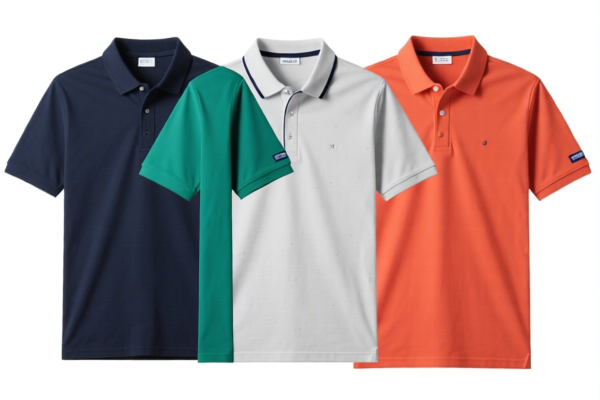
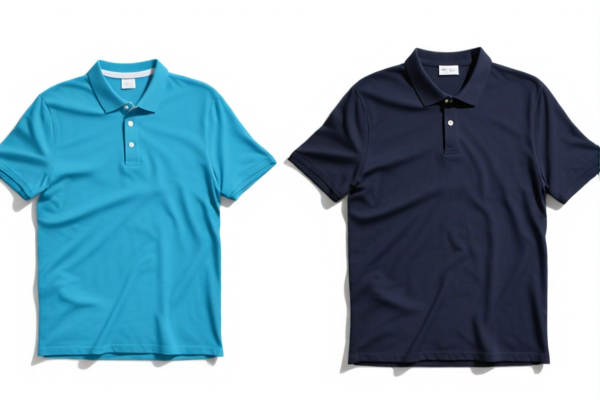
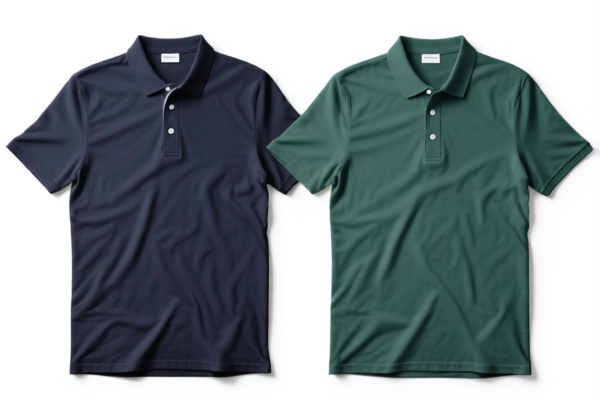
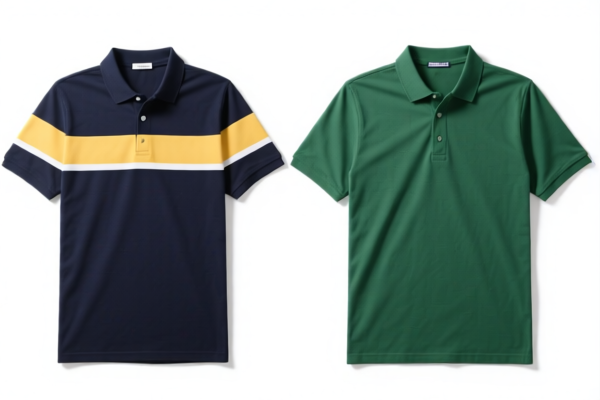
AI Analysis
👕 Men's Polo Shirts: Strategic HS Code Classification & US Customs Clearance Guide 2026
🌐 HS Code Reference & Clearance Strategy | Ultimate Tariff Analysis for Men's Apparel
📌 I. Product Definition: What Exactly is a "Men's Polo"?
A Men's Polo shirt is a specific type of casual shirt characterized by a collar and a placket with two or more buttons. It is distinct from standard t-shirts (which lack collars/plackets) and formal dress shirts (which typically have full-button fronts and structured collars).
Key Classification Dilemma:
In international trade, Polos sit at the crossroads of Knitted T-Shirts (Headcode 6109) and Knitted Woven Shirts (Headcode 6105/6205). The correct HS Code depends heavily on:
1. Material Composition (Cotton vs. Man-made Fibers)
2. Construction (Knitted vs. Woven)
3. Specific Design Attributes (Collar style, placket depth)
⚠️ Critical Insight:
- 6109.90: Typically for knitted garments that look like t-shirts but have a collar/placket, often made of synthetic or mixed fibers.
- 6105/6205: Typically for garments explicitly classified as "shirts" due to formal structure, often cotton or specific blends.
📦 II. HS Code Classification Matrix (Based on Provided Data)
| HS Code | Product Description & Logic | Key Differentiator |
|---|---|---|
6109.90.10.49 |
Knitted T-Shirt Type: Polo shirts classified under "Other" knitted garments, often implying synthetic or non-cotton dominant blends. | Material: Man-made fiber/Cotton blend; Form: T-shirt silhouette with collar. |
6105.10.00.10 |
Knitted Shirt (Cotton): Explicitly classified as a "Shirt" due to cotton or cotton-blend construction matching shirt attributes. | Material: Cotton/Cotton Blend; Form: Knitted Shirt structure. |
6105.10.00.30 |
Knitted Shirt (Fallback): Cotton-based knitted shirts where specific material details lead to a "catch-all" subheading for shirts. | Material: Cotton inferred; Form: Matches shirt definition broadly. |
6205.20.20.26 |
Woven Shirt (Cotton): Note: This implies the Polo is woven, not knitted. If the fabric is woven (not stretchy/knit), it falls here. | Material: Cotton/Woven; Form: Formal/Woven Shirt attributes. |
6109.10.00.27 |
Knitted T-Shirt (Cotton): Knitted garments primarily of cotton, classified under basic T-shirt/headcode 6109. | Material: Cotton; Form: Standard Knitted T-shirt/Collar variant. |
🔍 Focus for Analysis:
Since most modern Polos are knitted, we will prioritize 6109 and 6105 codes. 6205 applies only if the fabric is woven (less common for standard athletic/casual Polos).
💰 III. Detailed Tariff Breakdown (US Imports from China)
✅ Applicable Market: United States (US)
✅ Origin: China (CN)
✅ Key Tariff Components:
- Base Duty: Standard Most Favored Nation (MFN) rate.
- Section 301 (Section 122/7.5%): Additional tariff on Chinese goods.
- Section 301 (10%): Additional "122 Clause" tariff (often referred to as the List 3/List 4A tariff).
🎯 1. 6109.90.10.49 — Knitted Polo (Synthetic/Blend Focus)
Classification Logic: Matches the "T-shirt" form factor with non-pure-cotton or specific blend materials.
| Item | Rate/Detail |
|---|---|
| Base Duty | 32.0% |
| Section 301 (7.5%) | +7.5% |
| 122 Clause Tariff | +10.0% |
| Total Effective Rate | 49.5% |
| Calculation | CIF Value × 49.5% |
| De Minimis Eligibility | ❌ NO (Not eligible for $800 de minimis exemption) |
📌 Interpretation:
This is the highest tax bracket in the provided data. It reflects a classification that triggers the highest base duty (32%) combined with all surcharges. This code is risky for cost-sensitive volumes.
🎯 2. 6105.10.00.10 — Knitted Cotton Shirt
Classification Logic: Recognized as a "Shirt" due to cotton content and structured collar/placket.
| Item | Rate/Detail |
|---|---|
| Base Duty | 19.7% |
| Section 301 (7.5%) | +7.5% |
| 122 Clause Tariff | +10.0% |
| Total Effective Rate | 37.2% |
| Calculation | CIF Value × 37.2% |
| De Minimis Eligibility | ❌ NO |
📌 Interpretation:
A 12.3% savings compared to6109.90.10.49. By proving the garment is a "Shirt" (6105) rather than a generic "T-shirt" (6109), you reduce the base duty significantly.
🎯 3. 6105.10.00.30 — Knitted Cotton Shirt (Fallback)
Classification Logic: Similar to above, used when material details lead to a broader "Other" subheading within the Cotton Shirt category.
| Item | Rate/Detail |
|---|---|
| Base Duty | 19.7% |
| Section 301 (7.5%) | +7.5% |
| 122 Clause Tariff | +10.0% |
| Total Effective Rate | 37.2% |
| Calculation | CIF Value × 37.2% |
| De Minimis Eligibility | ❌ NO |
📌 Interpretation:
Identical tax burden to6105.10.00.10. The distinction is purely administrative based on specific sub-heading criteria for cotton content.
🎯 4. 6205.20.20.26 — Woven Cotton Shirt
Classification Logic: Only applicable if the Polo is Woven (not knitted). Woven fabrics are generally stiffer and less stretchy.
| Item | Rate/Detail |
|---|---|
| Base Duty | 19.7% |
| Section 301 (7.5%) | +7.5% |
| 122 Clause Tariff | +10.0% |
| Total Effective Rate | 37.2% |
| Calculation | CIF Value × 37.2% |
| De Minimis Eligibility | ❌ NO |
📌 Interpretation:
Same rate as knitted shirts, but material mismatch risk is high. If you ship knitted Polos but declare as Woven (6205), Customs may seize or reclassify, leading to penalties. Only use if fabric is truly woven.
🎯 5. 6109.10.00.27 — Knitted Cotton T-Shirt
Classification Logic: Pure cotton knitted garment, classified under basic T-shirt headcode 6109.
| Item | Rate/Detail |
|---|---|
| Base Duty | 16.5% |
| Section 301 (7.5%) | +7.5% |
| 122 Clause Tariff | +10.0% |
| Total Effective Rate | 34.0% |
| Calculation | CIF Value × 34.0% |
| De Minimis Eligibility | ❌ NO |
📌 Interpretation:
The lowest tax rate in the list (34.0%). However, there is a high risk of misclassification.
- Why? A Polo has a collar and buttons. Customs often rejects6109for Polos if the collar is distinct, insisting on6105(Shirt).
- Strategy: Use this only if the Polo is very casual, collar-less, or if you have a strong precedent/ruling for this specific style.
🛠️ IV. Customs Clearance Best Practices
✅ 1. Documentation Strategy
| Document | Requirement | Why It Matters |
|---|---|---|
| Product Description | Must specify: "Men's Knitted Polo Shirt, Cotton/Synthetic, Collared, Placket" | Avoids vague terms like "T-shirt" or "Garment." |
| Composition Label | Clearly state % Cotton, % Polyester, etc. | Determines if you qualify for 6105 (Cotton) vs 6109.90 (Synthetic). |
| Construction Diagram | Show collar and placket structure | Proves it is a "Shirt" (6105) and not a basic "T-shirt" (6109). |
| Invoice | List HS Code explicitly | Prevents ambiguity. |
✅ 2. Classification Decision Tree
mermaid graph TD A[Start: Men's Polo Shirt] --> B{Is Fabric Woven?} B -->|Yes| C[HS 6205.20.20.26] C --> D[Tax: 37.2%] B -->|No| E{Is Fabric Cotton > 50%?} E -->|Yes| F{Do you want to claim 'Shirt' status?} F -->|Yes| G[HS 6105.10.00.10/30] G --> H[Tax: 37.2%] F -->|No/Risk Averse| I[HS 6109.10.00.27] I --> J[Tax: 34.0%] E -->|No| K[HS 6109.90.10.49] K --> L[Tax: 49.5%]
✅ 3. Critical Warnings
- Avoid
6109.90.10.49if possible: At 49.5%, it erodes margins significantly. Try to prove cotton content to move to6105. - Beware of
6109.10.00.27Audit Risk: While it offers the lowest rate (34.0%), US Customs (CBP) frequently audits Polos declared under 6109. If they determine the collar constitutes a "shirt," they will reassess at 37.2% + potential penalties. - Consistency is Key: Ensure the material composition on the invoice, packing list, and physical label matches exactly. Discrepancies lead to holds.
- No De Minimis: All these codes are subject to full duty collection. Do not attempt to use the $800 de minimis exemption for commercial volumes.
🌍 V. Global Market Comparison (Quick Reference)
| Market | Recommended HS Code | Est. Duty (China Origin) | Notes |
|---|---|---|---|
| 🇺🇸 USA | 6105.10.00.10 or 6109.10.00.27 |
34.0% - 37.2% | High due to Section 301 & 122 clauses. |
| 🇨🇳 China | 6105.10.00.10 |
~10-13% | Standard MFN rate, no Section 301. |
| 🇪🇺 EU | 6105.10.00.10 |
~12-14% | No retaliatory tariffs, but VAT applies. |
| 🇬🇧 UK | 6105.10.00.10 |
~12-14% | Post-Brexit tariffs similar to EU. |
📌 VI. Final Recommendation
For Men's Polo Shirts imported into the US:
-
Best Balance (Safety & Cost): Use
6105.10.00.10or6105.10.00.30if the shirt is Cotton or Cotton-blend.- Tax: 37.2%
- Reason: Accurately reflects "Shirt" status, lower base duty than
6109.90, and less risky than6109.10.
-
Lowest Cost (High Risk): Use
6109.10.00.27if the shirt is 100% Cotton and you have strong internal validation for T-shirt classification.- Tax: 34.0%
- Reason: Saves 3.2%, but requires robust documentation to defend against CBP audits.
-
Avoid:
6109.90.10.49unless the shirt is primarily synthetic (e.g., 100% Polyester) and you accept the 49.5% tax burden.
🚀 Pro Tip: Always secure a CBP Binding Ruling before shipping large volumes. This provides legal protection for your chosen HS Code and prevents unexpected audits.
✨ Clear Customs, Maximize Profit!
💼 Accurate Classification is the First Step to Successful Global Trade.
Customer Reviews
About HS Code Classification
The Harmonized System (HS) is an internationally standardized nomenclature developed by the World Customs Organization (WCO) to classify traded products. Over 200 countries use the HS system as the basis for customs tariffs, trade statistics, and import/export regulations.
Each HS code follows a hierarchical structure:
- Chapter (2 digits) — Broad category of goods (e.g., Chapter 84: Machinery and Mechanical Appliances)
- Heading (4 digits) — More specific grouping within the chapter
- Subheading (6 digits) — Internationally standardized breakdown, used by all WCO member countries
- National subdivisions (8-10 digits) — Country-specific extensions for further classification, such as US HTSUS 10-digit codes
Correct HS code classification is essential for smooth customs clearance, accurate duty payment, and compliance with trade regulations. Misclassification can lead to customs delays, overpayment of duties, or penalties.
When importing from CN to US, the applicable tariff rates may include:
- Most-Favored-Nation (MFN) rate — The standard duty rate applied to WTO members
- General rate — Applied to countries without trade agreements
- Trade remedy duties — Additional tariffs such as Section 301 (anti-dumping), Section 232 (national security), or countervailing duties
The information provided on this page is for reference purposes only. For official classification, please consult with your local customs authority or a licensed customs broker.