Men's Raincoat Set
CN → US| HS Code | Tariff Rate | Origin | Destination | Doc |
|---|---|---|---|---|
| 6201402015 | 45.2% | CN | US | Official Doc |
| 6113001005 | 21.3% | CN | US | Official Doc |
| 3926206000 | 35.0% | CN | US | Official Doc |
Product Images
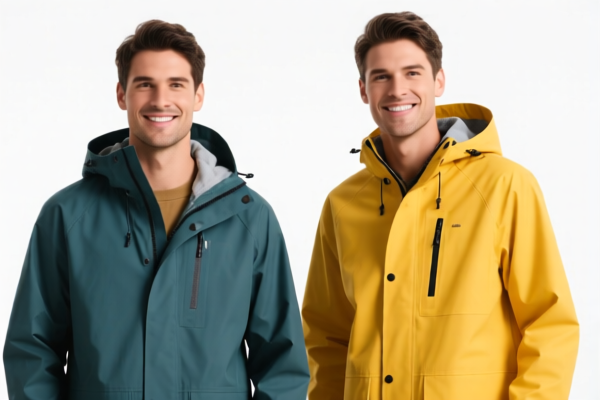
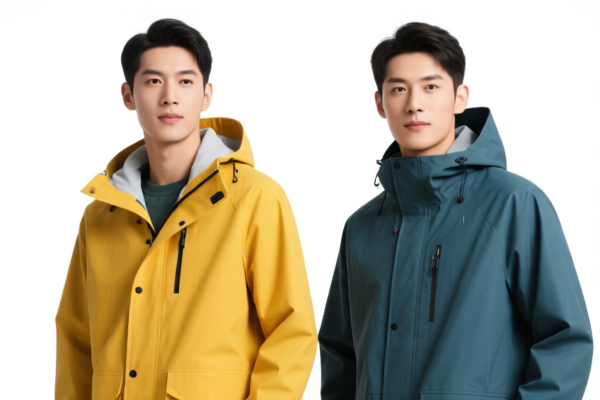
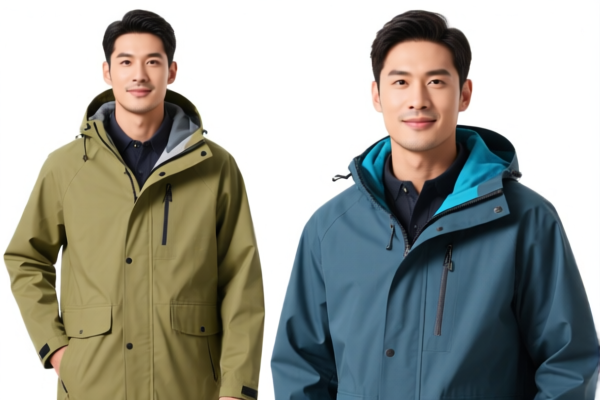
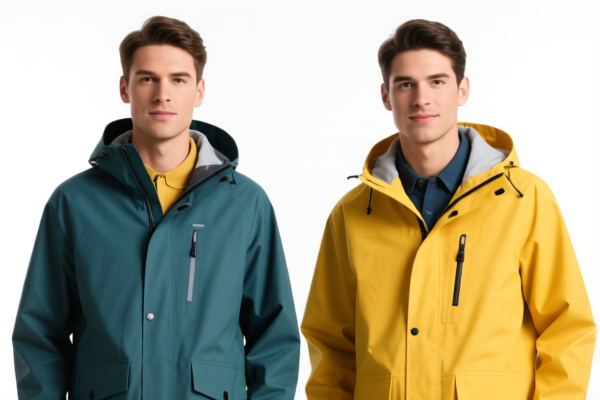
AI Analysis
👔 Men's Raincoat Sets: The Ultimate HS Code & Tariff Guide (2026)
🌐 HS Code Reference & Customs Clearance Guide | 2026 Latest Tariff Analysis | Professional Clearance Strategy
📌 I. Product Definition & Classification: What Exactly is a "Men's Raincoat Set"?
A Men's Raincoat Set typically refers to protective outerwear designed to shield the wearer from rain. In international trade, the classification depends entirely on the material composition and structural form. Misclassification here is the #1 cause of high tariff liabilities (up to 45.2% vs 21.3%).
Key Classification Criteria: * Impregnated/Coated Fabrics: Fabrics soaked or coated with rubber/plastics, even if they look like cloth. * Plastic Articles: Made entirely of flexible plastics like PVC or EVA. * Textile Garments: Made from woven or knitted synthetic fibers (like polyester), even if water-resistant.
⚠️ Critical Distinction Point:
- If the fabric feels like rubber/plastic coating → Chapter 61/62 (Textile/Coated) vs Chapter 39 (Plastics) is the battle line.
- If it’s a "Set" (Jacket + Trousers), it is often classified by the component that gives the garment its essential character, but US Customs often looks at the primary material.
📦 II. HS Code Classification Details (2026 Latest Authorized List)
Based on the provided data, there are three distinct classification paths for Men's Raincoat Sets, leading to vastly different tax outcomes.
| HS Code | Product Description | Material Composition | Essential Character |
|---|---|---|---|
6113.00.10.05 |
Men's Raincoat Set | Rubber or Plastic Impregnated/Coated Fabric | Textile base with waterproof coating |
3926.20.60.00 |
Men's Raincoat Set | Pure Plastic (e.g., PVC or EVA) | Plastic article, not textile-based |
6201.40.20.15 |
Men's Raincoat Set | Synthetic Fibers (e.g., Polyester/Nylon) | Woven/Knitted Outerwear (Coat/Jacket style) |
🔍 Deep Dive:
-6113.00.10.05: Applies when the base is a fabric (knitted/woven) but treated with rubber/plastic to make it waterproof.
-3926.20.60.00: Applies if the item is effectively a "plastic sheet" formed into clothing (e.g., cheap disposable PVC ponchos or heavy-duty EVA rain gear).
-6201.40.20.15: Applies to traditional synthetic raincoats (like technical shell jackets) where the water resistance is due to membrane or DWR treatment, not a thick rubber/plastic coating.
💰 III. 2026 Latest Tariff Rate Breakdown (Including Surtaxes & Policies)
✅ Applicable Country: United States (US)
✅ Country of Origin: China (CN)
✅ Effective Date: Current Trade War Policies (Section 301 + IEEPA)
🎯 1. 6113.00.10.05 —— Coated Fabric Raincoats (The "Sweet Spot")
| Item | Content |
|---|---|
| Base Tariff | 3.8% (ad valorem) |
| Section 301 Surcharge | +7.5% |
| Section 122 Tariff | +10.0% |
| Total Effective Rate | 21.3% |
| Tax Calculation | CIF Value × 21.3% |
| De Minimis Eligibility | ❌ No (Subject to full taxation) |
| Legal Path | USITC:6113.00.10.05 → Section 301: 7.5% → Section 122: 10% |
📌 Explanation:
- This is the lowest tax bracket among the three options.
- The "122 Section Tariff" (likely referring to specific trade remedy measures or Section 301 sub-categories) adds 10%.
- Strategic Value: If your product fits this description, it is the most cost-effective classification.
🎯 2. 3926.20.60.00 —— Pure Plastic Raincoats (PVC/EVA)
| Item | Content |
|---|---|
| Base Tariff | 0.0% (ad valorem) |
| Section 301 Surcharge | +25.0% |
| Section 122 Tariff | +10.0% |
| Total Effective Rate | 35.0% |
| Tax Calculation | CIF Value × 35.0% |
| De Minimis Eligibility | ❌ No |
| Legal Path | USITC:3926.20.60.00 → Section 301: 25% → Section 122: 10% |
📌 Warning:
- Even though the base tariff is 0%, the Section 301 surcharge is significantly higher (25%) compared to textile/coated fabrics (7.5%).
- This results in a 13.7% higher total tax than the6113.00.10.05classification.
- Common for low-cost, non-breathable PVC rain gear.
🎯 3. 6201.40.20.15 —— Synthetic Fiber Outerwear (Jackets/Coats)
| Item | Content |
|---|---|
| Base Tariff | 27.7% (ad valorem) |
| Section 301 Surcharge | +7.5% |
| Section 122 Tariff | +10.0% |
| Total Effective Rate | 45.2% |
| Tax Calculation | CIF Value × 45.2% |
| De Minimis Eligibility | ❌ No |
| Legal Path | USITC:6201.40.20.15 → Section 301: 7.5% → Section 122: 10% |
📌 Critical Alert:
- This is the highest tax bracket. The base tariff of 27.7% is punitive.
- Do NOT classify technical rain jackets here unless absolutely necessary.
- If your raincoat is made of synthetic fabric but is coated/impregnated, you must argue for6113.00.10.05to save over 23% in taxes.
🛠️ IV. Customs Clearance Operational Advice (Practical Pitfall Avoidance)
✅ 1. Preparation Checklist (Non-Negotiable)
| Document | Required | Purpose |
|---|---|---|
| ✅ Product Composition Label | ✔️ | Must specify % of Fabric vs. Coating vs. Plastic |
| ✅ Material Test Report | ✔️ | Lab report proving if it's "Impregnated Fabric" (Ch 61) or "Plastic Article" (Ch 39) |
| ✅ Product Photos (Cross-section) | ✔️ | Show the coating layer thickness to distinguish from standard textiles |
| ✅ Commercial Invoice | ✔️ | Description must match HS Code exactly (see below) |
| ✅ Packing List | ✔️ | Clear definition of "Set" (Jacket + Pants) |
✅ 2. Declaration Tips (Key Mantra)
🔥 “Material Defines Code, Coating Defines Chapter! Don’t Pay 45% if you qualify for 21%!”
| Scenario | Correct Declaration | Wrong Declaration | Consequence |
|---|---|---|---|
| Rubber/Plastic Coated Fabric | "Men's Raincoat Set, Coated/Knit Fabric" | "Synthetic Raincoat" | Risk of down-classification to 6201 (45.2%) OR up-classification to 3926 (35%) |
| Pure PVC/EVA Gear | "Men's Plastic Rain Suit, PVC Material" | "Textile Raincoat" | High Surcharge (35%) but correct legal classification |
| Technical Shell Jacket | "Men's Synthetic Fiber Outerwear, Waterproof" | "Coated Fabric" | Base Tariff 27.7% → Total 45.2% (Avoid if possible) |
✅ 3. Special Case Handling
| Situation | Handling Advice |
|---|---|
| "Waterproof" vs. "Water-Resistant" | Use "Waterproof" only if certified (e.g., 10,000mm head). For classification, focus on material, not performance. |
| Sets (Jacket + Pants) | Ensure both components fall under the same HS Code logic. If Jacket is 6113 and Pants are 6201, the whole set may be classified by the essential character (usually the jacket). |
| OEM Custom Orders | Provide design specs showing the coating process. If the coating is integral to the fabric's identity, argue for 6113. |
🌍 V. Global Market Comparison (2026 Overview)
| Market | Recommended HS Code | Est. Total Tax | Key Requirement |
|---|---|---|---|
| 🇺🇸 USA | 6113.00.10.05 |
21.3% (Best) | Proven Coated Fabric |
| 🇺🇸 USA | 3926.20.60.00 |
35.0% | Proven Plastic Material |
| 🇺🇸 USA | 6201.40.20.15 |
45.2% (Worst) | Pure Synthetic Textile |
| 🇪🇺 EU | Varies by Material | ~5-12% | CE Marking, REACH Compliance |
| 🇨🇳 China | Varies by Material | ~5-10% | CCC (if applicable) |
📌 Conclusion:
- The US is the most expensive market due to Section 301 and 122 tariffs.
- Optimization Strategy: If your product allows, re-engineer the material description or procurement to fit6113.00.10.05(Coated Fabric) rather than3926(Plastic) or6201(Textile).
📌 VI. Common Errors & Pitfalls (Lessons Learned)
❌ Error 1: Calling a PVC Raincoat "Synthetic Textile"
👉 Consequence: Customs may re-classify to 6201.40.20.15 → 45.2% Tax + Penalties!
❌ Error 2: Ignoring the "Section 122 Tariff"
👉 Consequence: Forgetting the +10% leads to underpayment and audits.
❌ Error 3: Assuming "Waterproof" = "Plastic"
👉 Consequence: Many technical raincoats are coated fabrics (6113), which are cheaper to import. Don't default to the highest tax code!
✅ Correct Approach:
"Men's Raincoat Set, Knitted Fabric Impregnated with Rubber, 2-Piece Set, Model XYZ, Water-Resistant up to 5000mm"
🎯 VII. Conclusion: Precision Classification Saves Money
🎯 Remember the Mantra:
🔹 "Coated is Cheapest (21.3%), Plastic is Middle (35%), Pure Textile is Most Expensive (45.2%)."
🔹 "Test Your Material! Coating vs. Plastic vs. Fiber – One Letter Changes Your Tax Bill!"
📌 Pro Tip:
If your supplier provides "Waterproof Breathable Membrane" (e.g., Gore-Tex style), consult a customs broker to see if it qualifies as Coated Fabric (6113) rather than standard Outerwear (6201). The 23.9% tax savings is significant!
📣 Immediate Action:
📞 Contact a Customs Broker + Submit Material Test Reports + Apply for Advance Ruling if high volume.
🚀 Optimize Your Supply Chain to fit the 21.3% bracket!
✨ Professional Clearance Starts with Accurate Classification!
💼 Your Profit Margin Depends on the First Digit of the HS Code!
Customer Reviews
About HS Code Classification
The Harmonized System (HS) is an internationally standardized nomenclature developed by the World Customs Organization (WCO) to classify traded products. Over 200 countries use the HS system as the basis for customs tariffs, trade statistics, and import/export regulations.
Each HS code follows a hierarchical structure:
- Chapter (2 digits) — Broad category of goods (e.g., Chapter 84: Machinery and Mechanical Appliances)
- Heading (4 digits) — More specific grouping within the chapter
- Subheading (6 digits) — Internationally standardized breakdown, used by all WCO member countries
- National subdivisions (8-10 digits) — Country-specific extensions for further classification, such as US HTSUS 10-digit codes
Correct HS code classification is essential for smooth customs clearance, accurate duty payment, and compliance with trade regulations. Misclassification can lead to customs delays, overpayment of duties, or penalties.
When importing from CN to US, the applicable tariff rates may include:
- Most-Favored-Nation (MFN) rate — The standard duty rate applied to WTO members
- General rate — Applied to countries without trade agreements
- Trade remedy duties — Additional tariffs such as Section 301 (anti-dumping), Section 232 (national security), or countervailing duties
The information provided on this page is for reference purposes only. For official classification, please consult with your local customs authority or a licensed customs broker.