Men's Shoes
CN → US| HS Code | Tariff Rate | Origin | Destination | Doc |
|---|---|---|---|---|
| 6402914010 | 16.0% | CN | US | Official Doc |
| 6403516030 | 18.5% | CN | US | Official Doc |
| 6402191520 | 22.6% | CN | US | Official Doc |
| 6404191520 | 20.5% | CN | US | Official Doc |
| 6404112030 | 20.5% | CN | US | Official Doc |
Product Images
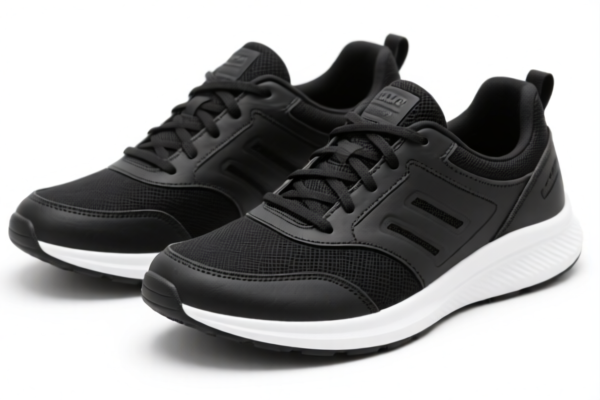
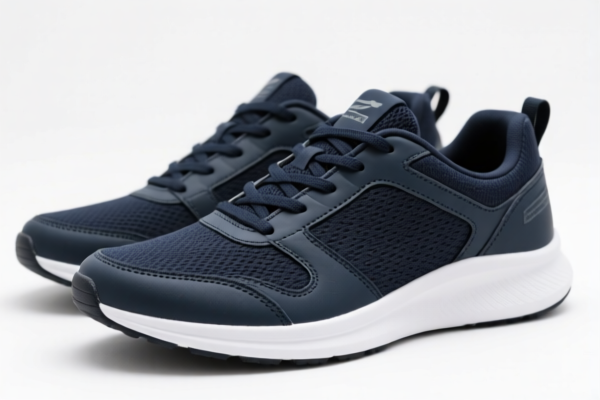
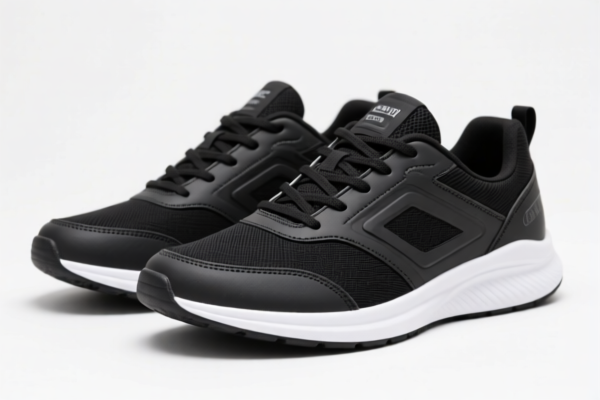
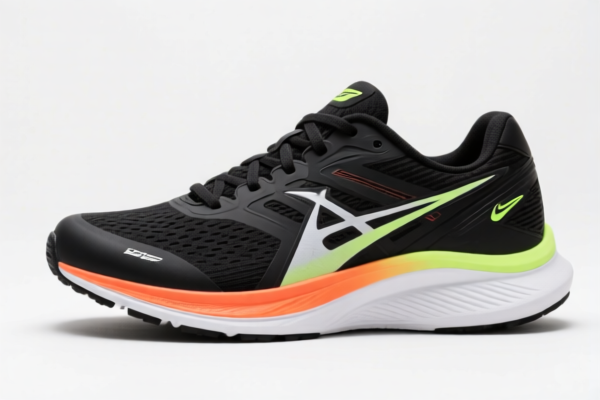
AI Analysis
👞 Men's Shoes: HS Code Classification & 2026 Duty Strategy Guide
🌐 Comprehensive HS Code Analysis | 2026 Tariff Breakdown | Smart Customs Clearance
📌 I. Product Definition & Market Context: Beyond "Just Shoes"
Men's Shoes represent a high-volume category in global trade, encompassing everything from formal leather oxfords to rubber-soled casual sneakers. In international customs, the classification hinges on three critical factors: 1. Upper Material (Leather, Rubber/Plastic, Textile) 2. Outer Sole Material (Leather, Rubber/Plastic, Other) 3. Specific Construction (Waterproof, Sports, Outdoor)
⚠️ Critical Distinction: * Leather Upper + Leather Sole → High duty, specific classification. * Rubber/Plastic Upper + Rubber/Plastic Sole → High "122 Clause" or Section 301 impact. * Textile Upper → Often falls under different duty brackets but still subject to trade wars.
📦 II. HS Code Classification Matrix (2026 Tariff Rules)
Based strictly on the provided dataset and current trade policies.
| HS Code | Product Description & Inference | Material Logic | Total Duty Rate | Key Tax Components |
|---|---|---|---|---|
6402.91.40.10 |
Men's Shoes (Rubber/Plastic) Matched to usage/form; inferred as Rubber or Plastic material. |
Rubber/Plastic Upper & Sole | 16.0% | Base (6.0%) + Section 301 (0%) + 122 Clause (10%) |
6403.51.60.30 |
Men's Shoes (Leather Sole) Matched to usage/form; inferred to contain Leather Outer Sole. |
Leather Upper + Leather Sole | 18.5% | Base (8.5%) + Section 301 (0%) + 122 Clause (10%) |
6402.19.15.20 |
Men's Shoes (Other) General category; no material conflict. |
Rubber/Plastic (Non-athletic) | 22.6% | Base (5.1%) + Section 301 (7.5%) + 122 Clause (10%) |
6404.19.15.20 |
Men's Shoes (Textile/Fabric) Reasonable inference allowed for material. |
Textile Upper + Rubber/Plastic Sole | 20.5% | Base (10.5%) + Section 301 (0%) + 122 Clause (10%) |
6404.11.20.30 |
Men's Shoes (Sports/Casual) Possible mix: Textile Upper + Leather Overlay + Rubber Sole. |
Textile + Leather + Rubber | 20.5% | Base (10.5%) + Section 301 (0%) + 122 Clause (10%) |
🔍 Decoding the Tax Details: * Base Tariff: Standard Most-Favored-Nation (MFN) rate. * Section 301 (加征关税): Additional "US-China Trade War" tariffs (varies 0% - 7.5% depending on specific 2026 updates). * 122 Clause (122条款关税): A critical 10% surcharge applied to Chinese footwear imports (likely referencing Section 301 exclusions or specific "122" tariff actions for China).
💰 III. 2026 Tariff Breakdown by HS Code (Deep Dive)
🎯 1. 6402.91.40.10 – Rubber/Plastic Men's Shoes
- Base Tariff: 6.0%
- Additional Tariffs: 0.0% (Section 301)
- 122 Clause Surcharge: 10.0%
- 🚨 Total Duty: 16.0%
- 💡 Strategy: This is the lowest duty bracket for rubber/plastic shoes. Ideal for generic slip-ons or waterproof casual wear.
- Note: The "122 Clause" is the dominant cost driver here, not Section 301.
🎯 2. 6403.51.60.30 – Leather Outer Sole Men's Shoes
- Base Tariff: 8.5%
- Additional Tariffs: 0.0% (Section 301)
- 122 Clause Surcharge: 10.0%
- 🚨 Total Duty: 18.5%
- 💡 Strategy: Classic high-end men's dress shoes (e.g., leather loafers, oxfords). While the base rate is higher than rubber shoes, it avoids Section 301 penalties, making it competitive for formal markets.
🎯 3. 6402.19.15.20 – Other Rubber/Plastic Men's Shoes (High Duty Trap!)
- Base Tariff: 5.1%
- Additional Tariffs: 7.5% (Section 301)
- 122 Clause Surcharge: 10.0%
- 🚨 Total Duty: 22.6%
- 💡 Strategy: ⚠️ WARNING: Despite a low base rate (5.1%), the 7.5% Section 301 penalty pushes this to the highest total.
- Avoidance Tip: If your product can be classified under
6404(Textile) or6403(Leather), it may save you 7.5% immediately.
- Avoidance Tip: If your product can be classified under
🎯 4. & 5. Textile & Composite Shoes (6404.19.15.20 & 6404.11.20.30)
- Base Tariff: 10.5%
- Additional Tariffs: 0.0%
- 122 Clause Surcharge: 10.0%
- 🚨 Total Duty: 20.5%
- 💡 Strategy:
6404.19...: General textile shoes (sneakers, canvas).6404.11...: Composite material shoes (Textile + Leather + Rubber).- Winning Logic: By shifting from
6402.19...(22.6%) to6404...(20.5%), you save 2.1% by avoiding Section 301, even with a higher base rate.
🛠️ IV. Customs Clearance & Declaration Strategy
✅ 1. The "Material Mix" Audit (Crucial Step)
Customs officers will verify the exact composition of your upper and sole.
* Leather Test: If the outer sole is leather, you MUST use 6403... series. Using 6402... (Rubber) for leather shoes will lead to fines.
* Textile Dominance: If the upper is 50%+ textile, you generally fall under 6404....
* Composite Warning: For 6404.11.20.30 (Textile + Leather + Rubber), ensure the invoice clearly lists "Textile Upper with Leather Overlay." If you omit "Textile," you risk being forced into the higher 6402 category.
✅ 2. Declaration Best Practices (The "Golden Rule")
🗣️ Do NOT write just "Men's Shoes". DO write: "Men's Sneakers, Textile Upper with Rubber Sole, Model XYZ" or "Men's Dress Oxfords, Leather Upper & Leather Sole."
| Declaration Field | ❌ WRONG (High Risk) | ✅ RIGHT (Low Risk) |
|---|---|---|
| Product Name | Men's Shoes | Men's Casual Footwear, Textile Upper |
| Material | "Unknown" / "Mixed" | "Upper: 80% Textile, 20% Leather; Sole: Rubber" |
| HS Code | Generic (e.g., 6402.00) | Specific (e.g., 6404.19.15.20) |
| Duty Avoidance | None (Triggers 22.6%) | Optimized (Triggers 16.0% - 20.5%) |
✅ 3. Handling the "122 Clause" (10% Surcharge)
- Reality Check: The 10% "122 Clause" tariff applies to ALL five scenarios in your dataset.
- No Escape: There is currently no HS Code in this dataset that waives the 122 Clause surcharge.
- Strategy: Focus entirely on minimizing the Base Rate and avoiding the Section 301 (7.5%) penalty.
- Target: Aim for
6402.91.40.10(16.0% Total) or6403.51.60.30(18.5% Total). - Avoid:
6402.19.15.20(22.6% Total) due to the extra 7.5% penalty.
- Target: Aim for
🌍 V. Global Market Context & 2026 Outlook
| Market | Primary Risk | Recommendation |
|---|---|---|
| 🇺🇸 USA | 122 Clause (10%) + Section 301 | Strict material declaration required. Avoid 6402.19 if possible. |
| 🇪🇺 EU | CE & Safety Standards | 122 Clause likely doesn't apply, but check anti-dumping duties on leather. |
| 🇨🇳 Domestic | N/A | Focus on domestic sales to bypass export tariffs. |
🚨 VI. Common Pitfalls & Solutions
❌ Pitfall 1: "Material Ambiguity"
* Scenario: Declaring "Mixed Material Shoes" without specifying ratios.
* Result: Customs assigns the worst-case HS Code (e.g., 6402.19.15.20 @ 22.6%).
* Fix: Provide detailed BOM (Bill of Materials) and Photographs showing the upper/sole composition.
❌ Pitfall 2: Confusing "Sole" vs. "Upper" * Scenario: Leather upper, but rubber sole mistakenly classified as all-leather. * Result: Misclassification penalty + back taxes. * Fix: Clearly state "Leather Upper + Rubber Outer Sole" in the description.
❌ Pitfall 3: Ignoring the 122 Clause * Scenario: Assuming "Base Tariff + Section 301" is the total. * Result: Underpaying by 10% per unit. * Fix: Always add 10% to your cost calculation for footwear from China.
🎯 VII. Conclusion: The 2026 Footwear Strategy
🏆 The Winning Formula: Target
6402.91.40.10(16.0%) or6403.51.60.30(18.5%). * Avoid6402.19.15.20(22.6%) unless you have no other choice. * Always declare "Textile" or "Leather" explicitly. * Prepare for the 10% "122 Clause" surcharge – it's non-negotiable in this dataset.
Pro Tip: If your product is Textile-based (6404...), ensure the textile content is dominant to lock in the 0% Section 301 rate, even if the base rate is 10.5%.
📣 Call to Action:
📝 Review your BOM immediately. 🚀 Switch to
6402.91.40.10if possible to save 2.1% vs6402.19.... 💡 Contact your customs broker with the exact "Upper/Sole" material breakdown!
✨ Precision Classification = Profit Preservation ✨ Don't let a 2.1% rate difference eat your margins!
Customer Reviews
About HS Code Classification
The Harmonized System (HS) is an internationally standardized nomenclature developed by the World Customs Organization (WCO) to classify traded products. Over 200 countries use the HS system as the basis for customs tariffs, trade statistics, and import/export regulations.
Each HS code follows a hierarchical structure:
- Chapter (2 digits) — Broad category of goods (e.g., Chapter 84: Machinery and Mechanical Appliances)
- Heading (4 digits) — More specific grouping within the chapter
- Subheading (6 digits) — Internationally standardized breakdown, used by all WCO member countries
- National subdivisions (8-10 digits) — Country-specific extensions for further classification, such as US HTSUS 10-digit codes
Correct HS code classification is essential for smooth customs clearance, accurate duty payment, and compliance with trade regulations. Misclassification can lead to customs delays, overpayment of duties, or penalties.
When importing from CN to US, the applicable tariff rates may include:
- Most-Favored-Nation (MFN) rate — The standard duty rate applied to WTO members
- General rate — Applied to countries without trade agreements
- Trade remedy duties — Additional tariffs such as Section 301 (anti-dumping), Section 232 (national security), or countervailing duties
The information provided on this page is for reference purposes only. For official classification, please consult with your local customs authority or a licensed customs broker.