Men's Suit Jacket
CN → US| HS Code | Tariff Rate | Origin | Destination | Doc |
|---|---|---|---|---|
| 6203392010 | 44.8% | CN | US | Official Doc |
| 6203399060 | 24.0% | CN | US | Official Doc |
| 6204335010 | 44.8% | CN | US | Official Doc |
| 6204393010 | 44.8% | CN | US | Official Doc |
| 6103310000 | 0.0% | CN | US | Official Doc |
Product Images
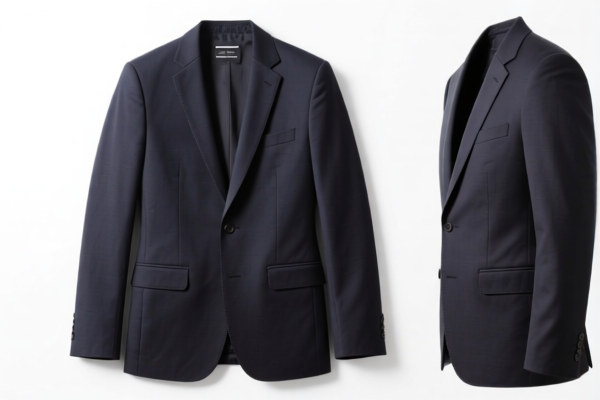

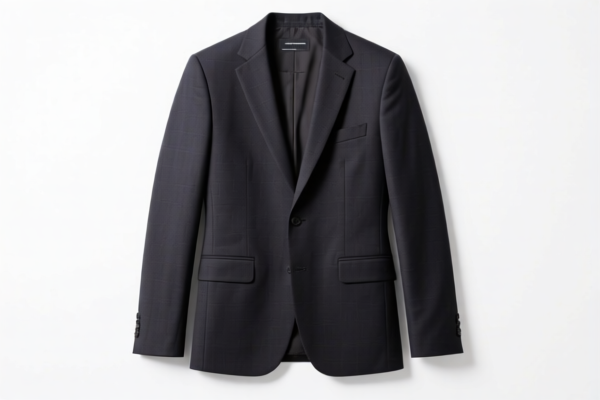
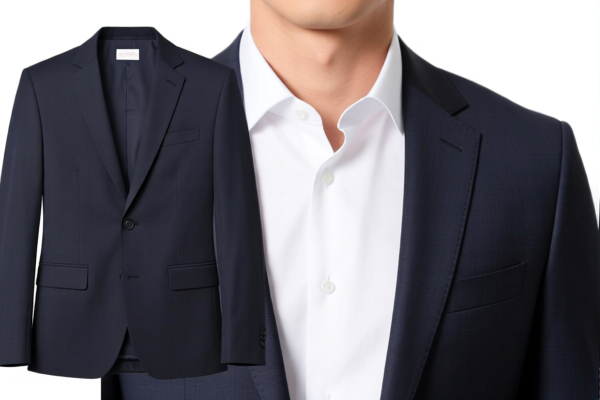
AI Analysis
👔 Men's Suit Jacket (Custom Tailored Outerwear)
🌐 HS Code Reference & Customs Clearance Guide | 2026 Latest Tariff Breakdown | Strategic Compliance Strategy
📌 I. Product Definition & Classification: What is a "Men's Suit Jacket"?
A Men's Suit Jacket is a tailored upper-body garment designed for formal or business-casual wear. In international trade, classification hinges on three critical factors: 1. Structure: Does it have the specific cut of a suit jacket (lined, structured shoulders) or a casual jacket/blazer? 2. Material Composition: Is it Wool, Cotton, Synthetic Fibers, or Knitted? 3. Construction Method: Is it Knitted/Knitted (Chapter 61) or Woven/Non-Knitted (Chapter 62)?
⚠️ Key Classification Dilemmas:
- Chapter 61 vs. Chapter 62: If the jacket is knitted (like a jersey or sweater material), it falls under Chapter 61. If it is woven (like traditional suit fabric), it falls under Chapter 62.
- Suit vs. Casual Jacket: Strict "Suit" jackets often face higher duties (e.g., 27.3% base) compared to general "Jackets" (e.g., 6.5% base).
- Gender: Men's vs. Women's classification significantly impacts the HS Code prefix (6203 vs. 6204).
📦 II. HS Code Classification Details (2026 Latest Tariff Authority Mapping)
The following HS Codes are derived from the provided data for a Men's Suit Jacket. Each code represents a different interpretation of material, cut, and regulatory status.
| HS Code | Product Description & Logic | Material Assumption | Duty Profile |
|---|---|---|---|
6203.39.20.10 |
Men's Woven Suit Jacket (Specific "Suit" Category) | Woven Textile (e.g., Wool blend, Cotton blend) | High Base Duty |
6203.39.90.60 |
Men's Woven Jacket (General/Blazer Category) | Woven Textile | Low Base Duty |
6204.33.50.10 |
Women's/Men's Woven Jacket (Synthetic Focus) | Synthetic Fiber (e.g., Polyester) | High Base Duty |
6204.39.30.10 |
Women's/Men's Woven Jacket (Other Textiles) | Other Textiles (e.g., Cotton, Rayon) | High Base Duty |
6103.31.00.00 |
Men's Knitted Wool Suit Jacket | Wool (Knitted Construction) | Specific Rate + Surcharges |
🔍 Critical Distinction:
-6203.39.20.10vs.6203.39.90.60: The first is classified as a formal "Suit," triggering a 27.3% base rate. The second is classified as a general "Jacket," triggering a much lower 6.5% base rate. This distinction can save thousands in duties if the garment qualifies as casual.
-6103.31.00.00: Unique because it is Knitted and made of Wool. The tax is calculated per kg plus ad valorem percentages, differing from the pure percentage-based codes above.
💰 III. 2026 Latest Tariff Rate Details (Including Surcharges & Policy Add-ons)
✅ Applicable Country: United States (US)
✅ Origin: China (CN) (Implied by the specific surcharge structure in the data)
✅ Effective Time: Current Regulations (Post-2024 Trade Policies)
🎯 1. 6203.39.20.10 —— Men's Woven Suit Jacket (Formal)
| Item | Content |
|---|---|
| Base Duty Rate | 27.3% (Ad Valorem) |
| Section 301 Surcharge | 7.5% (Additional Duty) |
| Section 122 Surcharge | 10% (Additional Duty) |
| Total Tax Rate | 44.8% |
| Tax Calculation | CIF Value × 44.8% |
| Legal Basis Path | USITC:6203.39.20.10 → Section 301: 7.5% → Section 122: 10% |
📌 Interpretation:
- This is the strictest classification for a "Suit."
- The 27.3% base reflects the higher protectionist tariff on formal woven suits from China.
- Total 44.8% is a heavy burden. Importers must verify if the garment truly qualifies as a "Suit" or can be argued as a casual "Jacket."
🎯 2. 6203.39.90.60 —— Men's Woven Jacket (Casual/Blazer)
| Item | Content |
|---|---|
| Base Duty Rate | 6.5% (Ad Valorem) |
| Section 301 Surcharge | 7.5% (Additional Duty) |
| Section 122 Surcharge | 10% (Additional Duty) |
| Total Tax Rate | 24.0% |
| Tax Calculation | CIF Value × 24.0% |
| Legal Basis Path | USITC:6203.39.90.60 → Section 301: 7.5% → Section 122: 10% |
📌 Strategic Advantage:
- By classifying as a Jacket rather than a Suit, the base duty drops from 27.3% to 6.5%.
- Savings: Nearly 20% total duty reduction (44.8% → 24.0%).
- Condition: The jacket must lack the traditional "suit" cut (e.g., no matching trousers, less formal lining, casual styling).
🎯 3. 6204.33.50.10 & 6204.39.30.10 —— Woven Jackets (Synthetic/Other)
| Item | Content |
|---|---|
| Base Duty Rate | 27.3% |
| Section 301 Surcharge | 7.5% |
| Section 122 Surcharge | 10% |
| Total Tax Rate | 44.8% |
| Material Note | 6204 is typically for Women's or Unisex garments. For Men's, 6203 is preferred. If misclassified, risks penalties. |
| Logic | Synthetic fibers (33) or Other textiles (39) still attract high base rates if deemed formal. |
⚠️ Warning:
-6204is generally for Women's suits/jackets.
- If you are shipping Men's jackets under6204, Customs may reject the declaration or reclassify to6203, leading to delays.
- Ensure the label clearly states "Men's" if using6203, or "Women's/Unisex" if using6204.
🎯 4. 6103.31.00.00 —— Men's Knitted Wool Jacket
| Item | Content |
|---|---|
| Base Rate | 38.6¢/kg (Specific Rate) + 10% (Ad Valorem) |
| Section 301 Surcharge | 7.5% |
| Section 122 Surcharge | 10% |
| Total Effective Rate | Complex Calculation (Mixed Specific + Ad Valorem) |
| Material | Wool |
| Construction | Knitted (Chapter 61) |
📌 Complexity Alert:
- This is a Knitted jacket (like a sweater-style blazer), not woven.
- The 38.6¢/kg is a specific duty on top of the 10% ad valorem.
- Total effective rate can exceed 44.8% depending on the weight vs. value ratio.
- Only use if the garment is truly knitted wool. Woven wool suits go to Chapter 62.
🛠️ IV. Customs Clearance Practical Advice (Real-World Pitfall Guide)
✅ 1. Documentation Checklist (Non-Negotiable)
| Document | Required? | Explanation |
|---|---|---|
| ✅ Technical Spec Sheet | ✔️ | Must define: Woven vs. Knitted, Material % (Wool/Poly/Cotton), Lining details. |
| ✅ Product Photos | ✔️ | Front, Back, Inside Label, Lining, Buttons. Crucial for proving "Casual" vs. "Suit" status. |
| ✅ Commercial Invoice | ✔️ | Must clearly state: "Men's Woven Jacket, Polyester/Cotton Blend, Not a Suit Suiting." |
| ✅ Origin Certificate | ✔️ | If claiming preferential rates (though unlikely for China/US currently). |
| ✅ Bill of Lading | ✔️ | Ensure cargo description matches invoice. |
✅ 2. Declaration Strategy (Key Mantras)
🔥 “Material Defines Chapter, Cut Defines Duty, Label Defines Gender!”
| Scenario | Correct Declaration | Incorrect Practice |
|---|---|---|
| Traditional Suit Jacket (Wool, Lined, Formal) | 6203.39.20.10 (44.8%) |
Claiming it's a casual jacket → Misclassification Risk |
| Casual Blazer (Unlined, Cotton, Relaxed Fit) | 6203.39.90.60 (24.0%) |
Declaring as "Suit" → Overpaying 20% Duty |
| Knitted Wool Sweater-Jacket | 6103.31.00.00 (Mixed Rate) |
Declaring as Woven → Chapter Error (61 vs 62) |
| Synthetic Polyester Jacket | 6203.39.90.60 or 6204.33.50.10 |
Using Wool codes → Base Rate Error |
✅ 3. Special Circumstances Handling
| Situation | Handling Advice |
|---|---|
| "Not a Suit" Defense | To use 6203.39.90.60 (24%), argue that the jacket is not part of a suit ensemble (no matching trousers), has less formal construction (unlined, patch pockets), and uses casual fabric. |
| Section 122 Impact | The 10% Section 122 surcharge applies to many textile imports from China. It is not excluded by base rate reductions. Budget for it. |
| Knitted vs. Woven | If the fabric is stretchy, jersey-like, or looped, it is Knitted (Ch 61). If it is taut, cross-hatched threads, it is Woven (Ch 62). Misclassifying this leads to rejection. |
| Gender Labeling | If the garment is unisex, ensure the primary use is defined. Customs often defaults to Women's (6204) for ambiguous items, but 6203 is safer for Men's items. |
🌍 V. Global Market Comparison (2026 Outlook)
| Country/Region | Recommended HS Code | Est. Duty (China Origin) | Certification | Notes |
|---|---|---|---|---|
| 🇺🇸 USA | 6203.39.90.60 (Best Case) |
24.0% (Section 122+301 included) | None | Avoid 6203.39.20.10 (44.8%) if possible. |
| 🇨🇳 China | 6203.39.20.10 |
~10-15% | None | Lower duties for import into China. |
| 🇪🇺 EU | 6203.33.10 (Wool) / 6203.43 (Syn) |
~12-16% | CE (if safety gear) | No Section 122/301 equivalent. |
| 🇬🇧 UK | 6203.33.00 |
~12% | None | Post-Brexit rules apply. |
📌 Conclusion:
- The US market is the most punitive due to Section 122 and Section 301 surcharges.
- Maximize Savings by ensuring the garment is classified as a Casual Woven Jacket (6203.39.90.60) rather than a Formal Suit (6203.39.20.10), provided the construction allows it.
- Avoid Knitted Wool (6103.31.00.00) unless necessary, as the mixed calculation can be complex and costly.
📌 VI. Common Errors & Pitfalls (Blood Lessons)
❌ Error 1: Calling a Formal Suit a "Jacket" to save tax
👉 Consequence: Customs audits reveal matching trousers or formal lining → Reclassification to 6203.39.20.10 + Penalties.
❌ Error 2: Misidentifying Knitted as Woven
👉 Consequence: Wrong Chapter (61 vs 62) → Shipment Held for Inspection + Delays.
❌ Error 3: Ignoring Section 122
👉 Consequence: Budgeting for 27% duty but facing 37% → Margin Erosion.
❌ Error 4: Using 6204 (Women's) for Men's Goods
👉 Consequence: Customs flags gender mismatch → Invoice Amendment Required + Storage Fees.
✅ Correct Practice:
"Men's Woven Cotton Jacket, Casual Fit, Unlined, Patch Pockets, Model XYZ."
Goal: Justify6203.39.90.60(24% Total Duty).
🎯 VII. Conclusion: Professional Declaration, Cost Optimization
🎯 Remember the Mantras:
🔹 "Formal Suit = 44.8% | Casual Jacket = 24.0% | Knitted Wool = Mixed Rate"
🔹 "Material & Cut Dictate Chapter & Duty. Don't Guess, Prove It."
🔹 "Section 122 is the Silent Killer – Budget for the 10% Add-on."
📌 Pro Tip:
If your Men's Suit Jacket is not made of wool but of synthetic fibers, ensure you are not using 6204 (Women's) codes unless the label says so. Stick to 6203 (Men's).
For high-value formal suits, consider Advance Rulings or Pre-classification with Customs to avoid post-entry audits.
📣 Immediate Action:
📞 Consult a Licensed Customs Broker
📸 Provide High-Res Photos of Lining & Fabric
📝 Draft Invoice with Precise "Casual" Terminology to Support Lower Duty Rates
✨ Professional Clearance Starts with Precise Classification!
💼 Every Percentage Point Saved is Profit Added!
Customer Reviews
About HS Code Classification
The Harmonized System (HS) is an internationally standardized nomenclature developed by the World Customs Organization (WCO) to classify traded products. Over 200 countries use the HS system as the basis for customs tariffs, trade statistics, and import/export regulations.
Each HS code follows a hierarchical structure:
- Chapter (2 digits) — Broad category of goods (e.g., Chapter 84: Machinery and Mechanical Appliances)
- Heading (4 digits) — More specific grouping within the chapter
- Subheading (6 digits) — Internationally standardized breakdown, used by all WCO member countries
- National subdivisions (8-10 digits) — Country-specific extensions for further classification, such as US HTSUS 10-digit codes
Correct HS code classification is essential for smooth customs clearance, accurate duty payment, and compliance with trade regulations. Misclassification can lead to customs delays, overpayment of duties, or penalties.
When importing from CN to US, the applicable tariff rates may include:
- Most-Favored-Nation (MFN) rate — The standard duty rate applied to WTO members
- General rate — Applied to countries without trade agreements
- Trade remedy duties — Additional tariffs such as Section 301 (anti-dumping), Section 232 (national security), or countervailing duties
The information provided on this page is for reference purposes only. For official classification, please consult with your local customs authority or a licensed customs broker.