Men's Underwear and Briefs
CN → US| HS Code | Tariff Rate | Origin | Destination | Doc |
|---|---|---|---|---|
| 6107110010 | 24.9% | CN | US | Official Doc |
| 6207191000 | 19.2% | CN | US | Official Doc |
| 6107120010 | 32.4% | CN | US | Official Doc |
Product Images
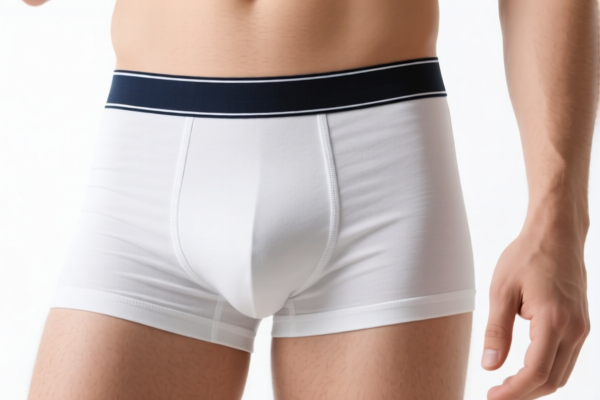
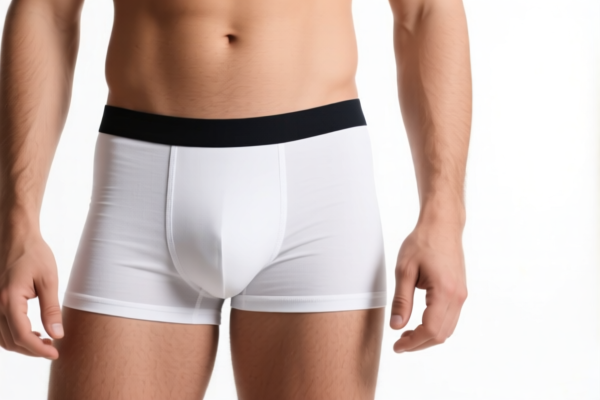
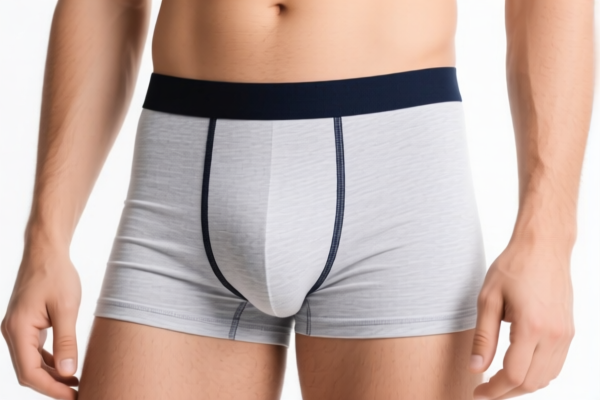
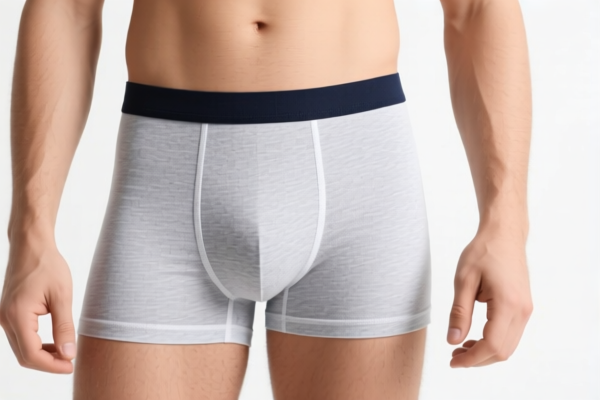
AI Analysis
👙 Men's Underwear & Briefs (HS Code Deep Dive)
🌐 HS Code Reference & Clearance Guide | 2026 Latest Tariff Analysis | Professional Customs Strategy
📌 I. Product Definition & Classification: Do You Really Know "Men's Underwear"?
Men's underwear and briefs are essential garments classified based on manufacturing technique and material composition. In international trade, the distinction between "Knitted" and "Non-Knitted" is critical, as it determines the HS Code chapter (61 vs. 62) and significantly impacts tariff rates.
Knitted Underwear (Chapter 61): Made from yarns that are interlocked in a loop structure (e.g., cotton jersey, synthetic blends). Soft, stretchy, and common for daily wear. Non-Knitted Underwear (Chapter 62): Made from woven fabrics or other textile materials (e.g., broadcloth, denim, non-woven). Less stretchy, often structured.
⚠️ Key Distinction Point:
- If the fabric is stretchy, loop-based, or tricot/knit →归类 to Chapter 61
- If the fabric is woven, non-stretch, or structured → 归类 to Chapter 62
- Note: Even if made of cotton, if it's woven, it goes to 6207.19. If it's knitted, it goes to 6107.xx.
📦 II. HS Code Classification Details (2026 Latest Tariff Authority Comparison)
| HS Code | Product Description | Key Characteristics | Material |
|---|---|---|---|
6107.11.00.10 |
Men's Trunks, Knitted, Cotton | Traditional briefs/trunks, soft cotton fabric | 🧶 Cotton (Knitted) |
6107.12.00.10 |
Men's Trunks, Knitted, Man-made Fibers/Cotton Blend | Synthetics (Polyester/Nylon) or blends | 🧬 Synthetic/Blend (Knitted) |
6207.19.10.00 |
Men's Trunks, Non-Knitted, Textile Materials | Woven boxes, structured briefs, non-stretch | 🧵 Woven/Non-Knitted Textile |
6107.11.00.10 |
Men's Briefs, Knitted, Cotton | Same as Trunks, different terminology | 🧶 Cotton (Knitted) |
6207.19.10.00 |
Men's Briefs, Non-Knitted, Textile Materials | Same as Trunks, different terminology | 🧵 Woven/Non-Knitted Textile |
🔍 Key Reminder:
- Cotton Knitted items fall under6107.11.00.10.
- Synthetic/Blend Knitted items fall under6107.12.00.10.
- Non-Knitted (Woven/Other) items fall under6207.19.10.00.
- Misclassification between Knitted (61) and Non-Knitted (62) leads to incorrect tariff calculations.
💰 III. 2026 Latest Tariff Rate Breakdown (Including Additional Taxes, Policy Surcharges)
✅ Applicable Country: United States (US)
✅ Origin: China (CN)
✅ Effective Date: 2025-11-10 onwards
🎯 1. 6107.11.00.10 — Men's Trunks/Briefs, Knitted, Cotton
| Item | Content |
|---|---|
| Base Tariff | 7.4% |
| Trade War Surcharge (Section 301) | 7.5% |
| Section 122 Tariff | 10% |
| Total Tax Rate | 24.9% |
| Tax Calculation | CIF Value × 24.9% |
| De Minimis Exemption | ❌ No (Deny De Minimis) |
| Legal Basis Path | USITC:6107.11.00.10 → Section 301:7.5% → Section 122:10% |
📌 Explanation:
- Cotton knitted underwear is taxed at a base rate of 7.4%.
- Section 301 adds 7.5% for Chinese goods.
- Section 122 adds an additional 10%.
- Total: 24.9%. This is a moderate-to-high tariff for apparel.
🎯 2. 6107.12.00.10 — Men's Trunks, Knitted, Man-made Fibers/Cotton
| Item | Content |
|---|---|
| Base Tariff | 14.9% |
| Trade War Surcharge (Section 301) | 7.5% |
| Section 122 Tariff | 10% |
| Total Tax Rate | 32.4% |
| Tax Calculation | CIF Value × 32.4% |
| De Minimis Exemption | ❌ No (Deny De Minimis) |
| Legal Basis Path | USITC:6107.12.00.10 → Section 301:7.5% → Section 122:10% |
📌 Note:
- Synthetic or blended knitted underwear has a higher base rate (14.9%).
- With the same surcharges, the total tax is 32.4%.
- Recommendation: If possible, use cotton for lower base duties, but check material content rules carefully.
🎯 3. 6207.19.10.00 — Men's Trunks/Briefs, Non-Knitted, Textile Materials
| Item | Content |
|---|---|
| Base Tariff | 1.7% |
| Trade War Surcharge (Section 301) | 7.5% |
| Section 122 Tariff | 10% |
| Total Tax Rate | 19.2% |
| Tax Calculation | CIF Value × 19.2% |
| De Minimis Exemption | ❌ No (Deny De Minimis) |
| Legal Basis Path | USITC:6207.19.10.00 → Section 301:7.5% → Section 122:10% |
📌 Warning:
- Non-knitted (woven) underwear has a very low base rate (1.7%).
- Total tax is 19.2%, which is lower than knitted cotton (24.9%) and synthetics (32.4%).
- However, "Non-Knitted" includes many complex textile types. Ensure the product is truly woven/textile-based and not misclassified.
🛠️ IV. Customs Clearance Practical Advice (Battle-Tested Pitfall Avoidance Guide)
✅ 1. Required Documentation Checklist (None Can Be Missing)
| Document | Must Provide | Description |
|---|---|---|
| ✅ Product Specification Sheet | ✔️ | Material composition (e.g., 100% Cotton), knitting type, size chart |
| ✅ Fabric Swatch/Sample | ✔️ | To prove "Knitted" vs. "Non-Knitted" and material type |
| ✅ Product Photos (with Label) | ✔️ | Clear view of care label, composition tag, and product shape |
| ✅ Commercial Invoice | ✔️ | Explicitly state "Men's Underwear, Knitted/Woven, Cotton/Synthetic" |
| ✅ Packing List | ✔️ | Detail quantity, weight, and package dimensions |
| ✅ Origin Certificate | ✔️ | If not China origin, to apply for preferential rates |
| ✅ Third-party Test Report | ✔️ | Optional but recommended: ASTM D3776 (Fabric Weight), Colorfastness |
✅ 2. Declaration Techniques (Key Mantra)
🔥 “Knit vs. Woven, Cotton vs. Synthetic, Name Precisely, Tax Saves Money!”
| Scenario | Correct Declaration | Wrong Approach |
|---|---|---|
| Cotton Briefs, Knitted | 6107.11.00.10 |
Declare as "Trunks" without material → 24.9% |
| Polyester Briefs, Knitted | 6107.12.00.10 |
Declare as "Cotton" → Fraud/Seizure |
| Woven Boxer Shorts | 6207.19.10.00 |
Declare as "Knitted" → 24.9% vs 19.2% |
| Mixed Pack (Cotton + Synthetic) | Split by HS Code | Mix all in one line item → Customs Rejection |
✅ 3. Special Situation Handling
| Situation | Handling Advice |
|---|---|
| OEM Private Label | Provide customer authorization and design drawings to avoid IP issues |
| Sample Shipments | Even samples are subject to duty; do not misdeclare as "Gift" |
| Multi-Material Garments | If >50% cotton, declare as Cotton. If >50% synthetic, declare as Synthetic |
| Packaging | Include retail packaging in CIF value; do not underreport |
🌍 V. Global Market Clearance Comparison (2026 Latest)
| Country/Region | Recommended HS Code | Tariff (China Origin) | Certification Required | Notes |
|---|---|---|---|---|
| 🇺🇸 USA | 6107.11.00.10 (Cotton Knit) |
24.9% | CPSIA (if for kids, not here), but standard for adult | High surcharge due to Section 122 |
| 🇨🇳 China | 6107.11.00.10 |
5% - 10% | None (Import Duty) | Lower base rate |
| 🇪🇺 EU | 6107.11.00.10 |
12% | CE (not for apparel), but REACH for chemicals | No Section 122/301 |
| 🇬🇧 UK | 6107.11.00.10 |
12% | UKCA (not for apparel) | Post-Brexit rules |
| 🇦🇺 Australia | 6107.11.00.10 |
5% | No special cert | Lower tariff |
| 🇯🇵 Japan | 6107.11.00.10 |
18.4% | None | Base rate higher |
📌 Conclusion:
- USA has the highest effective tariff due to combined Section 301 and Section 122 taxes.
- EU/UK have no such surcharges, making them cheaper markets for Chinese apparel.
- Strategy: Consider diversifying supply chain to Vietnam/Mexico for US market to avoid Section 122/301.
📌 VI. Common Mistakes & Pitfall Guide (Blood and Tears Lessons)
❌ Mistake 1: Declaring "Synthetic" as "Cotton" to get lower base rate (14.9% vs 7.4%? No, wait: Cotton is 7.4%, Synthetic is 14.9%. So declaring Synthetic as Cotton is WRONG, it increases base rate? No, Cotton is 7.4%, Synthetic is 14.9%. So declaring Synthetic as Cotton seems like it lowers rate, but it's fraud).
👉 Consequence: Seizure, fines, and blacklisting. Customs test fabric composition. If Synthetic content is found, they will reclassify and penalize.
❌ Mistake 2: Mixing Knitted and Non-Knitted items in one HS Code line
👉 Consequence: Customs Audit Delay. You must split them into 6107.xx and 6207.19.
❌ Mistake 3: Ignoring Section 122 Tariff
👉 Consequence: Unexpected 10% Tax. Many importers forget this "hidden" tax. Ensure your logistics provider includes it in cost calculations.
❌ Mistake 4: Using vague terms like "Men's Clothes"
👉 Consequence: Customs Rejection. Must specify "Men's Underwear/Briefs" and material.
✅ Correct Practice:
“Men’s Cotton Briefs, Knitted, 100% Cotton, Size M, Model XYZ, Retail Packaged”
🎯 VII. Conclusion: Professional Declaration, Save Time, Reduce Cost!
🎯 Remember the Mantra:
🔹 “Knit Cotton 24.9%, Knit Synthetic 32.4%, Woven 19.2%. Don’t Guess, Check Material!”
🔹 “Section 122 + Section 301 = High Cost. Know Your Rates!”
📌 Tips:
- If your underwear is Made in Vietnam, Indonesia, or Bangladesh, you may avoid Section 122 and 301 surcharges, reducing total tax to just the base rate (e.g., 7.4% for cotton knit).
- Consider Advance Ruling for large shipments to ensure HS Code stability.
📣 Immediate Action:
📞 Contact Customs Broker + Provide Fabric Swatch + Verify HS Code
🚀 Let your underwear Clear Smoothly, Maximize Profit, and Expand Global Reach!
✨ Professional Clearance Starts with Accurate Classification!
💼 Every Cent of Cost Deserves Precise Calculation!
Customer Reviews
About HS Code Classification
The Harmonized System (HS) is an internationally standardized nomenclature developed by the World Customs Organization (WCO) to classify traded products. Over 200 countries use the HS system as the basis for customs tariffs, trade statistics, and import/export regulations.
Each HS code follows a hierarchical structure:
- Chapter (2 digits) — Broad category of goods (e.g., Chapter 84: Machinery and Mechanical Appliances)
- Heading (4 digits) — More specific grouping within the chapter
- Subheading (6 digits) — Internationally standardized breakdown, used by all WCO member countries
- National subdivisions (8-10 digits) — Country-specific extensions for further classification, such as US HTSUS 10-digit codes
Correct HS code classification is essential for smooth customs clearance, accurate duty payment, and compliance with trade regulations. Misclassification can lead to customs delays, overpayment of duties, or penalties.
When importing from CN to US, the applicable tariff rates may include:
- Most-Favored-Nation (MFN) rate — The standard duty rate applied to WTO members
- General rate — Applied to countries without trade agreements
- Trade remedy duties — Additional tariffs such as Section 301 (anti-dumping), Section 232 (national security), or countervailing duties
The information provided on this page is for reference purposes only. For official classification, please consult with your local customs authority or a licensed customs broker.