Men's Winter Animal Fine Wool Pajamas
CN → US| HS Code | Tariff Rate | Origin | Destination | Doc |
|---|---|---|---|---|
| 6107299000 | 23.1% | CN | US | Official Doc |
| 6207299010 | 24.6% | CN | US | Official Doc |
| 5112113030 | 60.0% | CN | US | Official Doc |
| 6207994000 | 23.6% | CN | US | Official Doc |
| 6107292000 | 26.0% | CN | US | Official Doc |
Product Images
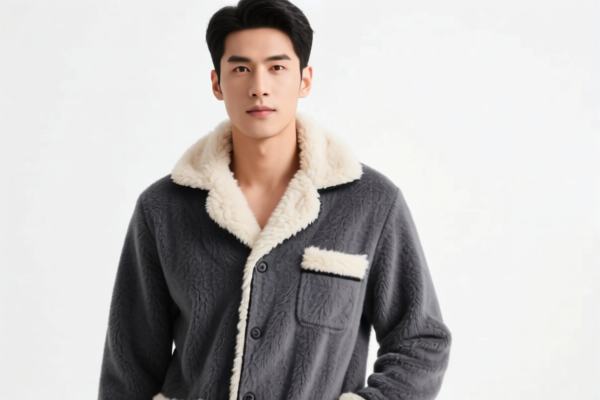
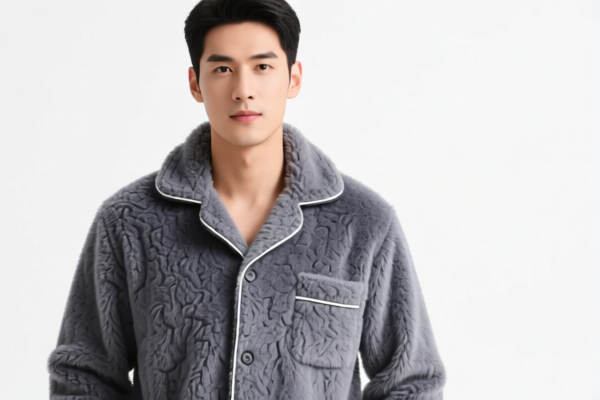
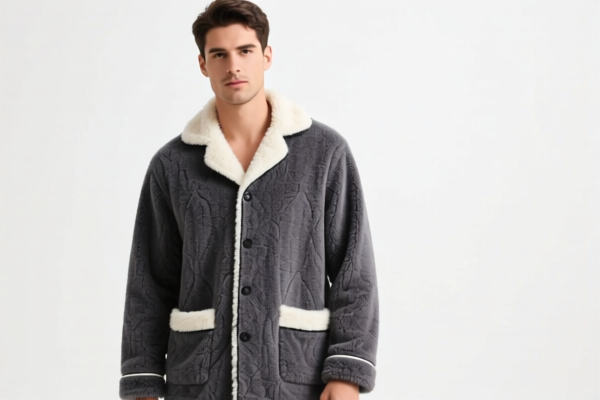
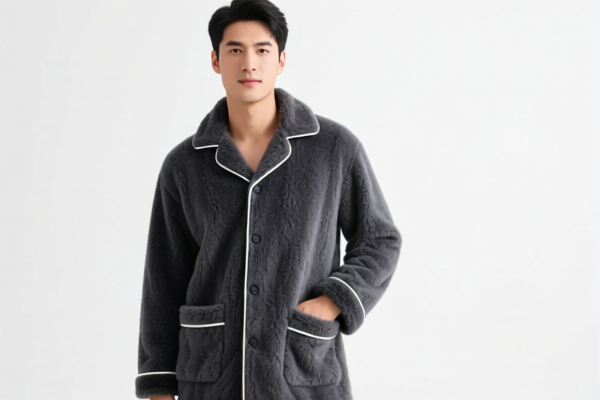
AI Analysis
🧥 Men's Winter Animal Fine Wool Pajamas (男士精细动物毛睡衣)
🌐 HS Code Reference & Customs Clearance Guide | 2026 Latest Tariff Analysis | Professional Clearance Strategy
📌 1. Product Definition & Classification: Understanding "Fine Animal Wool" Sleepwear
Men's winter pajamas made from "fine animal wool" are classified based on knitting status, gender, and material composition. The key determinant is whether the garment is knitted/knitted-like (Chapter 61) or woven (Chapter 62), and specifically how "fine animal hair" is categorized under HS heading rules.
⚠️ Key Distinction Point:
- Knitted/Knitted-like (61xx): If the fabric is knitted (e.g., jersey, fleece-like structure), it falls under Chapter 61.
- Woven (62xx): If the fabric is woven (e.g., flannel, twill), it falls under Chapter 62.
- Material Conflict: "Fine animal hair" (cashmere, mohair, etc.) is treated differently than synthetic fibers. In some subheadings, it requires specific "Other textile materials" classification, while others have explicit "Of fine animal hair" requirements.
📦 2. HS Code Classification Details (2026 Latest Tariff Authority Comparison)
| HS Code | Product Description | Matching Criteria from Data | Total Tax Rate | Tax Breakdown |
|---|---|---|---|---|
6107.29.90.00 |
Men's sleepwear, knitted/knitted-like, other | Match Purpose/Form: Men's pajamas, knitted. Material: "Fine animal hair" inferred as "Other textile materials" (no conflict). | 23.1% | Base: 5.6% Section 301: 7.5% Section 122: 10% |
6207.29.90.10 |
Men's sleepwear, woven, of fine animal hair | Match Success: Men's pajamas, woven. Material: Explicitly includes "fine animal hair," meets specific material requirement. | 24.6% | Base: 7.1% Section 301: 7.5% Section 122: 10% |
5112.11.30.30 |
Woven fabric of fine animal hair, <20 microns | Match Basis: Product name contains "fine animal hair." Categorized as "Finished Consumer Goods (Pajamas)" under this material-focused heading. | 60.0% | Base: 25.0% Section 301: 25.0% Section 122: 10% |
6207.99.40.00 |
Other men's nightwear, woven | Match Success: Men's pajamas, woven. Material: "Fine animal hair" fully meets core material requirements in classification explanation. | 23.6% | Base: 6.1% Section 301: 7.5% Section 122: 10% |
6107.29.20.00 |
Men's sleepwear, knitted/knitted-like, other | Match Success: Form (pajamas), Object (Men), Material (Fine animal wool) all fully consistent with classification requirements. | 26.0% | Base: 8.5% Section 301: 7.5% Section 122: 10% |
🔍 Key Insight:
- The lowest tax rate (23.1%) applies to knitted pajamas under6107.29.90.00if "fine animal hair" is interpreted as "other textile material."
- The highest tax rate (60.0%) applies if the product is classified under5112.11.30.30(fabric-level classification applied to finished goods), which is rare for ready-made garments but possible if misdeclared.
- Woven options (6207.29.90.10and6207.99.40.00) range from 23.6% to 24.6%.
- Section 122 Tariff (10%) applies to all these codes for Chinese-origin goods, added on top of Base + Section 301.
💰 3. 2026 Latest Tariff Rate Details (Including Surtaxes & Policy Add-ons)
✅ Applicable Country: United States (US)
✅ Origin: China (CN)
✅ Effective Time: 2025-11-10 onwards (including subsequent imports)
🎯 1. 6107.29.90.00 – Men's Sleepwear, Knitted, Other
| Item | Content |
|---|---|
| Base Tariff | 5.6% |
| Section 301 Surtax | +7.5% |
| Section 122 Tariff | +10% |
| Total Tariff | 23.1% |
| Tax Calculation | CIF Value × 23.1% |
| De Minimis Exemption? | ❌ No (Section 122 explicitly denies de minimis for goods under $800 if from China) |
| Legal Path | Section 301: HTS 6107.29.90.00 → Section 122: 10% surcharge |
📌 Explanation:
- "Section 122 Tariff" is a new surcharge targeting specific Chinese imports, including apparel.
- "Section 301" is the standard Trump-era/Biden-era tariff on Chinese goods.
- Total 23.1% is moderate for apparel but significant due to Section 122.
🎯 2. 6207.29.90.10 – Men's Sleepwear, Woven, of Fine Animal Hair
| Item | Content |
|---|---|
| Base Tariff | 7.1% |
| Section 301 Surtax | +7.5% |
| Section 122 Tariff | +10% |
| Total Tariff | 24.6% |
| Tax Calculation | CIF Value × 24.6% |
| De Minimis Exemption? | ❌ No |
| Legal Path | Section 301: HTS 6207.29.90.10 → Section 122: 10% surcharge |
📌 Note:
- Higher base tariff (7.1%) because it specifically identifies "fine animal hair," which is a premium material.
- Woven garments generally have higher base tariffs than knitted ones.
🎯 3. 5112.11.30.30 – Woven Fabric of Fine Animal Hair <20 Microns
| Item | Content |
|---|---|
| Base Tariff | 25.0% |
| Section 301 Surtax | +25.0% |
| Section 122 Tariff | +10% |
| Total Tariff | 60.0% |
| Tax Calculation | CIF Value × 60.0% |
| De Minimis Exemption? | ❌ No |
| Legal Path | Section 301: HTS 5112.11.30.30 → Section 122: 10% surcharge |
📌 Warning:
- This is a fabric-level code, not a finished garment code. If you declare ready-made pajamas under this, you risk misclassification penalties.
- However, if the system matches "fine animal hair" to this code, the tax is extremely high. Avoid this unless it's raw fabric.
🎯 4. 6207.99.40.00 – Other Men's Nightwear, Woven
| Item | Content |
|---|---|
| Base Tariff | 6.1% |
| Section 301 Surtax | +7.5% |
| Section 122 Tariff | +10% |
| Total Tariff | 23.6% |
| Tax Calculation | CIF Value × 23.6% |
| De Minimis Exemption? | ❌ No |
| Legal Path | Section 301: HTS 6207.99.40.00 → Section 122: 10% surcharge |
📌 Note:
- Slightly lower base tariff (6.1%) than6207.29.90.10but still higher than knitted options.
- "Fine animal hair" is accepted under "core material requirements" here.
🎯 5. 6107.29.20.00 – Men's Sleepwear, Knitted, Other
| Item | Content |
|---|---|
| Base Tariff | 8.5% |
| Section 301 Surtax | +7.5% |
| Section 122 Tariff | +10% |
| Total Tariff | 26.0% |
| Tax Calculation | CIF Value × 26.0% |
| De Minimis Exemption? | ❌ No |
| Legal Path | Section 301: HTS 6107.29.20.00 → Section 122: 10% surcharge |
📌 Note:
- Highest base tariff among knitted options (8.5%).
- Still competitive compared to woven equivalents.
🛠️ 4. Customs Clearance Practical Advice (Real-World Pitfall Guide)
✅ 1. Required Documents Checklist (All Mandatory)
| Document | Required | Explanation |
|---|---|---|
| ✅ Product Specification Sheet | ✔️ | Must detail fabric composition (e.g., "100% Cashmere," "60% Wool/40% Polyester"), knit/weave structure, and care labels. |
| ✅ Product Photos (Including Tags) | ✔️ | Clear images of hangtags, care labels, and fabric texture to prove "fine animal hair" content. |
| ✅ Commercial Invoice | ✔️ | Must state "Men's Knitted/Woven Pajamas, Fine Animal Hair." Avoid vague terms like "Clothing." |
| ✅ Packing List | ✔️ | Show units per carton, weights, and dimensions. |
| ✅ Certificate of Origin (CO) | ✔️ | If applicable, for preferential treatment (unlikely for US-China trade due to tariffs). |
| ✅ Fiber Content Test Report | ✔️ | Third-party lab report confirming "fine animal hair" (e.g., Cashmere <19 microns) to justify HS code. |
✅ 2. Declaration Tips (Key Mnemonics)
🔥 "Knitted vs Woven, Hair Content Matters! Don't Declare Fabric as Garment!"
| Scenario | Correct Declaration | Wrong Practice |
|---|---|---|
| Knitted Pajamas, Fine Wool | 6107.29.90.00 or 6107.29.20.00 |
Misdeclare as woven → Higher tax |
| Woven Pajamas, Fine Wool | 6207.29.90.10 or 6207.99.40.00 |
Misdeclare as knitted → Lower tax (but penalty) |
| Raw Fabric (Not Garment) | 5112.11.30.30 |
Declare as pajamas → 60% tax + penalty |
| Blended Wool (Not "Fine") | 6107.29.90.00 |
Overstate "fine" content → Audit risk |
📌 Critical:
- If the wool is not "fine" (e.g., standard sheep wool >19 microns), it may fall under "Other textile materials" rather than "Fine animal hair," changing the HS code.
- Ensure the knit/weave is accurately described. "Knitted-like" includes non-knit fabrics with knit structure (e.g., some fleece).
✅ 3. Special Case Handling
| Scenario | Handling Advice |
|---|---|
| Cashmere (Fine Animal Hair) | Must provide proof of fineness (<19 microns) to qualify for specific "fine animal hair" codes. Otherwise, use "Other textile materials." |
| Blended Fabric (e.g., Wool/Synthetic) | If wool is <50%, may not qualify as "Of fine animal hair." Use generic "Other" codes. |
| Set Pajamas (Top + Bottom) | Declare as a single set. Do not split into two items. |
| OEM/Private Label | Provide manufacturer details and design specs to prove origin and material. |
🌍 5. Global Market Comparison (2026 Latest)
| Country/Region | Recommended HS Code | Tariff | Certification | Notes |
|---|---|---|---|---|
| 🇺🇸 USA | 6107.29.90.00 |
23.1% (CN Origin) | None specific | Section 122 + 301 apply. High cost. |
| 🇨🇳 China | 6107.29.90.00 |
5.6% | CCC (if required) | No Section 122/301. |
| 🇪🇺 EU | 6107.29.90.00 |
12% (MFN) | REACH | No Section 122. |
| 🇬🇧 UK | 6107.29.90.00 |
12% (MFN) | UKCA | Post-Brexit tariffs. |
| 🇦🇺 Australia | 6107.29.90.00 |
5% | CE Marking | Free Trade Agreement benefits possible. |
📌 Conclusion:
- USA is the most expensive market due to Section 122 and 301 tariffs.
- EU/UK/Australia have lower tariffs but may require additional certifications (REACH, UKCA).
- China Domestic: Low tax, no surcharges.
📌 6. Common Errors & Pitfall Guide (Blood & Tears Lessons)
❌ Error 1: Declaring "Pajamas" under 5112.11.30.30 (Fabric Code)
👉 Consequence: 60% tax + penalties for misclassification.
✅ Fix: Use garment-specific codes (61xx or 62xx).
❌ Error 2: Not specifying "Fine Animal Hair" in description
👉 Consequence:海关 may reclassify as "Other textile materials," leading to different tax rates or delays.
✅ Fix: Clearly state "100% Cashmere" or "Fine Wool, <19 microns."
❌ Error 3: Mixing Knit and Woven in one shipment without splitting
👉 Consequence: Customs may reject or audit the entire shipment.
✅ Fix: Separate by construction type.
❌ Error 4: Ignoring Section 122 Tariff
👉 Consequence: Unexpected 10% surcharge at border.
✅ Fix: Budget for 23-26% total tax for US imports.
🎯 7. Conclusion: Precise Declaration Saves Money!
🎯 Remember Mnemonic:
🔹 "Knitted is cheaper, Woven is pricier. Fine hair matters, Fabric code is a killer!"
🔹 "Section 122 adds 10%, Section 301 adds 7.5%. Total 23%+ on CN goods."
📌 Pro Tip:
If your Cashmere is sourced from Mongolia or New Zealand, check if Origin Rules allow for non-China origin benefits (e.g., under USMCA for Canada/Mexico, though unlikely for apparel).
For US imports, consider Advance Ruling (Ruling Letter) from CBP to lock in the correct HS code and avoid surprise tariffs.
📣 Immediate Action:
📞 Contact a licensed customs broker + Provide Fiber Content Test Report + Apply for HS Code Advance Ruling
🚀 Let your Men's Wool Pajamas clear customs smoothly, maximize profit, minimize risk!
✨ Professional Clearance Starts with Accurate Classification!
💼 Every Dollar of Tax is Worth Calculating Precisely!
Customer Reviews
About HS Code Classification
The Harmonized System (HS) is an internationally standardized nomenclature developed by the World Customs Organization (WCO) to classify traded products. Over 200 countries use the HS system as the basis for customs tariffs, trade statistics, and import/export regulations.
Each HS code follows a hierarchical structure:
- Chapter (2 digits) — Broad category of goods (e.g., Chapter 84: Machinery and Mechanical Appliances)
- Heading (4 digits) — More specific grouping within the chapter
- Subheading (6 digits) — Internationally standardized breakdown, used by all WCO member countries
- National subdivisions (8-10 digits) — Country-specific extensions for further classification, such as US HTSUS 10-digit codes
Correct HS code classification is essential for smooth customs clearance, accurate duty payment, and compliance with trade regulations. Misclassification can lead to customs delays, overpayment of duties, or penalties.
When importing from CN to US, the applicable tariff rates may include:
- Most-Favored-Nation (MFN) rate — The standard duty rate applied to WTO members
- General rate — Applied to countries without trade agreements
- Trade remedy duties — Additional tariffs such as Section 301 (anti-dumping), Section 232 (national security), or countervailing duties
The information provided on this page is for reference purposes only. For official classification, please consult with your local customs authority or a licensed customs broker.