Men's Winter Lined Leather Gloves
CN → US| HS Code | Tariff Rate | Origin | Destination | Doc |
|---|---|---|---|---|
| 4203290800 | 49.0% | CN | US | Official Doc |
| 4203290500 | 47.6% | CN | US | Official Doc |
| 6216009000 | 21.3% | CN | US | Official Doc |
| 6216002600 | 24.5% | CN | US | Official Doc |
| 6216000800 | 18.3% | CN | US | Official Doc |
Product Images
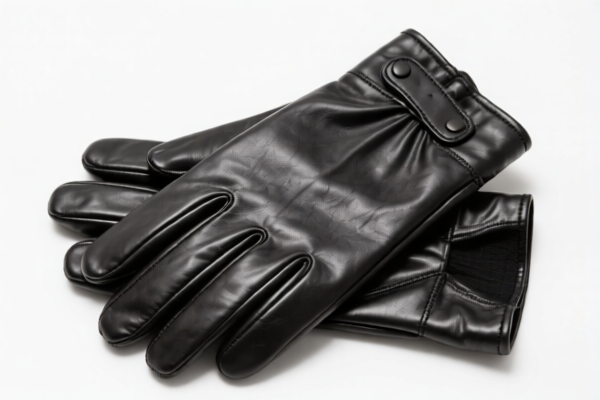
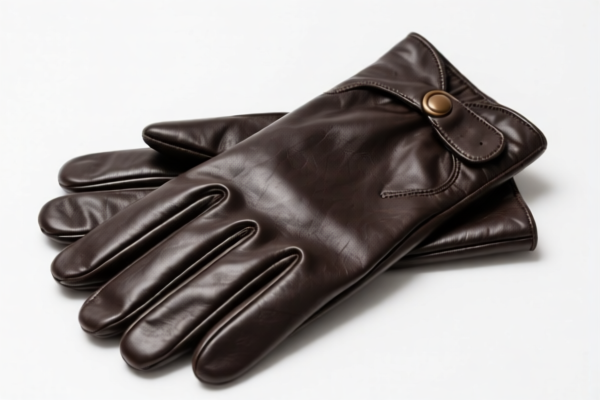
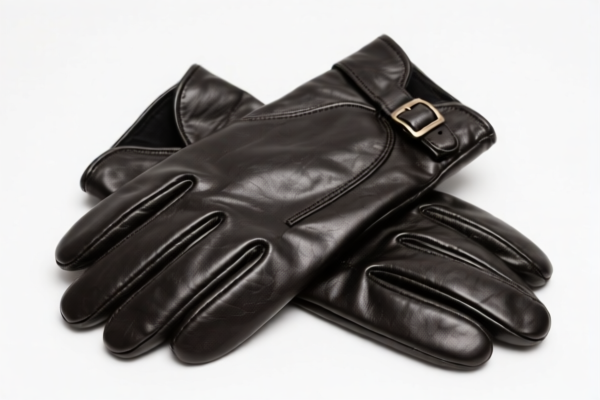
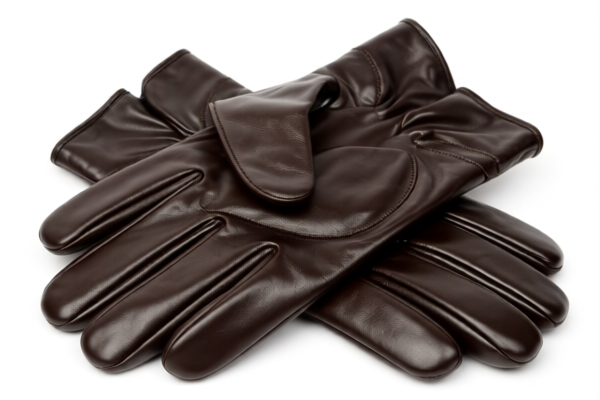
AI Analysis
🧤 Men's Winter Lined Leather Gloves
🌐 HS Code Reference & Customs Clearance Guide | 2026 Latest Tariff Analysis | Professional Clearance Strategy
📌 I. Product Definition & Classification: What Are "Lined Leather Gloves"?
Men's winter gloves are functional accessories designed for cold-weather protection. In international trade, the classification hinges on two critical factors:
1. Material: Are they made of genuine leather, artificial leather, or textile?
2. Construction: Is the leather the primary surface, or is it coated/impregnated?
⚠️ Key Distinction:
- Category 42 (Chapter 42): Gloves made of leather (natural animal skin) or composition leather. These are high-value, durable goods.
- Category 62 (Chapter 62): Gloves made of textile materials (cotton, wool, synthetic fibers), even if lined with leather or having leather trim.
- Critical Check: If the glove is "leather-coated fabric" (fabric base with leather/synthetic layer), it may fall under Chapter 62 as well.
📦 II. HS Code Classification Details (Based on Provided Data)
The following HS Codes are derived from the specific characteristics of "Men's Winter Lined Leather Gloves" as provided in the data. Note that tax rates vary significantly based on the specific sub-category and origin (assuming US imports from China due to the mention of Section 301/122 tariffs).
| HS Code | Product Description | Applicability Scenario | Material/Feature Match |
|---|---|---|---|
4203.29.08.00 |
Gloves, mittens, and mitts, of leather or composition leather | High-end Genuine Leather | Matches form (glove) + Material (Leather: Horse/Cow). Primary leather classification. |
4203.29.05.00 |
Gloves, mittens, and mitts, of leather or composition leather | General Leather Category | Matches form (glove) + Material (Leather). The "catch-all" or residual category for leather gloves not specified elsewhere. |
6216.00.90.00 |
Gloves, mittens, and mitts, of other textile materials | Textile-Lined/Trimmed | Product is a glove; material is leather, but fits "Other" textile category with no obvious conflict. Note: This implies the primary material might be interpreted as textile with leather accents or a specific regulatory interpretation. |
6216.00.26.00 |
Gloves, mittens, and mitts, of other textile materials | Non-Coated/Impregnated | Form: Glove; Material: Leather (interpreted here as non-rubber/plastic coated). Falls under "Other" textile gloves. |
6216.00.08.00 |
Gloves, mittens, and mitts, of other textile materials | Synthetic Leather/Coated | Material: Synthetic Leather (fits plastic/rubber coated characteristics); Form: Glove. Used for gloves within this scope. |
🔍 Key Insight:
- Codes4203.29.xxxxgenerally carry higher tariffs (47.6% - 49.0%) due to the application of Section 301 (25%) and Section 122 (10%) on top of basic duties.
- Codes6216.00.xxxxcarry lower tariffs (18.3% - 24.5%) but require strict justification that the product is primarily textile or fits the "other" category, which may risk customs scrutiny if the product is predominantly natural leather.
💰 III. 2026 Latest Tariff Rate Breakdown (Including Surcharges)
✅ Applicable Country: United States (US)
✅ Origin: China (CN)
✅ Effective Date: Current Trade Policy (Section 301 & Section 122)
🎯 1. 4203.29.08.00 & 4203.29.05.00 — Genuine Leather Gloves
These codes represent traditional leather gloves. They are subject to the highest tax burden in this dataset.
| Item | Content |
|---|---|
| Basic Duty Rate | 12.6% - 14.0% (Ad Valorem) |
| Section 301 Surcharge | +25.0% (USITC Additional Duty) |
| Section 122 Surcharge | +10.0% (Targeting specific Chinese imports) |
| Total Tax Rate | 47.6% - 49.0% |
| Tax Calculation | CIF Value × Total Rate |
| De Minimis Exemption | ❌ Not Applicable (Value exceeds $800 threshold usually, and specific goods are excluded) |
| Legal Basis Path | HTSUS:4203.29 → Section 301: Footnote 9903 → Section 122: IEEPA Authorities |
📌 Explanation:
- The 25% is the standard Section 301 tariff for many Chinese consumer goods.
- The 10% is the Section 122 tariff, which applies to certain goods imported by US defense contractors or specific entities, often layered on top.
- Total Cost Impact: Nearly half the CIF value is tax. This makes these gloves very expensive for US consumers.
🎯 2. 6216.00.90.00 & 6216.00.26.00 — Other Textile/Non-Specific Gloves
These codes offer lower tax rates but depend heavily on how the "leather" is defined (e.g., as a lining or minor component vs. primary shell).
| Item | Content |
|---|---|
| Basic Duty Rate | 3.8% - 7.0% (Ad Valorem) |
| Section 301 Surcharge | +7.5% (Reduced Section 301 rate for some textile/glove categories) |
| Section 122 Surcharge | +10.0% |
| Total Tax Rate | 21.3% - 24.5% |
| Tax Calculation | CIF Value × Total Rate |
| De Minimis Exemption | ❌ Not Applicable |
| Legal Basis Path | HTSUS:6216.00 → Section 301: Footnote 9903 → Section 122 |
📌 Note:
- The 7.5% Section 301 rate is significantly lower than 25%, likely because these gloves fall into a sub-list excluded from the highest tier of tariffs.
- However, proving that "Leather Gloves" fit under6216(Textile Gloves) requires careful documentation to avoid reclassification by CBP.
🎯 3. 6216.00.08.00 — Synthetic Leather/Coated Gloves
| Item | Content |
|---|---|
| Basic Duty Rate | 0.8% (Ad Valorem) |
| Section 301 Surcharge | +7.5% |
| Section 122 Surcharge | +10.0% |
| Total Tax Rate | 18.3% |
| Tax Calculation | CIF Value × Total Rate |
| De Minimis Exemption | ❌ Not Applicable |
| Legal Basis Path | HTSUS:6216.00 → Section 301 → Section 122 |
📌 Explanation:
- This is the most tax-efficient classification provided.
- It applies if the gloves are made of synthetic leather (polyurethane, PVC, etc.) or fabric coated with leather-like materials.
- Risk: If the product is labeled as "Genuine Leather," misdeclaring it as synthetic can lead to severe penalties for fraud.
🛠️ IV. Customs Clearance Practical Advice (Operational Pitfall Guide)
✅ 1. Documentation Checklist (Must-Have)
| Document | Required? | Description |
|---|---|---|
| ✅ Product Specification Sheet | ✔️ | Detail material composition: % Leather, % Lining, % Synthetic. |
| ✅ Material Test Report | ✔️ | Third-party lab report confirming "Genuine Leather" vs. "Synthetic." |
| ✅ Commercial Invoice | ✔️ | Clearly state: "Men's Winter Lined Leather Gloves, Model [X], Country of Origin: China." |
| ✅ Packing List | ✔️ | Ensure no mixed shipments that could confuse the "primary material" assessment. |
| ✅ Import License (if applicable) | ✔️ | Some leather products may require USDA/APHIS inspection for animal products. |
✅ 2. Declaration Strategy (Key Mantra)
🔥 “Material Dictates Code, Origin Dictates Tax!”
| Scenario | Correct Declaration | Risk of Misclassification |
|---|---|---|
| Genuine Cow/Horse Leather Shell | 4203.29.08.00 or 4203.29.05.00 |
Low risk if material is verified. High tax (49%). |
| Synthetic Leather Shell | 6216.00.08.00 |
Low tax (18.3%). Must prove it is NOT natural leather. |
| Textile Shell with Leather Lining | 6216.00.90.00 |
Moderate tax (21.3%). Must prove textile is primary material. |
| Mixed Materials (Unclear) | Avoid! | Customs will reclassify to the highest tax item or demand additional docs. |
✅ 3. Special Cases
| Situation | Recommendation |
|---|---|
| OEM Branded Gloves | Ensure the brand owner is clear. If the US brand manufactures in China, Section 122 may apply if deemed "military" or "dual-use" (rare for gloves, but check). |
| Gift vs. Commercial | If shipped as de minimis (under $800), ensure it's not a commercial shipment in multiple packages. CBP scrutinizes "multiple small parcels." |
| Leather Treatment | If tanned with chrome or vegetable tanning, this affects USDA requirements but not HS code significantly. |
🌍 V. Global Market Comparison (2026 Latest)
| Country/Region | Recommended HS Code | Est. Total Tax (China Origin) | Key Requirements | Remarks |
|---|---|---|---|---|
| 🇺🇸 United States | 4203.29.08.00 |
49.0% | USDA Inspection + CBP | Highest tax due to Section 301 + 122. |
| 🇨🇳 China (Import) | 4203.29.08.00 |
~14% | CCC (if applicable) | Lower tax, no Section 301. |
| 🇪🇺 EU | 4203.29 |
~4-8% | CE Marking (PPE if safety) | No Section 301/122. Lower baseline. |
| 🇬🇧 UK | 4203.29 |
~4-8% | UKCA Marking | Post-Brexit rules apply. |
| 🇯🇵 Japan | 4203.29 |
~5-10% | No special surcharges | Stable tariff environment. |
📌 Conclusion:
- The US is the most expensive market for Chinese leather gloves due to layered tariffs.
- Cost Optimization: If the product can be legally classified as6216.00.08.00(Synthetic/Coated), taxes drop by ~30%.
- Alternative Supply Chain: Consider sourcing from Vietnam or Mexico to avoid US Section 301 tariffs (though Section 122 may still apply depending on entity).
📌 VI. Common Errors & Pitfalls (Lessons Learned)
❌ Error 1: Declaring "Leather Gloves" under 6216 without proof.
👉 Consequence: CBP rejects entry, reclassifies to 4203, and charges the 49% rate + penalties.
❌ Error 2: Ignoring Section 122 (10%).
👉 Consequence: Unexpected tax bill at the port of entry. Section 122 applies to specific entities and goods, often overlooked.
❌ Error 3: Mislabeling "Synthetic" as "Genuine."
👉 Consequence: Fraud investigation, seizure of goods, and blacklisting of the importer.
❌ Error 4: Assuming all leather gloves are the same.
👉 Consequence: Using the wrong sub-code (e.g., 4203.29.05 vs 08) can lead to slight duty differences or compliance flags.
✅ Correct Approach:
"Men's Leather Gloves, 100% Cowhide Exterior, Wool Lining, Model WLG-2026, Made in China."
+ Attach Material Test Report confirming leather authenticity.
🎯 VII. Conclusion: Professional Classification Saves Money!
🎯 Remember:
🔹 "Leather is High Tax (49%), Synthetic is Lower Tax (18%)!"
🔹 "Verify Material First, Choose Code Second!"
🔹 "Section 122 is the Hidden Killer (10%)!"
📌 Pro Tip:
If your gloves are not made in China (e.g., Vietnam, Italy, USA), you may avoid Section 301/122 tariffs entirely, reducing the tax to 0-14%.
Recommendation: Apply for a Pre-Ruling from CBP if the material composition is complex (e.g., split leather, suede, or mixed materials).
📣 Immediate Action:
📞 Contact your freight forwarder + Provide material specs + Verify Section 122 applicability
🚀 Ensure smooth clearance, avoid delays, and maximize profit margins!
✨ Professional Customs Clearance Starts with Precise Classification!
💼 Every Percentage Point of Tax Matters!
Customer Reviews
About HS Code Classification
The Harmonized System (HS) is an internationally standardized nomenclature developed by the World Customs Organization (WCO) to classify traded products. Over 200 countries use the HS system as the basis for customs tariffs, trade statistics, and import/export regulations.
Each HS code follows a hierarchical structure:
- Chapter (2 digits) — Broad category of goods (e.g., Chapter 84: Machinery and Mechanical Appliances)
- Heading (4 digits) — More specific grouping within the chapter
- Subheading (6 digits) — Internationally standardized breakdown, used by all WCO member countries
- National subdivisions (8-10 digits) — Country-specific extensions for further classification, such as US HTSUS 10-digit codes
Correct HS code classification is essential for smooth customs clearance, accurate duty payment, and compliance with trade regulations. Misclassification can lead to customs delays, overpayment of duties, or penalties.
When importing from CN to US, the applicable tariff rates may include:
- Most-Favored-Nation (MFN) rate — The standard duty rate applied to WTO members
- General rate — Applied to countries without trade agreements
- Trade remedy duties — Additional tariffs such as Section 301 (anti-dumping), Section 232 (national security), or countervailing duties
The information provided on this page is for reference purposes only. For official classification, please consult with your local customs authority or a licensed customs broker.