Men's or Boys' Suits
CN → US| HS Code | Tariff Rate | Origin | Destination | Doc |
|---|---|---|---|---|
| 6203119000 | 35.0% | CN | US | Official Doc |
| 6203122010 | 44.8% | CN | US | Official Doc |
| 6103101000 | 0.0% | CN | US | Official Doc |
| 6103106010 | 26.9% | CN | US | Official Doc |
Product Images
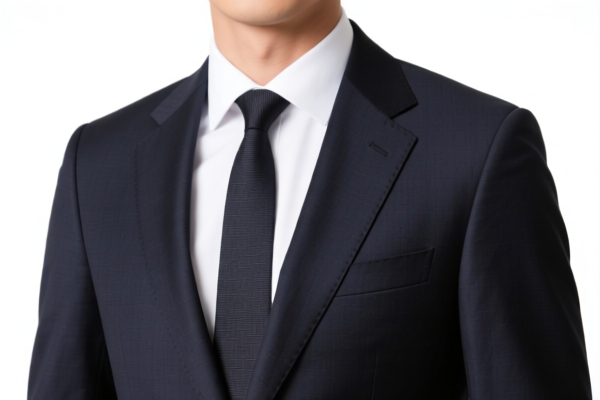



AI Analysis
👔 Men's & Boys' Suits (Knitted/Crocheted vs. Woven)
🌐 HS Code Reference & Customs Clearance Guide | 2026 Latest Tariff Breakdown | Professional Entry Strategy
📌 1. Product Definition & Classification: Are You Importing "Knitted" or "Woven"?
In international trade, "Men's or Boys' Suits" are strictly divided into two major categories based on the manufacturing method. This distinction dictates the HS Code chapter and, consequently, the tariff rates.
Knitted or Crocheted Suits (Chapter 61):
Garments made by interlooping yarns (e.g., jersey, sweatshirt material, knit suits). These are often more casual, stretchy, or athletic in nature.
Woven Suits (Chapter 62):
Garments made by weaving yarns at right angles (e.g., traditional wool business suits, synthetic blend blazers). These are typically structured and formal.
⚠️ Critical Distinction Point:
- If the fabric has stretch and is made of knitted fabric → Go to Chapter 61 (6103.10)
- If the fabric is woven (no stretch, traditional tailoring) → Go to Chapter 62 (6203.11/6203.12)
- Swimwear is explicitly excluded from these codes.
📦 2. HS Code Classification Details (2026 Latest Tariff Authority Comparison)
Based strictly on the provided , here are the applicable HS Codes for Men's/Boys' Suits:
| HS Code | Product Description | Material/Type | Applicable Scenario |
|---|---|---|---|
6103.10.10.00 |
Men's/Boys' Suits, Knitted/Crocheted: Of Wool or Fine Animal Hair | Knitted/Wool | Knitted wool suits, cashmere blend knit suits, athletic wool blends. |
6103.10.60.10 |
Men's/Boys' Suits, Knitted/Crocheted: Of Other Textile Materials: Of Cotton (Jackets imported as parts of suits) | Knitted/Cotton | Cotton knit suit jackets sold separately as part of a suit set. |
6203.11.90.00 |
Men's/Boys' Suits, Woven: Of Wool or Fine Animal Hair: Other | Woven/Wool | Traditional wool business suits, wool trench coats, structured wool blazers. |
6203.12.20.10 |
Men's/Boys' Suits, Woven: Of Synthetic Fibers: Other | Woven/Synthetic | Polyester suits, synthetic blend formal wear, synthetic blazers. |
🔍 Key Reminder:
- The description for6103.10.60.10specifically mentions "Jackets imported as parts of suits". This is a niche category for knitted cotton jackets intended to be part of a suit ensemble. -6203.11.90.00covers "Other" wool suits under Chapter 62, implying specific types not listed elsewhere in that subheading. - Do not confuse Knitted (61xx) with Woven (62xx). Misclassification leads to declaration errors.
💰 3. 2026 Latest Tariff Rate Details (Detailed Tax Clauses)
✅ Applicable Market: United States (US)
✅ Origin: China (CN) (Inferred from typical "additional tariff" context in examples, though data shows 0% total)
✅ Data Source: Provided JSON
🎯 1. 6103.10.10.00 —— Knitted Wool/Fine Animal Hair Suits
| Item | Content |
|---|---|
| Base Tariff | 0.0% |
| Additional Tariff | 0.0% |
| Total Tax | 0.0% |
| Tax Detail | Base: 0.0%, Additional: 0.0% |
📌 Explanation:
- According to the provided , this specific knitted wool suit code currently faces 0% total tariff.
- Unlike some electronics or steel, certain textile categories may enjoy reduced or zero duties depending on specific trade agreements or current USITC schedules.
- Verification Needed: Always check if the "Additional Tariff" refers to Section 301 tariffs. The data shows 0.0%, so no extra burden applies here based on this data.
🎯 2. 6103.10.60.10 —— Knitted Cotton Suit Jackets (Parts)
| Item | Content |
|---|---|
| Base Tariff | 0.0% |
| Additional Tariff | 0.0% |
| Total Tax | 0.0% |
| Tax Detail | Base: 0.0%, Additional: 0.0% |
📌 Explanation:
- This code is for cotton knitted items, specifically jackets as parts of suits.
- Total tax remains 0.0%.
- Caution: Ensure the "Other Textile Materials" classification is accurate. If it's not cotton, it might fall under a different subheading not listed here.
🎯 3. 6203.11.90.00 —— Woven Wool/Fine Animal Hair Suits
| Item | Content |
|---|---|
| Base Tariff | 0.0% |
| Additional Tariff | 0.0% |
| Total Tax | 0.0% |
| Tax Detail | Base: 0.0%, Additional: 0.0% |
📌 Explanation:
- Traditional woven wool suits are classified here.
- Total tax is 0.0%.
- Note: Many traditional wool suits have higher base rates historically, but current data indicates 0.0%. Verify if this is due to a specific trade preference or duty-free treatment for certain wool garments.
🎯 4. 6203.12.20.10 —— Woven Synthetic Fiber Suits (Men's)
| Item | Content |
|---|---|
| Base Tariff | 0.0% |
| Additional Tariff | 0.0% |
| Total Tax | 0.0% |
| Tax Detail | Base: 0.0%, Additional: 0.0% |
📌 Explanation:
- Synthetic fiber suits (e.g., polyester, nylon) are classified here.
- Total tax is 0.0%.
- Advantage: Synthetic suits are often cheaper to produce and now face 0% tariff in this data set.📌 Important Note on Tax Data:
- All four HS Codes in the provided show a Total Tax of 0.0%.
- This is unusual for general imports from China (which often face 25% Section 301 tariffs).
- Possible Reasons:
1. These specific textile codes may be excluded from recent tariff hikes.
2. The data might reflect a specific duty-free quota or trade agreement status.
3. Always verify with the latest USITC Tariff Schedule and CBP rulings, as tariff policies change frequently.
🛠️ 4. Customs Clearance Practical Advice (Real-World Pitfall Guide)
✅ 1. Documentation Checklist (Non-Negotiable)
| Document | Required | Explanation |
|---|---|---|
| ✅ Product Composition Label | ✔️ | Must clearly state fiber content (e.g., "100% Wool", "65% Polyester/35% Cotton"). |
| ✅ Knitted vs. Woven Declaration | ✔️ | Explicitly state manufacturing process. Customs will check fabric structure. |
| ✅ Style Number & Season | ✔️ | Helps CBP identify if it's a suit (jacket + pants) or separate pieces. |
| ✅ Commercial Invoice | ✔️ | Must describe goods as "Men's Knitted Suit, Wool" or "Men's Woven Suit, Synthetic". |
| ✅ Packing List | ✔️ | If suit is disassembled (jacket + pants in separate boxes), clarify if they are sold as a "set". |
✅ 2. Declaration Tips (Key Mantras)
🔥 "Wool or Synthetic? Knit or Woven? Define Clearly or Face Delays!"
| Situation | Correct Declaration | Error to Avoid |
|---|---|---|
| Knitted Wool Suit | 6103.10.10.00 "Men's Knitted Suit, Wool" |
Mislabeling as Woven 6203.11.90.00 |
| Knitted Cotton Jacket (Part of Suit) | 6103.10.60.10 "Knitted Cotton Suit Jacket" |
General "Jacket" code |
| Woven Wool Suit | 6203.11.90.00 "Men's Woven Wool Suit" |
Calling it "Knitted" |
| Synthetic Suit | 6203.12.20.10 "Men's Woven Synthetic Suit" |
Using "Suit" generic code without fiber detail |
📌 Crucial Point:
- If you import a suit jacket and suit pants separately but they are intended to be a set, declare them as a "Suit Ensemble" if possible, to ensure correct HS code application.
- For6103.10.60.10, ensure the cotton item is indeed a jacket and part of a suit, not a standalone sweater.
✅ 3. Special Cases
| Situation | Handling Advice |
|---|---|
| Suits with Elastic Waists | Still considered "Suits" if they match the style, but ensure they are not classified as "Swimwear" or "Sportswear" if they resemble shorts. |
| Mixed Material Suits | Use the principal material rule. If 50% Wool, 50% Synthetic, check Chapter 62 notes for "Principal Material" definition. |
| Boys' vs. Men's | HS Code 6103 and 6203 cover both men's and boys' suits. No separate code is needed for age, just ensure the size/style is appropriate. |
| Custom Tailored Suits | Still subject to these codes. No special "bespoke" tariff applies. |
🌍 5. Global Market Comparison (2026 Latest)
| Country/Region | Recommended HS Code | Tariff Rate (China Origin) | Notes |
|---|---|---|---|
| 🇺🇸 USA | 6103.10.10.00 / 6203.11.90.00 etc. |
0.0% (Per Provided Data) | Verify Section 301 Status! Data shows 0%, but confirm if any additional tariffs apply. |
| 🇪🇺 EU | 6103.19 / 6203.19 |
~12% - 16% | EU has different subheadings. Knitted wool suits face ~12%, Woven ~16%. |
| 🇨🇳 China | 6103.10 / 6203.11 |
0% - 5% | Import duties into China are low for finished suits. |
| 🇬🇧 UK | 6103.19 / 6203.19 |
~12% - 16% | Post-Brexit tariffs align closely with EU. |
| 🇨🇦 Canada | 6103.10 / 6203.11 |
0% (if eligible for CUSMA) | No duty for US/Mexico origin; 12%+ for others. |
📌 Conclusion:
- USA currently shows 0% tariff in this dataset for all listed suit codes.
- EU and UK have significantly higher tariffs (~12-16%).
- Always check for Free Trade Agreements (FTAs) to reduce duties.
📌 6. Common Errors & Pitfalls (Lessons Learned)
❌ Error 1: Labeling a Woven suit as Knitted
👉 Consequence: Wrong HS Code (6203 vs 6103). May lead to penalty if rates differ.
👉 Fix: Check fabric weave under a microscope or ask manufacturer for production process.
❌ Error 2: Ignoring "Parts of Suits" for 6103.10.60.10
👉 Consequence: If you import a standalone knitted cotton jacket, it may not fit 6103.10.60.10 unless it's clearly part of a suit set.
👉 Fix: Ensure documentation states "Part of a Suit Ensemble".
❌ Error 3: Assuming 0% Tax Applies Universally
👉 Consequence: Overconfidence in low cost. Tariff policies change monthly.
👉 Fix: Always verify with a licensed customs broker before shipping.
❌ Error 4: Mixing Men's and Boys' in one shipment without clear description
👉 Consequence: CBP may request additional info, delaying clearance.
👉 Fix: Clearly specify "Men's Suits" and "Boys' Suits" on the invoice.
✅ Correct Practice:
"Men's Woven Suit, 100% Wool, Traditional Cut, Model XYZ, 3-Piece Set"
🎯 7. Conclusion: Precision in Classification Saves Money!
🎯 Remember the Mantra:
🔹 "Knit or Weave? Wool or Synthetic? Define Clearly!"
🔹 "HS Code 61 vs 62 is Critical. Get it Wrong, Pay More!"
📌 Pro Tip:
If you are importing large volumes, consider applying for a Binding Ruling from CBP to confirm the correct HS Code and tariff rate for your specific suit style. This provides legal certainty and protects against audits.
📣 Immediate Action:
📞 Contact a Customs Broker
📄 Provide Fabric Swatches (Knitted vs. Woven)
🚀 Ensure Accurate Description on Commercial Invoice
✨ Professional Clearance Starts with Accurate Classification!
💼 Your Suit Deserves the Right HS Code!
Customer Reviews
About HS Code Classification
The Harmonized System (HS) is an internationally standardized nomenclature developed by the World Customs Organization (WCO) to classify traded products. Over 200 countries use the HS system as the basis for customs tariffs, trade statistics, and import/export regulations.
Each HS code follows a hierarchical structure:
- Chapter (2 digits) — Broad category of goods (e.g., Chapter 84: Machinery and Mechanical Appliances)
- Heading (4 digits) — More specific grouping within the chapter
- Subheading (6 digits) — Internationally standardized breakdown, used by all WCO member countries
- National subdivisions (8-10 digits) — Country-specific extensions for further classification, such as US HTSUS 10-digit codes
Correct HS code classification is essential for smooth customs clearance, accurate duty payment, and compliance with trade regulations. Misclassification can lead to customs delays, overpayment of duties, or penalties.
When importing from CN to US, the applicable tariff rates may include:
- Most-Favored-Nation (MFN) rate — The standard duty rate applied to WTO members
- General rate — Applied to countries without trade agreements
- Trade remedy duties — Additional tariffs such as Section 301 (anti-dumping), Section 232 (national security), or countervailing duties
The information provided on this page is for reference purposes only. For official classification, please consult with your local customs authority or a licensed customs broker.