Men's or Boys' Synthetic Fiber Trousers
CN → US| HS Code | Tariff Rate | Origin | Destination | Doc |
|---|---|---|---|---|
| 6103230040 | 0.0% | CN | US | Official Doc |
| 6203439011 | 45.4% | CN | US | Official Doc |
| 6103431520 | 45.7% | CN | US | Official Doc |
| 6203431310 | 45.4% | CN | US | Official Doc |
| 6112120050 | 45.7% | CN | US | Official Doc |
Product Images
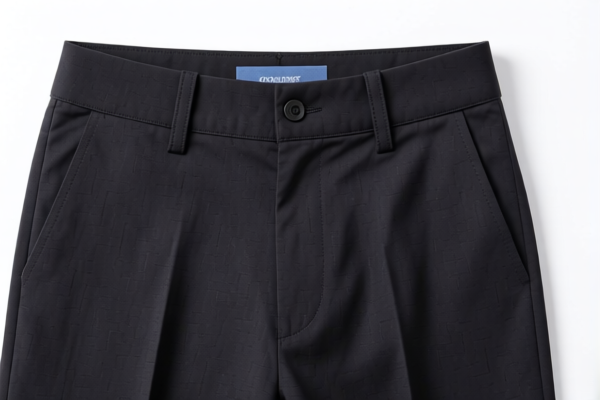
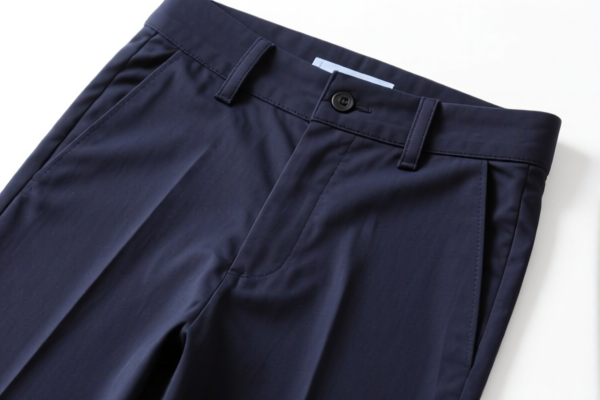
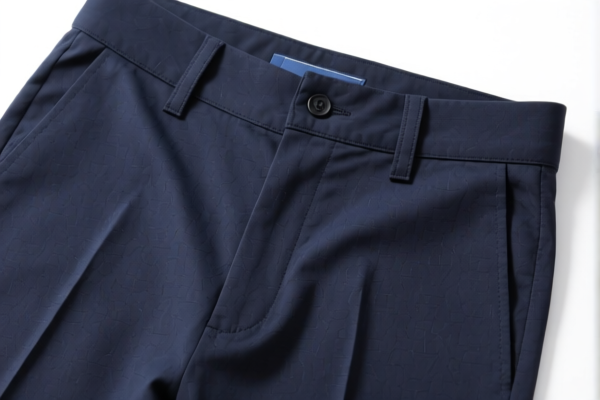
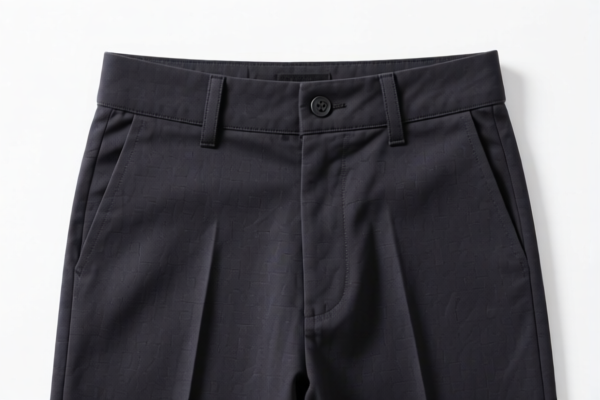
AI Analysis
👖 Men's/Boys' Synthetic Fiber Trousers (The "Trade War" Heavyweights)
🌐 HS Code Reference & Customs Clearance Guide | 2026 Latest Tariff Analysis | Professional Clearance Strategy
📌 I. Product Definition & Classification: Why Are They Classified Here?
Men’s or Boys’ trousers made of synthetic fibers are a critical category in international trade, heavily scrutinized due to their classification under Chapter 61 (Knitted/Crocheted) and Chapter 62 (Non-Knitted/Woven). The distinction lies primarily in the manufacturing process (knitted vs. woven) and the specific synthetic material used.
Synthetic Fibers (e.g., Polyester, Nylon, Acrylic):
- If Knitted/Crocheted → Generally falls under Chapter 61 (e.g., 6103, 6112).
- If Woven/Not Knitted → Generally falls under Chapter 62 (e.g., 6203).
⚠️ Key Differentiator:
- Knitted fabrics stretch and loop; they are often more casual (e.g., sweatpants, chinos).
- Woven fabrics are tighter, less stretchy, and often formal (e.g., dress pants, slacks).
- Misclassification Risk: Declaring woven trousers as "knitted" to seek lower base rates is a major red flag for Customs and can lead to severe penalties.
📦 II. HS Code Classification Matrix (2026 Latest Tariff Authority Match)
Based on the provided data, here is the exact breakdown for synthetic fiber men’s/boys’ trousers. Note that all items below are subject to significant additional tariffs due to their origin (implied China/US trade context).
| HS Code | Product Description & Summary | Material/Type Match |
|---|---|---|
6103.23.00.40 |
Synthetic Fiber Men's Trousers | Knitted/Crocheted. Specific code matches material and form completely. Often refers to specific synthetic blends in knitted form. |
6203.43.90.11 |
Synthetic Fiber Men's Trousers | Woven. Covers material, gender, and form. "90" usually indicates "Other" synthetic trousers. |
6103.43.15.20 |
Synthetic Fiber Men's Trousers | Knitted/Crocheted. Matches material, use, and form requirements. Specific synthetic knitted pants. |
6203.43.13.10 |
Synthetic Fiber Men's Trousers | Woven. Material, form, and applicable population match. Specific woven synthetic pants. |
6112.12.00.50 |
Synthetic Fiber Men's/Boys' Pants | Knitted/Crocheted Sportswear/Activewear. Matches material and use completely. Likely refers to athletic or track pants. |
🔍 Important Note:
- Chapter 61 (6103,6112) = Knitted Trousers.
- Chapter 62 (6203) = Woven Trousers.
- The "122 Section" tariff (see below) applies to ALL these codes if they originate from countries targeted by Section 301/122 rules.
💰 III. 2026 Latest Tariff Rate Breakdown (Including Surcharges & Policy Add-ons)
✅ Applicable Country: United States (US)
✅ Origin: China (CN) (Implied by the "122 Section" and high total tax rates)
✅ Effective Time: Current (2025-2026)
🎯 1. Knitted Trousers (6103.23.00.40) – The "Ensemble" Loophole?
| Item | Content |
|---|---|
| HS Code | 6103.23.00.40 |
| Base Tariff | "The rate applicable to each garment in the ensemble if separately classified" (Note: This often means the base rate is low or 0% if treated as a set, BUT see below) |
| Section 301 Surtax | 7.5% |
| Section 122 Tariff | 10% |
| Total Effective Tax | 17.5% (Calculated as Base + 7.5% + 10%) |
| Tax Detail | Base: Variable (Ensemble Rule), Surtax: 7.5%, 122 Section: 10% |
| Legal Basis | USITC:6103.23.00.40 → IEEPA:9903 → Section 122 |
📌 Explanation:
- This code offers a significantly lower total tax (17.5%) compared to other woven options.
- The phrase "rate applicable... if separately classified" suggests that if the trousers are part of a "set" (e.g., with a matching top), the duty might be calculated differently. However, for standalone trousers, ensure you are eligible for this lower base rate.
- Why is it cheaper? Knitted synthetic trousers often have a lower base MFN (Most Favored Nation) rate than woven ones.
🎯 2. Woven Trousers (6203.43.90.11) – The Standard Category
| Item | Content |
|---|---|
| HS Code | 6203.43.90.11 |
| Base Tariff | 27.9% |
| Section 301 Surtax | 7.5% |
| Section 122 Tariff | 10% |
| Total Tax | 45.4% |
| Tax Detail | Base: 27.9%, Surtax: 7.5%, 122 Section: 10% |
| Legal Basis | USITC:6203.43.90.11 → IEEPA:9903 → Section 122 |
📌 Explanation:
- High Base Rate: Woven synthetic trousers have a much higher base MFN rate (27.9%) compared to knitted ones.
- Total Burden: 45.4% is a heavy tax burden.
- Applicability: Standard dress pants, slacks, and casual woven pants.
🎯 3. Other Woven Trousers (6203.43.13.10)
| Item | Content |
|---|---|
| HS Code | 6203.43.13.10 |
| Base Tariff | 27.9% |
| Section 301 Surtax | 7.5% |
| Section 122 Tariff | 10% |
| Total Tax | 45.4% |
| Tax Detail | Base: 27.9%, Surtax: 7.5%, 122 Section: 10% |
| Legal Basis | USITC:6203.43.13.10 → IEEPA:9903 → Section 122 |
📌 Note:
- Identical tax structure to6203.43.90.11.
- The difference lies in the specific sub-category of woven synthetic fiber. Ensure your product description matches the "13.10" specificity to avoid misclassification.
🎯 4. Knitted Trousers (6103.43.15.20)
| Item | Content |
|---|---|
| HS Code | 6103.43.15.20 |
| Base Tariff | 28.2% |
| Section 301 Surtax | 7.5% |
| Section 122 Tariff | 10% |
| Total Tax | 45.7% |
| Tax Detail | Base: 28.2%, Surtax: 7.5%, 122 Section: 10% |
| Legal Basis | USITC:6103.43.15.20 → IEEPA:9903 → Section 122 |
📌 Explanation:
- Despite being knitted (Chapter 61), this specific code has a higher base rate (28.2%) than6103.23.00.40.
- Why? It may refer to a specific type of synthetic blend or style that carries a higher duty.
- Total Burden: 45.7% – Similar to woven pants.
🎯 5. Sportswear/Activewear (6112.12.00.50)
| Item | Content |
|---|---|
| HS Code | 6112.12.00.50 |
| Base Tariff | 28.2% |
| Section 301 Surtax | 7.5% |
| Section 122 Tariff | 10% |
| Total Tax | 45.7% |
| Tax Detail | Base: 28.2%, Surtax: 7.5%, 122 Section: 10% |
| Legal Basis | USITC:6112.12.00.50 → IEEPA:9903 → Section 122 |
📌 Explanation:
- Chapter 6112 covers Track suits, swimming wear, and sports clothing.
- If your trousers are athletic pants, joggers, or track pants, this code may apply.
- Total Burden: 45.7% – High, similar to other knitted/woven non-sport codes.
🛠️ IV. Customs Clearance Practical Advice (Real-World Pitfall Guide)
✅ 1. Document Checklist (Mandatory)
| Document | Required? | Description |
|---|---|---|
| ✅ Product Specification Sheet | ✔️ | Must detail: Knitted vs. Woven, Fiber Content (% Polyester/Nylon/etc.), Gender, Age Group. |
| ✅ Fabric Swatch or Photo | ✔️ | Crucial for Customs to distinguish between Knitted (61xx) and Woven (62xx). |
| ✅ Commercial Invoice | ✔️ | Must clearly state: "Synthetic Fiber Men's Trousers" + HS Code. |
| ✅ Packing List | ✔️ | Item count, weight, dimensions. |
| ✅ Certificate of Origin (CO) | ✔️ | If claiming preferential treatment (e.g., via Vietnam/Mexico), essential. |
✅ 2. Classification Strategy (Key Mantra)
🔥 “Knitted vs. Woven Defines the Chapter; Base Rate Defines the Profit!”
| Scenario | Correct HS Code | Tax Rate | Why? |
|---|---|---|---|
| Casual Knitted Pants (e.g., Sweatpants) | 6103.23.00.40 |
17.5% | Lowest Tax! Knitted synthetic, specific code with lower base rate. |
| Dress Pants/Woven Slacks | 6203.43.90.11 |
45.4% | Woven synthetics carry high base MFN rates. |
| Athletic/Track Pants | 6112.12.00.50 |
45.7% | Specific to sportswear, but base rate is high. |
| Knitted Pants (Non-Sport, Specific Blend) | 6103.43.15.20 |
45.7% | Despite being knitted, this specific sub-code has a high base rate. |
📌 Critical Warning:
- Do NOT misclassify Woven pants as Knitted to get the 17.5% rate. Customs uses fabric tests to determine if a textile is knitted or woven. If caught, you face back taxes, penalties, and potential seizure.
-6103.23.00.40is the "Golden Ticket" for synthetic trousers IF your product is indeed knitted and matches this specific sub-category. Verify with your manufacturer’s fabric composition report.
✅ 3. Special Case Handling
| Situation | Recommendation |
|---|---|
| OEM/Private Label | Ensure the invoice matches the brand and HS code exactly. No discrepancies. |
| Sets (Trousers + Top) | If 6103.23.00.40 allows "ensemble" treatment, declare as a set to potentially lower the effective rate. Consult a customs broker. |
| Origin Shifting | If possible, manufacture in a non-China country (e.g., Vietnam) to avoid Section 122 and Section 301 tariffs. |
| Sample Shipments | Even samples are subject to duty if they exceed de minimis thresholds or are commercial samples. |
🌍 V. Global Market Comparison (2026)
| Country/Region | Recommended HS Code | Tariff (China Origin) | Notes |
|---|---|---|---|
| 🇺🇸 USA | 6103.23.00.40 |
17.5% (Best Case) | High tariffs on woven (62xx) and other knitted (61xx). |
| 🇨🇳 China | 6103.23.00.40 |
~15-20% | Lower base rates, no Section 122/301. |
| 🇪🇺 EU | 6103.43 / 6203.43 |
~12-16% | No Section 122/301. Base rates apply. |
| 🇬🇧 UK | 6103.43 / 6203.43 |
~12-16% | Post-Brexit, similar to EU but no tariff-free agreements with China. |
| 🇯🇵 Japan | 6103.43 / 6203.43 |
~10-14% | No Section 122/301. |
📌 Conclusion:
- USA is the most expensive market for synthetic fiber trousers due to Section 301 (7.5%) and Section 122 (10%) surcharges.
- Knitted trousers (6103.23.00.40) offer the only significant savings (17.5%) compared to woven or other knitted categories.
- Strategy: If your product is a casual knitted pant, ensure it qualifies for6103.23.00.40. If it’s woven, expect ~45% tax.
📌 VI. Common Errors & Pitfalls (Blood Lessons)
❌ Error 1: Declaring Woven trousers as Knitted to get the 17.5% rate.
👉 Consequence: Customs inspection will reveal the weave structure. Back taxes + 50% penalty + potential fraud charges.
❌ Error 2: Misidentifying Synthetic vs. Natural Fiber.
👉 Consequence: If polyester is misdeclared as cotton, you may face different duty rates and anti-dumping investigations.
❌ Error 3: Ignoring Section 122 Tariff.
👉 Consequence: Many importers forget the 10% Section 122 tariff, leading to underpayment and audit flags.
❌ Error 4: Using Generic Descriptions ("Men's Pants").
👉 Consequence: Customs may assign a higher default tariff or delay clearance for further classification.
✅ Correct Approach:
"Knitted Synthetic Fiber Men's Trousers, Polyester 95%/Spandex 5%, Casual Style, Model XYZ"
HS Code:6103.23.00.40
Tax: 17.5% (Verify eligibility!)
🎯 VII. Conclusion: Precision Classification Saves Millions!
🎯 Remember the Mantra:
🔹 "Knitted Woven Matters, Synthetic is Key, 17.5% is the Goal, 45% is the Trap!"
🔹 "Check the Fabric, Check the Code, Avoid the 45% Trap, Maximize Your Profit!"
📌 Pro Tip:
If your trousers are not knitted, but you want to reduce costs, consider supply chain diversification to a non-China country to avoid the 17.5% total tax burden in the US.
For 6103.23.00.40, verify with a customs broker that your specific knit structure qualifies for this sub-code.
📣 Immediate Action:
📞 Contact a Licensed Customs Broker + Provide Fabric Swatch + Request Binding Ruling for
6103.23.00.40eligibility.
🚀 Clear Customs Smoothly, Reduce Tax Burden, Boost Margins!
✨ Professional Clearance Starts with Accurate Classification!
💼 Every Percentage Point of Tax Saved is Pure Profit!
Customer Reviews
About HS Code Classification
The Harmonized System (HS) is an internationally standardized nomenclature developed by the World Customs Organization (WCO) to classify traded products. Over 200 countries use the HS system as the basis for customs tariffs, trade statistics, and import/export regulations.
Each HS code follows a hierarchical structure:
- Chapter (2 digits) — Broad category of goods (e.g., Chapter 84: Machinery and Mechanical Appliances)
- Heading (4 digits) — More specific grouping within the chapter
- Subheading (6 digits) — Internationally standardized breakdown, used by all WCO member countries
- National subdivisions (8-10 digits) — Country-specific extensions for further classification, such as US HTSUS 10-digit codes
Correct HS code classification is essential for smooth customs clearance, accurate duty payment, and compliance with trade regulations. Misclassification can lead to customs delays, overpayment of duties, or penalties.
When importing from CN to US, the applicable tariff rates may include:
- Most-Favored-Nation (MFN) rate — The standard duty rate applied to WTO members
- General rate — Applied to countries without trade agreements
- Trade remedy duties — Additional tariffs such as Section 301 (anti-dumping), Section 232 (national security), or countervailing duties
The information provided on this page is for reference purposes only. For official classification, please consult with your local customs authority or a licensed customs broker.