Men's or Boys' Underwear
CN → US| HS Code | Tariff Rate | Origin | Destination | Doc |
|---|---|---|---|---|
| 6111206070 | 25.6% | CN | US | Official Doc |
| 6111305070 | 33.5% | CN | US | Official Doc |
| 6107110010 | 17.4% | CN | US | Official Doc |
| 6207110000 | 23.6% | CN | US | Official Doc |
| 6207199030 | 20.5% | CN | US | Official Doc |
Product Images
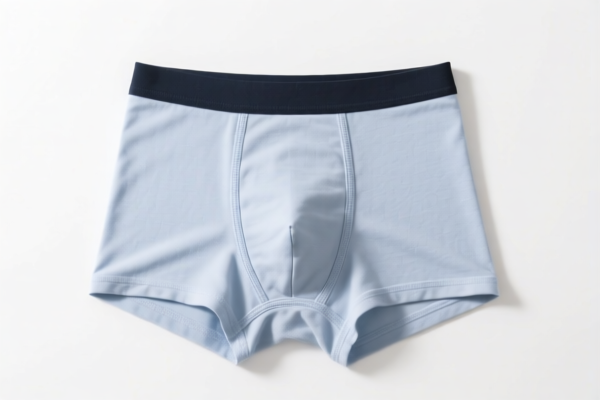


AI Analysis
👖 Men's & Boys' Underwear: Ultimate HS Code Guide & 2026 Tariff Strategy
🌐 HS Code Reference & Customs Clearance Guide | 2026 Latest Tariff Breakdown | Professional Clearance Strategy
📌 I. Product Definition & Classification: Do You Really Understand "Underwear"?
Men's and boys' underwear (针织/非针织) is a high-volume, low-margin category in global trade. However, the material composition (Cotton vs. Synthetic) and construction method (Knitted) are the decisive factors for HS Code classification and tax rates.
In international trade, the distinction is strictly defined by: * Material: Is it primarily Cotton (natural fiber) or Synthetic/Acrylic (man-made)? * Type: Is it Knitted (most common for underwear, Chapter 61) or Woven (less common, Chapter 62)? * Target: Is it for Men (Adult) or Boys (Children)?
⚠️ Critical Distinction:
- Cotton vs. Synthetic: Determines if the base duty is 8.1% (Cotton) or 16.5% (Synthetic).
- "Men" vs. "Boys": Determines the specific HS Code prefix (6107 vs. 6109).
- Knitted vs. Woven: All items in the provided data are Knitted (Chapter 61), which is crucial for correct classification.
📦 II. HS Code Classification Details (2026 Tariff Authority)
Based on the provided data, here is the authoritative breakdown for Knitted Men's & Boys' Underwear.
| HS Code | Product Description | Material Inference | Applicable Scenario |
|---|---|---|---|
6107.11.00.10 |
Men's Underwear (Knitted) | Cotton or Common Mix | Adult men's briefs/boxers (Cotton dominant) |
6107.12.00.20 |
Boys' Underwear (Knitted) | Man-made Fiber or Cotton | Boys' briefs/boxers (Synthetic or Blend) |
6111.20.60.70 |
Men's/Boys' Underwear (Knitted) | Cotton or Blend | General Category (Cotton-heavy focus) |
6111.30.50.70 |
Men's/Boys' Underwear (Knitted) | Synthetic or Cotton Blend | Synthetic-heavy focus (Higher duty base) |
6109.10.00.07 |
Boys' Simple Underwear (Inners) | Cotton or Synthetic | Infant/Young Boys specific category |
🔍 Key Insight:
-6107.11(Men, Cotton) has the lowest base duty (7.4%).
-6109.10(Boys, Mix) has the highest base duty (16.5%).
-6111.20&6111.30are broader categories often used when the specific gender/material mix is ambiguous but falls within these sub-ranges.
💰 III. 2026 Latest Tariff Rate Breakdown (Including Surcharges)
✅ Applicable Country: United States (US)
✅ Country of Origin: China (CN)
✅ Effective Date: 2025/2026 (Latest Import Season)
🎯 1. 6107.11.00.10 — Men's Underwear (Cotton)
The "Lowest Duty" Option for Men's Cotton Underwear.
| Item | Details |
|---|---|
| Base Duty | 7.4% |
| Section 301 Surcharge | +7.5% (Standard China Section 301) |
| Section 122 Duty | +10.0% (New/Specific Section 122) |
| Total Tax Rate | 17.4% |
| Calculation | CIF Value × 17.4% |
| De Minimis Exemption? | ❌ No (Direct to Consumer shipments still taxed here) |
| Legal Path | Base: 6107.11 → Section 301: +7.5% → Section 122: +10% |
📌 Analysis:
This is the most cost-effective code for Adult Men's Cotton Underwear. The 10% Section 122 duty is a specific new layer on top of the standard 301 tariffs.
🎯 2. 6107.12.00.20 — Boys' Underwear (Synthetic/Cotton)
Mid-Range Cost for Boys' Garments.
| Item | Details |
|---|---|
| Base Duty | 14.9% |
| Section 301 Surcharge | +7.5% |
| Section 122 Duty | +10.0% |
| Total Tax Rate | 32.4% |
| Calculation | CIF Value × 32.4% |
| De Minimis Exemption? | ❌ No |
| Legal Path | Base: 6107.12 → Section 301: +7.5% → Section 122: +10% |
📌 Analysis:
The base duty (14.9%) is significantly higher than the Men's Cotton version due to the material inference (likely more synthetic). The Section 122 adds a flat 10% on top, making this a high-cost category.
🎯 3. 6111.20.60.70 — Men's/Boys' Underwear (Cotton/Blend)
General Cotton Category.
| Item | Details |
|---|---|
| Base Duty | 8.1% |
| Section 301 Surcharge | +7.5% |
| Section 122 Duty | +10.0% |
| Total Tax Rate | 25.6% |
| Calculation | CIF Value × 25.6% |
| De Minimis Exemption? | ❌ No |
| Legal Path | Base: 6111.20 → Section 301: +7.5% → Section 122: +10% |
📌 Analysis:
A middle ground. If the material is clearly cotton but doesn't fit the strict6107.11definition, this code applies. Still subject to the full 17.5% surcharge package.
🎯 4. 6109.10.00.07 — Boys' Simple Underwear (Inners)
Highest Duty for Boys' Infant/Youth Gear.
| Item | Details |
|---|---|
| Base Duty | 16.5% |
| Section 301 Surcharge | +7.5% |
| Section 122 Duty | +10.0% |
| Total Tax Rate | 34.0% |
| Calculation | CIF Value × 34.0% |
| De Minimis Exemption? | ❌ No |
| Legal Path | Base: 6109.10 → Section 301: +7.5% → Section 122: +10% |
📌 Analysis:
⚠️ WARNING: This has the highest base duty (16.5%). If your product is "Simple Boys' Underwear," be aware this is the most expensive classification. The Section 122 duty makes the total exceed 30%.
🎯 5. 6111.30.50.70 — Men's/Boys' Underwear (Synthetic Focus)
Highest Base Duty Category.
| Item | Details |
|---|---|
| Base Duty | 16.0% |
| Section 301 Surcharge | +7.5% |
| Section 122 Duty | +10.0% |
| Total Tax Rate | 33.5% |
| Calculation | CIF Value × 33.5% |
| De Minimis Exemption? | ❌ No |
| Legal Path | Base: 6111.30 → Section 301: +7.5% → Section 122: +10% |
📌 Analysis:
This code applies when the material is inferred to be Synthetic Fiber. The high base duty (16%) combined with surcharges results in a 33.5% total tax burden.
🛠️ IV. Customs Clearance Practical Suggestions (Avoid Pitfalls)
✅ 1. Preparation Checklist (Must-Haves)
| Document | Requirement | Why it Matters |
|---|---|---|
| Material Composition | ✔️ Critical | Must state exact % of Cotton vs. Synthetic. Affects Base Duty (7.4% vs 16.5%). |
| Knitted vs. Woven | ✔️ Critical | All data is Knitted (Chapter 61). If woven, HS Code changes to Chapter 62 (different tax). |
| Gender Specification | ✔️ Critical | "Men" vs. "Boys" changes the HS Code prefix (6107 vs 6109 vs 6111). |
| Product Photos | ✔️ Recommended | Show waistband, fabric texture (knit loop visible), and tags. |
| Bill of Materials (BOM) | ✔️ Recommended | Detailed breakdown of fabric, thread, and packaging. |
✅ 2. Declaration Strategy (Key Rules)
🔥 "Know Your Fiber, Declare Your Gender, Avoid the 33.5% Trap!"
| Scenario | Correct Declaration | Risk of Error |
|---|---|---|
| Adult Men's Cotton Briefs | 6107.11.00.10 |
Mistaking for synthetic → Pay 33.5% instead of 17.4% |
| Boys' Synthetic Underwear | 6107.12.00.20 or 6111.30.50.70 |
Declaring as Men's → Gender mismatch penalty |
| Infant/Young Boys | 6109.10.00.07 |
Using general code → Higher base duty (16.5%) |
| Knitted vs. Woven | Explicitly state "Knitted" | Declaring Woven (Chapter 62) → Incorrect HS, potential seizure |
✅ 3. Special Considerations for Section 122 & 301
- Section 122 (10%): This is a specific new tariff layer. It applies to almost all textile imports from China under this data set. Do not expect it to be waived.
- Section 301 (7.5%): Standard surcharge for China origin.
- No De Minimis: Unlike small parcels (86A), these items are not eligible for the $800 de minimis exemption. You must pay the full duty (17.4% to 34.0%) even on small shipments.
🌍 V. Global Market Comparison (2026 Outlook)
| Region | Typical Base Duty | Surcharge Policy | Total Cost Estimate |
|---|---|---|---|
| 🇺🇸 USA (Current) | 7.4% - 16.5% | +17.5% (301+122) | 25.6% - 34.0% |
| 🇪🇺 EU | 12% - 16% | No Section 122 | ~15% - 20% (VAT extra) |
| 🇨🇳 China | 5% - 8% | None | Low (Export duty only) |
| 🇯🇵 Japan | 6% - 10% | None | ~8% - 12% |
📌 Conclusion:
The US market is currently the most expensive for Chinese textile imports due to the stacking of Section 301 and Section 122 duties. Strategy: If shipping to the US, prioritize Men's Cotton (6107.11.00.10) to minimize the 17.4% base + surcharge. Avoid Boys' Synthetic if possible to save 16% in duty.
📌 VI. Common Errors & "Blood & Tears" Lessons
❌ Mistake 1: Material Ambiguity
👉 Action: Do not just write "Cotton". Write "100% Cotton" or "60% Cotton/40% Polyester".
👉 Result: Customs may classify to the highest possible base duty (16.5%) out of suspicion.
❌ Mistake 2: Confusing "Underwear" with "Sleepwear"
👉 Action: Ensure the product is clearly underwear (briefs, boxers). Sleepwear may fall under different codes (e.g., 6111.30 for robes).
👉 Result: Classification error → Fines + Delay.
❌ Mistake 3: Ignoring Section 122
👉 Action: Do not calculate tax based only on "Base Duty + 301".
👉 Result: You will be short 10% of the required tax → Cash bond required.
✅ Correct Way:
"Men's Cotton Knitted Briefs, 100% Cotton, Model X, HS Code: 6107.11.00.10. Base: 7.4%, 301: 7.5%, Sec 122: 10%. Total: 17.4%."
🎯 VII. Final Verdict: Smart Shipping, Lower Costs!
🎯 Remember the Rules:
🔹 "Cotton is King": Stick to 6107.11 for the lowest total tax (17.4%).
🔹 "Boys are Heavy":6109.10and6111.30carry the heaviest tax burden (33.5%+).
🔹 "Knit is Key": Verify it is Knitted (Chapter 61), not Woven.
🔹 "No Free Ride": Section 122 applies to all items; factor it in your pricing immediately.
📌 Pro Tip:
If you are importing mixed material underwear, maximize the cotton content (>50%) to qualify for the lower 8.1% base duty (6111.20) instead of the 16.0% synthetic base (6111.30). A 1% shift in material percentage can save $10,000+ on large orders.
📣 Call to Action:
📞 Consult your Customs Broker with the exact material composition report.
🚀 Apply for HS Code Pre-Ruling if you are unsure between "Men" and "Boys" categories.
💼 Optimize your Supply Chain: Move synthetic production to non-China hubs if US tariffs are too high for your margin!
✨ Precision Classification = Profit Protection!
📦 Your Underwear Business, Smooth & Tax-Optimized!
Customer Reviews
About HS Code Classification
The Harmonized System (HS) is an internationally standardized nomenclature developed by the World Customs Organization (WCO) to classify traded products. Over 200 countries use the HS system as the basis for customs tariffs, trade statistics, and import/export regulations.
Each HS code follows a hierarchical structure:
- Chapter (2 digits) — Broad category of goods (e.g., Chapter 84: Machinery and Mechanical Appliances)
- Heading (4 digits) — More specific grouping within the chapter
- Subheading (6 digits) — Internationally standardized breakdown, used by all WCO member countries
- National subdivisions (8-10 digits) — Country-specific extensions for further classification, such as US HTSUS 10-digit codes
Correct HS code classification is essential for smooth customs clearance, accurate duty payment, and compliance with trade regulations. Misclassification can lead to customs delays, overpayment of duties, or penalties.
When importing from CN to US, the applicable tariff rates may include:
- Most-Favored-Nation (MFN) rate — The standard duty rate applied to WTO members
- General rate — Applied to countries without trade agreements
- Trade remedy duties — Additional tariffs such as Section 301 (anti-dumping), Section 232 (national security), or countervailing duties
The information provided on this page is for reference purposes only. For official classification, please consult with your local customs authority or a licensed customs broker.