Men's or boys' shirts of cotton
CN → US| HS Code | Tariff Rate | Origin | Destination | Doc |
|---|---|---|---|---|
| 6205202026 | 37.2% | CN | US | Official Doc |
| 6205202067 | 37.2% | CN | US | Official Doc |
| 6105100010 | 29.7% | CN | US | Official Doc |
| 5208114020 | 44.0% | CN | US | Official Doc |
| 5208214020 | 45.2% | CN | US | Official Doc |
Product Images
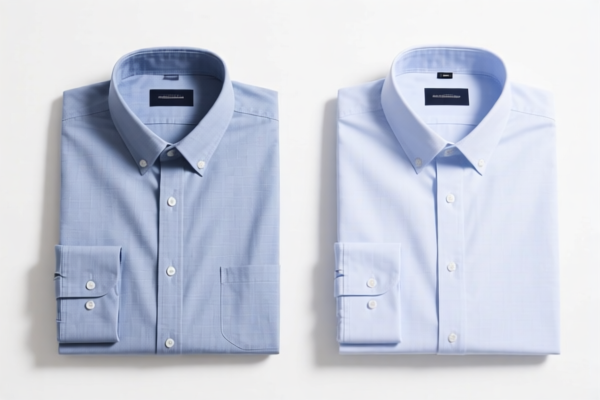

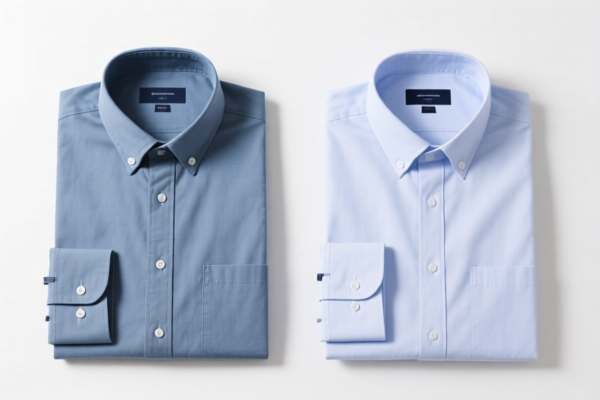
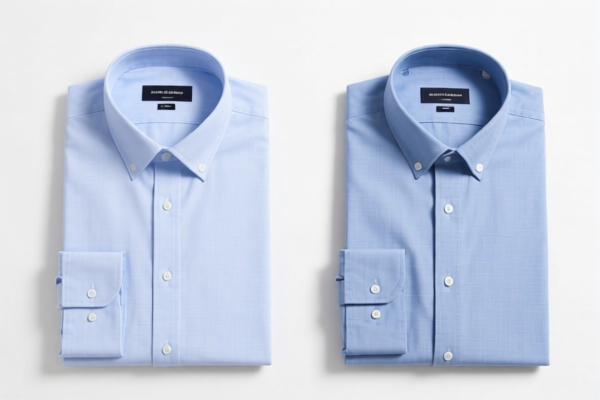
AI Analysis
👕 Men's & Boys' Cotton Shirts: HS Code Classification & 2026 Tariff Strategy
🌐 HS Code Reference & Customs Clearance Guide | 2026 Latest Tariff Analysis | Professional通关 Strategy
📌 Part I: Product Definition & Classification: Do You Really Understand "Cotton Shirts"?
Cotton shirts for men or boys are versatile apparel items, widely used in daily wear, business, and casual settings. In international trade, they are classified based on knit vs. woven fabric and specific design features. The two main categories are:
- Woven Cotton Shirts (e.g., Oxford, Poplin, Flannel): Typically classified under Chapter 62. These are durable, structured shirts often used in business or formal settings.
- Knitted Cotton Shirts (e.g., Polo shirts, T-shirts): Typically classified under Chapter 61. These are softer, stretchier shirts, often casual or sporty.
⚠️ Key Distinction:
- If the shirt is woven (non-stretch, structured), it falls under Chapter 62.
- If the shirt is knitted (stretchy, soft), it falls under Chapter 61.
- Material matters: Only 100% cotton or cotton-dominant blends are covered here. Synthetics (polyester, etc.) have different codes.
📦 Part II: HS Code Classification Details (2026 Latest Tariff Authority)
| HS Code | Product Description | Applicable Scenario | Fabric Type |
|---|---|---|---|
6205.20.20.26 |
Men's loose cotton shirts, cotton woven, non-excluded items | Business casual, relaxed fit, loose silhouette | ✅ Woven |
6205.20.20.67 |
Men's loose cotton shirts, cotton woven, general classification | Standard loose cotton shirts for men | ✅ Woven |
6105.10.00.10 |
Men's loose cotton shirts, knitted | Polo shirts, casual knitted shirts | ✅ Knitted |
5208.11.40.20 |
Pure cotton shirts, cotton woven fabric | High-quality pure cotton woven shirts | ✅ Woven |
5208.21.40.20 |
Pure cotton shirts, downstream cotton fabric products | Specialty cotton woven shirts, no material conflict | ✅ Woven |
🔍 Key Reminder:
- "Loose fit" is a key descriptor for6205.20.20.26and6205.20.20.67.
- "Knitted" shirts are always under Chapter 61 (6105.10.00.10).
- "Pure cotton" items may fall under specific sub-headings in Chapter 52 if classified as fabric-downstream products.
💰 Part III: 2026 Latest Tariff Rate Details (Including Surtax, Policy Surtax)
✅ Applicable Country: United States (US)
✅ Origin: China (CN)
✅ Effective Date: From 2025-11-10 onward
🎯 1. 6205.20.20.26 – Men's Loose Cotton Shirts, Cotton Woven (Non-Excluded)
| Item | Content |
|---|---|
| Base Tariff | 19.7% |
| Surtax (301) | 7.5% |
| 122 Clause Tariff | 10% |
| Total Tax Rate | 37.2% |
| Tax Calculation | CIF Value × 37.2% |
| De Minimis Eligible? | ❌ No |
| Legal Basis Path | USITC:6205.20.20.26 → 301 Surtax:7.5% → 122 Clause:10% |
📌 Explanation:
- Base Tariff 19.7% is the standard US import duty for men's woven cotton shirts.
- 301 Surtax 7.5% applies to Chinese-origin goods under Section 301.
- 122 Clause Tariff 10% is an additional surtax for certain cotton textiles from China.
- Total 37.2% is a high tariff, requiring careful planning.
🎯 2. 6205.20.20.67 – Men's Loose Cotton Shirts, Cotton Woven (General)
| Item | Content |
|---|---|
| Base Tariff | 19.7% |
| Surtax (301) | 7.5% |
| 122 Clause Tariff | 10% |
| Total Tax Rate | 37.2% |
| Tax Calculation | CIF Value × 37.2% |
| De Minimis Eligible? | ❌ No |
| Legal Basis Path | USITC:6205.20.20.67 → 301 Surtax:7.5% → 122 Clause:10% |
📌 Note:
- Same as above, this code covers general loose cotton shirts.
- Total 37.2% is unavoidable for Chinese-origin woven cotton shirts.
🎯 3. 6105.10.00.10 – Men's Loose Cotton Shirts, Knitted
| Item | Content |
|---|---|
| Base Tariff | 19.7% |
| Surtax (301) | 0.0% |
| 122 Clause Tariff | 10% |
| Total Tax Rate | 29.7% |
| Tax Calculation | CIF Value × 29.7% |
| De Minimis Eligible? | ❌ No |
| Legal Basis Path | USITC:6105.10.00.10 → 122 Clause:10% |
📌 Key Difference:
- Knitted shirts do not incur the 301 Surtax (7.5%), only the 122 Clause (10%).
- Total 29.7% is lower than woven shirts, making knitted shirts more cost-effective.
🎯 4. 5208.11.40.20 – Pure Cotton Shirts, Cotton Woven Fabric
| Item | Content |
|---|---|
| Base Tariff | 9.0% |
| Surtax (301) | 25.0% |
| 122 Clause Tariff | 10% |
| Total Tax Rate | 44.0% |
| Tax Calculation | CIF Value × 44.0% |
| De Minimis Eligible? | ❌ No |
| Legal Basis Path | USITC:5208.11.40.20 → 301 Surtax:25% → 122 Clause:10% |
📌 Warning:
- This code is for pure cotton woven fabric products classified under Chapter 52.
- Base tariff is lower (9.0%), but 301 Surtax is high (25%).
- Total 44.0% is the highest tariff among the options.
🎯 5. 5208.21.40.20 – Pure Cotton Shirts, Cotton Woven Downstream Products
| Item | Content |
|---|---|
| Base Tariff | 10.2% |
| Surtax (301) | 25.0% |
| 122 Clause Tariff | 10% |
| Total Tax Rate | 45.2% |
| Tax Calculation | CIF Value × 45.2% |
| De Minimis Eligible? | ❌ No |
| Legal Basis Path | USITC:5208.21.40.20 → 301 Surtax:25% → 122 Clause:10% |
📌 Warning:
- Similar to above, this code is for cotton woven downstream products.
- Total 45.2% is the absolute highest tariff. Avoid if possible.
🛠️ Part IV: Customs Clearance Practical Advice (Real-World Pitfall Guide)
✅ 1. Preparation Checklist (All Required)
| Material | Mandatory | Explanation |
|---|---|---|
| ✅ Product Specification Sheet | ✔️ | Includes fabric composition, weave type, fit (loose/regular), size |
| ✅ Fabric Swatch or Certificate | ✔️ | Proves 100% cotton or cotton-dominant |
| ✅ Product Photos (Front/Back/Label) | ✔️ | Clear view of collar, cuffs, tags |
| ✅ Third-Party Test Report | ✔️ | OEKO-TEX, CPSIA, etc. |
| ✅ Commercial Invoice | ✔️ | Clearly states "Men's/Boys' Cotton Shirts" |
| ✅ Packing List | ✔️ | Shows quantity, weight, dimensions |
| ✅ Origin Certificate | ✔️ | If non-China, may qualify for lower tariffs |
✅ 2. Declaration Tips (Key Mantra)
🔥 "Woven vs. Knit Matters, Fit Describes, Code Saves Dollars!"
| Scenario | Correct Declaration | Wrong Practice |
|---|---|---|
| Woven Loose Cotton Shirt | 6205.20.20.26 or 6205.20.20.67 |
Misdeclare as knitted → Higher tariff |
| Knitted Cotton Shirt | 6105.10.00.10 |
Misdeclare as woven → 37.2% instead of 29.7% |
| Pure Cotton Woven Fabric Product | 5208.11.40.20 or 5208.21.40.20 |
Misdeclare as shirt → 44%+ tariff |
| Mixed Fabric (e.g., Cotton/Poly) | Different HS Code | Misdeclare as 100% cotton → Customs Penalty |
✅ 3. Special Case Handling
| Scenario | Handling Advice |
|---|---|
| OEM Custom Shirts | Provide design specs + fabric certificate to avoid classification errors |
| Shirts with Pockets/Plackets | Still classified under main HS code, no extra surtax |
| Shirts for Medical Use | If specialized, may qualify for different code, but requires proof |
| Shirts for Military/Aerospace | Special use declaration may reduce tariff, but needs prior approval |
🌍 Part V: Global Customs Clearance Comparison (2026 Latest)
| Country/Region | Recommended HS Code | Tariff | Certification | Notes |
|---|---|---|---|---|
| 🇺🇸 USA | 6205.20.20.26 |
37.2% (CN) | OEKO-TEX + CPSIA | High tariff, plan ahead |
| 🇨🇳 China | 6205.20.20.26 |
5% | No additional tax | Low tariff, easy clearance |
| 🇪🇺 EU | 6205.20.20.26 |
0% (if CE) | CE + REACH | No surtax |
| 🇦🇺 Australia | 6205.20.20.26 |
5% | RCM | No surtax |
| 🇯🇵 Japan | 6205.20.20.26 |
0% | PSE | No surtax |
📌 Conclusion:
- USA is the only market with high surtaxes for Chinese cotton shirts.
- Knitted shirts (6105.10.00.10) are cheaper (29.7%) than woven (37.2%).
- Pure cotton fabric products (5208...) have the highest tariffs (44-45%). Avoid if possible.
📌 Part VI: Common Mistakes & Pitfall Guide (Lessons from Tears)
❌ Mistake 1: Declaring a woven shirt as knitted
👉 Consequence: Tariff drops from 37.2% to 29.7% → Underpayment Penalty!
❌ Mistake 2: Declaring a knitted shirt as woven
👉 Consequence: Tariff increases from 29.7% to 37.2% → Overpayment!
❌ Mistake 3: Not providing fabric certificate
👉 Consequence: Customs cannot verify cotton content → Delay or Return!
❌ Mistake 4: Misclassifying pure cotton fabric products as shirts
👉 Consequence: Tariff jumps from 37.2% to 45.2% → Huge Cost Increase!
✅ Correct Practice:
"Men's Loose Cotton Woven Shirt, 100% Cotton, Oxford Fabric, Relaxed Fit, Model XYZ, OEKO-TEX Certified"
🎯 Part VII: Conclusion: Professional Declaration, Save Time & Money!
🎯 Remember the Mantra:
🔹 "Woven 37%, Knit 29%, Fabric 45%, Get it Right!"
🔹 "HS Code Defines Tariff, Wrong Code Costs Thousands!"
📌 Tips:
- If your shirts are originally from Vietnam, Mexico, Thailand, Malaysia, you may qualify for tariff exemptions or lower rates.
- Apply for Advance Ruling to avoid clearance risks.
📣 Act Now:
📞 Contact a professional customs broker + Provide product photos + Apply for HS Code Advance Ruling
🚀 Ensure smooth clearance, efficient export, profit maximization!
✨ Professional Clearance Starts with Accurate Classification!
💼 Every Cent of Cost Deserves Precise Calculation!
Customer Reviews
About HS Code Classification
The Harmonized System (HS) is an internationally standardized nomenclature developed by the World Customs Organization (WCO) to classify traded products. Over 200 countries use the HS system as the basis for customs tariffs, trade statistics, and import/export regulations.
Each HS code follows a hierarchical structure:
- Chapter (2 digits) — Broad category of goods (e.g., Chapter 84: Machinery and Mechanical Appliances)
- Heading (4 digits) — More specific grouping within the chapter
- Subheading (6 digits) — Internationally standardized breakdown, used by all WCO member countries
- National subdivisions (8-10 digits) — Country-specific extensions for further classification, such as US HTSUS 10-digit codes
Correct HS code classification is essential for smooth customs clearance, accurate duty payment, and compliance with trade regulations. Misclassification can lead to customs delays, overpayment of duties, or penalties.
When importing from CN to US, the applicable tariff rates may include:
- Most-Favored-Nation (MFN) rate — The standard duty rate applied to WTO members
- General rate — Applied to countries without trade agreements
- Trade remedy duties — Additional tariffs such as Section 301 (anti-dumping), Section 232 (national security), or countervailing duties
The information provided on this page is for reference purposes only. For official classification, please consult with your local customs authority or a licensed customs broker.