Men's trousers and shorts
CN → USProduct Images
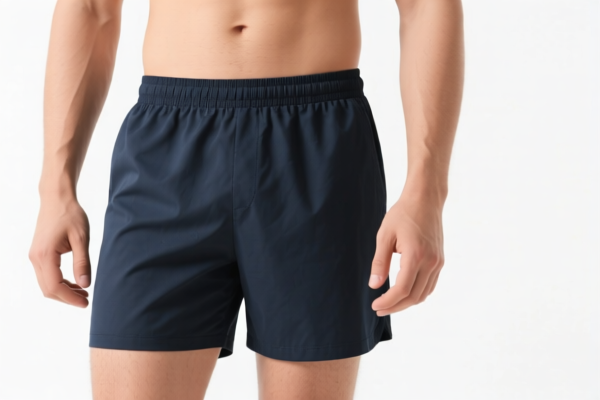
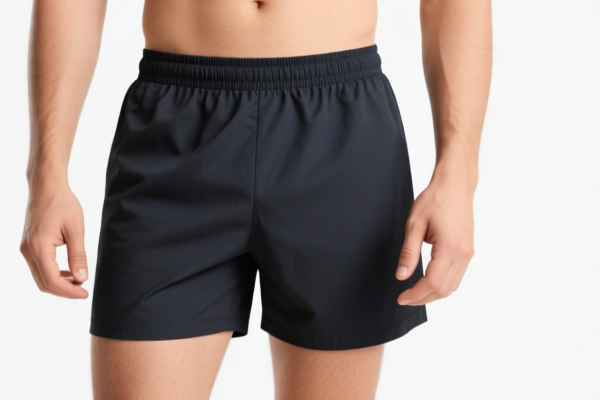
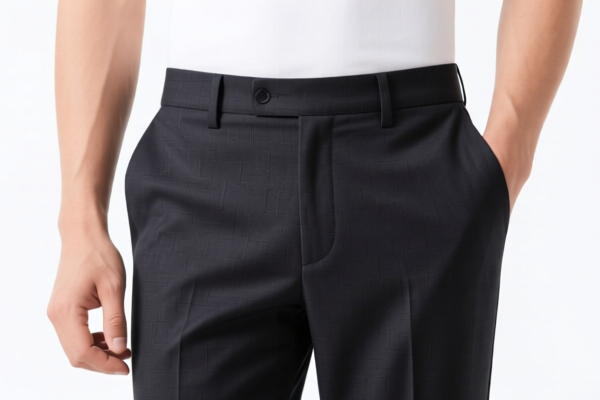
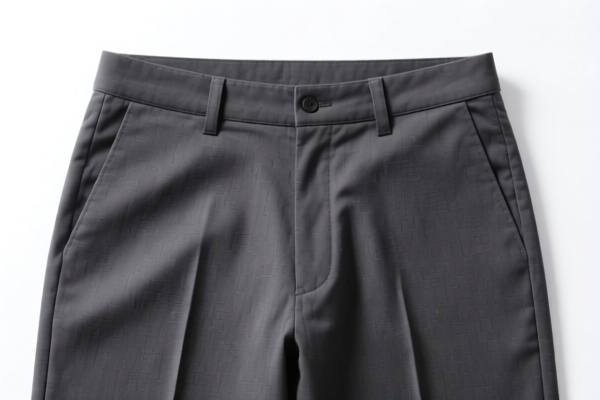
AI Analysis
👖 Men's Trousers & Shorts: The Ultimate HS Code & Taxation Guide (US Market)
🌐 HS Code Reference & Customs Clearance Guide | 2026 Latest Tariff Analysis | Professional Clearance Strategy
📌 I. Product Definition & Classification: Do You Really Know "Men's Bottoms"?
Men's trousers and shorts are not a single category in international trade. They are strictly divided based on fabric composition and product type. Misclassification here is the #1 cause of customs delays and unexpected taxes.
Two Main Categories:
-
Woven (Knitted vs. Woven is CRITICAL):
- Woven Trousers/Shorts: Made from cut-and-sew fabric (e.g., denim, cotton twill, polyester blend). Usually fall under Chapter 62.
- Knitted Trousers/Shorts: Made from knitted fabric (e.g., sweatpants, jersey shorts). Usually fall under Chapter 61.
-
Specific Product Type:
- Trousers: Long pants, including jeans, khakis, dress pants.
- Shorts: Any garment ending above the knee.
⚠️ Key Distinction:
- If it is Knitted → Look to Chapter 61.
- If it is Woven → Look to Chapter 62.
- Denim is always Woven, even if it feels soft.
📦 II. HS Code Classification Details (2026 Latest Tariff Authority)
Below are the most common HS Codes for Men's Trousers and Shorts imported into the USA from China.
| HS Code | Product Description | Fabric Type | Applicable Scenario |
|---|---|---|---|
6203.43.00 |
Men's synthetic fiber trousers/shorts (Woven) | Polyester/Nylon | Athletic shorts, cargo shorts, windproof pants |
6203.49.00 |
Men's other man-made fiber trousers/shorts (Woven) | Cotton/Synthetic Blends | Most casual woven shorts |
6203.42.00 |
Men's cotton trousers/shorts (Woven) | 100% Cotton or >50% Cotton | Cotton chinos, denim jeans (Note: Denim often falls here or under 6203.43 depending on weave, but typically 6203.42 for cotton jeans) |
6203.41.00 |
Men's wool/fine animal hair trousers/shorts (Woven) | Wool | Formal winter trousers |
6103.43.00 |
Men's synthetic fiber shorts (Knitted/ Crochet) | Polyester/Spandex | Gym shorts, jersey shorts |
6103.42.00 |
Men's cotton shorts (Knitted/ Crochet) | Cotton | Cotton sweatpants, jersey shorts |
6103.49.00 |
Men's other textile material shorts (Knitted) | Blends | Mixed fabric knitted shorts |
🔍 Critical Reminder:
- Denim Jeans for men are typically classified under6203.42.00(if cotton >50%) or6203.43.00(if synthetic).
- Swim Shorts are often classified under6211.43or6111.43, NOT general trousers.
- Suspenders/Belts are separate items (Chapter 61/62 or 6307), not part of the trouser value.
💰 III. 2026 Latest Tariff Rate Breakdown (Including Additional Taxes & Policy Add-ons)
✅ Applicable Country: USA (US)
✅ Origin: China (CN)
✅ Effective Time: 2025–2026 (Section 301 & IEEPA Tariffs Still Active)
🎯 1. 6203.42.00 —— Men's Cotton Trousers & Shorts (Woven)
| Item | Content |
|---|---|
| Base Rate | 0% – 16% (General Rate) |
| USITC Additional Tariff (Sec 301) | +25% (Footnote 9903.88.01) |
| IEEPA Additional Tariff | +10% (For China/HK products, from Nov 2025) |
| Total Rate | 35% – 51% |
| Tax Calculation | CIF Value × Total Rate |
| De Minimis Exemption? | ❌ No (Section 321 de minimis does NOT apply to goods subject to Section 301/IEEPA tariffs) |
| Legal Path | IEEPA:9903.01.24 → USITC:6203.42.00 → FOOTNOTE:9903.88.01 |
📌 Explanation:
- Cotton apparel from China faces heavy tariffs. The base rate is often low, but the 25% Sec 301 and 10% IEEPA make it one of the highest-taxed textile categories. - Total effective rate can exceed 40% depending on the specific cotton content and weave.
🎯 2. 6203.43.00 —— Men's Synthetic Fiber Trousers & Shorts (Woven)
| Item | Content |
|---|---|
| Base Rate | 0% – 16% |
| USITC Additional Tariff (Sec 301) | +25% |
| IEEPA Additional Tariff | +10% |
| Total Rate | 35% – 51% |
| Tax Calculation | CIF Value × Total Rate |
| De Minimis Exemption? | ❌ No |
| Legal Path | IEEPA:9903.01.24 → USITC:6203.43.00 → FOOTNOTE:9903.88.01 |
📌 Note:
- Synthetic fibers (Polyester, Nylon) are equally taxed.
- Athletic shorts and polyester windbreakers fall here.
- No advantage over cotton in terms of tariff rates.
🎯 3. 6103.42.00 & 6103.43.00 —— Knitted Shorts
| Item | Content |
|---|---|
| Base Rate | 0% – 16% |
| USITC Additional Tariff (Sec 301) | +25% |
| IEEPA Additional Tariff | +10% |
| Total Rate | 35% – 51% |
| De Minimis Exemption? | ❌ No |
📌 Note:
- Knitted shorts are not exempt from Section 301 tariffs.
- Many buyers mistakenly think "knitted = lower tax," but China-origin knitted textiles are heavily taxed.
🛠️ IV. Customs Clearance Practical Advice (Battle-Tested Pitfall Avoidance)
✅ 1. Required Documentation Checklist (Non-Negotiable)
| Document | Mandatory? | Description |
|---|---|---|
| ✅ Commercial Invoice | ✔️ | Must state: "Men's Cotton Trousers," "HS Code: 6203.42.00," "Made in China" |
| ✅ Packing List | ✔️ | Detail weight, dimensions, and item count |
| ✅ Labeling Compliance | ✔️ | US Law requires: Fiber content, Country of Origin, Care Instructions on each garment |
| ✅ Fiber Content Test Report | ✔️ | Lab report proving cotton vs. synthetic % (Critical for correct HS Code) |
| ✅ FCC/CPSC Certifications | ✔️ | For children's items or specific textiles (Flammability standards may apply) |
| ✅ Bill of Lading (B/L) | ✔️ | Standard shipping document |
✅ 2. Declaration Tips (Golden Rules)
🔥 "Fiber Content is King! Wrong Fiber = Wrong HS Code = Penalty!"
| Scenario | Correct Declaration | Wrong Practice |
|---|---|---|
| 100% Cotton Jeans | 6203.42.00 |
Declaring as 6203.43.00 (Synthetic) → Audit Trigger |
| 95% Poly / 5% Spandex Shorts | 6203.43.00 |
Declaring as "Textile Garment" → Generic Code → 100% Tax Risk |
| Denim Jeans | 6203.42.00 (if cotton) |
Declaring as 6103.42.00 (Knitted) → Denim is Woven! |
| Swim Shorts | 6211.43.00 |
Declaring as General Shorts → Wrong Classification |
✅ 3. Special Cases & Loopholes
| Situation | Advice |
|---|---|
| Small Packages (De Minimis) | ❌ DO NOT RELY ON $800 DE MINIMIS for China-origin apparel. Section 301 tariffs do not apply to de minimis, but Section 321 (de minimis) is blocked for goods subject to IEEPA/301 tariffs from China. All shipments are taxed. |
| Wholesale Orders | Must declare accurately. Use Entry Type 86 for informal entries for low-value, but high-value requires formal entry (Type 11). |
| Transshipment via Vietnam/Mexico | ⚠️ High Risk of Anti-Circumvention Investigation. US CBP actively investigates "rubber stamping" (simple assembly in third country). Ensure Substantial Transformation occurs. |
| OEM/Custom Design | Provide design sketches and tech packs to prove origin of components (fabric, buttons, zippers). |
🌍 V. Global Market Comparison (2026)
| Country/Region | Recommended HS Code | Tariff (China Origin) | Certification | Notes |
|---|---|---|---|---|
| 🇺🇸 USA | 6203.42.00 / 6103.42.00 |
~45% (Base + 301 + IEEPA) | CPSC, FTC Labeling | Highest Tariff Bar. Use Vietnam/Mexico for duty-free/low-tariff options. |
| 🇨🇳 China | 6203.42.00 |
5–10% | CCC (if applicable) | Export hub. |
| 🇪🇺 EU | 6203.42.00 |
12% | REACH, CE (if smart textiles) | No Section 301, but high base duty. |
| 🇲🇽 Mexico | 6203.42.00 |
0% (under USMCA) | N/A | Best for US Market. Requires substantial transformation. |
| 🇻🇳 Vietnam | 6203.42.00 |
0% (under US Trade Preferences) | N/A | Popular Alternative. Ensure no Chinese fabric is used to avoid CVD. |
📌 Conclusion:
- USA tariffs on Chinese apparel are prohibitively high (~45%).
- Solution: Shift supply chain to Vietnam, Bangladesh, or Mexico to utilize 0% or low tariffs.
- Do not attempt to misdeclare origin. CBP uses AI to track fabric sourcing.
📌 VI. Common Mistakes & Blood-Tears Lessons
❌ Mistake 1: Claiming "De Minimis" ($800) for Chinese clothing
👉 Consequence: Shipment seized. Section 321 exemption is suspended for Chinese goods subject to 301/IEEPA. You must pay full tariff.
❌ Mistake 2: Mixing Knitted and Woven in one HS Code
👉 Consequence: Customs audit. Knitted (61xx) and Woven (62xx) have different duties and regulations.
❌ Mistake 3: Ignoring Labeling Laws
👉 Consequence: Rejection of entry. US requires fiber content, country of origin, and manufacturer ID on each garment. Missing labels = Goods stuck in warehouse.
❌ Mistake 4: Declaring "Men's Clothing" without Specific HS Code
👉 Consequence: Penalty + 100% Ad Valorem Tax. CBP will assign a punitive code.
✅ Correct Approach:
"Men's Woven Cotton Trousers, 100% Cotton, Model XYZ, FCC/CPSC Compliant, HS Code: 6203.42.00, Origin: China"
🎯 VII. Conclusion: Professional Classification Saves Money!
🎯 Remember the Mantra:
🔹 "Fiber Content Dictates HS Code!"
🔹 "China Apparel to USA = ~45% Tariff!"
🔹 "De Minimis is Dead for Chinese Textiles!"
🔹 "Label Every Garment!"
📌 Pro Tip:
If you are shipping to the USA, strongly consider sourcing from Vietnam or Mexico to avoid the 35–51% tariff burden.
For Chinese suppliers, ensure full transparency with your customs broker to avoid anti-circumvention flags.
📣 Immediate Action:
📞 Contact a licensed US Customs Broker
📄 Prepare Fiber Content Test Reports
🚀 Optimize Supply Chain for Duty Efficiency
✨ Precision Classification. Maximum Profit.
💼 Don't Let Tariffs Eat Your Margins!
Customer Reviews
About HS Code Classification
The Harmonized System (HS) is an internationally standardized nomenclature developed by the World Customs Organization (WCO) to classify traded products. Over 200 countries use the HS system as the basis for customs tariffs, trade statistics, and import/export regulations.
Each HS code follows a hierarchical structure:
- Chapter (2 digits) — Broad category of goods (e.g., Chapter 84: Machinery and Mechanical Appliances)
- Heading (4 digits) — More specific grouping within the chapter
- Subheading (6 digits) — Internationally standardized breakdown, used by all WCO member countries
- National subdivisions (8-10 digits) — Country-specific extensions for further classification, such as US HTSUS 10-digit codes
Correct HS code classification is essential for smooth customs clearance, accurate duty payment, and compliance with trade regulations. Misclassification can lead to customs delays, overpayment of duties, or penalties.
When importing from CN to US, the applicable tariff rates may include:
- Most-Favored-Nation (MFN) rate — The standard duty rate applied to WTO members
- General rate — Applied to countries without trade agreements
- Trade remedy duties — Additional tariffs such as Section 301 (anti-dumping), Section 232 (national security), or countervailing duties
The information provided on this page is for reference purposes only. For official classification, please consult with your local customs authority or a licensed customs broker.