Men's/Boys' Plastic Protective Suit
CN → US| HS Code | Tariff Rate | Origin | Destination | Doc |
|---|---|---|---|---|
| 3926206000 | 35.0% | CN | US | Official Doc |
| 6113001005 | 21.3% | CN | US | Official Doc |
| 6210403500 | 13.8% | CN | US | Official Doc |
| 6210407500 | 20.8% | CN | US | Official Doc |
| 6203499010 | 20.3% | CN | US | Official Doc |
Product Images
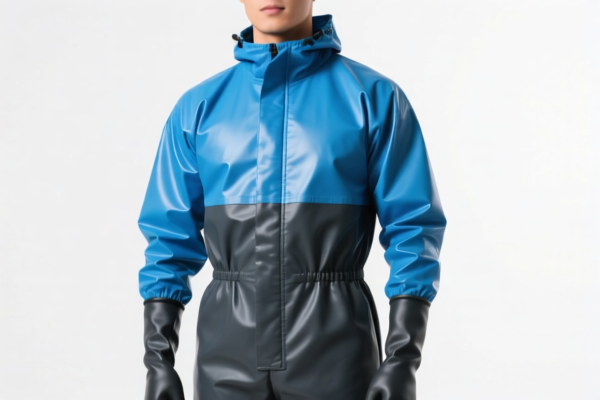
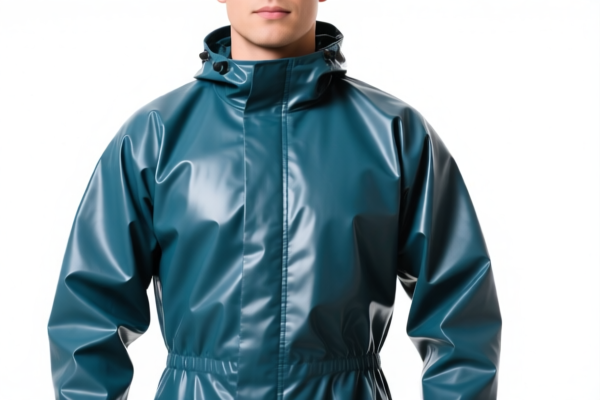
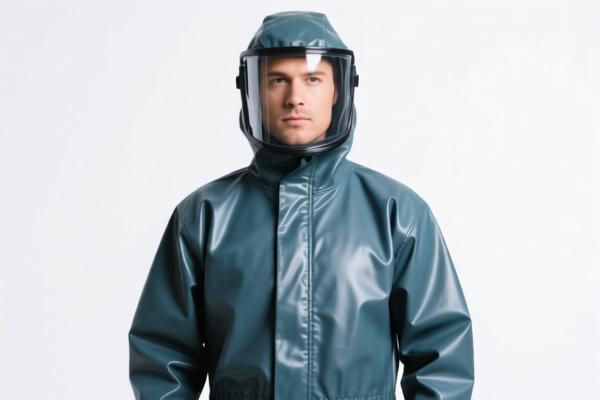
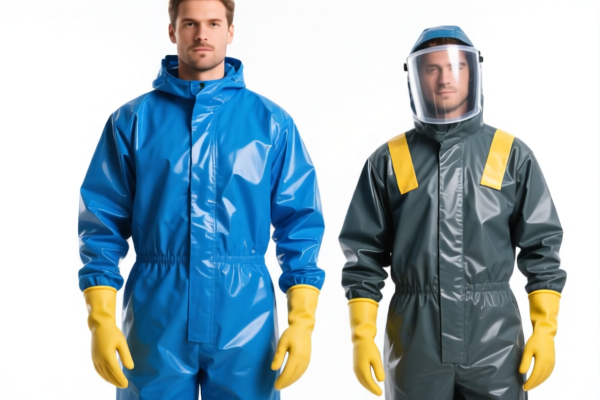
AI Analysis
👔 Men's/Boys' Plastic Protective Suit
🌐 HS Code Reference & Customs Clearance Guide | 2026 Latest Tariff Analysis | Professional Entry Strategy
📌 I. Product Definition & Classification: Do You Really Understand "Plastic Protective Suits"?
Men's and boys' plastic protective suits are garments specifically designed for weather protection, industrial use, or disposable safety. In international trade, the classification depends heavily on the manufacturing process and the nature of the plastic coating. They are generally categorized into two main groups:
- Articles of Plastic (HS 3926): Solid plastic suits, raincoats made entirely of plastic sheeting, or suits where the plastic is the primary material forming the structure.
- Apparel Coated with Plastic (HS 6113/6210): Textile fabrics that have been impregnated, coated, covered, or laminated with rubber or plastics. This is the most common category for raincoats and protective workwear.
⚠️ Key Distinction Point:
- If the garment is essentially a solid plastic item (e.g., PVC suit, non-woven fabric not considered "textile" in some contexts, or fully molded plastic) → Classify under 3926.20.60.00
- If it is a textile base (woven/knitted) coated/laminated with plastic/rubber → Classify under 6113.00.10.05 (Knitted) or 6210.40.xxxx (Woven)
📦 II. HS Code Classification Details (2026 Latest Tariff Authority Comparison)
| HS Code | Product Description | Application Scenario | Tax Rate (Total) |
|---|---|---|---|
3926.20.60.00 |
Other articles of plastics: Men's or boys' clothing, incl. suits | Plastic-coated outerwear, PVC raincoats, fully plastic protective gear | 35.0% |
6113.00.10.05 |
Garments, made of fabrics impregnated, coated, covered or laminated with rubber or plastics | Knitted woven fabrics with plastic coating, breathable rainwear | 21.3% |
6210.40.35.00 |
Garments made up of fabrics of heading 5602, 5603, 5903, 5906 or 5905 | Woven garments with plastic coating (synthetic fibers), general protective wear | 13.8% |
6210.40.75.00 |
Other men's or boys' garments of heading 6210 | Outerwear coated with rubber or plastic, specific functional protective wear | 20.8% |
6203.49.90.10 |
Men's or boys' other trousers, bib and brace overalls, breeches and shorts (other than knitted or crocheted) | Textile-based workwear with coating process, non-specific plastic coating | 20.3% |
🔍 Key Reminder:
-3926.20.60.00carries the highest tax burden due to its classification as a "Plastic Article" rather than "Textile Garment."
-6210.40.35.00offers the lowest tax rate among coated textiles for this product line.
- The distinction between Knitted (6113) and Woven (6210) depends on the base fabric structure.
💰 III. 2026 Latest Tariff Rate Breakdown (Including Surcharges & Policy Add-ons)
✅ Applicable Country: United States (US)
✅ Country of Origin: China (CN)
✅ Effective Time: 2025 November 10 onwards (Including subsequent imports)
🎯 1. 3926.20.60.00 —— Articles of Plastic: Men's/Boys' Clothing
| Item | Content |
|---|---|
| Base Tariff | 0.0% (ad valorem) |
| Section 301 Surcharge | +25.0% (USITC Footnote 9903.88.01) |
| Section 122 / IEEPA Add-on | +10.0% (Targeting China/HK products from Nov 10, 2025) |
| Total Rate | 35.0% |
| Tax Calculation | CIF Value × 35% |
| De Minimis Eligibility | ❌ No (deny_de_minimis) |
| Legal Basis Path | IEEPA:9903.01.25 → IEEPA:9903.01.24 → USITC:3926.20.60.00 → FOOTNOTE:9903.88.01 |
📌 Explanation:
- The 25% comes from the Section 301 trade war tariffs;
- The 10% is the specific add-on under IEEPA for Chinese-origin plastic goods;
- Total 35% is extremely high. Misclassifying a textile suit as "plastic article" here will drastically increase costs.
🎯 2. 6113.00.10.05 —— Garments of Impregnated/Coated Fabrics (Knitted)
| Item | Content |
|---|---|
| Base Tariff | 3.8% |
| Section 301 Surcharge | +7.5% (Calculated on Base + Surcharge base) |
| Section 122 / IEEPA Add-on | +10.0% |
| Total Rate | 21.3% |
| Tax Calculation | CIF Value × 21.3% |
| De Minimis Eligibility | ❌ No |
| Legal Basis Path | IEEPA:9901.25 → IEEPA:9903.01.24 → USITC:6113.00.10.05 |
📌 Note:
- If your suit is made of knitted fabric (e.g., knit polyester) with a plastic coating, use this code.
- The base tax is low, but the cumulative effect of 301 and IEEPA raises it to 21.3%.
🎯 3. 6210.40.35.00 —— Garments Made of Heading 5602/5603/5903 Fabrics (Woven)
| Item | Content |
|---|---|
| Base Tariff | 3.8% |
| Section 301 Surcharge | 0.0% (Exempt from certain 301 lists or calculated differently in this specific subheading) |
| Section 122 / IEEPA Add-on | +10.0% |
| Total Rate | 13.8% |
| Tax Calculation | CIF Value × 13.8% |
| De Minimis Eligibility | ❌ No |
| Legal Basis Path | IEEPA:9901.25 → IEEPA:9903.01.24 → USITC:6210.40.35.00 |
📌 Advantage:
- This is the most cost-effective classification for woven plastic-coated suits.
- Zero Section 301 surcharge applies here, reducing the total burden significantly compared to other coated textiles.
🎯 4. 6210.40.75.00 —— Other Men's/Boys' Coated Garments (Woven)
| Item | Content |
|---|---|
| Base Tariff | 3.3% |
| Section 301 Surcharge | +7.5% |
| Section 122 / IEEPA Add-on | +10.0% |
| Total Rate | 20.8% |
| Tax Calculation | CIF Value × 20.8% |
| De Minimis Eligibility | ❌ No |
| Legal Basis Path | IEEPA:9901.25 → IEEPA:9903.01.24 → USITC:6210.40.75.00 |
📌 Note:
- Use this if the suit does not fit the specific fabric headings of 5602/5603/5903 (covered by 6210.40.35.00).
- Standard 301 surcharge applies.
🎯 5. 6203.49.90.10 —— Men's/Boys' Other Trousers/Shorts (Coated Workwear)
| Item | Content |
|---|---|
| Base Tariff | 2.8% |
| Section 301 Surcharge | +7.5% |
| Section 122 / IEEPA Add-on | +10.0% |
| Total Rate | 20.3% |
| Tax Calculation | CIF Value × 20.3% |
| De Minimis Eligibility | ❌ No |
| Legal Basis Path | IEEPA:9901.25 → IEEPA:9903.01.24 → USITC:6203.49.90.10 |
📌 Note:
- Only applicable if the product is classified as trousers/overalls rather than a full jacket/suit system.
- If the product is a full "protective suit" (jacket + pants or one-piece), customs may reject this and force classification under 6210/3926.
🛠️ IV. Customs Clearance Practical Advice (Battle-Tested Pitfall Avoidance)
✅ 1. Document Preparation Checklist (None Missing)
| Document | Mandatory? | Explanation |
|---|---|---|
| ✅ Product Specification Sheet | ✔️ | Must detail: Base fabric (Knitted/Woven), Coating material (PVC/Rubber/PE), Thickness, Waterproof rating. |
| ✅ Photos (Front/Back/Inside) | ✔️ | Clear view of seams, labels, and coating texture. |
| ✅ Commercial Invoice | ✔️ | Describe as "Men's Plastic Coated Protective Suit, Knitted/Woven Base." Avoid vague terms like "Plastic Clothes." |
| ✅ Material Composition Certificate | ✔️ | Proof of % textile vs. % plastic. Critical for distinguishing 3926 vs 6210. |
| ✅ Origin Certificate (CO) | ✔️ | To prove China origin for accurate surcharge calculation. |
✅ 2. Declaration Strategy (Key Mantra)
🔥 “Coating Defines Code, Fabric Defines Path, Avoid ‘Plastic’ Trap!”
| Scenario | Correct Declaration | Wrong Practice |
|---|---|---|
| Full PVC Suit (No textile base) | 3926.20.60.00 |
Misdeclare as "Raincoat" → 35% Tax |
| Knitted Fabric + Plastic Coating | 6113.00.10.05 |
Misdeclare as "Woven" → Wrong Code |
| Woven Synthetic + Plastic Coating | 6210.40.35.00 (Best Rate) |
Misdeclare as "General Wear" → Higher Tax |
| Work Trousers with Coating | 6203.49.90.10 |
Declare as "Full Suit" → Rejection |
📌 Critical Tip:
- If you declare3926.20.60.00, you pay 35%.
- If you correctly identify it as a woven coated textile, you may pay only 13.8%.
- Difference: 21.2% savings! Always provide the fabric structure (Knitted vs. Woven) and coating type in the invoice.
✅ 3. Special Situations
| Situation | Handling Advice |
|---|---|
| One-Piece Coverall | Usually classified under 6210.40.35.00 or 6210.40.75.00 if textile-based. Avoid 3926 unless it’s non-woven plastic. |
| Disposable Non-Woven Suit | If non-woven fabric is not considered "textile" by USITC rules, it might fall under 3926.20.60.00. Check pre-ruling. |
| Reflective Stripes on Suit | Does not change HS code. Declare as "Protective Suit with Reflective Tape." |
| Packaging as Set | If sold as Jacket + Pants, declare as one unit under the primary garment code (Jacket usually). |
🌍 V. Global Market Customs Comparison (2026 Latest)
| Country/Region | Recommended HS Code | Tariff (China Origin) | Certification | Notes |
|---|---|---|---|---|
| 🇺🇸 USA | 6210.40.35.00 |
13.8% (Lowest) | None specific | 35% if misclassified as Plastic Article |
| 🇪🇺 EU | 6210.40 |
4% - 6% | CE (if PPE) | No Section 301/IEEPA add-ons |
| 🇨🇳 China | 6210.40 |
6% - 14% | CCC (if industrial) | Domestic consumption |
| 🇯🇵 Japan | 6210.40 |
14% - 16% | METI | No special surcharges |
📌 Conclusion:
- USA is the most critical market due to high cumulative tariffs (Base + 301 + IEEPA).
- Correct classification is the #1 cost-saving strategy.
- Misclassifying a woven coated suit as a "plastic article" costs 21.2% more.
📌 VI. Common Errors & Pitfalls (Lessons Learned)
❌ Error 1: Calling it "Plastic Raincoat" in the invoice
👉 Result: Customs defaults to 3926.20.60.00 → 35% Tax instead of 13.8%.
❌ Error 2: Not specifying Knitted vs. Woven base
👉 Result: Customs may choose the higher-tax subcategory or request additional data, causing customs delays.
❌ Error 3: Declaring "Protective Clothing" without material details
👉 Result: Unclear origin of coating → Risk of audit and penalties.
✅ Correct Practice:
"Men's Woven Polyester Protective Suit, PVC Coated, Waterproof, Model XYZ, HS 6210.40.35.00"
🎯 VII. Conclusion: Precise Classification Saves Money!
🎯 Remember the Mantra:
🔹 "Woven Base + Plastic Coating = 6210.40.35.00 (13.8%)!"
🔹 "Avoid 'Plastic Article' Code unless 100% Plastic – It Costs 35%!"
🔹 "Specs Matter: Knitted vs. Woven Changes Everything!"
📌 Pro Tip:
If your product is a non-woven fabric (like medical gowns), check if it qualifies as "Textile" under USITC definitions. If not, it may still be 3926.
Apply for an Advance Ruling (Pre-decision) if you are unsure about the fabric classification to avoid unexpected 35% taxes.
📣 Immediate Action:
📞 Contact your customs broker with the fabric composition report.
🚀 Optimize your supply chain costs by using the 13.8% rate instead of 35%.
✨ Professional Customs Clearance Starts with Accurate Classification!
💼 Every Percent Saved is Pure Profit!
Customer Reviews
About HS Code Classification
The Harmonized System (HS) is an internationally standardized nomenclature developed by the World Customs Organization (WCO) to classify traded products. Over 200 countries use the HS system as the basis for customs tariffs, trade statistics, and import/export regulations.
Each HS code follows a hierarchical structure:
- Chapter (2 digits) — Broad category of goods (e.g., Chapter 84: Machinery and Mechanical Appliances)
- Heading (4 digits) — More specific grouping within the chapter
- Subheading (6 digits) — Internationally standardized breakdown, used by all WCO member countries
- National subdivisions (8-10 digits) — Country-specific extensions for further classification, such as US HTSUS 10-digit codes
Correct HS code classification is essential for smooth customs clearance, accurate duty payment, and compliance with trade regulations. Misclassification can lead to customs delays, overpayment of duties, or penalties.
When importing from CN to US, the applicable tariff rates may include:
- Most-Favored-Nation (MFN) rate — The standard duty rate applied to WTO members
- General rate — Applied to countries without trade agreements
- Trade remedy duties — Additional tariffs such as Section 301 (anti-dumping), Section 232 (national security), or countervailing duties
The information provided on this page is for reference purposes only. For official classification, please consult with your local customs authority or a licensed customs broker.