Other Fabric Children's Bathrobe
CN → US| HS Code | Tariff Rate | Origin | Destination | Doc |
|---|---|---|---|---|
| 6201906960 | 21.7% | CN | US | Official Doc |
| 6111909000 | 23.1% | CN | US | Official Doc |
| 6111905070 | 32.4% | CN | US | Official Doc |
| 6201902960 | 20.3% | CN | US | Official Doc |
| 6110909090 | 23.5% | CN | US | Official Doc |
Product Images
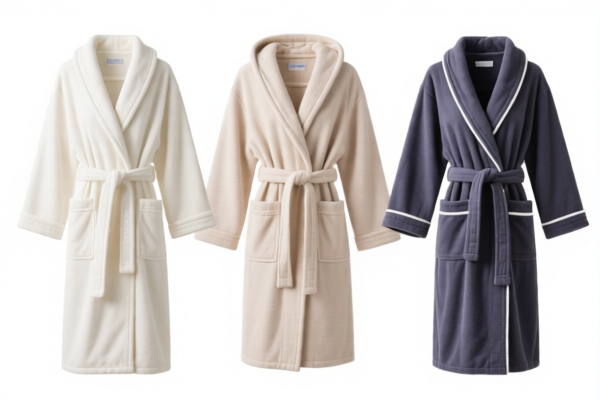
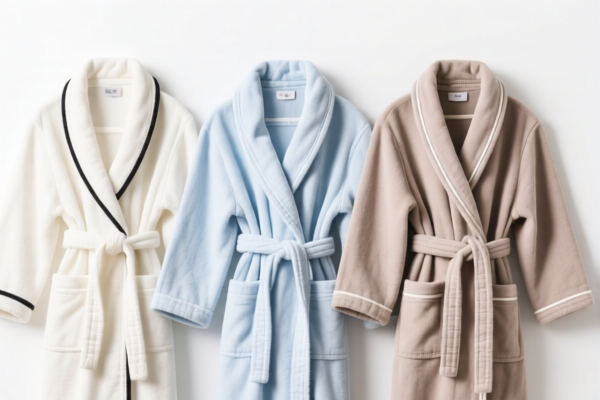
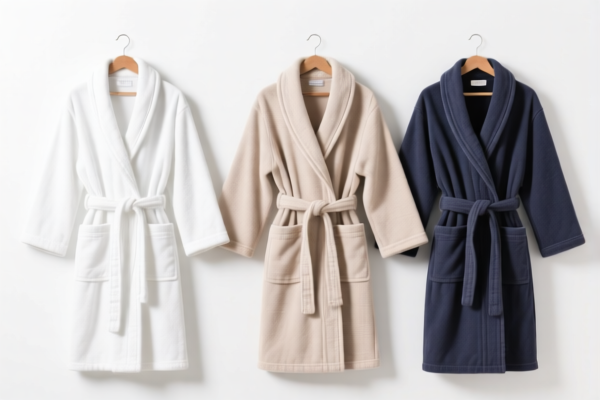
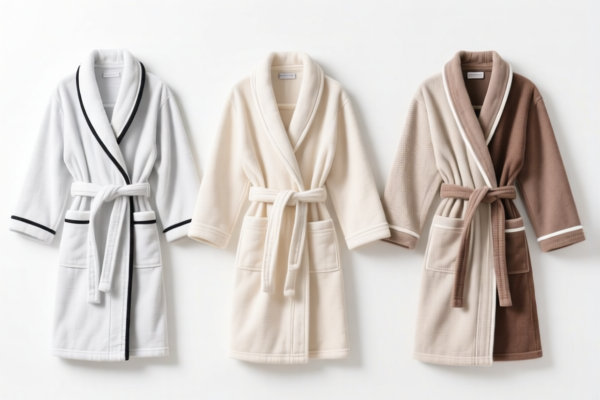
AI Analysis
🛁 Children's Bathrobes (Other Fabric) | 2026 US Import Tax Guide
🌐 HS Code Reference & Customs Clearance Guide | 2026 Latest Tariff Analysis | Professional Entry Strategies
📌 I. Product Definition & Classification: Are You Categorizing "Other Fabric" Correctly?
"Other Fabric Children's Bathrobes" is a broad category in international trade. In the US Harmonized Tariff Schedule (HTS), the classification depends strictly on the manufacturing process (Knitted vs. Woven) and the specific design (Robe vs. Cape).
Misclassification here can lead to significant tax discrepancies due to the complex US-China trade tariffs.
⚠️ Key Distinction Point:
- Knitted (61xx): Fabric made by interlocking loops (stretchy, like a sweater). Usually subject to higher base duties in some subheadings.
- Woven (62xx): Fabric made by weaving threads (structured, like a shirt). Generally has lower base duties but specific usage codes apply.
- "Other Fabric": Excludes Cotton, Wool, and Synthetic Fibers (Polyester/Nylon). Typically implies Viscose, Linen, Silk, Blends, or Specialty Materials.
📦 II. HS Code Classification Matrix (2026 Latest Tariff Authority)
Based on the provided data, here are the five possible classifications for "Other Fabric Children's Bathrobes" entering the US:
| HS Code | Product Description | Key Characteristics | Tariff Category |
|---|---|---|---|
6201.90.69.60 |
Bathrobes of other textile materials (Woven) | Woven fabric; Classified as "Other" wearing apparel. | Woven Apparel |
6111.90.90.00 |
Bathrobes of other textile materials (Knitted) | Knitted fabric; General category for other knitted children's clothes. | Knitted Apparel |
6111.90.50.70 |
Bathrobes/Attachments of other textile materials | Knitted; Classified under specific knitted attachments/apparel sub-items. | Knitted Apparel (High Base Duty) |
6201.90.29.60 |
Capes & Similar Articles (Woven) | Woven; Specifically classified as "Capes" or similar wraps. | Woven Apparel (Capes) |
6110.90.90.90 |
Sweaters, Pullovers, etc. (Knitted) | Knitted; Classified under "Sweaters/Pullovers" logic or similar knitted garments. | Knitted Apparel |
🔍 Critical Reminder:
- If your product is Woven (stiff, non-stretchy), it likely falls under 6201. You must choose between69.60(General Other) or29.60(Capes).
- If your product is Knitted (stretchy, looped), it falls under 6111. The choice between90.00,50.70, or6110.90depends on specific customs interpretations of "other articles."
💰 III. 2026 US Tariff Rate Breakdown (China Origin)
✅ Applicable Country: United States (US)
✅ Country of Origin: China (CN)
✅ Effective Date: Current rates apply (Section 301 & 122 Measures)
🎯 1. 6201.90.69.60 – Woven Bathrobes (Other)
| Item | Details |
|---|---|
| Base Duty | 4.2% |
| Section 301 Surcharge | 7.5% |
| Section 122 Tariff | 10% |
| Total Effective Tax Rate | 21.7% |
| Calculation | CIF Value × 21.7% |
| De Minimis Eligibility | ❌ No (High tariff rate disqualifies from $800 exemption) |
| Legal Path | USHTS:6201.90.69.60 → Section 301: 7.5% → Section 122: 10% |
📌 Explanation:
- This is a Woven classification.
- The total tax burden is relatively moderate compared to knitted high-duty items, but the 10% Section 122 tariff is a significant addition.
- Strategy: Ensure the material is clearly stated as "Other Textile Materials" (e.g., Viscose) to avoid misclassification into Cotton (021) or Polyester (040) rates.
🎯 2. 6111.90.90.00 – Knitted Bathrobes (General Other)
| Item | Details |
|---|---|
| Base Duty | 5.6% |
| Section 301 Surcharge | 7.5% |
| Section 122 Tariff | 10% |
| Total Effective Tax Rate | 23.1% |
| Calculation | CIF Value × 23.1% |
| De Minimis Eligibility | ❌ No |
| Legal Path | USHTS:6111.90.90.00 → Section 301: 7.5% → Section 122: 10% |
📌 Explanation:
- Standard Knitted classification.
- Base duty (5.6%) is slightly higher than the woven counterpart (4.2%).
- Risk: This is a "catch-all" category. Customs may scrutinize if it fits better under50.70.
🎯 3. 6111.90.50.70 – Knitted Bathrobes (Specific Sub-item)
| Item | Details |
|---|---|
| Base Duty | 14.9% |
| Section 301 Surcharge | 7.5% |
| Section 122 Tariff | 10% |
| Total Effective Tax Rate | 32.4% |
| Calculation | CIF Value × 32.4% |
| De Minimis Eligibility | ❌ No |
| Legal Path | USHTS:6111.90.50.70 → Section 301: 7.5% → Section 122: 10% |
⚠️ WARNING:
- Highest Tax Rate in the dataset!
- This classification suggests a specific sub-category for knitted articles that attracts a high base duty (14.9%).
- Avoidance Strategy: Verify if your product truly fits this specific "attachment/apparel" niche. If not, argue for90.90.00(23.1%) to save 9.3% in taxes.
🎯 4. 6201.90.29.60 – Woven Capes & Similar Articles
| Item | Details |
|---|---|
| Base Duty | 2.8% |
| Section 301 Surcharge | 7.5% |
| Section 122 Tariff | 10% |
| Total Effective Tax Rate | 20.3% |
| Calculation | CIF Value × 20.3% |
| De Minimis Eligibility | ❌ No |
| Legal Path | USHTS:6201.90.29.60 → Section 301: 7.5% → Section 122: 10% |
💡 Opportunity:
- Lowest Base Duty (2.8%)!
- If the bathrobe is designed as a Cape (open front, no buttons/zippers, draped), you can legally classify it as "Cape & Similar Articles."
- Savings: 1.4% cheaper than the standard woven bathrobe (69.60).
- Condition: The garment must structurally resemble a cape, not a tied robe with a belt.
🎯 5. 6110.90.90.90 – Knitted Sweaters/Pullovers (Similar Articles)
| Item | Details |
|---|---|
| Base Duty | 6.0% |
| Section 301 Surcharge | 7.5% |
| Section 122 Tariff | 10% |
| Total Effective Tax Rate | 23.5% |
| Calculation | CIF Value × 23.5% |
| De Minimis Eligibility | ❌ No |
| Legal Path | USHTS:6110.90.90.90 → Section 301: 7.5% → Section 122: 10% |
📌 Explanation:
- Sometimes, heavy knitted bathrobes are argued to fall under "Sweaters/Pullovers" logic if they have a collar/neckline structure similar to a pullover.
- Rate is between90.90.00and50.70. Use this only if structural arguments for50.70or90.00are weak.
🛠️ IV. Customs Clearance Practical Advice
✅ 1. Documentation Checklist (Mandatory)
| Document | Requirement | Why It Matters |
|---|---|---|
| ✅ Product Spec Sheet | ✔️ Required | Must explicitly state: "Material: [e.g., Viscose/Modal] (NOT Cotton/Polyester)" and "Construction: Knitted/Woven." |
| ✅ Garment Sketch | ✔️ Required | Must show if it is a Tied Robe (Bathrobe) or Open Front (Cape). This decides between 6201.90.69 and 6201.90.29. |
| ✅ Commercial Invoice | ✔️ Required | Value must include cost of goods, packaging, and shipping (CIF). |
| ✅ Country of Origin Label | ✔️ Required | Must clearly say "Made in China." |
✅ 2. Classification Strategy (The "Golden Rules")
🔥 “Woven Cape Wins, Knitted Check Fits”
| Scenario | Recommended HS Code | Reasoning |
|---|---|---|
| Woven + Tied Belt + Collar | 6201.90.69.60 |
Standard woven bathrobe. |
| Woven + Open Front + No Belt | 6201.90.29.60 |
Fits "Cape/Similar" definition → Lowest Base Duty (2.8%). |
| Knitted + Generic Other | 6111.90.90.00 |
Safe default for knitted. Avoid 50.70 unless sure. |
| Knitted + High Structure | 6111.90.50.70 |
Only if it fits the specific high-duty sub-category. Avoid if possible. |
✅ 3. Special Considerations for "Other Fabric"
- Definition of "Other": If you use Polyester or Nylon, do NOT use "Other." Use the specific Polyester/Nylon codes (e.g.,
6111.20or6201.93) which may have different rates. "Other" is strictly for fabrics excluding Cotton, Wool, and Synthetics (or specific synthetic blends not covered elsewhere). - Children's vs. Adult: Ensure the size and marketing clearly target Children. If labeled "Adult," the HS code changes to
6111.20/6201.93etc., with different tax implications.
🌍 V. Global Market Comparison (2026)
| Market | Recommended HS Code | Est. Total Tax (China Origin) | Notes |
|---|---|---|---|
| 🇺🇸 USA | See Above | 20.3% – 32.4% | Includes Section 301 (7.5%) + Section 122 (10%). High Barrier. |
| 🇪🇺 EU | 6210.40 / 6111.90 |
0% - 12% | No Section 122/301 equivalent. Standard MFN rates apply. |
| 🇨🇳 China | 6201.90 / 6111.90 |
0% - 9% | Import duty varies by material. No retaliatory tariffs. |
| 🇬🇧 UK | 6201.90 / 6111.90 |
0% - 12% | Post-Brexit rates similar to EU. |
📌 Conclusion:
The US market is the most expensive due to the叠加 (stacking) of Base Tariff + Section 301 + Section 122.
Cape-style (Woven) offers the best optimization at 20.3%.
📌 VI. Common Pitfalls & Risk Avoidance
❌ Pitfall 1: Calling a Polyester robe "Other Fabric"
👉 Consequence: Customs rejection, misdeclaration fine. Polyester has its own specific HS codes.
✅ Fix: Verify material composition. If >50% Polyester, use Poly codes.
❌ Pitfall 2: Using 6111.90.50.70 without justification
👉 Consequence: Paying 32.4% tax instead of 23.1%.
✅ Fix: Only use 50.70 if the garment is specifically an attachment or falls under the narrow legal definition. Otherwise, use 90.90.00.
❌ Pitfall 3: Ignoring "Section 122" (10% Tax)
👉 Consequence: Unexpected cost surge. Section 122 applies to many textile/apparel imports from China.
✅ Fix: Factor 10% into your Landed Cost Calculation immediately.
🎯 VII. Final Verdict: Cost Optimization Strategy
🎯 For Woven Bathrobes:
Aim for
6201.90.29.60(Capes).
Why? Lowest base duty (2.8%). If the design allows (open front), this saves 1.4% vs. the standard robe.
🎯 For Knitted Bathrobes:
Aim for
6111.90.90.00.
Why? Base duty 5.6% vs. 14.9% for50.70. Avoid the high-duty trap unless the product uniquely fits50.70.
🎯 General Rule:
"Other Fabric" ≠ "Any Fabric." Be precise about the material. If it’s Cotton, use Cotton codes. If it’s Polyester, use Poly codes. This data applies ONLY to true "Other" materials (Viscose, Linen, Silk, etc.).
📣 Immediate Action:
1. Audit Your Fabric: Confirm it is NOT Cotton/Polyester/Wool.
2. Audit Your Design: Is it a Cape? Use 29.60. Is it a Robe? Use 69.60 (Woven) or 90.90 (Knitted).
3. Calculate Landed Cost: Include 21.7% – 23.5% (or up to 32.4%) in your pricing model.
4. Consult a Broker: Request a Pre-Ruling if the "Cape" vs. "Robe" distinction is borderline.
✨ Precision in Classification is Profit in Customs!
💼 Your Margins Depend on This 2-Digit Difference!
Customer Reviews
About HS Code Classification
The Harmonized System (HS) is an internationally standardized nomenclature developed by the World Customs Organization (WCO) to classify traded products. Over 200 countries use the HS system as the basis for customs tariffs, trade statistics, and import/export regulations.
Each HS code follows a hierarchical structure:
- Chapter (2 digits) — Broad category of goods (e.g., Chapter 84: Machinery and Mechanical Appliances)
- Heading (4 digits) — More specific grouping within the chapter
- Subheading (6 digits) — Internationally standardized breakdown, used by all WCO member countries
- National subdivisions (8-10 digits) — Country-specific extensions for further classification, such as US HTSUS 10-digit codes
Correct HS code classification is essential for smooth customs clearance, accurate duty payment, and compliance with trade regulations. Misclassification can lead to customs delays, overpayment of duties, or penalties.
When importing from CN to US, the applicable tariff rates may include:
- Most-Favored-Nation (MFN) rate — The standard duty rate applied to WTO members
- General rate — Applied to countries without trade agreements
- Trade remedy duties — Additional tariffs such as Section 301 (anti-dumping), Section 232 (national security), or countervailing duties
The information provided on this page is for reference purposes only. For official classification, please consult with your local customs authority or a licensed customs broker.