Other Material Children's Seamless Triangle Underwear
CN → US| HS Code | Tariff Rate | Origin | Destination | Doc |
|---|---|---|---|---|
| 6111905070 | 32.4% | CN | US | Official Doc |
| 6208913020 | 28.7% | CN | US | Official Doc |
| 6108299000 | 30.8% | CN | US | Official Doc |
| 6111909000 | 23.1% | CN | US | Official Doc |
Product Images
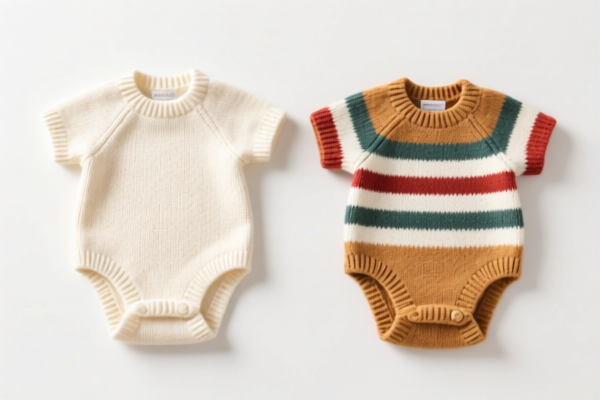
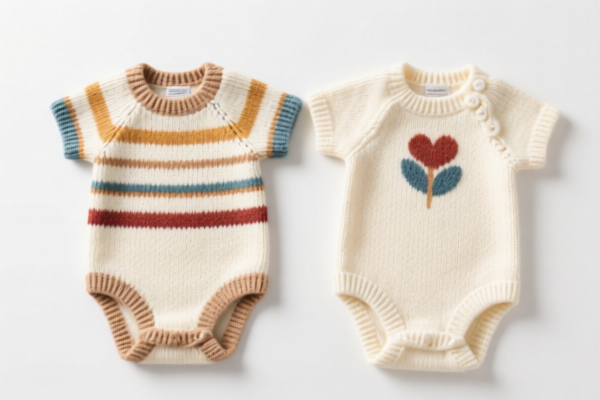
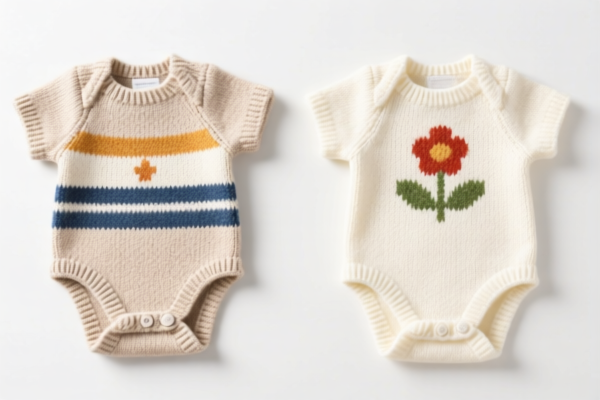
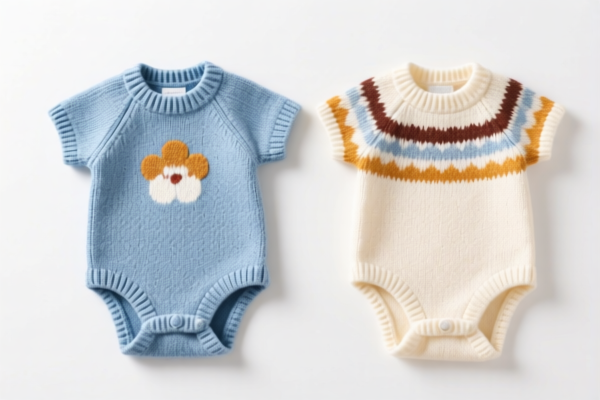
AI Analysis
👶 Children's Seamless Triangle Underwear (Other Material)
🌐 HS Code Reference & Customs Clearance Guide | 2026 Latest Tariff Analysis | Professional Compliance Strategy
📌 I. Product Definition & Classification: Do You Know What "Other Material" Really Means?
Children's seamless triangle underwear (underwear for children, made of materials other than specific knitted/crocheted fabrics or specific wovens) is a niche but high-volume category in cross-border e-commerce. In international trade, the classification heavily depends on the material composition and the manufacturing process (seamless knitting vs. cut-and-sew).
"Other Material" is a residual category. It typically refers to: 1. Synthetic Fibers not explicitly listed in primary headings (e.g., specific polyester/nylon blends not classified as standard knits); 2. Non-textile materials (e.g., latex, silicone, or specialized functional fabrics); 3. Blends that do not meet the primary fiber composition thresholds for standard headings.
⚠️ Key Distinction Point:
- If the material is primarily Man-Made Fibers (like standard polyester/nylon knits) → It often falls under6111or6108.
- If the material is Woven (even if seamless) → It often falls under6208.
- If the material is truly "Other" (unspecified textile or non-textile) → It falls under the residual "Other" subheadings.
- Critical Note: "Seamless" implies a knitting process, but customs may classify based on the final form if it doesn't fit the primary knitted underwear definitions.
📦 II. HS Code Classification Details (2026 Latest Tariff Authority Comparison)
| HS Code | Product Description | Application Scenario | Material Logic |
|---|---|---|---|
6111.90.50.70 |
Children's other textile garments, other (Man-made fiber based) | Seamless underwear made of synthetic blends not specifically listed elsewhere; inferred as man-made fibers. | Man-made Fibers (Inferred) |
6208.91.30.20 |
Women's/Children's other made-up articles, other (Cotton/Synthetic blend) | Matches children's underwear usage; inferred as synthetic fiber or cotton blend. No material conflict. | Synthetic/Cotton Blend |
6108.29.90.00 |
Women's/Children's slip-on garments, other (Knitted/Crocheted) | Form and usage match; "Other material" aligns with the residual logic of the "Other" category. | Other Textile Materials |
6111.90.90.00 |
Children's other textile garments, other (Residual) | Usage and form are consistent; inferred as non-specific textile material, fitting the "Other" fallback logic. | Non-Specific Textile |
🔍 Key Reminder:
- "Seamless" does not automatically mean6111. If the fabric is woven but formed seamlessly, it might fall under6208.
- "Other Material" is a trap. If you claim "Other" but the material is actually 100% Polyester, customs may reclassify it to a more specific code (like6111.90.50.70), potentially altering tax liabilities.
- Children's Underwear is strictly regulated. Ensure labels meet FTC (US) or equivalent origin country requirements for fiber content.
💰 III. 2026 Latest Tariff Rate Breakdown (Including Additional Taxes & Policy Surcharges)
✅ Applicable Country: United States (US)
✅ Origin: China (CN)
✅ Effective Date: From November 10, 2025 (including subsequent imports)
🎯 1. 6111.90.50.70 — Children's Other Textile Garments (Man-made Inferred)
| Item | Content |
|---|---|
| Base Duty Rate | 14.9% (ad valorem) |
| Section 301 Surcharge | +7.5% (List 4B products, China origin) |
| Section 122 Surcharge | +10% (Targeting specific textile/apparel categories from China) |
| Total Duty Rate | 32.4% |
| Tax Calculation | CIF Value × 32.4% |
| De Minimis Eligibility | ❌ Not Eligible (Deny de minimis for textile/apparel from China under Section 321/301 interpretations) |
| Legal Basis Path | HTS:6111.90.50.70 → USITC Footnote 9903.88.01 → IEEPA:9903.01.24 → Section 122 Rule |
📌 Explanation:
- "Base 14.9%": Standard MFN rate for "Other" children's garments of man-made fibers.
- "Section 301 7.5%": Applies to most Chinese textile/apparel goods.
- "Section 122 10%": A specific surcharge applied to certain textile and apparel products to support domestic manufacturing.
- Total 32.4% is high for underwear. Cost control is critical.
🎯 2. 6208.91.30.20 — Women's/Children's Other Made-up Articles (Cotton/Synthetic)
| Item | Content |
|---|---|
| Base Duty Rate | 11.2% (ad valorem) |
| Section 301 Surcharge | +7.5% (List 4B products, China origin) |
| Section 122 Surcharge | +10% (Targeting specific textile/apparel categories from China) |
| Total Duty Rate | 28.7% |
| Tax Calculation | CIF Value × 28.7% |
| De Minimis Eligibility | ❌ Not Eligible |
| Legal Basis Path | HTS:6208.91.30.20 → USITC Footnote 9903.88.01 → IEEPA:9903.01.24 → Section 122 Rule |
📌 Note:
- Lower Total Rate (28.7%) compared to6111.
- This code assumes a woven or blended structure that fits "Other made-up articles."
- If your product is truly knitted, misclassifying as6208(woven) may lead to customs audits and penalties.
🎯 3. 6108.29.90.00 — Women's/Children's Slip-on Garments (Other)
| Item | Content |
|---|---|
| Base Duty Rate | 13.3% (ad valorem) |
| Section 301 Surcharge | +7.5% (List 4B products, China origin) |
| Section 122 Surcharge | +10% (Targeting specific textile/apparel categories from China) |
| Total Duty Rate | 30.8% |
| Tax Calculation | CIF Value × 30.8% |
| De Minimis Eligibility | ❌ Not Eligible |
| Legal Basis Path | HTS:6108.29.90.00 → USITC Footnote 9903.88.01 → IEEPA:9903.01.24 → Section 122 Rule |
📌 Analysis:
- Fits the "Knitted/Crocheted" logic for "Slip-on garments" (underwear).
- Higher than6208due to higher base duty (13.3% vs 11.2%).
- Use only if the product is definitively knitted and does not fit6111.
🎯 4. 6111.90.90.00 — Children's Other Textile Garments (Residual)
| Item | Content |
|---|---|
| Base Duty Rate | 5.6% (ad valorem) |
| Section 301 Surcharge | +7.5% (List 4B products, China origin) |
| Section 122 Surcharge | +10% (Targeting specific textile/apparel categories from China) |
| Total Duty Rate | 23.1% |
| Tax Calculation | CIF Value × 23.1% |
| De Minimis Eligibility | ❌ Not Eligible |
| Legal Basis Path | HTS:6111.90.90.00 → USITC Footnote 9903.88.01 → IEEPA:9903.01.24 → Section 122 Rule |
📌 Critical Warning:
- Lowest Total Rate (23.1%) among the options.
- BUT: This is the residual code for "Other" materials.
- Risk: If customs determines the material is "Man-made fibers" (standard polyester/nylon), they will reclassify to6111.90.50.70(32.4%).
- Recommendation: Only use this if the material is genuinely non-standard (e.g., wool, silk, or unknown synthetic blend) and you can prove it doesn't fit other categories. High audit risk.
🛠️ IV. Customs Clearance Practical Advice (Real-World Pitfall Guide)
✅ 1. Required Documentation Checklist (Mandatory)
| Document | Required | Explanation |
|---|---|---|
| ✅ Product Specification Sheet | ✔️ | Must clearly state fiber composition (e.g., 95% Polyester, 5% Spandex). Vague "Other Material" labels are rejected. |
| ✅ Tech Pack / Structure Diagram | ✔️ | Shows if the garment is knitted or woven. "Seamless" usually means knitted, but confirm construction. |
| ✅ Product Photos (Labeled) | ✔️ | Clear images of tags showing care instructions and fiber content. |
| ✅ Third-Party Test Report | ✔️ | OEKO-TEX, CPSIA (for children's items in US), or REACH compliance. |
| ✅ Commercial Invoice | ✔️ | Must state "Children's Seamless Underwear, [Fiber Content], Made in China." |
| ✅ Certificate of Origin (CO) | ✔️ | Required for Section 301 and Section 122 applicability. |
✅ 2. Declaration Tips (Key Mantra)
🔥 "Fiber First, Construction Second, Label Accurate, Tax Minimized!"
| Scenario | Correct Declaration | Wrong Practice |
|---|---|---|
| Polyester/Nylon Knit | 6111.90.50.70 |
Using 6111.90.90.00 to save tax → Audit & Penalty |
| Cotton Blend Woven | 6208.91.30.20 |
Mislabeling as "Knit" → Reclassification to Higher Duty |
| Unknown/Experimental Material | 6111.90.90.00 |
Withholding material details → Seizure/Refusal |
| Children's Item | Explicitly state "Children's" | Omitting age group → Potential Misclassification |
✅ 3. Special Case Handling
| Scenario | Handling Advice |
|---|---|
| OEM for US Brands | Provide brand authorization letter. Some brands have established HS codes with customs brokers. |
| Sample Shipment | Still subject to duties if value exceeds $800 (de minimis does not apply to China textiles under Section 301/122). Do not use de minimis. |
| Mixed Container | If mixed with non-China goods, ensure clear segregation. China-origin goods attract 301/122. |
| Material Dispute | If customs questions "Other Material," provide a mill certificate or lab test report proving fiber content. |
🌍 V. Global Market Comparison (2026 Latest)
| Country/Region | Recommended HS Code | Tariff (China Origin) | Certification | Notes |
|---|---|---|---|---|
| 🇺🇸 USA | 6111.90.50.70 |
32.4% | CPSIA + OEKO-TEX | High tariffs due to Section 301 & 122. |
| 🇨🇳 China | 6111.90.50.70 |
10-15% | CCC (if applicable) | Lower base duty, no Section 301. |
| 🇪🇺 EU | 6109.10.00 (Approx) |
0-12% | CE + REACH | No Section 301. Tariffs vary by fiber. |
| 🇬🇧 UK | 6111.90.00 |
8-12% | UKCA | Post-Brexit, similar to EU but separate rules. |
| 🇦🇺 Australia | 6111.90.90 |
5% | ACCC | No Section 301. Lower overall cost. |
📌 Conclusion:
- USA is the most expensive market due to Section 122 (10%) + Section 301 (7.5%).
- Total 32.4% significantly impacts profit margins.
- EU/UK/Australia offer lower tariff barriers but have stricter chemical safety regulations (REACH, etc.).
📌 VI. Common Mistakes & Pitfalls (Blood Lessons)
❌ Mistake 1: Claiming "De Minimis" ($800) for China-origin underwear
👉 Consequence: Seizure! Section 301 and Section 122 taxes apply regardless of value.
❌ Mistake 2: Using 6111.90.90.00 (23.1%) for standard Polyester underwear
👉 Consequence: Customs reclassifies to 6111.90.50.70 (32.4%) + penalties + back taxes.
❌ Mistake 3: Not declaring "Children's" on the invoice
👉 Consequence: May be classified as adult underwear, leading to different duty rates and compliance issues (e.g., flammability standards differ).
❌ Mistake 4: Vague material description ("Other Material")
👉 Consequence: Customs demands clarification, causing delays or rejection.
✅ Correct Practice:
"Children's Seamless Triangle Underwear, Knitted, 95% Polyester / 5% Spandex, Imported from China."
🎯 VII. Conclusion: Professional Declaration, Save Time & Money!
🎯 Remember the Mantra:
🔹 "Check Fiber, Check Origin, Avoid De Minimis, Pay the Duty!"
🔹 "Section 122 + 301 = 17.5% Extra! Don't Ignore It!"
📌 Pro Tip:
If your product uses novel materials (e.g., bamboo fiber, modal, recycled ocean plastic), provide detailed material data sheets. This may help in arguing for a more favorable classification or exemption, though unlikely for Section 301.
Always use Advance Ruling if you are shipping large volumes to the US.
📣 Immediate Action:
📞 Contact a licensed customs broker + Provide Fiber Content Report + Apply for HS Code Pre-Ruling
🚀 Ensure smooth clearance, avoid seizures, and protect your profit margins!
✨ Professional Clearance Starts with Accurate Classification!
💼 Every Percent of Duty Counts in Cross-Border E-Commerce!
Customer Reviews
About HS Code Classification
The Harmonized System (HS) is an internationally standardized nomenclature developed by the World Customs Organization (WCO) to classify traded products. Over 200 countries use the HS system as the basis for customs tariffs, trade statistics, and import/export regulations.
Each HS code follows a hierarchical structure:
- Chapter (2 digits) — Broad category of goods (e.g., Chapter 84: Machinery and Mechanical Appliances)
- Heading (4 digits) — More specific grouping within the chapter
- Subheading (6 digits) — Internationally standardized breakdown, used by all WCO member countries
- National subdivisions (8-10 digits) — Country-specific extensions for further classification, such as US HTSUS 10-digit codes
Correct HS code classification is essential for smooth customs clearance, accurate duty payment, and compliance with trade regulations. Misclassification can lead to customs delays, overpayment of duties, or penalties.
When importing from CN to US, the applicable tariff rates may include:
- Most-Favored-Nation (MFN) rate — The standard duty rate applied to WTO members
- General rate — Applied to countries without trade agreements
- Trade remedy duties — Additional tariffs such as Section 301 (anti-dumping), Section 232 (national security), or countervailing duties
The information provided on this page is for reference purposes only. For official classification, please consult with your local customs authority or a licensed customs broker.