Other Material Children's Striped Underwear
CN → US| HS Code | Tariff Rate | Origin | Destination | Doc |
|---|---|---|---|---|
| 6111909000 | 23.1% | CN | US | Official Doc |
| 6209909000 | 20.3% | CN | US | Official Doc |
| 6209903040 | 32.4% | CN | US | Official Doc |
| 6111905070 | 32.4% | CN | US | Official Doc |
| 6109901009 | 49.5% | CN | US | Official Doc |
Product Images
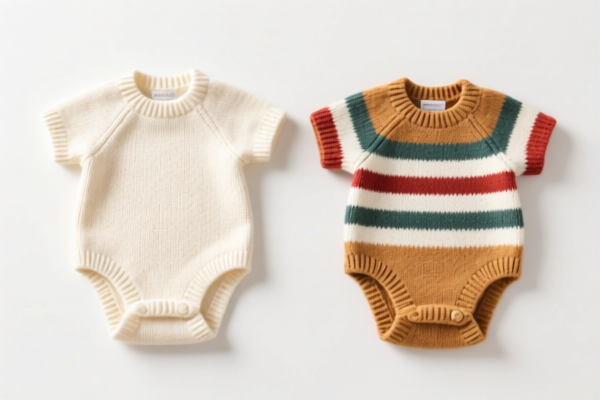
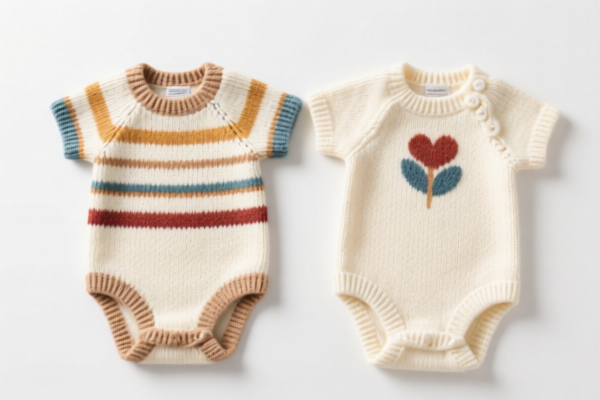
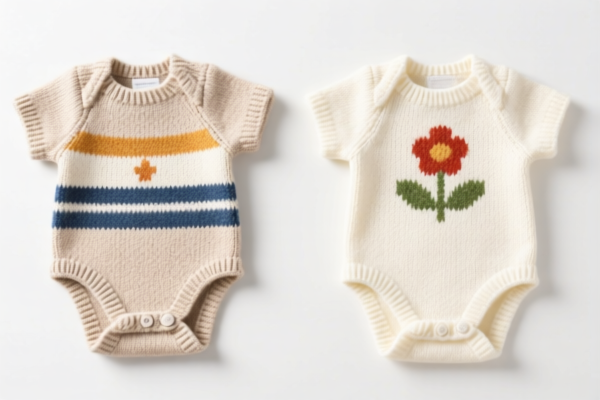
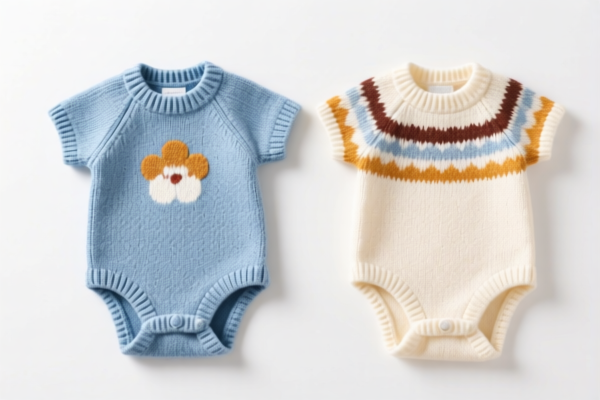
AI Analysis
👶 Children's Other Material Striped Underwear (Knit/Non-Knit)
🌐 HS Code Reference & Clearance Guide | 2026 Latest Tariff Analysis | Professional Customs Strategy
📌 I. Product Definition & Classification: What are "Children's Other Material Striped Underwear"?
Children’s underwear, specifically striped styles made from "Other Materials" (typically synthetic fibers like polyester, nylon, or blends that do not fall under cotton, wool, or silk categories), is a high-volume item in global trade. In international customs (Harmonized System), these items are strictly categorized based on two main factors:
- Manufacturing Method:
- Knitted or Crocheted (Elastic, stretchy, seamless): Falls under Chapter 61.
- Not Knitted or Crocheted (Woven, non-stretch): Falls under Chapter 62.
- Specific Product Type:
- Briefs/Trunks/Tanga: Specific sub-categories for underwear.
- Garments: General apparel classification if specific underwear codes don't apply.
⚠️ Key Distinction:
- If the fabric is knitted (loop structure, stretchy) → Look at HS Code 6111...
- If the fabric is woven (flat structure, no stretch) → Look at HS Code 6209... or 6209.90
- "Other Material" usually implies synthetic fibers (Polyester, Nylon, Acrylic).
📦 II. HS Code Classification Details (2026 Latest Tariff Authority Comparison)
Based on the provided data for "Other Material Children's Striped Underwear", here are the five potential HS Codes with their corresponding tax rates and logical inclusions.
| HS Code | Summary / Description | Tax Rate (Total) | Tax Detail Breakdown |
|---|---|---|---|
6111.90.90.00 |
Children's Underwear, Knitted, Other Materials Striped fabric, classified as "Other Textile Materials". |
23.1% | Base: 5.6% + Section 301: 7.5% + 122 Clause: 10% |
6209.90.90.00 |
Children's Underwear, Woven, Other Materials Striped fabric, classified as "Other Textile Materials Garment Accessories". |
20.3% | Base: 2.8% + Section 301: 7.5% + 122 Clause: 10% |
6209.90.30.40 |
Children's Other Woven Apparel, Other Materials Striped fabric, classified as a "Catch-all" for other textile materials. |
32.4% | Base: 14.9% + Section 301: 7.5% + 122 Clause: 10% |
6111.90.50.70 |
Children's Other Knitted Apparel, Man-Made Fibers Striped fabric, inferred as Knitted or Man-Made Fiber Fabric. |
32.4% | Base: 14.9% + Section 301: 7.5% + 122 Clause: 10% |
6109.90.10.09 |
Other Knitted T-Shirts & Similar Articles Striped fabric, classified as "Knitted Form of Other Textile Materials". |
49.5% | Base: 32.0% + Section 301: 7.5% + 122 Clause: 10% |
🔍 Critical Note:
- The lowest tax rate (20.3%) is found under6209.90.90.00(Woven/Accessories classification).
- The highest tax rate (49.5%) is found under6109.90.10.09(Knitted T-shirt-like category), which is likely a misclassification for underwear but appears in the data.
- "122 Clause Tariff" (10%) and "Section 301" (7.5%) are significant add-ons, likely referring to specific trade remedies or retaliatory tariffs on Chinese-origin goods.
💰 III. 2026 Latest Tariff Rate Breakdown (Including Surcharge & Policy Additions)
✅ Applicable Country: United States (US)
✅ Origin: China (CN) (Implied by "122 Clause" and "Section 301" context)
✅ Effective Date: Current trade policy period (2025-2026)
🎯 1. 6209.90.90.00 —— Lowest Tax: 20.3% (Recommended if Woven)
| Item | Content |
|---|---|
| Base Duty Rate | 2.8% |
| Section 301 Surcharge | +7.5% |
| 122 Clause Tariff | +10.0% |
| Total Effective Rate | 20.3% |
| Tax Calculation | CIF Value × 20.3% |
| De Minimis Exemption? | ❌ No (Value likely exceeds $800 threshold for small parcels) |
| Legal Basis | HTSUS 6209.90.90.00 + USITC Section 301 List + Trade Remedy Footnotes |
📌 Explanation:
- This code applies if the underwear is woven (non-stretch) and fits the "Other Materials" accessory or specific children's wear category. - The 2.8% base is very low, but the 17.5% in tariffs makes it moderate.
🎯 2. 6111.90.90.00 —— Moderate Tax: 23.1% (Knitted "Other Materials")
| Item | Content |
|---|---|
| Base Duty Rate | 5.6% |
| Section 301 Surcharge | +7.5% |
| 122 Clause Tariff | +10.0% |
| Total Effective Rate | 23.1% |
| Tax Calculation | CIF Value × 23.1% |
| De Minimis Exemption? | ❌ No |
| Legal Basis | HTSUS 6111.90.90.00 + USITC Section 301 List |
📌 Explanation:
- Applies to knitted underwear made of "other textile materials" (e.g., polyester blends not specified elsewhere). - Slightly higher base than woven, but similar tariff structure.
🎯 3. 6209.90.30.40 & 6111.90.50.70 —— High Tax: 32.4%
| Item | Content |
|---|---|
| Base Duty Rate | 14.9% |
| Section 301 Surcharge | +7.5% |
| 122 Clause Tariff | +10.0% |
| Total Effective Rate | 32.4% |
| Tax Calculation | CIF Value × 32.4% |
| De Minimis Exemption? | ❌ No |
📌 Explanation:
- These codes represent "Catch-all" or less specific categories (e.g., "Other Apparel"). - The base duty jumps to 14.9%, significantly increasing cost. - Avoid these unless the product clearly doesn't fit the specific underwear codes (6209.90.90or6111.90.90).
🎯 4. 6109.90.10.09 —— Highest Tax: 49.5% (Risk Alert!)
| Item | Content |
|---|---|
| Base Duty Rate | 32.0% |
| Section 301 Surcharge | +7.5% |
| 122 Clause Tariff | +10.0% |
| Total Effective Rate | 49.5% |
| Tax Calculation | CIF Value × 49.5% |
| De Minimis Exemption? | ❌ No |
📌 Warning:
- This code classifies the item as "Other Knitted T-Shirts" or similar generic knitted apparel. - Misclassification Risk: If customs officers determine "Underwear" is not a "T-shirt," they may penalize for misdeclaration. - Cost Impact: Nearly double the tax of the optimal code.
🛠️ IV. Customs Clearance Practical Advice (Battle-Tested Pitfall Guide)
✅ 1. Documentation Checklist (Non-Negotiable)
| Document | Required? | Description |
|---|---|---|
| ✅ Product Specification Sheet | ✔️ | Must clearly state: "Children's Underwear," Material Composition (e.g., 95% Polyester, 5% Spandex), Weave Type (Knitted/Woven). |
| ✅ Product Photos | ✔️ | Front/back view showing stripes, label, and tags. Must clearly show it is underwear, not pajamas or t-shirts. |
| ✅ Commercial Invoice | ✔️ | Description: "Children's Knitted/Woven Striped Underwear - Other Material." |
| ✅ Packing List | ✔️ | Weight, quantity, dimensions. |
| ✅ Certificate of Origin | ✔️ | To verify Chinese origin (triggers tariffs). |
| ✅ Textile Composition Label | ✔️ | Must match invoice. Mismatch = Seizure/Fine. |
✅ 2. Declaration Tips (Key Mantra)
🔥 “Knitted vs. Woven, Underwear vs. Shirt, Code Matters, Tax Varies!”
| Scenario | Correct HS Code | Incorrect Code | Tax Difference |
|---|---|---|---|
| Knitted Underwear | 6111.90.90.00 (23.1%) |
6109.90.10.09 (49.5%) |
Save 26.4%! |
| Woven Underwear | 6209.90.90.00 (20.3%) |
6209.90.30.40 (32.4%) |
Save 12.1%! |
| Misclassified as T-Shirt | ❌ N/A | 6109.90.10.09 (49.5%) |
Overpay 26-29%! |
📌 Critical Advice:
- Do NOT use generic terms like "Kids' Clothes" or "Striped Fabric Garment."
- Use precise terms: "Children's Knitted Briefs" or "Children's Woven Underwear."
- If the item is seamless or laser-cut, mention it, as it may influence the "Knitted" classification.
✅ 3. Special Circumstances Handling
| Situation | Handling Advice |
|---|---|
| Mixed Materials | If >50% is synthetic ("Other Material"), use "Other Materials" codes. If >50% is cotton, the entire dataset may be invalid (switch to Cotton codes). |
| Sample vs. Bulk | Samples < $800 may qualify for de minimis, but tariffs may still apply if not exempt. Check current CBP rules. |
| Striped Pattern | Pattern does not affect HS Code directly but must be declared accurately to avoid "Appearance" disputes. |
| Age Group | Ensure "Children's" is specified. Adult underwear has different codes (e.g., 6107/6207) and potentially different tariffs. |
🌍 V. Global Market Clearance Comparison (2026 Latest)
| Country/Region | Recommended HS Code (Optimal) | Base Duty | Surcharge (US Origin) | Total Tax (Approx.) | Notes |
|---|---|---|---|---|---|
| 🇺🇸 United States | 6209.90.90.00 (Woven) |
2.8% | +17.5% (301+122) | 20.3% | Lowest in dataset. |
| 🇺🇸 United States | 6111.90.90.00 (Knitted) |
5.6% | +17.5% (301+122) | 23.1% | Second lowest. |
| 🇪🇺 European Union | 6111/6209 | Varies (2-4%) | No US-style tariffs | ~3-5% | No Section 301/122. CE marking required. |
| 🇨🇳 China (Import) | 6111/6209 | 5-10% | None | ~5-12% | Lower base, no punitive tariffs. |
| 🇬🇧 United Kingdom | 6111/6209 | 5-7% | None | ~5-10% | Post-Brexit rules apply. |
📌 Conclusion:
- The US market has high punitive tariffs due to trade policies.
- Optimal Classification is critical to save 10-20%+ in taxes.
- Woven (6209.90.90.00) is currently the most cost-effective path in this dataset.
📌 VI. Common Errors & Pitfall Guide (Lessons Learned)
❌ Error 1: Classifying Knitted Underwear as "T-Shirts" (6109.90...)
👉 Consequence: Tax jumps from 23.1% to 49.5%. Overpayment of $26.40 per $100.
❌ Error 2: Ignoring "Knitted vs. Woven" Distinction
👉 Consequence: Misclassification leads to customs hold, fines, and retrospective tax adjustments.
❌ Error 3: Using "Other Textile Materials" Without Specificity
👉 Consequence: Customs may assign a default higher rate (e.g., 32.4%) if the specific material (Polyester/Nylon) isn't declared.
❌ Error 4: Not Declaring "Children's" Explicitly
👉 Consequence: May be classified as Adult Underwear, which has different codes and potentially different duty rates.
✅ Correct Declaration Example:
"Children's Knitted Briefs, 100% Polyester, Striped Pattern, Size 4-6, HS Code 6111.90.90.00"
🎯 VII. Conclusion: Precise Classification, Maximize Profit!
🎯 Remember the Mantra:
🔹 "Woven is Cheaper (20.3%), Knitted is Moderate (23.1%), T-Shirt Code is Trap (49.5%)!"
🔹 "Specify 'Knitted' or 'Woven' - It’s the Key to Tax Savings!"
🔹 "Don’t Guess - Verify Composition - Avoid the 32.4% Catch-All!"
📌 Pro Tip:
If your product is Knitted, ensure you are NOT classifying it under 6109.90.10.09 (T-shirts). Use 6111.90.90.00 to save 26.4% in tariffs.
If your product is Woven, use 6209.90.90.00 to save 12.1% compared to the catch-all code.
📣 Immediate Action Required:
📞 Consult Customs Broker + Provide Fabric Swatch + Apply for Advance Ruling
🚀 Optimize Your HS Code, Reduce Tariffs by Up to 29%, and Boost Margins!
✨ Professional Clearance Starts with Accurate Classification!
💼 Every Percentage Point Saved is Pure Profit!
Customer Reviews
About HS Code Classification
The Harmonized System (HS) is an internationally standardized nomenclature developed by the World Customs Organization (WCO) to classify traded products. Over 200 countries use the HS system as the basis for customs tariffs, trade statistics, and import/export regulations.
Each HS code follows a hierarchical structure:
- Chapter (2 digits) — Broad category of goods (e.g., Chapter 84: Machinery and Mechanical Appliances)
- Heading (4 digits) — More specific grouping within the chapter
- Subheading (6 digits) — Internationally standardized breakdown, used by all WCO member countries
- National subdivisions (8-10 digits) — Country-specific extensions for further classification, such as US HTSUS 10-digit codes
Correct HS code classification is essential for smooth customs clearance, accurate duty payment, and compliance with trade regulations. Misclassification can lead to customs delays, overpayment of duties, or penalties.
When importing from CN to US, the applicable tariff rates may include:
- Most-Favored-Nation (MFN) rate — The standard duty rate applied to WTO members
- General rate — Applied to countries without trade agreements
- Trade remedy duties — Additional tariffs such as Section 301 (anti-dumping), Section 232 (national security), or countervailing duties
The information provided on this page is for reference purposes only. For official classification, please consult with your local customs authority or a licensed customs broker.