Other Synthetic Fiber Children's Clothing
CN → US| HS Code | Tariff Rate | Origin | Destination | Doc |
|---|---|---|---|---|
| 6111305070 | 33.5% | CN | US | Official Doc |
| 6211339025 | 33.5% | CN | US | Official Doc |
| 6111305020 | 33.5% | CN | US | Official Doc |
| 6114303030 | 32.4% | CN | US | Official Doc |
| 6114303020 | 32.4% | CN | US | Official Doc |
Product Images
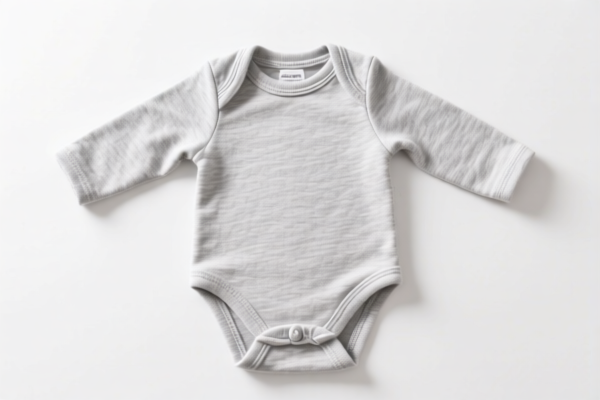
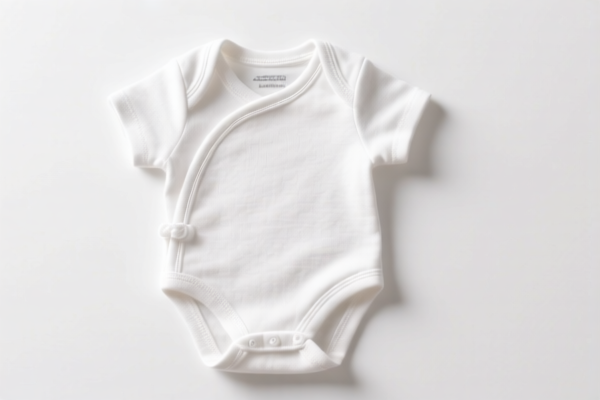
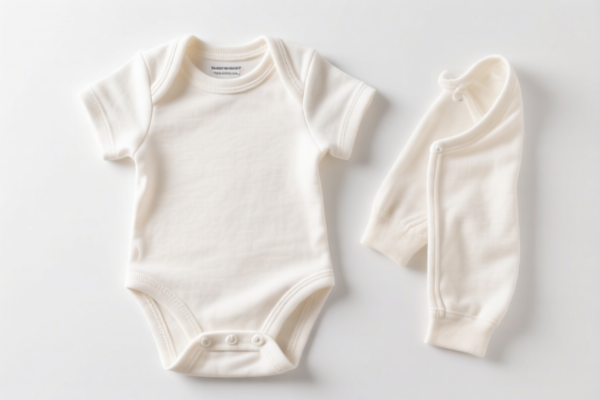
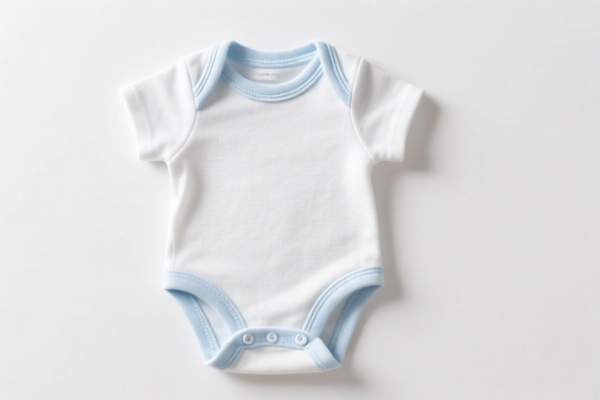
AI Analysis
👕 Other Synthetic Fiber Children's Clothing
🌐 HS Code Reference & Customs Clearance Guide | 2026 Latest Tariff Analysis | Professional Entry Strategy
📌 1. Product Definition & Classification: What Exactly is "Other Synthetic Fiber Children's Clothing"?
In international trade, "Other Synthetic Fiber Children's Clothing" refers to apparel made from synthetic fibers (such as polyester, nylon, acrylic, etc.) or man-made fibers (such as rayon, viscose), designed specifically for children. The term "Other" typically serves as a catch-all category for items that do not fit into specific sub-categories like knit swimsuits, pajamas, or socks.
⚠️ Key Distinction:
- Material Matters: Is it knitted (e.g., T-shirts, dresses) or woven (e.g., jackets, pants)? This determines the main HS Chapter (61 vs. 62). - Fiber Type: Is it Synthetic (e.g., Polyester) or Man-made (e.g., Viscose/Rayon)? This affects the specific duty rate. - Fit & Function: Does it fall under "Other" because it doesn’t have a more specific description (like "underwear" or "sleepwear")?
📦 2. HS Code Classification Details (Based on Provided Data)
The following HS codes are derived directly from the provided dataset for "Other Synthetic Fiber Children's Clothing". Note that rates vary slightly based on the specific sub-category (knitted vs. woven, synthetic vs. man-made).
| HS Code | Product Description (from Data) | Key Characteristics | Total Tax Rate |
|---|---|---|---|
6111.30.50.70 |
Other synthetic fiber children's clothing; match successful, material consistent with category | Knitted, Synthetic Fiber | 33.5% |
6211.33.90.25 |
Other synthetic fiber children's clothing; material is man-made fiber, usage fits children's clothing | Woven, Man-made Fiber | 33.5% |
6111.30.50.20 |
Other synthetic fiber children's clothing; material explicit, matches fallback category principle | Knitted, Synthetic Fiber (Fallback) | 33.5% |
6114.30.30.30 |
Other synthetic fiber children's clothing; corresponds to man-made fiber, usage is children's clothing | Knitted, Man-made Fiber | 32.4% |
6114.30.30.20 |
Other synthetic fiber children's clothing; material is man-made fiber, belongs to rompers and similar clothing | Knitted, Man-made Fiber (Rompers) | 32.4% |
🔍 Critical Note:
- Knitted vs. Woven: Codes starting with 61 are Knitted; 62 are Woven.
- Synthetic vs. Man-made: "Synthetic" (e.g., Polyester) and "Man-made" (e.g., Viscose) have different base duty rates, leading to the split between 33.5% and 32.4%.
💰 3. 2026 Latest Tariff Rate Breakdown (Including Additional Duties)
✅ Applicable Country: United States (US)
✅ Origin: China (CN)
✅ Effective Time: Current rates applicable
🎯 1. Rate Category A: 33.5% Total Tax
(Applies to HS Codes: 6111.30.50.70, 6211.33.90.25, 6111.30.50.20)
| Item | Content |
|---|---|
| Base Duty (MFN) | 16.0% |
| Section 301 Duty (Additional) | 7.5% |
| Section 122 Duty (Additional) | 10.0% |
| Total Effective Rate | 33.5% |
| Tax Calculation | CIF Value × 33.5% |
| De Minimis Eligibility | ❌ Not Eligible (High rate triggers scrutiny) |
| Legal Basis Path | USITC:6111/6211 → Section 301: 7.5% → Section 122: 10% |
📌 Explanation:
- Base 16.0%: Standard Most Favored Nation (MFN) rate for children's knit/woven synthetic clothing.
- 7.5% (Sec 301): Additional tariff on Chinese imports under Trade Act Section 301.
- 10% (Sec 122): Specific additional tariff applied to certain Chinese goods.
- Result: A significant cost barrier for importers.
🎯 2. Rate Category B: 32.4% Total Tax
(Applies to HS Codes: 6114.30.30.30, 6114.30.30.20)
| Item | Content |
|---|---|
| Base Duty (MFN) | 14.9% |
| Section 301 Duty (Additional) | 7.5% |
| Section 122 Duty (Additional) | 10.0% |
| Total Effective Rate | 32.4% |
| Tax Calculation | CIF Value × 32.4% |
| De Minimis Eligibility | ❌ Not Eligible |
| Legal Basis Path | USITC:6114 → Section 301: 7.5% → Section 122: 10% |
📌 Explanation:
- Base 14.9%: Slightly lower MFN rate for "Other knit articles" (6114) compared to specific children's items (6111/6211).
- Same Additional Duties: The 7.5% and 10% add-ons apply equally.
- Savings: 1.1% lower than Category A, but still a high tax burden.
🛠️ 4. Customs Clearance Practical Advice (Real-World Pitfall Guide)
✅ 1. Required Documentation Checklist (Non-negotiable)
| Document | Required | Explanation |
|---|---|---|
| ✅ Product Specification Sheet | ✔️ | Must specify Knitted/Woven, Fiber Content (e.g., 100% Polyester vs. 100% Viscose), and Target Age (e.g., 2T-4T). |
| ✅ Fiber Content Label | ✔️ | Must match invoice exactly. Mislabeling leads to reclassification and penalties. |
| ✅ Product Photos | ✔️ | Clear images showing seams, tags, and overall style to confirm "Children's" vs. "Adults'" or "Infants'". |
| ✅ Commercial Invoice | ✔️ | Must explicitly state: "Other Synthetic Fiber Children's Clothing" and correct HS Code. |
| ✅ Packing List | ✔️ | Detail quantities, weights, and dimensions. |
| ✅ Certificate of Origin (CO) | ✔️ | Proof of China origin to confirm applicability of 301/122 duties. |
✅ 2. Classification Strategy (Key Mantras)
🔥 "Knit is 61, Woven is 62; Synthetic 16%, Man-made 14.9%; Add 17.5% for China!"
| Scenario | Correct HS Code | Error |
|---|---|---|
| Knit Polyester Dress | 6111.30.50.70 (33.5%) |
Misclassified as Woven → Higher scrutiny |
| Woven Rayon Pants | 6211.33.90.25 (33.5%) |
Misclassified as Knit → Potential penalty |
| Knit Viscose Romper | 6114.30.30.20 (32.4%) |
Misclassified as 6111 → Overpay or Underpay |
| Adult Synthetic Jacket | Not Applicable | Must exclude "Children's" to avoid incorrect duty rate |
📌 Important:
- "Synthetic" usually refers to Polyester, Nylon, Acrylic (Base 16.0%).
- "Man-made" usually refers to Viscose, Rayon (Base 14.9%).
- Always verify the fiber content on the garment label to choose between 33.5% and 32.4%.
✅ 3. Special Cases & Handling
| Situation | Handling Advice |
|---|---|
| Mixed Fiber Garments | Use the principal fiber. If no principal fiber, use the fallback rule (6111.30.50.20). |
| Children's Size Unclear | If size is ambiguous (e.g., "One Size"), provide age range (e.g., "For ages 0-2"). If deemed "Adult," different duties may apply. |
| Rompers/Jumpsuits | Explicitly declare as "Rompers" to potentially qualify for 6114.30.30.20 (32.4%) if knitted/man-made, instead of generic 6111. |
| OEM/Private Label | Ensure the brand tag does not mislead customs. The content must match the physical product. |
🌍 5. Global Market Comparison (2026)
| Country/Region | Recommended HS Code | Duty Rate | Certification | Notes |
|---|---|---|---|---|
| 🇺🇸 USA | 6111.30.50.70 / 6114.30.30.20 |
32.4% - 33.5% | CPC (Children's Product Certificate), ASTM F963 | High Duty due to 301 & 122 clauses |
| 🇨🇳 China | 6111.30.50.70 |
~5-8% | CCC (if applicable) | Low import duty, but watch for domestic taxes |
| 🇪🇺 EU | 6109.10 / 6114.30 |
12% | CE Marking, REACH | No US-style 301/122 duties |
| 🇬🇧 UK | 6111.30 |
12% | UKCA Marking | Post-Brexit rules apply |
| 🇨🇦 Canada | 6111.30 |
16% | Health Canada | Lower additional duties than US |
📌 Conclusion:
- The US market is the most expensive for Chinese synthetic children's clothing due to layered tariffs.
- EU/UK have simpler, lower base rates but strict chemical (REACH) and safety regulations.
📌 6. Common Mistakes & Pitfalls (Lessons Learned)
❌ Mistake 1: Classifying Woven items as Knitted
👉 Consequence: Incorrect HS Code (62xx vs 61xx) → Audit risk & fines
❌ Mistake 2: Ignoring "Man-made" vs "Synthetic" distinction
👉 Consequence: Wrong base rate (16.0% vs 14.9%) → Underpayment penalties or Overpayment
❌ Mistake 3: Failing to declare "Children's"
👉 Consequence: If classified as "Adult," duty rates may differ, leading to underpayment and retroactive taxes
❌ Mistake 4: Not including ASTM F963 Compliance
👉 Consequence: US Customs may block entry if CPC is not linked, even if HS Code is correct
✅ Correct Practice:
"Children's Knit Polyester Dress, Size 2T-4T, ASTM F963 Compliant, CPC Attached"
🎯 7. Conclusion: Precision in Classification Saves Money!
🎯 Remember the Mantra:
🔹 "Knit 61, Woven 62; Synthetic 16, Man-made 14.9; Add 17.5 for China!"
🔹 "Check the Label, Check the Age, Avoid the Audit!"
📌 Pro Tip:
If your children's clothing is originating from Vietnam, Mexico, or Thailand, you may avoid the Section 301 (7.5%) and Section 122 (10%) duties, reducing the total rate to just the Base Duty (16.0% or 14.9%).
🚀 Consider Supply Chain Diversification to significantly lower landed costs!
📣 Immediate Action:
📞 Consult with a licensed customs broker.
📄 Verify fiber content and construction (knit vs. woven).
🚀 Clear customs smoothly, maximize profit margins!
✨ Professional Customs Clearance Starts with Accurate Classification!
💼 Every cent saved counts!
Customer Reviews
About HS Code Classification
The Harmonized System (HS) is an internationally standardized nomenclature developed by the World Customs Organization (WCO) to classify traded products. Over 200 countries use the HS system as the basis for customs tariffs, trade statistics, and import/export regulations.
Each HS code follows a hierarchical structure:
- Chapter (2 digits) — Broad category of goods (e.g., Chapter 84: Machinery and Mechanical Appliances)
- Heading (4 digits) — More specific grouping within the chapter
- Subheading (6 digits) — Internationally standardized breakdown, used by all WCO member countries
- National subdivisions (8-10 digits) — Country-specific extensions for further classification, such as US HTSUS 10-digit codes
Correct HS code classification is essential for smooth customs clearance, accurate duty payment, and compliance with trade regulations. Misclassification can lead to customs delays, overpayment of duties, or penalties.
When importing from CN to US, the applicable tariff rates may include:
- Most-Favored-Nation (MFN) rate — The standard duty rate applied to WTO members
- General rate — Applied to countries without trade agreements
- Trade remedy duties — Additional tariffs such as Section 301 (anti-dumping), Section 232 (national security), or countervailing duties
The information provided on this page is for reference purposes only. For official classification, please consult with your local customs authority or a licensed customs broker.