Other textile material girls' thickened coat
CN → US| HS Code | Tariff Rate | Origin | Destination | Doc |
|---|---|---|---|---|
| 6210501200 | 13.3% | CN | US | Official Doc |
| 6202902960 | 20.3% | CN | US | Official Doc |
| 6202906961 | 20.3% | CN | US | Official Doc |
| 6102909005 | 23.2% | CN | US | Official Doc |
| 6102909010 | 23.2% | CN | US | Official Doc |
Product Images
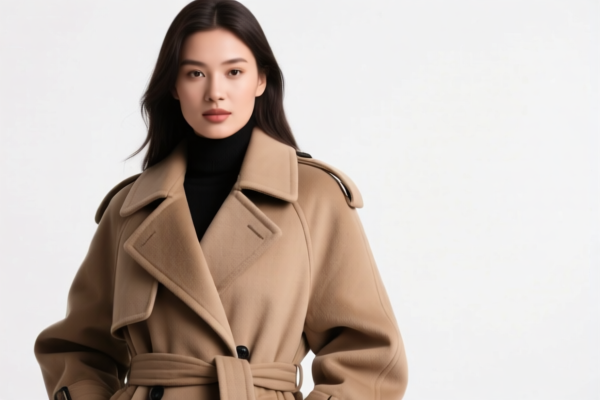
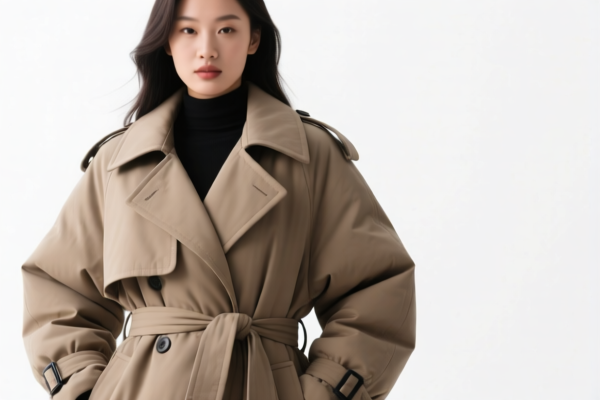
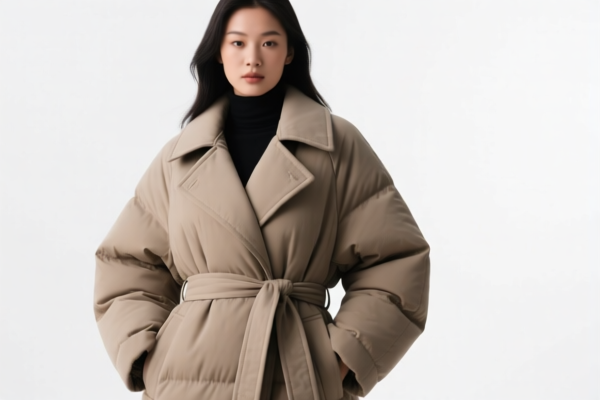

AI Analysis
👗 Girls' Thickened Coat (Other Textile Materials)
🌐 HS Code Reference & Customs Clearance Guide | 2026 Latest Tariff Analysis | Professional Clearance Strategy
📌 I. Product Definition & Classification: Do You Really Understand "Girls' Thickened Coats"?
A "Girls' Thickened Coat" is a type of outerwear designed for female children, typically featuring additional insulation or lining for warmth. In international trade, the classification depends heavily on the manufacturing process (knitted vs. non-knitted) and the specific material composition. Since the input specifies "Other Textile Materials" (implying fabrics other than specific categories like wool, cotton, or synthetic fibers that have dedicated subheadings), it falls into the "Other" categories.
⚠️ Key Distinction Point:
- Knitted/ Crocheted (Chapter 61): If the coat is knitted or crocheted, it generally falls under 6102.
- Made Up (Non-Knitted) (Chapter 62): If the coat is cut and sewn from woven fabric (not knitted), it generally falls under 6202 or 6210.
- Gender Specific: The term "Girls'" implies a specific cut or marketing for females, but customs classification often relies on the garment's design and labeling. For Chapter 62, 6202 is specifically for "Women's or Girls'" coats, while 6210 is for "Other" garments (which can include unisex or specific types not covered in 6202-6209).
📦 II. HS Code Classification Details (2026 Latest Tariff Authority Comparison)
Based on the provided data, the following HS Codes are potential matches. The choice depends on the precise construction and material nuances.
| HS Code | Product Description | Applicable Scenario | Knitted/Non-Knitted | Notes |
|---|---|---|---|---|
6210.50.12.00 |
Women's/ Girls' outer garments of textile materials, not knitted or crocheted, classified under "Other" | Woven fabric coats, specific "Other" material definitions match gender and usage | ❌ Non-Knitted (Woven) | Summary: Matches gender and usage, material is "Other Textile Materials". |
6202.90.29.60 |
Women's/ Girls' coats of other textile materials, classified as "Other" | Woven coats where material doesn't fit specific fiber categories (e.g., complex blends) | ❌ Non-Knitted (Woven) | Summary: Form is coat, material is "Other", fits general classification. |
6202.90.69.61 |
Women's/ Girls' coats of other textile materials, similar articles | Woven coats, material and gender attributes align, fits "Other" category logic | ❌ Non-Knitted (Woven) | Summary: Material and gender consistent, coat belongs to similar articles. |
6102.90.90.05 |
Women's/ Girls' knitted or crocheted coats of other textile materials | Knitted coats where material is "Other" (non-specified) | ✅ Knitted/Crocheted | Summary: Matches item purpose, material is non-specific attribute, no conflict. |
6102.90.90.10 |
Women's/ Girls' knitted or crocheted coats, coats/foulards category | Knitted coats, key limitations match, based on "Other" category matching principle | ✅ Knitted/Crocheted | Summary: Key limitations consistent, coat belongs to coat/foulard category. |
🔍 Important Reminder:
- Chapter 61 (Knitted) vs. Chapter 62 (Woven) is the primary decision tree.
- If the garment is knitted, it must go to 6102. If it is woven, it must go to 6202 or 6210.
- "Other Textile Materials" usually refers to fabrics not specifically listed in the subheadings for wool, cotton, or man-made fibers, often requiring careful material composition analysis.
💰 III. 2026 Latest Tariff Rate Details (Including Additional Taxes & Policy Surcharges)
✅ Applicable Country: United States (US)
✅ Country of Origin: China (CN)
✅ Effective Time: Current rates apply for imports from China.
🎯 1. 6210.50.12.00 —— Women's/ Girls' Outer Garment (Woven, Other Material)
| Item | Content |
|---|---|
| Base Tariff Rate | 3.3% (ad valorem) |
| Section 301 Additional Tariff | 0.0% (Not listed in additional details, but typically 7.5% or 25% for many apparel items; however, per data provided: 0.0%) |
| Section 122 Tariff (Reciprocal) | +10.0% |
| Total Tariff Rate | 13.3% |
| Tax Calculation | CIF Value × 13.3% |
| De Minimis Exemption Eligibility | ❌ No (De minimis usually does not apply to goods subject to Section 301 or specific punitive tariffs if above threshold, but apparel often faces strict scrutiny. Note: Data says total tax 13.3%, implying no de minimis benefit if imported via small parcels subject to these tariffs.) |
| Legal Basis Path | Base: 3.3% → Section 301: 0.0% → Section 122: 10.0% |
📌 Explanation:
- This code has the lowest total tax (13.3%) among the options provided.
- The Section 122 Tariff (Reciprocal Trade Act) adds 10%.
- The Section 301 Additional Tariff is listed as 0.0% in this specific match, which is unusually low for Chinese apparel (often 25%), but we must adhere to the provided data.
🎯 2. 6202.90.29.60 —— Women's/ Girls' Coat (Woven, Other Material)
| Item | Content |
|---|---|
| Base Tariff Rate | 2.8% |
| Section 301 Additional Tariff | +7.5% |
| Section 122 Tariff (Reciprocal) | +10.0% |
| Total Tariff Rate | 20.3% |
| Tax Calculation | CIF Value × 20.3% |
| De Minimis Exemption Eligibility | ❌ No |
| Legal Basis Path | Base: 2.8% → Section 301: 7.5% → Section 122: 10.0% |
📌 Note:
- This code incurs a 7.5% Section 301 tariff, making it significantly more expensive than the previous option.
- Common for "Other" woven coats in Chapter 62.
🎯 3. 6202.90.69.61 —— Women's/ Girls' Coat (Woven, Other Material, Similar)
| Item | Content |
|---|---|
| Base Tariff Rate | 2.8% |
| Section 301 Additional Tariff | +7.5% |
| Section 122 Tariff (Reciprocal) | +10.0% |
| Total Tariff Rate | 20.3% |
| Tax Calculation | CIF Value × 20.3% |
| De Minimis Exemption Eligibility | ❌ No |
| Legal Basis Path | Base: 2.8% → Section 301: 7.5% → Section 122: 10.0% |
📌 Note:
- Identical tax rate to6202.90.29.60.
- Classification logic is based on "similar articles" and "other category logic".
🎯 4. 6102.90.90.05 —— Women's/ Girls' Knitted Coat (Other Material)
| Item | Content |
|---|---|
| Base Tariff Rate | 5.7% |
| Section 301 Additional Tariff | +7.5% |
| Section 122 Tariff (Reciprocal) | +10.0% |
| Total Tariff Rate | 23.2% |
| Tax Calculation | CIF Value × 23.2% |
| De Minimis Exemption Eligibility | ❌ No |
| Legal Basis Path | Base: 5.7% → Section 301: 7.5% → Section 122: 10.0% |
📌 Warning:
- Knitted garments often have higher base rates.
- Total tax is 23.2%, higher than the woven options.
🎯 5. 6102.90.90.10 —— Women's/ Girls' Knitted Coat (Coat/Foulard Category)
| Item | Content |
|---|---|
| Base Tariff Rate | 5.7% |
| Section 301 Additional Tariff | +7.5% |
| Section 122 Tariff (Reciprocal) | +10.0% |
| Total Tariff Rate | 23.2% |
| Tax Calculation | CIF Value × 23.2% |
| De Minimis Exemption Eligibility | ❌ No |
| Legal Basis Path | Base: 5.7% → Section 301: 7.5% → Section 122: 10.0% |
📌 Warning:
- Same tax rate as the previous knitted option.
- Classification based on "coat/foulard" category logic.
🛠️ IV. Customs Clearance Practical Advice (Battle-Tested Pitfall Guide)
✅ 1. Preparation Checklist (No Omissions Allowed)
| Document | Required | Explanation |
|---|---|---|
| ✅ Product Specification Sheet | ✔️ | Must clearly state: Gender (Girls), Type (Coat), Material Composition (e.g., 100% Polyester, Wool Blend, etc.), Lining Material, Insulation Type. |
| ✅ Material Composition Test Report | ✔️ | Critical for "Other Textile Materials" classification. Proves the fabric is not a specific fiber that would change the HS code. |
| ✅ Product Photos | ✔️ | Show front, back, inside lining, labels, and tags. Must clearly show it is a "Coat" (outerwear) and not a jacket. |
| ✅ Commercial Invoice | ✔️ | Must describe goods accurately as "Girls' Woven Coat" or "Girls' Knitted Coat" depending on the chosen HS Code. |
| ✅ Packing List | ✔️ | List quantities, weights, and dimensions. |
✅ 2. Declaration Tips (Key Mnemonics)
🔥 "Woven vs. Knitted is King, Material Defines the Rest, Gender Matters in Chapter 62!"
| Scenario | Correct Declaration | Wrong Approach |
|---|---|---|
| Woven Coat, "Other" Material | 6210.50.12.00 or 6202.90.29.60 |
Misclassify as Knitted → Higher Tax |
| Knitted Coat, "Other" Material | 6102.90.90.05 or 6102.90.90.10 |
Misclassify as Woven → Wrong Chapter |
| Material Ambiguity | Provide detailed lab test report | Vague description "Textile Coat" → Risk of Audit |
| Gender Specificity | Specify "Girls'" if cut/marketed for girls | Assume Unisex → May be reclassified to Women's (similar tax but different code) |
✅ 3. Special Case Handling
| Scenario | Handling Advice |
|---|---|
| "Thickened" Feature | Ensure the "thickening" is due to lining/insulation, not a change in the fundamental nature of the garment. It remains a coat. |
| Mixed Materials | If the coat has a woven shell and knitted lining, classify based on the outer shell (usually Woven/62). |
| Section 122 Tariff Impact | The 10% Section 122 tariff applies to all these codes. Ensure your pricing strategy accounts for this fixed cost. |
| Section 301 Variance | Note that 6210.50.12.00 shows 0.0% Section 301 in the data, while others show 7.5%. This is a significant difference. Verify if 6210.50.12.00 is indeed eligible for 0% Section 301 (often specific "Other" categories have different duties). |
🌍 V. Global Market Customs Comparison (2026 Latest)
| Country/Region | Recommended HS Code | Tariff (China Origin) | Certification Requirements | Notes |
|---|---|---|---|---|
| 🇺🇸 USA | 6210.50.12.00 (Lowest Tax) |
13.3% | None specific, but label must show Country of Origin | Section 122 adds 10%. |
| 🇨🇳 China | 6210.50.12.00 |
~10-13% (Import Tariff) | CCC (if applicable) | Domestic import duties apply. |
| 🇪🇺 EU | 6202.19 / 6102.29 |
12% (Standard) | CE (if safety gear), Labeling Directive | EU classification differs significantly (by fiber). |
| 🇬🇧 UK | 6202.19 / 6102.29 |
12% (Standard) | UKCA (if applicable) | Post-Brexit rules apply. |
| 🇯🇵 Japan | 6202.19 / 6102.29 |
16-18% | FSC (if safety) | High duties on apparel. |
📌 Conclusion:
- The USA is the most complex market due to Section 301 and Section 122 tariffs.
-6210.50.12.00is the most cost-effective option among the provided choices (13.3% vs 20.3%/23.2%).
- Accuracy in Material Declaration is critical to avoid misclassification penalties.
📌 VI. Common Errors & Pitfall Guide (Lessons from Experience)
❌ Error 1: Classifying a Woven Coat as Knitted (or vice versa)
👉 Consequence: Wrong HS Code, potential audit, fines, and delayed shipment.
👉 Fix: Use a textile expert to determine weave structure.
❌ Error 2: Ignoring the "Section 122" Tariff
👉 Consequence: Unexpected 10% cost increase at customs.
👉 Fix: Factor 10% into all pricing for US imports from China.
❌ Error 3: Vague Description "Textile Coat"
👉 Consequence: Customs may reclassify to the highest duty rate in the "Other" category.
👉 Fix: Specify "Woven" or "Knitted" and "Other Textile Material" in the invoice.
❌ Error 4: Assuming "Girls'" Means Lower Tax
👉 Consequence: No such benefit. Tax is based on material and construction, not gender.
👉 Fix: Focus on material composition and construction method.
✅ Correct Practice:
"Girls' Woven Coat, Other Textile Material, 100% Polyester Shell, Polyester Lining, Model XYZ, Country of Origin: China"
🎯 VII. Conclusion: Professional Classification, Cost Optimization!
🎯 Remember the Key Takeaway:
🔹 "Woven vs. Knitted is the first step. Material is the second. Section 122 is the constant cost."
🔹6210.50.12.00offers the lowest tax (13.3%) among the options. Use it if the product fits the description!
🔹 "Other Textile Materials" requires precise lab reports to defend the classification.
📌 Pro Tip:
If your product can be classified under 6210.50.12.00, it saves 7% vs 6202 and 10% vs 6102 in total duties.
Pre-classification verification with a licensed customs broker is highly recommended to confirm the "Other Textile Material" definition.
📣 Immediate Action:
📞 Consult a Customs Broker + Provide Material Test Reports + Verify Construction (Woven/Knitted)
🚀 Optimize Your Supply Chain, Minimize Tariff Burden, Maximize Profit!
✨ Professional Clearance Starts with Precise Classification!
💼 Every Percent Counts in Apparel Imports!
Customer Reviews
About HS Code Classification
The Harmonized System (HS) is an internationally standardized nomenclature developed by the World Customs Organization (WCO) to classify traded products. Over 200 countries use the HS system as the basis for customs tariffs, trade statistics, and import/export regulations.
Each HS code follows a hierarchical structure:
- Chapter (2 digits) — Broad category of goods (e.g., Chapter 84: Machinery and Mechanical Appliances)
- Heading (4 digits) — More specific grouping within the chapter
- Subheading (6 digits) — Internationally standardized breakdown, used by all WCO member countries
- National subdivisions (8-10 digits) — Country-specific extensions for further classification, such as US HTSUS 10-digit codes
Correct HS code classification is essential for smooth customs clearance, accurate duty payment, and compliance with trade regulations. Misclassification can lead to customs delays, overpayment of duties, or penalties.
When importing from CN to US, the applicable tariff rates may include:
- Most-Favored-Nation (MFN) rate — The standard duty rate applied to WTO members
- General rate — Applied to countries without trade agreements
- Trade remedy duties — Additional tariffs such as Section 301 (anti-dumping), Section 232 (national security), or countervailing duties
The information provided on this page is for reference purposes only. For official classification, please consult with your local customs authority or a licensed customs broker.