Plastic Paper Covered Children's Handbags
CN → US| HS Code | Tariff Rate | Origin | Destination | Doc |
|---|---|---|---|---|
| 4202999000 | 55.0% | CN | US | Official Doc |
| 4819400040 | 35.0% | CN | US | Official Doc |
| 4819400020 | 35.0% | CN | US | Official Doc |
| 3923210085 | 38.0% | CN | US | Official Doc |
| 3923210095 | 38.0% | CN | US | Official Doc |
Product Images
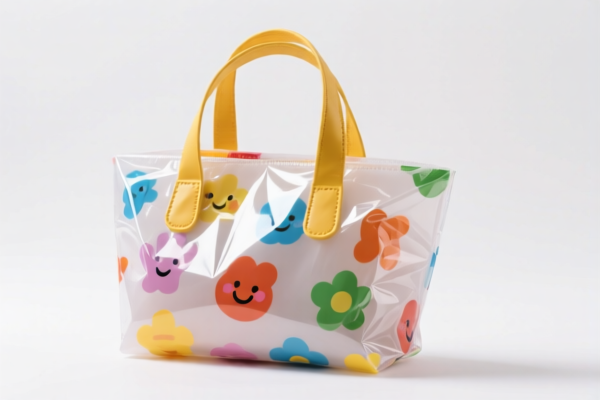
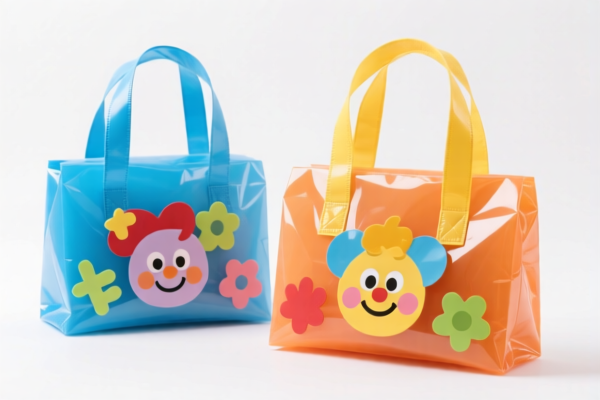
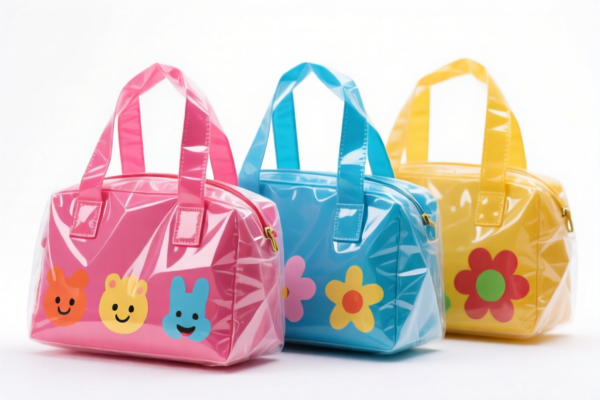
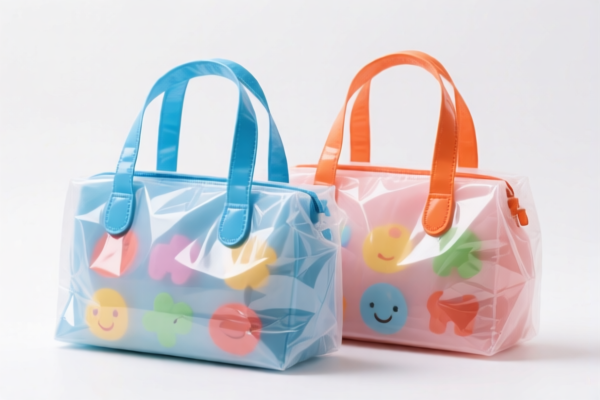
AI Analysis
🛍️ Plastic Paper Covered Children's Handbags
📦 HS Code Reference & Customs Clearance Guide | 2026 Latest Tariff Analysis | Professional Clearance Strategy
📌 I. Product Definition & Classification: What Are "Plastic Paper Covered" Handbags?
Plastic Paper Covered Children's Handbags are a unique hybrid product. They combine the structural integrity of paper with the durability and water resistance of a plastic/laminated coating. In international trade, the classification depends heavily on the primary material perceived by customs authorities and the manufacturing process.
They fall into two main categories: 1. Paper-Based Bags with Plastic Coating: The core is paper/cardboard, coated or laminated with plastic (e.g., PVC, PE). Often classified under Chapter 48 (Paper). 2. Plastic Bags Resembling Paper: Made primarily of plastic films, possibly with paper inserts or printed to look like paper. Often classified under Chapter 39 (Plastics) or Chapter 42 (Articles of Leather/Plastics).
⚠️ Key Distinction:
- If the paper provides the structural strength and the plastic is merely a thin coating → Chapter 48.
- If the plastic is the outer shell or the primary constituent material → Chapter 39 or Chapter 42.
📊 II. HS Code Classification Details (2026 Latest Tariff Authority Comparison)
| HS Code | Product Description | Application Scenario | Primary Material | Tax Rate |
|---|---|---|---|---|
4202.99.90.00 |
Articles of travel, sports, shopping, etc., not elsewhere specified; includes bags with plastic/paper covering | Shopping bags, promotional bags, children's handbags with mixed materials | Plastic/Paper Composite | 55.0% |
4819.40.00.40 |
Other packing containers, of paper or fiberboard, including folded or flat | Paper bags with plastic lining/coating, suitable for carrying goods | Paper (with plastic coating) | 35.0% |
4819.40.00.20 |
Other packing containers, of paper or fiberboard, including folded or flat | Similar to above, often distinguished by specific manufacturing specs or end-use | Paper/Composite | 35.0% |
3923.21.00.85 |
Sacks and bags, for the transport or packing of goods, of polymers of ethylene | Plastic bags, even if printed or designed to look like paper sacks | Plastic (Ethylene Polymers) | 38.0% |
3923.21.00.95 |
Other sacks and bags, of polymers of ethylene | Plastic shopping bags not specified elsewhere | Plastic | 38.0% |
🔍 Key Reminder:
- "Plastic Paper Covered" is a ambiguous term. Customs may classify it as Paper (4819) if the paper is the base, or Plastic (3923/4202) if the plastic film is the dominant outer layer. - Children's Handbags specifically might push classification towards 4202 (Articles of general use) if they are rigid or semi-rigid bags, rather than simple packing sacks.
💰 III. 2026 Latest Tariff Rate Breakdown (Including Surtaxes, Policy Add-ons)
✅ Applicable Country: United States (US)
✅ Country of Origin: China (CN)
✅ Effective Date: November 10, 2025 (and subsequent imports)
🎯 1. 4202.99.90.00 – Articles of Travel, Shopping, etc. (Plastic/Paper Covered)
| Item | Content |
|---|---|
| Base Tariff | 20.0% (ad valorem) |
| USITC Surtax (Section 301) | +25% |
| IEEPA Surtax | +10% (针对中国/香港产品,自2025年11月10日起) |
| Total Tariff Rate | 55.0% |
| Tax Calculation | CIF Value × 55% |
| De Minimis Exemption | ❌ Not Eligible (deny_de_minimis) |
| Legal Basis Path | USITC:4202.99.90.00 → FOOTNOTE:9903.88.01 → IEEPA:9903.01.25 |
📌 Explanation:
- This is the highest tax bracket among the options. - It applies if the bag is considered a "shopping bag" or "general article" made of plastic/laminate. - 55% is a very high tariff. Consider re-classification or supply chain adjustment.
🎯 2. 4819.40.00.40 / 4819.40.00.20 – Paper Packing Containers (Plastic Covered)
| Item | Content |
|---|---|
| Base Tariff | 0.0% |
| USITC Surtax (Section 301) | +25% |
| IEEPA Surtax | +10% |
| Total Tariff Rate | 35.0% |
| Tax Calculation | CIF Value × 35% |
| De Minimis Exemption | ❌ Not Eligible (deny_de_minimis) |
| Legal Basis Path | USITC:4819.40.00.40 → FOOTNOTE:9903.88.01 → IEEPA:9903.01.25 |
📌 Explanation:
- Significantly lower than 4202.99.90.00. - Applies if the product is primarily paper with a plastic coating/lining. - Crucial: You must prove the paper is the main component (structural integrity, weight, thickness).
🎯 3. 3923.21.00.85 / 3923.21.00.95 – Plastic Sacks/Bags (Ethylene Polymers)
| Item | Content |
|---|---|
| Base Tariff | 3.0% |
| USITC Surtax (Section 301) | +25% |
| IEEPA Surtax | +10% |
| Total Tariff Rate | 38.0% |
| Tax Calculation | CIF Value × 38% |
| De Minimis Exemption | ❌ Not Eligible (deny_de_minimis) |
| Legal Basis Path | USITC:3923.21.00.85 → FOOTNOTE:9903.88.01 → IEEPA:9903.01.25 |
📌 Explanation:
- Applies if the bag is primarily plastic, even if it looks like paper or has paper elements. - 38% is moderate, but higher than the paper classification.
🛠️ IV. Customs Clearance Practical Advice (Battle-Tested Pitfall Guide)
✅ 1. Preparation Checklist (All Required)
| Document | Mandatory | Notes |
|---|---|---|
| ✅ Product Specifications | ✔️ | Detailed description of material layers (e.g., "80gsm Paper + 10μm PE Lamination"). |
| ✅ Material Composition Ratio | ✔️ | Weight percentage of paper vs. plastic. Crucial for 4819 vs. 3923/4202. |
| ✅ Product Photos | ✔️ | Clear images of texture, thickness, and handle attachment. |
| ✅ Commercial Invoice | ✔️ | Must accurately describe the product to avoid "Misclassification" flags. |
| ✅ Packing List | ✔️ | Include net weight and gross weight. |
| ✅ Customs Pre-Ruling | ✔️ | Strongly Recommended to confirm HS Code before shipment. |
✅ 2. Declaration Strategy (Key Mnemonic)
🔥 "Paper Core = 4819 (35%), Plastic Shell = 3923/4202 (38-55%)"
| Scenario | Correct HS Code | Risk if Wrong |
|---|---|---|
| Paper bag with thin plastic coating | 4819.40.00.40 / 4819.40.00.20 |
Misclassified as plastic → Higher Tax (38-55%) |
| Plastic bag with paper insert/print | 3923.21.00.85 / 3923.21.00.95 |
Misclassified as paper → Audit/Delay |
| Rigid/Structured Children's Bag | 4202.99.90.00 |
Misclassified as sack → Higher Tax (55%) |
| Simple Plastic Shopping Bag | 3923.21.00.95 |
Misclassified as 4202 → Higher Tax |
📌 Critical Tip:
- If the bag is soft, foldable, and paper-based, push for 4819. - If the bag is stiff, has plastic handles, or is primarily plastic film, it may fall under 4202 or 3923. - "Children's Handbags" often imply a more structured item, which might lean toward 4202 (55% tax). Be careful!
✅ 3. Special Cases & Handling
| Situation | Handling Advice |
|---|---|
| OEM Custom Bags | Provide design files and material specs to justify paper-based classification. |
| Mixed Material Bags | Declare the principal material clearly. If plastic > 50% by weight or function, expect 3923/4202. |
| Promotional Bags | If used for advertising, they may still be classified as shopping bags (4202/4819). |
| Small Quantity (De Minimis) | ❌ Not Eligible for 800 USD de minimis exemption due to Section 301/IEEPA rules. All taxes apply. |
🌍 V. Global Market Comparison (2026 Latest)
| Country/Region | Recommended HS Code | Tariff (China Origin) | Certification Required | Notes |
|---|---|---|---|---|
| 🇺🇸 USA | 4819.40.00.40 |
35.0% | None Specific | Best Rate if paper-based. Avoid 4202 (55%). |
| 🇪🇺 EU | 4819.40 / 3923 |
0% - 4% | CE, REACH | No Section 301 surtax. Much cheaper. |
| 🇨🇳 China | 4819.40 / 3923 |
5% - 10% | CCC (if applicable) | Low tariff, high volume. |
| 🇬🇧 UK | 4819.40 / 3923 |
0% - 5% | UKCA | Post-Brexit rules apply. |
| 🇨🇦 Canada | 4819.40 / 3923 |
5% - 10% | None Specific | CUSMA may apply for non-originating goods. |
📌 Conclusion:
- USA is the most expensive market due to Section 301 and IEEPA tariffs. - Paper-based classification (4819) is the optimal strategy for US imports, saving 17-20% compared to plastic classifications.
📌 VI. Common Errors & Pitfalls (Lessons Learned)
❌ Error 1: Declaring "Plastic Paper Covered Bag" as 4202.99.90.00 without justification.
👉 Consequence: 55% Tax. High cost, potential audit.
❌ Error 2: Declaring a plastic bag as 4819 (Paper) when it's mostly plastic.
👉 Consequence: Customs rejection, fines, delayed shipment, re-classification to 3923 (38%) or 4202 (55%).
❌ Error 3: Ignoring "Children's" aspect.
👉 Consequence: If the bag is marketed specifically for children, it may be seen as a toys/handbag (4202), not a simple packing bag (4819). Be honest with end-use description.
❌ Error 4: Assuming De Minimis applies.
👉 Consequence: Package held at customs. All tariffs must be paid. No exemption for Section 301 goods.
✅ Correct Declaration Example:
"Paper Shopping Bags with Plastic Lamination, for Promotional Use, 80gsm Paper Base, 10μm PE Coating, Model XYZ."
(This emphasizes Paper Base to support 4819 classification.)
🎯 VII. Conclusion: Professional Classification Saves Money!
🎯 Remember the Mnemonic:
🔹 "Paper Core = 4819 (35%) | Plastic Shell = 3923/4202 (38-55%)"
🔹 "Don't Guess, Prove! Material Ratio is Key!"
🔹 "55% Tax is a Killer! Aim for 35% if Possible!"
📌 Pro Tip:
- If your product is >50% paper by weight and paper provides structure, argue for 4819.
- If it's >50% plastic or plastic is the outer protective layer, accept 3923/4202.
- Apply for a Customs Advance Ruling before shipping large volumes to US. It costs money but saves tens of thousands in potential back taxes.
📣 Take Action Now:
📞 Contact a Licensed Customs Broker
📄 Provide Detailed Material Composition Report
🚀 Secure Your HS Code & Optimize Your Tariff Rate!
✨ Professional Customs Clearance Starts with Accurate Classification!
💼 Every Percent Saved is Pure Profit!
Customer Reviews
About HS Code Classification
The Harmonized System (HS) is an internationally standardized nomenclature developed by the World Customs Organization (WCO) to classify traded products. Over 200 countries use the HS system as the basis for customs tariffs, trade statistics, and import/export regulations.
Each HS code follows a hierarchical structure:
- Chapter (2 digits) — Broad category of goods (e.g., Chapter 84: Machinery and Mechanical Appliances)
- Heading (4 digits) — More specific grouping within the chapter
- Subheading (6 digits) — Internationally standardized breakdown, used by all WCO member countries
- National subdivisions (8-10 digits) — Country-specific extensions for further classification, such as US HTSUS 10-digit codes
Correct HS code classification is essential for smooth customs clearance, accurate duty payment, and compliance with trade regulations. Misclassification can lead to customs delays, overpayment of duties, or penalties.
When importing from CN to US, the applicable tariff rates may include:
- Most-Favored-Nation (MFN) rate — The standard duty rate applied to WTO members
- General rate — Applied to countries without trade agreements
- Trade remedy duties — Additional tariffs such as Section 301 (anti-dumping), Section 232 (national security), or countervailing duties
The information provided on this page is for reference purposes only. For official classification, please consult with your local customs authority or a licensed customs broker.