Plastic coated men's/boys' cleaning work clothes
CN → US| HS Code | Tariff Rate | Origin | Destination | Doc |
|---|---|---|---|---|
| 6113001005 | 21.3% | CN | US | Official Doc |
| 6210403500 | 13.8% | CN | US | Official Doc |
| 6210407500 | 20.8% | CN | US | Official Doc |
| 6203499010 | 20.3% | CN | US | Official Doc |
| 6203499045 | 20.3% | CN | US | Official Doc |
Product Images
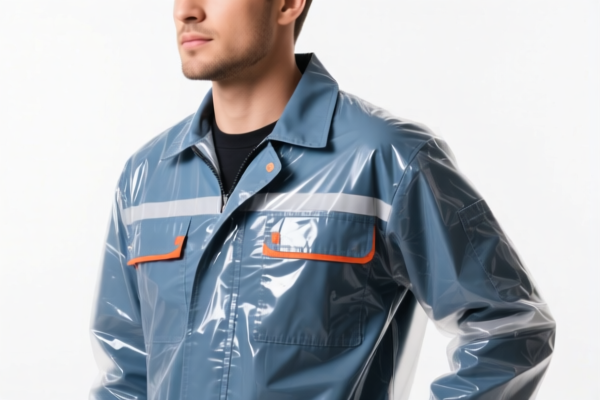
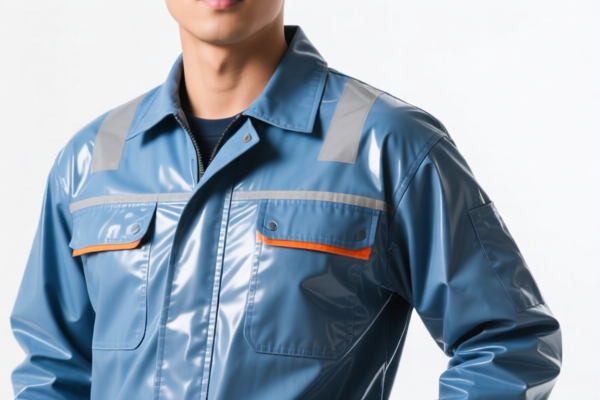
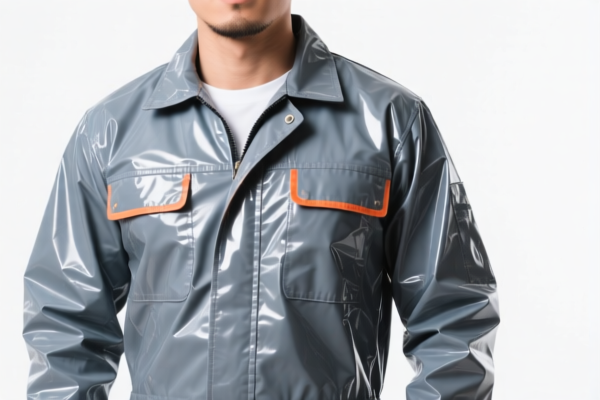

AI Analysis
👕 Plastic Coated Men's/Boys' Cleaning Work Clothes
🌐 HS Code Reference & Clearance Guide | 2026 Latest Tariff Analysis | Professional Compliance Strategy
📌 1. Product Definition & Classification: Do You Really Understand "Plastic Coated Workwear"?
Plastic-coated men's and boys' cleaning work clothes are specialized protective garments designed for industrial, commercial, or household cleaning environments. In international trade, these garments are classified based on material composition, manufacturing structure, and specific coverage characteristics.
The key distinction lies in whether the plastic coating is the primary outer layer (defining the garment as a "coated fabric" item) or if it serves as a treatment on a textile base (defining it as a "textile garment with plastic treatment"). This distinction significantly impacts the HS Code classification and the resulting tariff rates.
⚠️ Critical Distinction Points:
- If the outer surface is fully coated with plastic, forming a distinct layer over the fabric → Often classified under 6113.00.10.05 or 6210.40.35.00 depending on knit vs. woven.
- If the garment is a coverall, bib-and-brace, or suit where the plastic coating is integral to the textile base → Classified under 6210.40.75.00, 6203.49.90.10, or 6203.49.90.45.
- Knitted vs. Woven: Garments made from knitted fabrics generally fall under Chapter 61, while woven fabrics fall under Chapter 62.
📦 2. HS Code Classification Details (2026 Latest Tariff Authoritative Comparison)
| HS Code | Product Description | Application Scenario | Total Tax Rate | Tax Breakdown |
|---|---|---|---|---|
6113.00.10.05 |
Men's/Boys' Plastic-Coated Workwear, falling within the category of coats/jackets, material coated with plastic | Knitted outerwear, rain jackets, light protection coats | 21.3% | Base: 3.8%, Additional: 7.5%, Section 301: 10% |
6210.40.35.00 |
Men's/Boys' Plastic-Coated Workwear, outer layer coated with plastic material, base inferred as textile material | Woven workwear with plastic coating, standard protective garments | 13.8% | Base: 3.8%, Additional: 0.0%, Section 301: 10% |
6210.40.75.00 |
Men's/Boys' Plastic-Coated Workwear, outer layer coated with plastic and covering the underlying fabric | Woven coveralls, heavy-duty protective suits, full-coverage workwear | 20.8% | Base: 3.3%, Additional: 7.5%, Section 301: 10% |
6203.49.90.10 |
Men's/Boys' Plastic-Coated Workwear, fitting the category of bib-and-brace overalls/suits, base is textile material | Overalls, coveralls, suits designed for cleaning/work | 20.3% | Base: 2.8%, Additional: 7.5%, Section 301: 10% |
6203.49.90.45 |
Men's/Boys' Plastic-Coated Workwear, material is other textile materials (non-cotton, non-wool) | Workwear made from synthetic textiles (polyester, nylon, etc.) | 20.3% | Base: 2.8%, Additional: 7.5%, Section 301: 10% |
🔍 Key Reminder:
- Chapter 61 vs. Chapter 62: Knitted plastic-coated garments go to 6113.00.10.05. Woven garments go to 6210 or 6203 series.
- Section 301 Tariff (10%): Applies to all these codes for Chinese-origin goods.
- Base Tariff Variation: Depends on specific weave, knit, and garment type (jacket vs. coverall vs. suit).
💰 3. 2026 Latest Tariff Rate Details (Including Additional Taxes, Policy Add-ons)
✅ Applicable Country: United States (US)
✅ Country of Origin: China (CN)
✅ Effective Date: From November 10, 2025 (including subsequent imports)
🎯 1. 6113.00.10.05 —— Knitted Plastic-Coated Workwear (Coats/Jackets)
| Item | Content |
|---|---|
| Base Tariff | 3.8% (ad valorem) |
| USITC Additional Tariff (Section 301) | +7.5% |
| IEEPA Additional Tariff | +10% (China/HK origin) |
| Total Tariff Rate | 21.3% |
| Tax Calculation | CIF Value × 21.3% |
| De Minimis Exemption Eligibility | ❌ No (deny_de_minimis) |
| Legal Basis Path | USITC:6113.00.10.05 → FOOTNOTE:301 → IEEPA:9903.01.24 |
📌 Explanation:
- The 7.5% additional tariff is part of the Section 301 list for specific textile categories.
- The 10% IEEPA tariff is applied to all Chinese-origin textiles and apparel.
- Total 21.3% is a moderate-to-high rate, requiring careful cost planning.
🎯 2. 6210.40.35.00 —— Woven Plastic-Coated Workwear (Standard Protective)
| Item | Content |
|---|---|
| Base Tariff | 3.8% |
| USITC Additional Tariff (Section 301) | 0.0% (Exempt from Additional) |
| IEEPA Additional Tariff | +10% |
| Total Tariff Rate | 13.8% |
| Tax Calculation | CIF Value × 13.8% |
| De Minimis Exemption Eligibility | ❌ No (deny_de_minimis) |
| Legal Basis Path | USITC:6210.40.35.00 → IEEPA:9903.01.24 |
📌 Note:
- This code has the lowest total tariff (13.8%) because it is exempt from the 7.5% Section 301 additional tariff.
- Ideal for standard woven plastic-coated work clothes where the base is inferred as textile.
- Savings Alert: Choosing this classification can save 7.5% compared to similar codes.
🎯 3. 6210.40.75.00 —— Woven Plastic-Coated Coveralls/Suits
| Item | Content |
|---|---|
| Base Tariff | 3.3% |
| USITC Additional Tariff (Section 301) | +7.5% |
| IEEPA Additional Tariff | +10% |
| Total Tariff Rate | 20.8% |
| Tax Calculation | CIF Value × 20.8% |
| De Minimis Exemption Eligibility | ❌ No (deny_de_minimis) |
| Legal Basis Path | USITC:6210.40.75.00 → FOOTNOTE:301 → IEEPA:9903.01.24 |
📌 Note:
- Applies to garments where the plastic coating covers the underlying fabric extensively (e.g., coveralls).
- Base tariff is lower (3.3%), but the 7.5% additional tariff pushes the total to 20.8%.
🎯 4. 6203.49.90.10 & 6203.49.90.45 —— Bib-and-Brace Overalls/Suits (Other Textiles)
| Item | Content |
|---|---|
| Base Tariff | 2.8% |
| USITC Additional Tariff (Section 301) | +7.5% |
| IEEPA Additional Tariff | +10% |
| Total Tariff Rate | 20.3% |
| Tax Calculation | CIF Value × 20.3% |
| De Minimis Exemption Eligibility | ❌ No (deny_de_minimis) |
| Legal Basis Path | USITC:6203.49.90.10/45 → FOOTNOTE:301 → IEEPA:9903.01.24 |
📌 Note:
-6203.49.90.10: Specific to bib-and-brace overalls/suits.
-6203.49.90.45: For other textile materials (non-cotton, non-wool).
- Both have the same total rate (20.3%).
- Suitable for workwear designed as coveralls or suits where the plastic coating is integrated into the textile structure.
🛠️ 4. Customs Clearance Practical Advice (On-the-Ground Pitfall Avoidance Guide)
✅ 1. Documentation Checklist (Mandatory)
| Document | Required | Notes |
|---|---|---|
| ✅ Product Specification Sheet | ✔️ | Must specify: Material (Knitted/Woven), Coating Type (Plastic/PVC/PU), Garment Type (Coat/Coverall/Suit) |
| ✅ Material Composition Certificate | ✔️ | Must confirm: % of plastic, % of textile base, fiber type (e.g., 100% Polyester with PVC coating) |
| ✅ Product Photos (Front/Back/Detail) | ✔️ | Show the coating texture, seams, and any labels |
| ✅ Commercial Invoice | ✔️ | Clearly state: "Plastic Coated Men's Workwear, HS Code [XXXX]" |
| ✅ Packing List | ✔️ | Ensure no mixed HS codes in one shipment |
| ✅ Origin Certificate (CO) | ✔️ | Required for IEEPA tariff application |
| ✅ Test Report (Optional but Recommended) | ✔️ | Coating adhesion, durability, safety standards |
✅ 2. Declaration Tips (Key Mantra)
🔥 “Coating Defines Layer, Base Defines Chapter, Section 301 is Always On!”
| Situation | Correct Declaration | Incorrect Practice |
|---|---|---|
| Knitted plastic-coated jacket | 6113.00.10.05 |
Misdeclare as woven → 6210 |
| Woven plastic-coated work shirt | 6210.40.35.00 |
Misdeclare as coat → 6210.40.75 |
| Full plastic-coated coverall | 6210.40.75.00 |
Misdeclare as general textile → Higher Base + 7.5% |
| Bib-and-brace overalls | 6203.49.90.10 |
Misdeclare as suit → Same rate, but wrong description |
| Non-cotton/non-wool workwear | 6203.49.90.45 |
Misdeclare as cotton → Wrong base tariff |
📌 Critical Reminder:
- Always include "Plastic Coated" in the product description to justify the HS Code.
- Do not omit the Section 301 additional tariff in your cost calculation; it is mandatory for Chinese origin.
- De Minimis Exemption: All these items are NOT eligible for de minimis (Section 321) exemption for China. Full declaration required.
🌍 5. Global Market Clearance Comparison (2026 Latest)
| Country/Region | Recommended HS Code | Total Tariff (China Origin) | Certification Requirements | Notes |
|---|---|---|---|---|
| 🇺🇸 USA | 6210.40.35.00 |
13.8% (Lowest) | None specific | Best for cost savings |
| 🇨🇳 China | 6210.40.35.00 |
~5-10% (Varies) | CCC (if applicable) | Domestic trade rules apply |
| 🇪🇺 EU | 6210.40.35.00 |
0-4% (If eligible) | REACH, CE | No Section 301 |
| 🇬🇧 UK | 6210.40.35.00 |
0-4% | UKCA | Post-Brexit rules |
| 🇯🇵 Japan | 6210.40.35.00 |
0-10% | PSE (if electrical parts) | No additional tariffs |
📌 Conclusion:
- USA imposes Section 301 tariffs on all these codes.
-6210.40.35.00is the most cost-effective for US imports due to 0% Section 301 additional tariff.
- Other markets do not apply Section 301, so tariffs are generally lower.
📌 6. Common Errors & Pitfalls (Blood & Tears Lessons)
❌ Error 1: Declaring plastic-coated workwear as general textiles (e.g., 6211.43)
👉 Consequence: Customs reclassification → Higher base tariff + 7.5% additional + 10% IEEPA → 20%+ tax + penalties.
❌ Error 2: Ignoring the Section 301 Additional Tariff (7.5%) in cost calculation
👉 Consequence: Unexpected cost surge → Profit margin erosion.
❌ Error 3: Failing to specify "Plastic Coated" in the invoice
👉 Consequence: Customs doubts the HS Code → Delays, inspections, potential seizure.
❌ Error 4: Mixing knitted and woven items in one shipment with different HS Codes
👉 Consequence: Customs rejection → Reshipment or destruction.
✅ Correct Practice:
"Men's Plastic-Coated Woven Workwear, 100% Polyester with PVC Coating, Waterproof, Industrial Grade, Model XYZ, HS Code 6210.40.35.00"
🎯 7. Conclusion: Professional Declaration, Save Time, Reduce Costs!
🎯 Remember the Mantra:
🔹 "Coating + Base = HS Code, Section 301 is Mandatory, De Minimis is Denied!"
🔹 "Choose 6210.40.35.00 to Save 7.5%, Declare Clearly to Avoid Delays!"
📌 Pro Tip:
If your workwear is originally manufactured in Vietnam, Mexico, or Thailand, you may be eligible for IEEPA Exemption or Lower Section 301 Rates.
Recommendation: Apply for Advance Ruling with US Customs and Border Protection (CBP) to confirm the HS Code and tariff rate before shipment.
📣 Immediate Action:
📞 Contact a professional customs broker + Provide product specs + Apply for HS Code Advance Ruling
🚀 Let your workwear pass customs smoothly, boost efficiency, and maximize profits!
✨ Professional Clearance Starts with Precise Classification!
💼 Every cent of your cost deserves to be calculated accurately!
Customer Reviews
About HS Code Classification
The Harmonized System (HS) is an internationally standardized nomenclature developed by the World Customs Organization (WCO) to classify traded products. Over 200 countries use the HS system as the basis for customs tariffs, trade statistics, and import/export regulations.
Each HS code follows a hierarchical structure:
- Chapter (2 digits) — Broad category of goods (e.g., Chapter 84: Machinery and Mechanical Appliances)
- Heading (4 digits) — More specific grouping within the chapter
- Subheading (6 digits) — Internationally standardized breakdown, used by all WCO member countries
- National subdivisions (8-10 digits) — Country-specific extensions for further classification, such as US HTSUS 10-digit codes
Correct HS code classification is essential for smooth customs clearance, accurate duty payment, and compliance with trade regulations. Misclassification can lead to customs delays, overpayment of duties, or penalties.
When importing from CN to US, the applicable tariff rates may include:
- Most-Favored-Nation (MFN) rate — The standard duty rate applied to WTO members
- General rate — Applied to countries without trade agreements
- Trade remedy duties — Additional tariffs such as Section 301 (anti-dumping), Section 232 (national security), or countervailing duties
The information provided on this page is for reference purposes only. For official classification, please consult with your local customs authority or a licensed customs broker.