Plastic coated men's/boys' raincoat
CN → US| HS Code | Tariff Rate | Origin | Destination | Doc |
|---|---|---|---|---|
| 3926206000 | 35.0% | CN | US | Official Doc |
| 6113009015 | 24.6% | CN | US | Official Doc |
| 6210207000 | 13.3% | CN | US | Official Doc |
| 6113001005 | 21.3% | CN | US | Official Doc |
| 6210203000 | 13.8% | CN | US | Official Doc |
Product Images
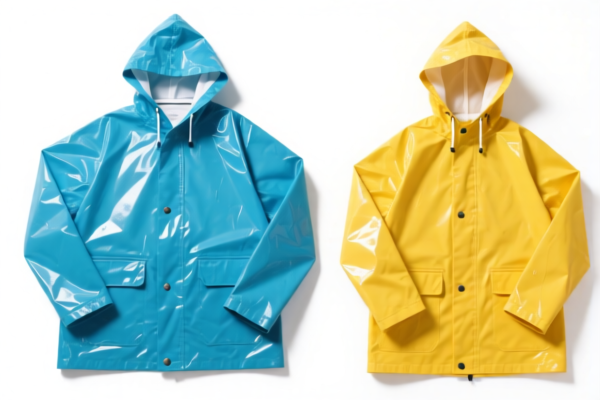
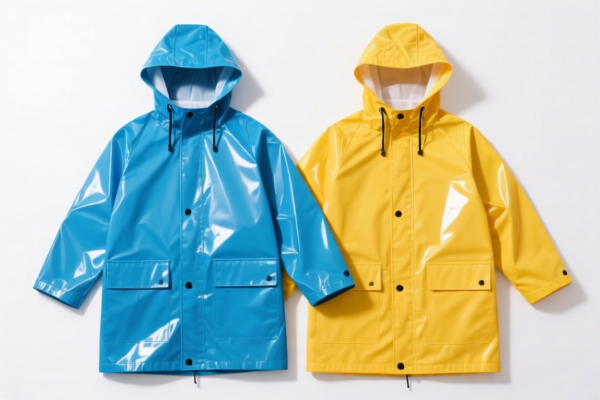
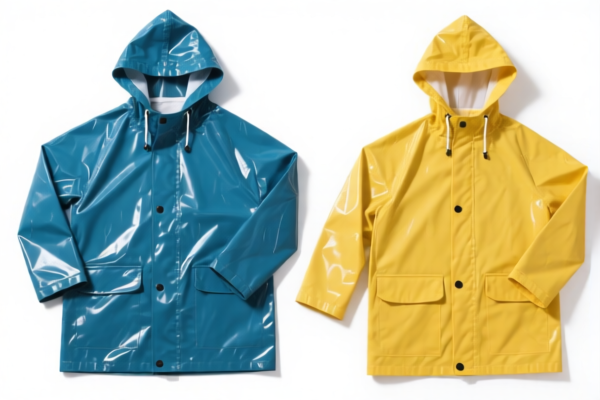
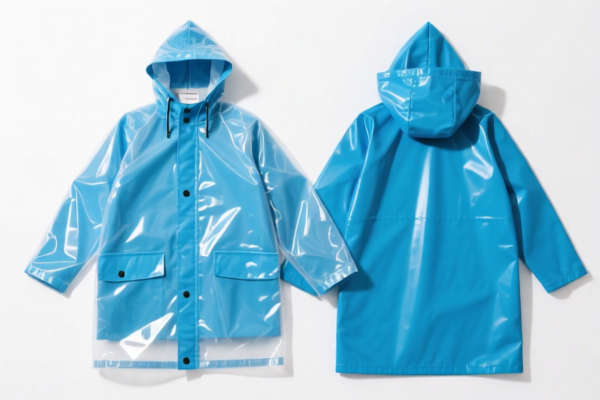
AI Analysis
🌧️ Plastic Coated Men’s/Boys’ Raincoat (塑料涂层男式/童子式雨衣)
🌐 HS Code Reference & Customs Clearance Guide | 2026 Latest Tariff Analysis | Professional Customs Strategy
📌 I. Product Definition & Classification: Do You Really Understand "Raincoats"?
A "Plastic Coated Men’s/Boys’ Raincoat" is a protective garment designed to repel water through a plastic surface layer. In international trade, classification is critical and depends heavily on the underlying fabric material and the specific coating method. Misclassification can lead to significant duty differences (from 13.3% to 35.0%).
Two Main Categories: 1. General Plastic Raincoats (Chapter 39): If the item is essentially a plastic sheet or garment with minor textile reinforcement, it may fall under Chapter 39. 2. Textile Raincoats with Plastic Coating (Chapters 61 & 62): If the item is made of woven/knitted fabric coated with plastic, it falls under Chapter 61 (Knitted/ Crocheted) or Chapter 62 (Non-Knitted/Woven).
⚠️ Key Distinction Point:
- Is the base material knitted/crocheted? → Look at HS Code 6113
- Is the base material woven/non-knitted? → Look at HS Code 6210
- Is it considered purely plastic goods regardless of fabric? → Look at HS Code 3926
📦 II. HS Code Classification Details (2026 Latest Tariff Authority Match)
Based on your specific product description ("Plastic coated men's/boys' raincoat"), here are the precise HS Codes from the provided data:
| HS Code | Product Description | Base Material Type | Key Characteristics |
|---|---|---|---|
3926.20.60.00 |
Plastic-coated raincoat, meets the definition of plastic material raincoat | General Plastic/Plastic Goods | Treated as a plastic article, not specifically textile-based. |
6113.00.90.15 |
Men's/Boys' Plastic-Coated Raincoat, consistent usage and target audience | Knitted/Crocheted Fabric | Base fabric is knitted/crocheted (e.g., jersey, knit mesh) with plastic coating. |
6210.20.70.00 |
Men's/Boys' Raincoat with exterior surface coated with plastic materials | Woven Fabric (Other) | Base fabric is woven (e.g., cotton, polyester, nylon) but not specified as artificial fiber in this specific subheading. |
6113.00.10.05 |
Men’s or Boys’ Raincoat processed with plastic coating | Knitted/Crocheted Fabric | Specific knitted raincoat category. |
6210.20.30.00 |
Men's/Boys' Raincoat with exterior surface coated with plastic materials | Woven Fabric (Artificial Fiber) | Base fabric is explicitly inferred as man-made fibers (synthetic). |
🔍 Critical Reminder:
- Knitted (61xx) vs. Woven (62xx) is the primary splitter.
- Artificial Fiber (6210.20.30) vs. Other (6210.20.70) affects the base duty rate.
- General Plastic (3926) is often a fallback if the plastic content is so high it loses textile character, but usually, coated textiles remain in Chapters 61/62.
💰 III. 2026 Latest Tariff Rate Breakdown (Including Surcharges & Policy Add-ons)
✅ Applicable Country: United States (US)
✅ Origin: China (CN)
✅ Effective Date: 2025/2026 Current Rates
🎯 1. 3926.20.60.00 – General Plastic-Coated Raincoat
| Item | Content |
|---|---|
| Base Duty | 0.0% |
| Section 301 Surcharge | 25.0% |
| Section 122 Tariff | 10.0% |
| Total Rate | 35.0% |
| Tax Calculation | CIF Value × 35.0% |
| Legal Path | Section 301: 25% + Section 122: 10% |
📌 Explanation:
- This category has the highest total tax rate (35%).
- It avoids the base tariff (0%) but carries full Section 301 (25%) and Section 122 (10%) penalties.
- Risk: High. Often flagged as "Plastic Goods" if not clearly defined as textile.
🎯 2. 6113.00.90.15 – Knitted Men's/Boys' Raincoat
| Item | Content |
|---|---|
| Base Duty | 7.1% |
| Section 301 Surcharge | 7.5% |
| Section 122 Tariff | 10.0% |
| Total Rate | 24.6% |
| Tax Calculation | CIF Value × 24.6% |
| Legal Path | Base: 7.1% + Section 301: 7.5% + Section 122: 10% |
📌 Note:
- Applies to knitted raincoats.
- Base duty is higher (7.1%), but the Section 301 surcharge is lower (7.5%) compared to general plastic.
- Moderate-High Risk. Ensure the fabric is clearly declared as "Knitted/Crocheted."
🎯 3. 6210.20.70.00 – Woven Men's/Boys' Raincoat (Non-Synthetic/Other)
| Item | Content |
|---|---|
| Base Duty | 3.3% |
| Section 301 Surcharge | 0.0% |
| Section 122 Tariff | 10.0% |
| Total Rate | 13.3% |
| Tax Calculation | CIF Value × 13.3% |
| Legal Path | Base: 3.3% + Section 122: 10% |
📌 Best Value Option (if applicable):
- Lowest Total Rate (13.3%).
- Section 301 is 0%, which is a major advantage.
- Only applies if the woven fabric is NOT made of artificial fibers (or if a specific exemption applies).
- Action: Verify if the fabric is cotton, wool, or natural fiber to qualify.
🎯 4. 6113.00.10.05 – Specific Knitted Raincoat
| Item | Content |
|---|---|
| Base Duty | 3.8% |
| Section 301 Surcharge | 7.5% |
| Section 122 Tariff | 10.0% |
| Total Rate | 21.3% |
| Tax Calculation | CIF Value × 21.3% |
| Legal Path | Base: 3.8% + Section 301: 7.5% + Section 122: 10% |
📌 Note:
- Similar to6113.00.90.15but with a lower base duty (3.8% vs 7.1%).
- Use this if the product fits this specific subheading description.
🎯 5. 6210.20.30.00 – Woven Men's/Boys' Raincoat (Artificial Fiber)
| Item | Content |
|---|---|
| Base Duty | 3.8% |
| Section 301 Surcharge | 0.0% |
| Section 122 Tariff | 10.0% |
| Total Rate | 13.8% |
| Tax Calculation | CIF Value × 13.8% |
| Legal Path | Base: 3.8% + Section 122: 10% |
📌 Best Value Option (if Synthetic):
- Lowest Total Rate (13.8%).
- Section 301 is 0%, saving you 7.5-25% in surcharges.
- Crucial: This code is for artificial/man-made fibers (polyester, nylon, etc.). If your raincoat is polyester, this is likely your best code.
- Note: Slightly higher than6210.20.70.00(13.3%) due to 0.5% base difference, but both are excellent compared to others.
🛠️ IV. Customs Clearance Practical Advice (Battle-Tested Pitfall Guide)
✅ 1. Documentation Checklist (Missing Any = Delay)
| Document | Mandatory? | Description |
|---|---|---|
| ✅ Product Specification Sheet | ✔️ | Must state: "Raincoat," "Plastic Coated," "Men's/Boys'," and Fabric Composition (e.g., 100% Polyester). |
| ✅ Fabric Composition Label | ✔️ | Clear photo of the hangtag showing knit/woven type and fiber content. |
| ✅ Product Photos | ✔️ | Front, back, and cross-section (if possible) to prove coating vs. solid plastic. |
| ✅ Commercial Invoice | ✔️ | Description: "Men's/Woven Polyester Raincoat, Plastic Coated." Avoid generic "Plastic Garment." |
| ✅ Packing List | ✔️ | Details carton dimensions and weight. |
| ✅ Certificate of Origin (CO) | ✔️ | Required for Section 301/122 verification. |
✅ 2. Declaration Strategy (Key Mantra)
🔥 "Fabric Type Determines Code, Section 301 Depends on Material, Section 122 is Always On!"
| Scenario | Correct Declaration | Incorrect Declaration | Result |
|---|---|---|---|
| Polyester/Woven Raincoat | 6210.20.30.00 (13.8%) |
3926.20.60.00 (35.0%) |
❌ Overpaid ~21% duties! |
| Cotton/Woven Raincoat | 6210.20.70.00 (13.3%) |
6113.00.10.05 (21.3%) |
❌ Overpaid ~8% duties! |
| Knitted Raincoat | 6113.00.90.15 or 6113.00.10.05 |
3926.20.60.00 |
❌ Overpaid ~10-13% duties! |
| General Plastic Sheet | 3926.20.60.00 (35.0%) |
6210.20.30.00 |
⚠️ Risk of Rejection if not clearly plastic. |
📌 Pro Tip:
- Section 301 (25% or 7.5%) is the biggest variable.
- Sections 301 is 0% for6210codes (in this data set).
- Therefore, if possible, classify as6210(Woven) to save on Section 301.
- Confirm if your product is "Woven" (most raincoats are woven nylon/polyester) vs. "Knitted."
✅ 3. Special Handling
| Situation | Advice |
|---|---|
| Mixed Fabric | If the raincoat has knitted lining and woven outer shell, classify based on the outer shell material (usually woven for raincoats). |
| Plastic Lining | Does not change classification if the outer is textile. |
| Brand Name | Include brand name in description to avoid "Generic" flagging. |
| Samples | For samples, still declare full value; de minimis rules may not apply to China-origin goods under Section 122/301. |
🌍 V. Global Market Comparison (2026 Latest)
| Country/Region | Recommended HS Code | Duty Rate | Certification | Notes |
|---|---|---|---|---|
| 🇺🇸 USA | 6210.20.30.00 |
13.8% | FDA/CPSC (if for kids) | Best Rate for synthetic woven. |
| 🇪🇺 EU | 6210.20.90 |
~12% | CE/REACH | No Section 301/122. |
| 🇨🇳 China | 6210.20.30 |
0% | CCC (if applicable) | Low base duty. |
| 🇬🇧 UK | 6210.20.90 |
~12% | UKCA | Post-Brexit alignment. |
📌 Conclusion:
- US Market is the most complex due to Section 301 and 122.
- Optimal Strategy: Classify as6210.20.30.00(Woven, Artificial Fiber) to achieve the lowest effective rate (13.8%).
- Avoid3926unless you are sure it's not a textile.
📌 VI. Common Mistakes & Pitfalls (Blood Lessons)
❌ Mistake 1: Classifying all plastic-coated items as 3926
👉 Result: 35% tax. Loss: ~21% extra cost.
👉 Fix: Check if base fabric is woven/textile. Use 6210.
❌ Mistake 2: Ignoring Knitted vs. Woven
👉 Result: Misclassification audit.
👉 Fix: Provide fabric test report or detailed composition.
❌ Mistake 3: Assuming "Raincoat" means one code
👉 Result: Random HS Code assignment by customs.
👉 Fix: Be specific: "Men's Woven Polyester Raincoat, Plastic Coated."
✅ Correct Declaration Example:
"Men's Raincoat, Woven 100% Polyester, Plastic Coated Exterior, Water Resistant, Model XYZ, for Outdoor Use."
🎯 VII. Conclusion: Professional Declaration, Save Money!
🎯 Remember the Mantra:
🔹 "Woven Synthetic? Use 6210! (13.8%)"
🔹 "Knitted? Use 6113! (21-25%)"
🔹 "Pure Plastic? Use 3926! (35%)"
🔹 "Save 20% by getting the fabric right!"
📌 Pro Tip:
- If your raincoat is 100% Polyester or Nylon (Artificial Fiber), insist on 6210.20.30.00.
- If it's Cotton or Wool, use 6210.20.70.00.
- Always verify fabric composition before shipping.
📣 Immediate Action:
📞 Provide fabric sample + composition test report to your freight forwarder.
🚀 Target HS Code:6210.20.30.00for lowest US duty.
📉 Potential Savings: Up to 21.2% compared to misclassification.
✨ Professional Customs Clearance Starts with Accurate Classification!
💼 Every Percent Saved is Pure Profit!
Customer Reviews
About HS Code Classification
The Harmonized System (HS) is an internationally standardized nomenclature developed by the World Customs Organization (WCO) to classify traded products. Over 200 countries use the HS system as the basis for customs tariffs, trade statistics, and import/export regulations.
Each HS code follows a hierarchical structure:
- Chapter (2 digits) — Broad category of goods (e.g., Chapter 84: Machinery and Mechanical Appliances)
- Heading (4 digits) — More specific grouping within the chapter
- Subheading (6 digits) — Internationally standardized breakdown, used by all WCO member countries
- National subdivisions (8-10 digits) — Country-specific extensions for further classification, such as US HTSUS 10-digit codes
Correct HS code classification is essential for smooth customs clearance, accurate duty payment, and compliance with trade regulations. Misclassification can lead to customs delays, overpayment of duties, or penalties.
When importing from CN to US, the applicable tariff rates may include:
- Most-Favored-Nation (MFN) rate — The standard duty rate applied to WTO members
- General rate — Applied to countries without trade agreements
- Trade remedy duties — Additional tariffs such as Section 301 (anti-dumping), Section 232 (national security), or countervailing duties
The information provided on this page is for reference purposes only. For official classification, please consult with your local customs authority or a licensed customs broker.