Polyester Children's Lunch Bag
CN → US| HS Code | Tariff Rate | Origin | Destination | Doc |
|---|---|---|---|---|
| 3923290000 | 38.0% | CN | US | Official Doc |
| 3926903300 | 16.5% | CN | US | Official Doc |
| 3926901000 | 20.9% | CN | US | Official Doc |
| 4202920809 | 42.0% | CN | US | Official Doc |
| 4202920807 | 42.0% | CN | US | Official Doc |
Product Images
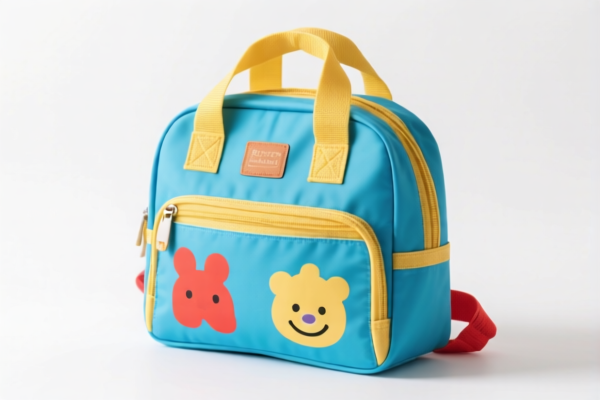
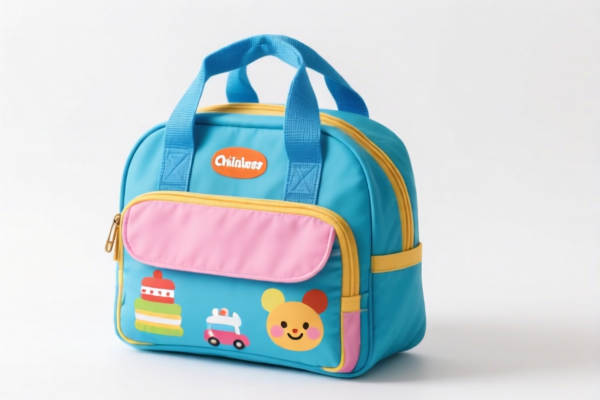
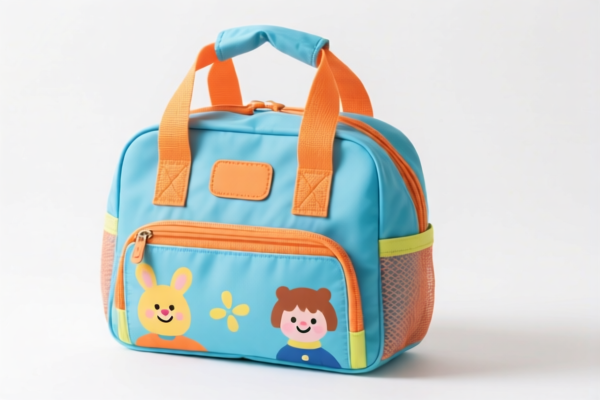
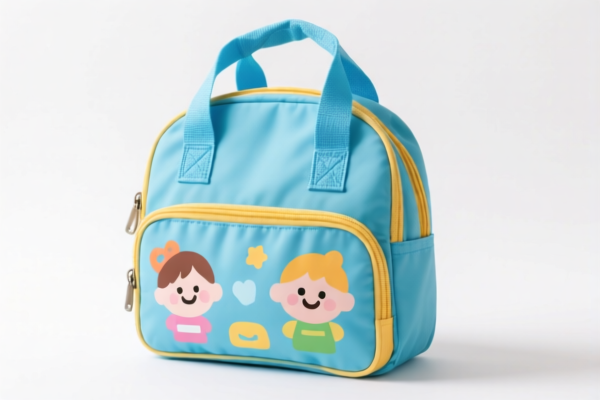
AI Analysis
🎒 Polyester Children's Lunch Bag (Insulated Food Carrier)
🌐 HS Code Reference & Customs Clearance Guide | 2026 Latest Tariff Analysis | Professional Clearance Strategy
📌 I. Product Definition & Classification: Is it a "Bag" or a "Container"?
A Polyester Children's Lunch Bag is a specialized food carrier designed for children, typically featuring insulation materials, zippers, and often cartoon graphics or ergonomic straps. In international trade, its classification hinges on two critical factors:
1. Material Composition: Is it primarily plastic (polymer) or textile (synthetic/vegetable fibers)?
2. Structure & Function: Is it a simple flexible container (bag) or a rigid/semi-rigid container?
⚠️ Key Distinction Point:
- If the bag is made of woven synthetic fibers (polyester) with lining, it falls under Chapter 42 (Articles of leather, travel goods, handbags).
- If the bag is made of plastic sheets/film (even if it has a polyester lining, the outer shell defines it), it falls under Chapter 39 (Plastics and articles thereof).
- Misclassification is common: Many importers mistakenly classify textile-lined lunch bags as "Plastic Bags" or vice versa, leading to severe tariff penalties.
📦 II. HS Code Classification Details (2026 Latest Tariff Authority Cross-Reference)
| HS Code | Product Description | Application Scenario | Material/Structure Key |
|---|---|---|---|
3923.29.00.00 |
Plastic sachets, bags, pouches, including those of plastics and materials classified under subheading 3901 to 3914, other than those of subheading 3923.10 | Plastic Outer Shell: Non-woven polypropylene (PP) or PE films with polyester lining. "Bag"形态 (Pouch/Sachet). | ✅ Outer: Plastic ✅ Lining: Polyester |
3926.90.33.00 |
Other articles of plastic: Other | Plastic/Synthetic Resin: General plastic articles not specified elsewhere. Often used for rigid or semi-rigid plastic lunch boxes/bags with synthetic components. | ✅ Material: Plastic/Synthetic Resin ✅ Category: Other |
3926.90.10.00 |
Plastic articles: Polyester plastic articles: Finished bags | Polyester Plastic: Specifically "Finished Bags" made of polyester plastic materials. This is a niche code for rigid polyester plastic containers shaped as bags. | ✅ Material: Polyester Plastic ✅ Form: Finished Bag |
4202.92.08.09 |
Travel, sports, and outdoor goods; articles of apparel and clothing accessories: Of textile materials: Other | Synthetic Fiber: Bags made of synthetic fibers (e.g., polyester woven fabric). Common for soft-sided, insulated lunch totes. | ✅ Outer: Synthetic Fiber (Polyester) ✅ Type: Food/Drink Bag |
4202.92.08.07 |
Travel, sports, and outdoor goods; articles of apparel and clothing accessories: Of textile materials: Other | Artificial Fiber: Bags made of artificial fibers. Similar to above but specified for artificial (man-made) fiber composition. | ✅ Outer: Artificial Fiber ✅ Type: Insulated/Food Bag |
🔍 Critical Note:
- Chapter 39 Codes (3923,3926): Apply if the outermost layer is plastic film or plastic sheets. Even if insulated with polyester foam, the primary material definition often defaults to plastic if the outer surface is non-woven plastic.
- Chapter 42 Codes (4202): Apply if the outer layer is woven synthetic (polyester) or artificial fiber fabric, even if it has a plastic or foam lining. This is the most common classification for standard "fabric" lunch bags.
💰 III. 2026 Latest Tariff Rate Breakdown (Including Surtaxes & Policy Add-ons)
✅ Applicable Country: United States (US)
✅ Country of Origin: China (CN)
✅ Effective Time: From November 10, 2025 (and subsequent imports)
🎯 1. 3923.29.00.00 —— Plastic Sachets/Bags (Plastic Outer)
| Item | Content |
|---|---|
| Base Duty Rate | 3.0% |
| Section 301 Surcharge | +25.0% (Section 301) |
| IEEPA Surcharge (122 Rule) | +10.0% (Section 122, targeting China origin) |
| Total Effective Rate | 38.0% |
| Tax Calculation | CIF Value × 38.0% |
| De Minimis Eligibility | ❌ No (Denied for China-origin goods under Section 301/IEEPA) |
| Legal Path | IEEPA:9903.01.25 → Section 301:3923.29.00.00 → FOOTNOTE:122 |
📌 Explanation:
- This code applies to plastic film-based lunch bags.
- The 38% total rate is significantly high.
- Risk: If the bag is actually textile (Chapter 42) but declared here to seek a lower base rate, customs will reclassify and penalize.
🎯 2. 3926.90.33.00 —— Other Plastic Articles
| Item | Content |
|---|---|
| Base Duty Rate | 6.5% |
| Section 301 Surcharge | +0.0% |
| IEEPA Surcharge (122 Rule) | +10.0% |
| Total Effective Rate | 16.5% |
| Tax Calculation | CIF Value × 16.5% |
| De Minimis Eligibility | ❌ No |
| Legal Path | IEEPA:9901.24 → Section 301:Exempt → FOOTNOTE:122 |
📌 Note:
- This code may apply if the item is considered a "general plastic article" rather than a specific bag.
- Savings: 16.5% vs. 38% for plastic bags (3923). However, customs scrutiny is higher to ensure it’s not a "bag" under3923.
🎯 3. 3926.90.10.00 —— Polyester Plastic Articles (Finished Bags)
| Item | Content |
|---|---|
| Base Duty Rate | 3.4% |
| Section 301 Surcharge | +7.5% |
| IEEPA Surcharge (122 Rule) | +10.0% |
| Total Effective Rate | 20.9% |
| Tax Calculation | CIF Value × 20.9% |
| De Minimis Eligibility | ❌ No |
| Legal Path | IEEPA:9903.01.24 → Section 301:7.5% → FOOTNOTE:122 |
📌 Note:
- Specifically for finished bags made of polyester plastic (rigid or semi-rigid).
- Savings: Lower than standard plastic bags (38%) but still subject to significant surcharges.
🎯 4. 4202.92.08.09 —— Synthetic Fiber Bags (Most Common for Fabric Lunch Bags)
| Item | Content |
|---|---|
| Base Duty Rate | 7.0% |
| Section 301 Surcharge | +25.0% |
| IEEPA Surcharge (122 Rule) | +10.0% |
| Total Effective Rate | 42.0% |
| Tax Calculation | CIF Value × 42.0% |
| De Minimis Eligibility | ❌ No |
| Legal Path | IEEPA:9903.01.25 → Section 301:4202 → FOOTNOTE:122 |
📌 Explanation:
- This is the standard code for polyester fabric lunch bags.
- Highest Rate: 42.0% is the most punitive rate in this list.
- Strategy: Importers often try to argue for a plastic code (3923) to lower the rate, but if the outer shell is clearly woven polyester, customs will enforce this code.
🎯 5. 4202.92.08.07 —— Artificial Fiber Bags
| Item | Content |
|---|---|
| Base Duty Rate | 7.0% |
| Section 301 Surcharge | +25.0% |
| IEEPA Surcharge (122 Rule) | +10.0% |
| Total Effective Rate | 42.0% |
| Tax Calculation | CIF Value × 42.0% |
| De Minimis Eligibility | ❌ No |
| Legal Path | IEEPA:9903.01.25 → Section 301:4202 → FOOTNOTE:122 |
📌 Note:
- Similar to09, but specifies "Artificial Fiber." In practice, both07and09carry the same 42% rate.
- Risk: High. If the product is textile-based, expect this rate unless a valid exemption applies.
🛠️ IV. Customs Clearance Practical Advice (Real-World Pitfall Guide)
✅ 1. Document Checklist (Essential for Audit Proof)
| Document | Required | Purpose |
|---|---|---|
| ✅ Product Photos | ✔️ | High-res images showing outer material texture (woven vs. smooth plastic). |
| ✅ Material Composition Sheet | ✔️ | Explicitly state: "Outer Shell: 100% Polyester Woven Fabric; Lining: PEVA Foam." |
| ✅ Structure Diagram | ✔️ | Show layers. If outer is plastic film, declare Chapter 39. If outer is fabric, declare Chapter 42. |
| ✅ Commercial Invoice | ✔️ | Clear description: "Polyester Insulated Lunch Bag for Children, Model XYZ." |
| ✅ Origin Certificate | ✔️ | Proves China origin (triggers 301/IEEPA taxes). |
✅ 2. Declaration Strategy (Key Rules)
🔥 “Outer Material Rules All: Plastic Outer = Ch39, Fabric Outer = Ch42!”
| Scenario | Correct HS Code | Incorrect (High Risk) | Tax Difference |
|---|---|---|---|
| Fabric Outer (Polyester woven) | 4202.92.08.09 / .07 |
3923.29.00.00 |
❌ 42% vs 38% → Audit Penalty + Back Taxes |
| Plastic Film Outer (Non-woven PP/PE) | 3923.29.00.00 |
4202.92.08.09 |
✅ 38% (Lower, but must be plastic) |
| Rigid Plastic Container | 3926.90.10.00 |
4202.92.08.09 |
✅ 20.9% (Significant Savings) |
📌 Crucial Tip:
- Do NOT declare a fabric bag as a plastic bag to save 4%. The US CBP is aggressive on this. If audited, you will face fraud penalties.
- If the bag has a plastic outer shell (even with fabric handles/trim), it is Chapter 39.
- If the bag has a fabric outer shell (even with plastic lining/insulation), it is Chapter 42.
✅ 3. Special Situations & Mitigation
| Situation | Handling Advice |
|---|---|
| OEM with Custom Design | Provide design files showing material layers. If outer is "Polyester Taffeta," it’s Chapter 42. |
| Mixed Materials | Use the principal material (the one giving the essential character). For lunch bags, this is usually the outer shell. |
| Small Quantity Samples | Still subject to tariffs if >8 USD, but De Minimis exemption is denied for China-origin goods under Section 301/IEEPA. |
| Volza Clause/Transshipment | Do not transship through Vietnam/Malaysia to hide origin. US CBP tracks supply chains closely. Fines for false origin are severe. |
🌍 V. Global Market Comparison (2026 Latest)
| Country/Region | Recommended HS Code | Tariff (China Origin) | Certification | Notes |
|---|---|---|---|---|
| 🇺🇸 USA | 4202.92.08.09 (Fabric)3923.29.00.00 (Plastic) |
42% (Fabric) 38% (Plastic) |
None specific for bags | Section 301 + IEEPA 122 apply. |
| 🇨🇳 China | 4202.92.08.09 |
7.0% | None | No 301 taxes. |
| 🇪🇺 EU | 4202.92.08 |
12.0% | CE (if electronics involved) | Lower base rate, no Section 301. |
| 🇯🇵 Japan | 4202.92.08 |
10.0% | PSE (if applicable) | Competitive rate. |
📌 Conclusion:
- The US market is the most expensive due to Section 301 (25%) + IEEPA (10%).
- Fabric bags (42%) are more expensive than Plastic bags (38%) in the US.
- Strategy: If possible, design the bag with a plastic outer shell (e.g., non-woven PP) to fall under3923.29.00.00(38%) instead of4202(42%). However, ensure the material is genuinely plastic to avoid fraud claims.
📌 VI. Common Mistakes & Pitfalls (Blood Lessons)
❌ Mistake 1: Declaring a fabric lunch bag as 3923.29.00.00 (Plastic) to save 4%.
👉 Consequence: CBP audit → Reclassification + 25% penalty + Back taxes. Total cost: >60%.
❌ Mistake 2: Ignoring the IEEPA 122% Rule (10% surcharge).
👉 Consequence: Underpaying taxes on every shipment. Accumulated fines can exceed the product value.
❌ Mistake 3: Misidentifying "Polyester" as always being Chapter 42.
👉 Clarification: If the outer layer is polyester plastic film (non-woven, smooth), it is Chapter 39. If it is polyester fabric (woven, textured), it is Chapter 42.
🎯 VII. Conclusion: Professional Declaration Saves Money!
🎯 Remember the Rules:
🔹 “Outer Shell Dictates HS Code”
🔹 “Plastic Outer = 38%, Fabric Outer = 42%”
🔹 “No De Minimis for China, No Matter How Small”🔹 “If in doubt, get a Pre-Ruling. If in doubt, check the material texture!”
📌 Pro Tip:
For high-volume imports, consider Product Redesign:
- If you can change the outer material from woven polyester to non-woven polypropylene (PP), you save 4% tariff (42% → 38%).
- If you can make a rigid plastic container, you save 21% (42% → 20.9%).
📣 Immediate Action:
📞 Consult a Customs Broker to review your product’s material layers.
📄 Request a Pre-Ruling from US CBP if your product is ambiguous.
🚀 Accurate Classification = Lower Costs = Higher Profit!
✨ Professional Clearance Starts with Precise Classification!
💼 Every Dollar of Tariff Matters!
Customer Reviews
About HS Code Classification
The Harmonized System (HS) is an internationally standardized nomenclature developed by the World Customs Organization (WCO) to classify traded products. Over 200 countries use the HS system as the basis for customs tariffs, trade statistics, and import/export regulations.
Each HS code follows a hierarchical structure:
- Chapter (2 digits) — Broad category of goods (e.g., Chapter 84: Machinery and Mechanical Appliances)
- Heading (4 digits) — More specific grouping within the chapter
- Subheading (6 digits) — Internationally standardized breakdown, used by all WCO member countries
- National subdivisions (8-10 digits) — Country-specific extensions for further classification, such as US HTSUS 10-digit codes
Correct HS code classification is essential for smooth customs clearance, accurate duty payment, and compliance with trade regulations. Misclassification can lead to customs delays, overpayment of duties, or penalties.
When importing from CN to US, the applicable tariff rates may include:
- Most-Favored-Nation (MFN) rate — The standard duty rate applied to WTO members
- General rate — Applied to countries without trade agreements
- Trade remedy duties — Additional tariffs such as Section 301 (anti-dumping), Section 232 (national security), or countervailing duties
The information provided on this page is for reference purposes only. For official classification, please consult with your local customs authority or a licensed customs broker.