Synthetic Fiber Girls' Casual Wear
CN → US| HS Code | Tariff Rate | Origin | Destination | Doc |
|---|---|---|---|---|
| 6114303070 | 32.4% | CN | US | Official Doc |
| 6114301020 | 45.7% | CN | US | Official Doc |
| 6211431092 | 33.5% | CN | US | Official Doc |
| 6104191500 | 17.5% | CN | US | Official Doc |
| 6104291070 | 0.0% | CN | US | Official Doc |
Product Images
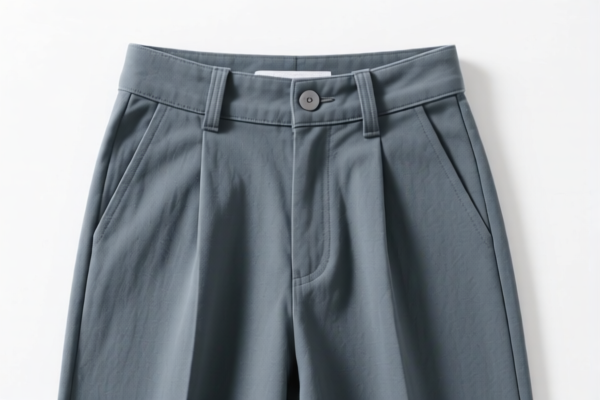
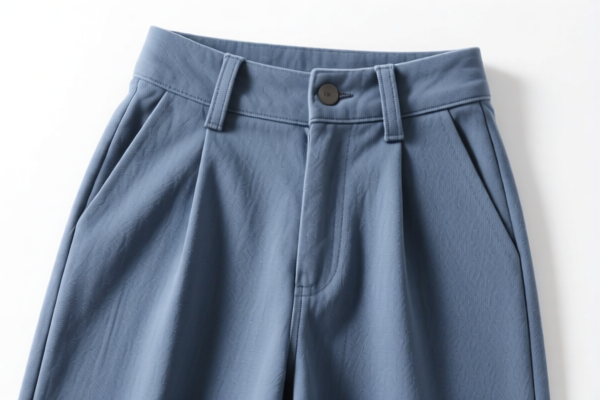
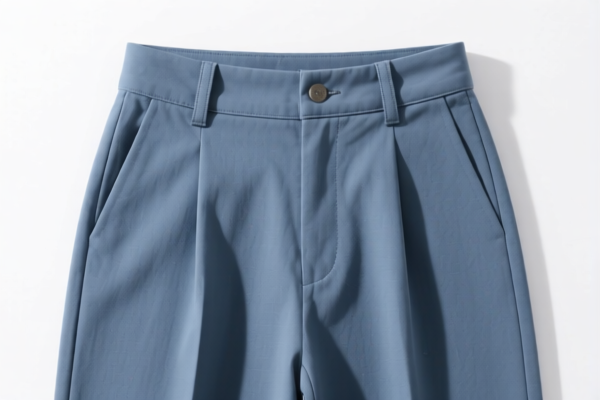
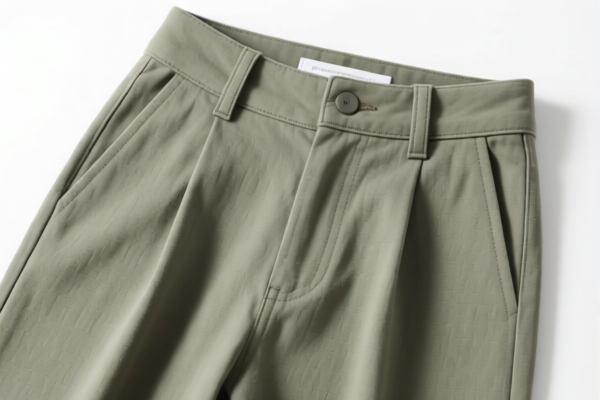
AI Analysis
👗 Synthetic Fiber Girls' Casual Wear
🌐 HS Code Reference & Customs Clearance Guide | 2026 Latest Tariff Analysis | Professional Entry Strategy
📌 I. Product Definition & Classification: What Exactly Is "Synthetic Fiber Girls' Casual Wear"?
"Synthetic Fiber Girls' Casual Wear" refers to clothing items made primarily from man-made fibers (such as polyester, nylon, acrylic, etc.) designed for young female consumers, characterized by non-formal, everyday styles. In international trade, the classification hinges on three critical factors:
1. Material: Synthetic/Man-made fibers (not wool, cotton, or silk).
2. Target Demographic: Girls/Children (usually under 14, but often grouped with women’s apparel in HS structures depending on cut/style).
3. Form/Structure: Knitted or Crocheted vs. Woven; Ensemble (set) vs. Single Garment.
⚠️ Key Distinction Point:
- Is it Knitted/Crocheted (Chapter 61) or Woven (Chapter 62)?
- Is it a Set/Ensemble (e.g., top + bottom sold together) or a Single Item?
- Does the design align more with Women’s (Chapter 61/62 general) or specific Children’s subheadings?
📦 II. HS Code Classification Details (2026 Latest Tariff Authority Comparison)
Based on the provided data, here are the five possible HS Code classifications for "Synthetic Fiber Girls' Casual Wear," along with their tax implications:
| HS Code | Product Description | Applicable Scenario | Total Tax Rate (China Origin) |
|---|---|---|---|
6114.30.30.70 |
Synthetic fiber women's/girl's casual wear, matching material, demographic, and form factors. | General synthetic casual tops/dresses (knitted) | 32.4% |
6114.30.10.20 |
Synthetic fiber women's/girl's casual wear, material/demographic/form fully consistent. | Specific knitted casual wear (higher base tariff) | 45.7% |
6211.43.10.92 |
Synthetic fiber women's/girl's casual wear, classified under "Other Apparel" (Woven). | Woven casual wear (not covered by knit codes) | 33.5% |
6104.19.15.00 |
Synthetic fiber women's/girl's apparel, form and material match this category. | Knitted suits/outfits (base tariff-free) | 17.5% |
6104.29.10.70 |
Synthetic fiber women's/girl's apparel, classified as "Other" under Knitted/Crocheted Ensembles. | Knitted sets (e.g., jacket + pants) | 17.5% |
🔍 Critical Reminder:
- Chapter 61 (Knitted/Crocheted) vs. Chapter 62 (Woven) is the primary split.
- If it’s a knit suit/set (6104.xxxxxx), the base tariff is 0%, leading to a lower total rate.
- If it’s a general knitted casual item (6114.xxxxxx), the base tariff varies, resulting in higher total rates.
- If it’s woven, it falls under 6211, with a moderate total rate.
💰 III. 2026 Latest Tariff Rate Breakdown (Including Additional Duties & Policy Surcharges)
✅ Applicable Country: United States (US)
✅ Origin: China (CN)
✅ Effective Time: Post-November 10, 2025 (including subsequent imports)
🎯 1. 6114.30.30.70 – Synthetic Fiber Women’s/Girl’s Casual Wear (Knitted)
| Item | Content |
|---|---|
| Base Tariff | 14.9% (ad valorem) |
| Section 301 Additional Duty | +7.5% |
| Section 122 Duty | +10% |
| Total Tax Rate | 32.4% |
| Tax Calculation | CIF Value × 32.4% |
| De Minimis Eligibility | ❌ No (High tariff item) |
| Legal Basis Path | Section 301: 7.5% → Section 122: 10% → USITC: 6114.30.30.70 |
📌 Explanation:
- The 14.9% base tariff is the standard MFN rate for this specific knitted casual wear.
- Section 301 (7.5%) is the standard additional tariff on many Chinese textile imports.
- Section 122 (10%) is an additional surcharge applied to certain categories.
- Total 32.4% is significant. Proper classification is key to avoiding overpayment.
🎯 2. 6114.30.10.20 – Synthetic Fiber Women’s/Girl’s Casual Wear (Knitted, Higher Base)
| Item | Content |
|---|---|
| Base Tariff | 28.2% (ad valorem) |
| Section 301 Additional Duty | +7.5% |
| Section 122 Duty | +10% |
| Total Tax Rate | 45.7% |
| Tax Calculation | CIF Value × 45.7% |
| De Minimis Eligibility | ❌ No |
| Legal Basis Path | Section 301: 7.5% → Section 122: 10% → USITC: 6114.30.10.20 |
📌 Warning:
- This code has a much higher base tariff (28.2%) compared to6114.30.30.70.
- Ensure your product does not fall into this higher-bracket subheading if6114.30.30.70is applicable.
- Total 45.7% is extremely high and can severely impact profitability.
🎯 3. 6211.43.10.92 – Synthetic Fiber Women’s/Girl’s Casual Wear (Woven, "Other")
| Item | Content |
|---|---|
| Base Tariff | 16.0% (ad valorem) |
| Section 301 Additional Duty | +7.5% |
| Section 122 Duty | +10% |
| Total Tax Rate | 33.5% |
| Tax Calculation | CIF Value × 33.5% |
| De Minimis Eligibility | ❌ No |
| Legal Basis Path | Section 301: 7.5% → Section 122: 10% → USITC: 6211.43.10.92 |
📌 Note:
- This applies to woven (not knitted) casual wear that doesn’t fit other specific woven categories.
- Total 33.5% is slightly higher than the most favorable knitted option but lower than the highest knitted option.
🎯 4. 6104.19.15.00 – Synthetic Fiber Women’s/Girl’s Apparel (Knitted Suit/Outfit)
| Item | Content |
|---|---|
| Base Tariff | 0.0% (ad valorem) |
| Section 301 Additional Duty | +7.5% |
| Section 122 Duty | +10% |
| Total Tax Rate | 17.5% |
| Tax Calculation | CIF Value × 17.5% |
| De Minimis Eligibility | ❌ No |
| Legal Basis Path | Section 301: 7.5% → Section 122: 10% → USITC: 6104.19.15.00 |
📌 Key Advantage:
- Base tariff is 0%!
- If your "casual wear" can be classified as a knitted suit/outfit (e.g., matching top and bottom sold as one unit), this is the most tax-efficient option.
- Total 17.5% is significantly lower than other options.
🎯 5. 6104.29.10.70 – Synthetic Fiber Women’s/Girl’s Apparel (Knitted Ensemble/Other)
| Item | Content |
|---|---|
| Base Tariff | 0.0% (The rate applicable to each garment in the ensemble if entered as a set) |
| Section 301 Additional Duty | +7.5% |
| Section 122 Duty | +10% |
| Total Tax Rate | 17.5% |
| Tax Calculation | CIF Value × 17.5% |
| De Minimis Eligibility | ❌ No |
| Legal Basis Path | Section 301: 7.5% → Section 122: 10% → USITC: 6104.29.10.70 |
📌 Key Advantage:
- Similar to6104.19.15.00, this code offers a 0% base tariff for knitted ensembles.
- If your product is a set (e.g., a knit jacket and pants sold together), this code applies.
- Total 17.5% is the lowest tax burden among all options.
🛠️ IV. Customs Clearance Practical Advice (Avoid Pitfalls Guide)
✅ 1. Required Documentation Checklist (No Exceptions)
| Document | Mandatory? | Explanation |
|---|---|---|
| ✅ Product Specification Sheet | ✔️ | Material composition (e.g., 100% Polyester), fiber type (synthetic), style details. |
| ✅ Photos (Front/Back/Label) | ✔️ | Clearly show if it’s a single item or a set/ensemble. Show knit structure vs. woven. |
| ✅ Commercial Invoice | ✔️ | Must accurately describe item as "Synthetic Fiber Knitted/Woven Casual Wear." |
| ✅ Packing List | ✔️ | Indicate if items are sold as sets (ensembles) to support 6104 classification. |
| ✅ Fiber Content Label | ✔️ | FTC requires accurate fiber content in the US; mismatch can lead to penalties. |
| ✅ Origin Certificate | ✔️ | Proves Chinese origin to confirm applicability of Section 301 & 122 duties. |
✅ 2. Declaration Tips (Key Mantras)
🔥 "Knit Suit is Zero Base, Knit Casual is High, Woven is Middle, Classify Correctly, Save Big!"
| Scenario | Correct Declaration | Wrong Action |
|---|---|---|
| Knitted Matching Set (Top + Bottom) | 6104.19.15.00 or 6104.29.10.70 (Ensemble) |
Declaring as separate tops/bottoms → Higher rate |
| Knitted Single Casual Top/Dress | 6114.30.30.70 (Lower base) or 6114.30.10.20 (Check exact fit) |
Misclassifying as suit → Risk of audit |
| Woven Casual Wear | 6211.43.10.92 |
Declaring as knitted → Wrong chapter, penalties |
| Children’s Specific vs. Women’s | Ensure age group doesn’t disqualify "Women’s" code if cut is adult-style | Using children’s code for adult-cut items → Rejection |
✅ 3. Special Cases Handling
| Case | Handling Advice |
|---|---|
| OEM Custom Casual Wear | Provide design sketches to prove it’s not a standard "sweatshirt" or "jeans" which might have different codes. |
| Mixed Material (e.g., 95% Poly, 5% Spandex) | Still classified under Synthetic Fiber (Polyester/Spandex blend). Ensure label matches HS code material requirement. |
| Girls’ Wear vs. Women’s Wear | If the cut is distinctly adult-sized but sold to girls, it may still fall under 6104 or 6114 (Women’s chapters). If distinctly child-sized, check for specific children’s codes (not listed here, but may exist). |
| Ensemble Definition | For 6104 codes, items must be matched, presented together, and suitable for use together. Do not bundle unrelated items. |
🌍 V. Global Market Comparison (2026 Latest)
| Country/Region | Recommended HS Code | Tariff (China Origin) | Notes |
|---|---|---|---|
| 🇺🇸 USA | 6104.19.15.00 |
17.5% (Total) | Best option for knitted suits. Avoid 6114.30.10.20 (45.7%). |
| 🇨🇳 China | 6104.19.15.00 |
~5-8% (Import) | No Section 301/122. Lower cost for domestic sales. |
| 🇪🇺 EU | 6104.19.15.00 |
12% (Standard) | No Section 122/301. Lower than US total. |
| 🇬🇧 UK | 6104.19.15.00 |
12% (Standard) | Post-Brexit, similar to EU. |
| 🇨🇦 Canada | 6104.19.15.00 |
17.5% (MFN) | No US-style additional duties. |
📌 Conclusion:
- USA has the highest tariff burden due to Section 301 and Section 122.
- Classifying as a Knitted Ensemble (6104) saves ~15-28% compared to other categories.
- Woven (6211) and General Knit (6114) incur higher total duties.
📌 VI. Common Errors & Pitfalls (Lessons Learned)
❌ Error 1: Declaring a knitted suit as two separate items (top + bottom)
👉 Consequence: Lose the 0% base tariff benefit → Total rate jumps to 32.4% or 45.7%.
❌ Error 2: Misclassifying woven fabric as knitted
👉 Consequence: Wrong HS code, potential fines, and delayed clearance.
❌ Error 3: Using "Girls' Wear" without specifying material or structure
👉 Consequence: Customs may assume highest duty rate or request clarification.
❌ Error 4: Ignoring Section 122 surcharge
👉 Consequence: Underestimating total landed cost by 10%.
✅ Correct Practice:
"Knitted Synthetic Fiber Girls’ Matching Set (Top & Pants), 100% Polyester, Model ABC, Shipped as One Unit"
🎯 VII. Conclusion: Precise Classification, Maximize Profit!
🎯 Remember the Mantra:
🔹 "Knit Suit = 0% Base, Total 17.5%. Knit Casual = High Base, Total 32-45%. Woven = Middle, Total 33.5%."
🔹 "Ensemble is Key, Base Tariff Free, Avoid High Rates, Save Big!"
📌 Pro Tip:
If your product can be reasonably argued as a knitted ensemble (matching top and bottom, sold together, same fabric), always prioritize 6104 codes. This can save you 15-28% in duties compared to other classifications.
Consider applying for an Advance Ruling from US Customs if your product is borderline.
📣 Action Required:
📞 Consult with a customs broker + Provide product images + Verify if it’s an ensemble
🚀 Ensure your commercial invoice reflects the ensemble nature to justify the lower tariff.
✨ Professional Clearance Starts with Accurate Classification!
💼 Every Percent Saved is Pure Profit!
Customer Reviews
About HS Code Classification
The Harmonized System (HS) is an internationally standardized nomenclature developed by the World Customs Organization (WCO) to classify traded products. Over 200 countries use the HS system as the basis for customs tariffs, trade statistics, and import/export regulations.
Each HS code follows a hierarchical structure:
- Chapter (2 digits) — Broad category of goods (e.g., Chapter 84: Machinery and Mechanical Appliances)
- Heading (4 digits) — More specific grouping within the chapter
- Subheading (6 digits) — Internationally standardized breakdown, used by all WCO member countries
- National subdivisions (8-10 digits) — Country-specific extensions for further classification, such as US HTSUS 10-digit codes
Correct HS code classification is essential for smooth customs clearance, accurate duty payment, and compliance with trade regulations. Misclassification can lead to customs delays, overpayment of duties, or penalties.
When importing from CN to US, the applicable tariff rates may include:
- Most-Favored-Nation (MFN) rate — The standard duty rate applied to WTO members
- General rate — Applied to countries without trade agreements
- Trade remedy duties — Additional tariffs such as Section 301 (anti-dumping), Section 232 (national security), or countervailing duties
The information provided on this page is for reference purposes only. For official classification, please consult with your local customs authority or a licensed customs broker.