Synthetic Fiber Girls' Loose Clothing
CN → USProduct Images
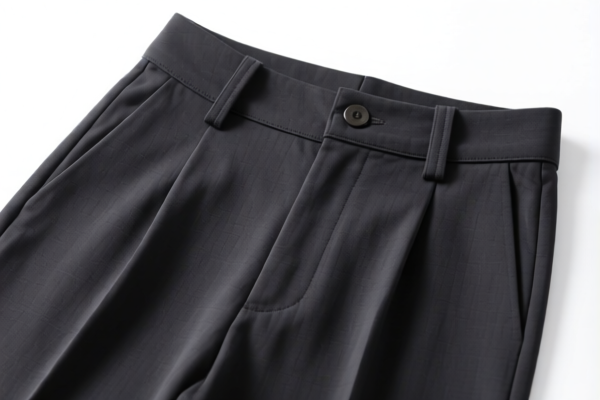
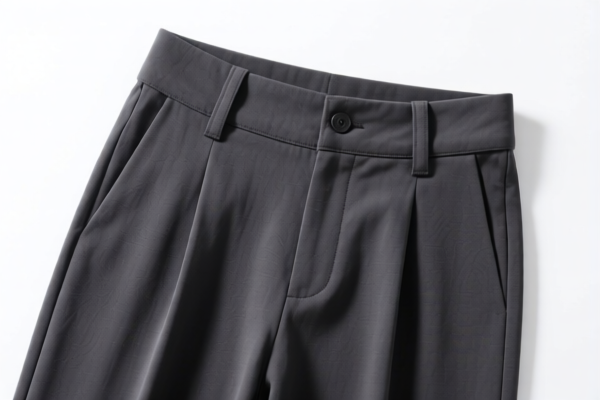
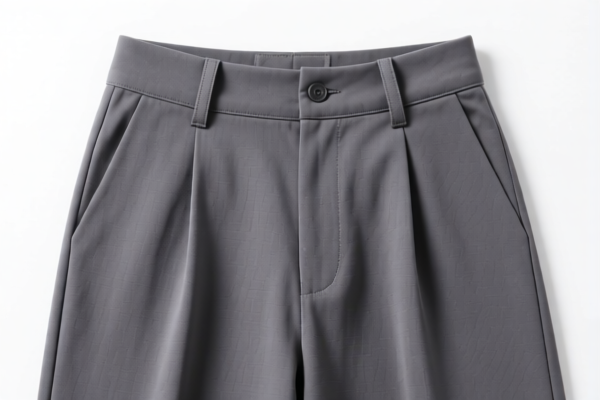
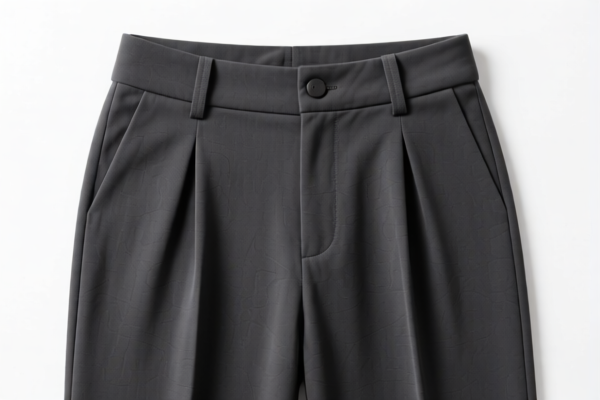
AI Analysis
👗 Synthetic Fiber Girls' Loose Clothing (Apparel for Girls)
🌐 HS Code Reference & Customs Clearance Guide | 2026 Latest Tariff Analysis | Professional Compliance Strategy
📌 I. Product Definition & Classification: What Exactly Is "Girls' Loose Clothing"?
"Synthetic Fiber Girls' Loose Clothing" refers to garments designed specifically for female children, constructed primarily from man-made filaments or staple fibers (such as polyester, nylon, acrylic, or spandex blends). The term "loose clothing" typically implies garments that are not fitted to the body, such as dresses, skirts, blouses, pants, pajamas, or nightwear.
In international trade, classification hinges on three critical factors: 1. Material Composition: "Synthetic Fiber" falls under Chapter 54 (Filaments) or Chapter 55 (Staple Fibers). 2. Gender & Age: "Girls'" indicates the garment is designed for females under 14 years old (typically). 3. Garment Type: Is it a dress? Pants? Top? This determines the specific heading within Chapter 61 (Knitted/Crocheted) or Chapter 62 (Non-Knitted).
⚠️ Key Distinction:
- Knitted (61): Stretchy, breathable, common for casual wear, pajamas, t-shirts.
- Non-Knitted (62): Woven, structured, common for dresses, school uniforms, trousers.
- "Loose" Fit: Does not change the HS Code but may affect labeling requirements (size tags).
📦 II. HS Code Classification Details (2026 Latest Tariff Authority Comparison)
Below are the most likely HS Codes for synthetic fiber girls' loose clothing, depending on the knitted vs. woven nature and garment type.
| HS Code | Product Description | Application Scenario | Material Type |
|---|---|---|---|
6104.42.00.00 |
Girls' dresses, knitted or crocheted, of synthetic fibers | Casual sundresses, party dresses, loose-fit day dresses | Knitted |
6104.62.00.00 |
Girls' trousers, breeches & shorts, knitted or crocheted, of synthetic fibers | Loose joggers, sweatpants, comfortable leggings | Knitted |
6104.63.00.00 |
Girls' trousers, etc., of man-made filaments (woven) | Dressy pants, formal trousers (rare for "loose") | Woven |
6204.42.00.00 |
Girls' dresses, not knitted or crocheted, of synthetic fibers | School uniforms, structured loose dresses, cotton-poly blends (if woven) | Woven |
6204.62.00.00 |
Girls' trousers, etc., not knitted or crocheted, of synthetic fibers | Loose woven pants, cargo pants for girls | Woven |
6108.31.00.00 |
Girls' nightdresses & dressing gowns, knitted, of synthetic fibers | Pajamas, loose nightgowns | Knitted |
6208.92.00.00 |
Other women's/girls' articles of apparel and clothing accessories, of synthetic fibers | Underwear, slips, or other loose garments not elsewhere specified | Woven |
🔍 Critical Reminder:
- Knitted vs. Woven: This is the most common error. If the fabric has stretch and loops (like a t-shirt or jersey), it is Knitted (61). If it is woven like denim or cotton shirts, it is Woven (62).
- "Girls" vs. "Women's": Garments sized for children (typically under 14) fall under "Girls'" (subheadings starting with 6104, 6204, etc.). If sized for adults, they fall under "Women's" (e.g., 6104.43). Misclassification leads to duty differences and compliance violations.
💰 III. 2026 Latest Tariff Rate Breakdown (Including Additional Duties & Policy Surcharges)
✅ Applicable Country: United States (US)
✅ Country of Origin: China (CN)
✅ Effective Date: November 10, 2025 onwards (for imports after this date)
🎯 1. 6104.42.00.00 – Girls' Dresses, Knitted, Synthetic
| Item | Content |
|---|---|
| Base Rate | 16% (Ad Valorem) |
| USITC Additional Duty | +25% (Under Section 301, Footnote 9903.88.01) |
| IEEPA Additional Duty | +10% (Against China/HK products, from Nov 10, 2025) |
| Total Rate | 51% |
| Tax Calculation | CIF Value × 51% |
| De Minimis Eligibility | ❌ No (deny_de_minimis) |
| Legal Authority Path | IEEPA:9903.01.25 → USITC:6104.42.00.00 → FOOTNOTE:9903.88.01 |
📌 Explanation:
- The base duty for knitted girls' apparel is 16%.
- The 25% Section 301 tariff applies to most apparel imports from China.
- The 10% IEEPA surcharge adds to the burden for Chinese-origin goods post-Nov 2025.
- Total 51% is a significant cost driver. Importers must price accordingly.
🎯 2. 6104.62.00.00 – Girls' Pants/Shorts, Knitted, Synthetic
| Item | Content |
|---|---|
| Base Rate | 16% |
| USITC Additional Duty | +25% |
| IEEPA Additional Duty | +10% |
| Total Rate | 51% |
| Tax Calculation | CIF Value × 51% |
| De Minimis Eligibility | ❌ No |
| Legal Authority Path | IEEPA:9903.01.25 → USITC:6104.62.00.00 → FOOTNOTE:9903.88.01 |
📌 Note:
- Same rate structure as dresses.
- Common for "loose" casual wear like sweatpants or joggers for girls.
🎯 3. 6204.42.00.00 – Girls' Dresses, Woven, Synthetic
| Item | Content |
|---|---|
| Base Rate | 16% |
| USITC Additional Duty | +25% |
| IEEPA Additional Duty | +10% |
| Total Rate | 51% |
| Tax Calculation | CIF Value × 51% |
| De Minimis Eligibility | ❌ No |
| Legal Authority Path | IEEPA:9903.01.25 → USITC:6204.42.00.00 → FOOTNOTE:9903.88.01 |
📌 Note:
- Woven garments (like school uniforms or structured dresses) face the same high tariff burden as knitted ones from China.
🛠️ IV. Customs Clearance Practical Advice (Battle-Tested Pitfall Guide)
✅ 1. Required Documentation Checklist (None Can Be Missing)
| Document | Must Provide | Description |
|---|---|---|
| ✅ Commercial Invoice | ✔️ | Must list "Girls' Synthetic Fiber Dress/Pants," HS Code, Quantity, Unit Price, Total Value. |
| ✅ Packing List | ✔️ | Must match invoice. Include net/gross weight, dimensions. |
| ✅ Fabric Composition Label | ✔️ | Physical tag on garment must state % of each fiber (e.g., "95% Polyester, 5% Spandex"). |
| ✅ Country of Origin Marking | ✔️ | "Made in China" must be visible on garment or packaging. |
| ✅ Test Reports | ✔️ | CDR (Children's Product Certificate) is mandatory for US import. Must include CPSIA compliance. |
| ✅ Shipers Export Declaration | ✔️ | Required for customs filing. |
✅ 2. Declaration Tips (Key Mnemonic)
🔥 “Fiber First, Knit or Weave, Girls Size, CDR Ready!”
| Scenario | Correct Declaration | Wrong Practice |
|---|---|---|
| Knitted Dress | 6104.42.00.00 |
Misdeclare as woven (6204.42.00.00) → Audit Risk |
| Woven Pants | 6204.62.00.00 |
Misdeclare as knitted → 16% duty may be adjusted, but fine risk exists |
| Size "Girls 10" | Use "Girls" HS Code | Use "Women's" HS Code → Different duty, compliance issue |
| Polyester Blend | Declare highest % fiber | Vague description "Mixed Fabric" → Customs delays |
✅ 3. Special Cases Handling
| Scenario | Handling Advice |
|---|---|
| OEM Private Label | Ensure your brand label is placed correctly; origin marking must be separate if label is detachable. |
| Sets (Top + Bottom) | If sold as a set, classify based on the essential character (usually the top for dresses/tops, or pants if dominant). |
| Accessories (Scarves/Hats) | These fall under Chapter 65 (Headgear) or 6117/6214 (Scarves). Do not mix apparel codes. |
| Sample Goods | Even samples must have proper HS Code and declared value. No duty exemption for samples. |
🌍 V. Global Market Clearance Comparison (2026 Latest)
| Country/Region | Recommended HS Code | Tariff Rate | Certification | Notes |
|---|---|---|---|---|
| 🇺🇸 USA | 6104.42.00.00 (Knit) |
51% (China) | CPSIA + CDR | High duty, strict child safety laws |
| 🇨🇳 China | 6104.42.00.00 |
12–18% | CCC (if applicable) | Standard import duties |
| 🇪🇺 EU | 6104.42.00.00 |
12% | REACH + CPSR | No Section 301, but strict chemical compliance |
| 🇬🇧 UK | 6104.42.00.00 |
12% | UKCA | Post-Brexit rules apply |
| 🇯🇵 Japan | 6104.42.00.00 |
16–20% | JIS Mark (if needed) | Varies by fiber |
📌 Conclusion:
- USA has the highest effective tariff (51%) for Chinese-made synthetic girls' apparel.
- EU and UK are more favorable (12%) but require rigorous chemical safety tests (REACH).
- China Market: Import duties are moderate, but domestic competition is fierce.
📌 VI. Common Errors & Pitfall Guide (Blood & Tears Lessons)
❌ Error 1: Misclassifying Knitted vs. Woven
👉 Consequence: If customs reclassifies a woven dress as knitted, they may assess different duties and penalties. Always verify fabric structure.
❌ Error 2: Missing CPSIA/CDR Documentation
👉 Consequence: Goods held at port, returned, or destroyed. Child safety is non-negotiable in the US.
❌ Error 3: Vague Description "Girls' Clothes"
👉 Consequence: Customs cannot determine HS Code → Delayed clearance + storage fees. Be specific: "Girls' Polyester Knitted Dress."
❌ Error 4: Ignoring Origin Marking
👉 Consequence: Fine per item for unmarked origin. Ensure "Made in China" is permanently attached.
✅ Correct Practice:
"Girls' Knitted Synthetic Fiber Dress, 95% Polyester/5% Spandex, Size 8-10, Origin: China, CPSIA Certified"
🎯 VII. Conclusion: Professional Declaration, Save Time, Reduce Costs!
🎯 Remember the Mantra:
🔹 "Fiber Type, Knit/Woven, Girls Size, CDR Ready!"
🔹 "51% Duty in US, 12% in EU, Compliance is Key!"
📌 Pro Tip:
If your goods are originating from Vietnam, India, or Bangladesh, you may avoid the 25% Section 301 tariff and 10% IEEPA surcharge.
👉 Total Duty could drop to 16% (US) or lower with FTAs.
👉 Consider supply chain diversification to mitigate risk.
📣 Immediate Action:
📞 Contact a licensed customs broker + Provide detailed fabric specs + Obtain CPSIA/CDR
🚀 Let your girls' apparel clear smoothly, comply fully, and maximize profits!
✨ Professional Clearance Starts with Accurate Classification!
💼 Every cent saved in duty is pure profit!
Customer Reviews
About HS Code Classification
The Harmonized System (HS) is an internationally standardized nomenclature developed by the World Customs Organization (WCO) to classify traded products. Over 200 countries use the HS system as the basis for customs tariffs, trade statistics, and import/export regulations.
Each HS code follows a hierarchical structure:
- Chapter (2 digits) — Broad category of goods (e.g., Chapter 84: Machinery and Mechanical Appliances)
- Heading (4 digits) — More specific grouping within the chapter
- Subheading (6 digits) — Internationally standardized breakdown, used by all WCO member countries
- National subdivisions (8-10 digits) — Country-specific extensions for further classification, such as US HTSUS 10-digit codes
Correct HS code classification is essential for smooth customs clearance, accurate duty payment, and compliance with trade regulations. Misclassification can lead to customs delays, overpayment of duties, or penalties.
When importing from CN to US, the applicable tariff rates may include:
- Most-Favored-Nation (MFN) rate — The standard duty rate applied to WTO members
- General rate — Applied to countries without trade agreements
- Trade remedy duties — Additional tariffs such as Section 301 (anti-dumping), Section 232 (national security), or countervailing duties
The information provided on this page is for reference purposes only. For official classification, please consult with your local customs authority or a licensed customs broker.