Synthetic Fiber Girls' Skirt
CN → US| HS Code | Tariff Rate | Origin | Destination | Doc |
|---|---|---|---|---|
| 6111305070 | 33.5% | CN | US | Official Doc |
| 6111301000 | 45.7% | CN | US | Official Doc |
| 5407522020 | 49.9% | CN | US | Official Doc |
| 6204434040 | 33.5% | CN | US | Official Doc |
| 6104432010 | 33.5% | CN | US | Official Doc |
Product Images
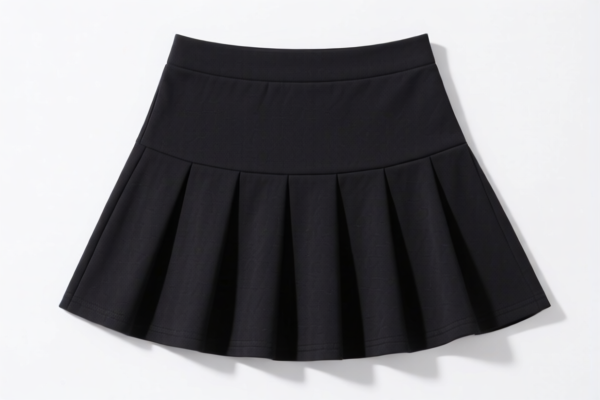
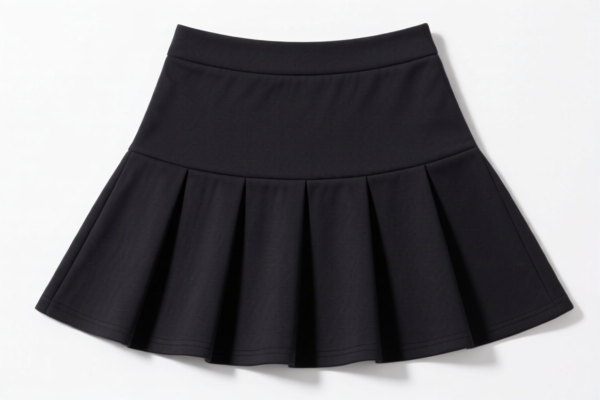
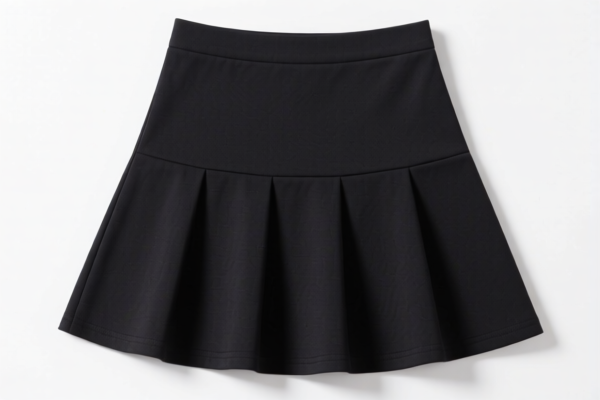
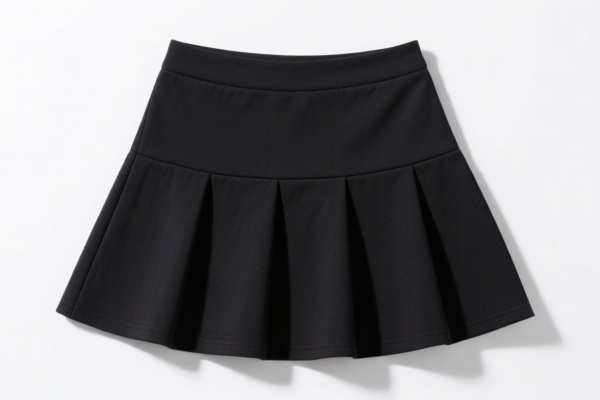
AI Analysis
👗 Synthetic Fiber Girls' Skirt (Skirt)
🌐 HS Code Reference & Customs Clearance Guide | 2026 Latest Tariff Full Analysis | Professional Clearance Strategy
📌 I. Product Definition and Classification: Do You Really Understand "Girls' Skirt"?
Synthetic fiber girls' skirts are a critical category in children's apparel trade. In international trade, they are classified based on material (synthetic fiber), form (skirt/skirt-pant), and knitted vs. woven. Misclassification can lead to significant tariff differences due to specific US trade restrictions (Section 301 and IEEPA).
⚠️ Key Distinction Points:
- Knitted/ Crocheted (Chapter 61): Generally includes elasticated or jersey-style skirts. If designed for infants/children and made of synthetic fiber, specific codes apply. - Woven (Chapter 62): Includes structured skirts (pleated, denim, etc.). - Skirt-Pants (Jumper Pants): A hybrid garment that looks like a skirt but has separate legs underneath. Classified based on whether it is knitted or woven.
📦 II. HS Code Classification Details (2026 Latest Tariff Authority Comparison)
| HS Code | Product Description | Key Characteristics | Tax Rate (Total) |
|---|---|---|---|
6111.30.50.70 |
Skirt-pants, synthetic fiber, boys'/children's | Knitted/Crocheted, Skirt-pant form, Synthetic fiber | 33.5% |
6111.30.10.00 |
Skirt-pants, synthetic fiber, boys'/children's | Knitted/Crocheted, Skirt-pant form, Synthetic fiber (Different sub-category) | 45.7% |
5407.52.20.20 |
Summer Synthetic Fiber Dress | Woven, Dress form, Synthetic fiber (Often misclassified as skirt if loose-fitting) | 49.9% |
6204.43.40.40 |
Summer Synthetic Fiber Dress | Woven, Dress form, Synthetic fiber (Girls'/Women's) | 33.5% |
6104.43.20.10 |
Summer Synthetic Fiber Dress | Knitted, Dress form, Synthetic fiber | 33.5% |
🔍 Important Note:
- Dress vs. Skirt: If the garment extends from the shoulder to the knee or below, it may be classified as a Dress (Chapter 61 or 62) rather than a simple skirt. This significantly impacts duty rates. - Knitted vs. Woven: The distinction between Chapter 61 (Knitted) and Chapter 62 (Woven) is fundamental. "Synthetic Fiber" in Knitted items often falls under6104or6111, while Woven items fall under6204.
💰 III. 2026 Latest Tariff Rate Detailed Explanation (Including Surcharges & Policy Additions)
✅ Applicable Country: USA (US)
✅ Origin: China (CN)
✅ Effective Time: From Nov 10, 2025 (and subsequent imports)
🎯 1. 6111.30.50.70 —— Knitted Skirt-Pants (Boys'/Children's, Synthetic Fiber)
| Item | Content |
|---|---|
| Base Tariff | 16.0% |
| Section 301 Surcharge | +7.5% |
| Section 122 Tariff | +10% |
| Total Tax Rate | 33.5% |
| Tax Calculation | CIF Value × 33.5% |
| De Minimis Exemption | ❌ Not Applicable (High tariff goods often excluded or monitored closely) |
| Legal Basis Path | Base: 6111.30 → Sec301: 7.5% → Sec122: 10% |
📌 Explanation:
- This code applies to knitted/synthetic skirt-pants for children. - The total tax is moderate compared to other items, but still subject to Section 301 and Section 122 add-ons.
🎯 2. 6111.30.10.00 —— Knitted Skirt-Pants (Boys'/Children's, Synthetic Fiber)
| Item | Content |
|---|---|
| Base Tariff | 28.2% |
| Section 301 Surcharge | +7.5% |
| Section 122 Tariff | +10% |
| Total Tax Rate | 45.7% |
| Tax Calculation | CIF Value × 45.7% |
| De Minimis Exemption | ❌ Not Applicable |
| Legal Basis Path | Base: 6111.30 → Sec301: 7.5% → Sec122: 10% |
📌 Note:
- This code also applies to knitted/synthetic skirt-pants for children but falls under a different sub-category, resulting in a higher base tariff. - The total rate of 45.7% is significantly higher than6111.30.50.70. Ensure the product description matches the exact sub-category to avoid underpayment.
🎯 3. 5407.52.20.20 —— Woven Summer Dress (Synthetic Fiber)
| Item | Content |
|---|---|
| Base Tariff | 14.9% |
| Section 301 Surcharge | +25.0% |
| Section 122 Tariff | +10% |
| Total Tax Rate | 49.9% |
| Tax Calculation | CIF Value × 49.9% |
| De Minimis Exemption | ❌ Not Applicable |
| Legal Basis Path | Base: 5407.52 → Sec301: 25.0% → Sec122: 10% |
📌 Warning:
- If your "skirt" is actually a dress (woven, synthetic), this code may apply. - The Section 301 surcharge is 25% here, leading to the highest total rate of 49.9%. - Do not classify a dress as a skirt to save tax; customs may reclassify and penalize.
🎯 4. 6204.43.40.40 —— Woven Summer Dress (Synthetic Fiber, Girls'/Women's)
| Item | Content |
|---|---|
| Base Tariff | 16.0% |
| Section 301 Surcharge | +7.5% |
| Section 122 Tariff | +10% |
| Total Tax Rate | 33.5% |
| Tax Calculation | CIF Value × 33.5% |
| De Minimis Exemption | ❌ Not Applicable |
| Legal Basis Path | Base: 6204.43 → Sec301: 7.5% → Sec122: 10% |
📌 Explanation:
- This code applies to woven dresses for girls/women made of synthetic fiber. - Despite being "woven," the Section 301 surcharge is only 7.5%, keeping the total rate at 33.5%.
🎯 5. 6104.43.20.10 —— Knitted Summer Dress (Synthetic Fiber)
| Item | Content |
|---|---|
| Base Tariff | 16.0% |
| Section 301 Surcharge | +7.5% |
| Section 122 Tariff | +10% |
| Total Tax Rate | 33.5% |
| Tax Calculation | CIF Value × 33.5% |
| De Minimis Exemption | ❌ Not Applicable |
| Legal Basis Path | Base: 6104.43 → Sec301: 7.5% → Sec122: 10% |
📌 Note:
- This code applies to knitted dresses for girls/women. - Identical tax rate to6204.43.40.40(33.5%), but different physical characteristics (knitted vs. woven).
🛠️ IV. Customs Clearance Practical Advice (Battle-Tested Pitfall Guide)
✅ 1. Required Documentation Checklist (All Required)
| Document | Required | Description |
|---|---|---|
| ✅ Product Spec Sheet | ✔️ | Must specify: Knitted/Woven, Material (100% Polyester, etc.), Design (Skirt vs. Dress) |
| ✅ Product Photos | ✔️ | Clear images showing neckline, hem, and whether it has legs (Skirt-Pants) |
| ✅ Commercial Invoice | ✔️ | Must clearly state "Girls' Synthetic Fiber Skirt" or "Dress" |
| ✅ Packing List | ✔️ | Detail item counts and weights |
| ✅ Origin Certificate | ✔️ | If not from China, to claim preferential rates (though limited for US) |
| ✅ Label/Tag Info | ✔️ | Must include fiber content, care instructions, and manufacturer info |
✅ 2. Declaration Tips (Key Mantra)
🔥 "Knit or Woven? Skirt or Dress? Be Precise!"
| Scenario | Correct Declaration | Wrong Practice |
|---|---|---|
| Knitted Skirt-Pants | 6111.30.50.70 or 6111.30.10.00 |
Mislabeling as "Shorts" → Lower tax but risk of penalty |
| Woven Dress | 6204.43.40.40 |
Calling it "Skirt" → Customs may reclassify to higher tax 5407.52.20.20 |
| Knitted Dress | 6104.43.20.10 |
Calling it "Skirt" → Potential reclassification |
| Simple Woven Skirt | Not listed in data, but typically 6204.53 |
Not in provided data, assume Dress codes if shoulder coverage |
⚠️ Critical Warning:
- If the garment covers the shoulders and falls to the knee/ankle, it is legally a Dress, not a skirt. Misclassifying a dress as a skirt can lead to back taxes and fines. - Section 301 Surcharge varies significantly: 25% for some woven items (5407.52.20.20) vs. 7.5% for others (6204.43.40.40,6104.43.20.10).
✅ 3. Special Cases Handling
| Scenario | Handling Advice |
|---|---|
| Skirt-Pants | Ensure clear description: "Skirt-pants with separate legs." If classified as just "Skirt," it may be rejected. |
| Mixed Materials | If >50% synthetic, it falls under synthetic rules. If mixed with cotton, rules change. Stick to pure synthetic for these codes. |
| Infant vs. Child | Code 6111.30 is for infants/children. If the item is for older children (e.g., size 14+), it may fall under adult codes (e.g., 6104.43). Check age sizing carefully. |
| Sample vs. Bulk | Samples still require proper classification. Misdeclaring samples to avoid tax can trigger audits. |
🌍 V. Global Market Clearance Comparison (2026 Latest)
| Country/Region | Recommended HS Code (Synthetic Girl's Skirt/Dress) | Tariff (China Origin) | Certification Requirements | Remarks |
|---|---|---|---|---|
| 🇺🇸 USA | 6204.43.40.40 / 6104.43.20.10 |
33.5% (Lowest valid) | FTC Labeling, CPSIA (Children's) | Avoid 5407.52.20.20 (49.9%) |
| 🇪🇺 EU | 6104.43 / 6204.43 |
0% - 12% | CE, REACH, Textile Labeling | No Section 301/122 |
| 🇨🇳 China | 6104.43 / 6204.43 |
5% - 14% | CCC (if applicable) | Lower base rates |
| 🇬🇧 UK | 6104.43 / 6204.43 |
0% - 12% | UKCA, Textile Labeling | Post-Brexit rules apply |
📌 Conclusion:
- USA is the most complex market due to Section 301 and Section 122 tariffs. - Choose the 33.5% codes (6111.30.50.70,6204.43.40.40,6104.43.20.10) whenever possible to minimize costs. - Avoid5407.52.20.20(49.9%) unless the product strictly fits that narrow category.
📌 VI. Common Errors & Pitfall Guide (Lessons Learned)
❌ Error 1: Calling a Dress a "Skirt" to avoid higher tax
👉 Consequence: Customs reclassifies to 5407.52.20.20 → 49.9% tax + Penalties!
❌ Error 2: Ignoring Knitted vs. Woven distinction
👉 Consequence: Wrong HS code → Delayed clearance, additional inspections, or reclassification fees.
❌ Error 3: Misidentifying Skirt-Pants as simple skirts
👉 Consequence: If declared as "Skirt," it may not meet the "Skirt-Pants" definition, leading to duty mismatches.
❌ Error 4: Using generic "Clothing" description on Invoice
👉 Consequence: Customs cannot determine fiber content → Hold shipment for inspection.
✅ Correct Practice:
"Girls' Knitted Synthetic Fiber Skirt-Pant, 100% Polyester, Size 4-6, FTC Compliant, Model XYZ"
🎯 VII. Conclusion: Precise Classification Saves Money!
🎯 Remember the Mantra:
🔹 "Dress or Skirt? Knit or Woven? Check the Section 301 Rate!"
🔹 "33.5% is the goal, 49.9% is the trap, 45.7% is the risk."
🔹 "Accurate HS Code = Lower Duty = Higher Profit."
📌 Pro Tip:
- If your product is Knitted, check 6104.43.20.10 (33.5%).
- If your product is Woven, check 6204.43.40.40 (33.5%).
- Avoid 5407.52.20.20 (49.9%) and 6111.30.10.00 (45.7%) unless absolutely necessary.
- Always provide detailed product photos and specs to Customs Brokers for pre-clearance review.
📣 Immediate Action:
📞 Contact your Customs Broker + Provide Product Photos + Confirm Knitted/Woven Status
🚀 Ensure your invoice matches the HS Code exactly!
✨ Professional Clearance Starts with Precise Classification!
💼 Every Percent of Duty Saved is Pure Profit!
Customer Reviews
About HS Code Classification
The Harmonized System (HS) is an internationally standardized nomenclature developed by the World Customs Organization (WCO) to classify traded products. Over 200 countries use the HS system as the basis for customs tariffs, trade statistics, and import/export regulations.
Each HS code follows a hierarchical structure:
- Chapter (2 digits) — Broad category of goods (e.g., Chapter 84: Machinery and Mechanical Appliances)
- Heading (4 digits) — More specific grouping within the chapter
- Subheading (6 digits) — Internationally standardized breakdown, used by all WCO member countries
- National subdivisions (8-10 digits) — Country-specific extensions for further classification, such as US HTSUS 10-digit codes
Correct HS code classification is essential for smooth customs clearance, accurate duty payment, and compliance with trade regulations. Misclassification can lead to customs delays, overpayment of duties, or penalties.
When importing from CN to US, the applicable tariff rates may include:
- Most-Favored-Nation (MFN) rate — The standard duty rate applied to WTO members
- General rate — Applied to countries without trade agreements
- Trade remedy duties — Additional tariffs such as Section 301 (anti-dumping), Section 232 (national security), or countervailing duties
The information provided on this page is for reference purposes only. For official classification, please consult with your local customs authority or a licensed customs broker.