Synthetic Fiber Girls' Slim fit Clothing
CN → US| HS Code | Tariff Rate | Origin | Destination | Doc |
|---|---|---|---|---|
| 6208920030 | 33.5% | CN | US | Official Doc |
| 6108229020 | 25.6% | CN | US | Official Doc |
| 6108920015 | 33.5% | CN | US | Official Doc |
| 6104191500 | 17.5% | CN | US | Official Doc |
| 6203439020 | 45.4% | CN | US | Official Doc |
Product Images
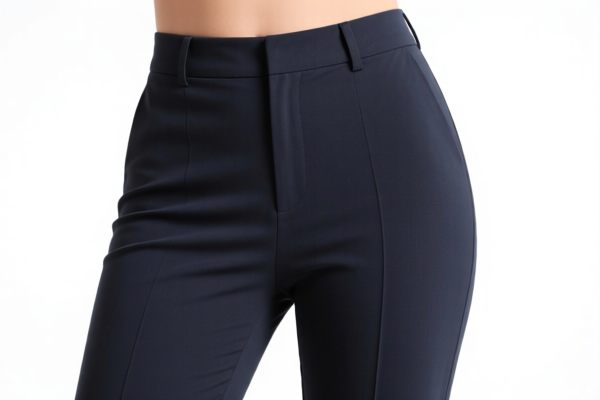
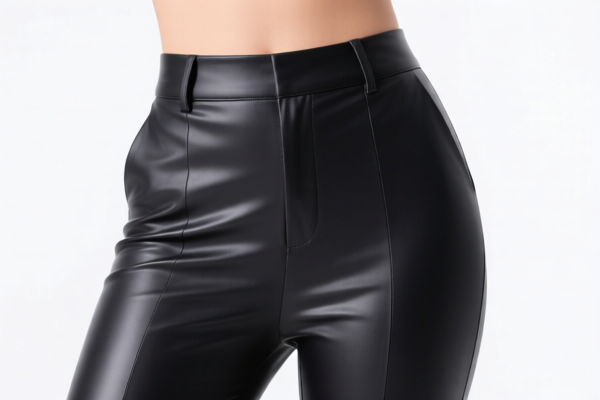
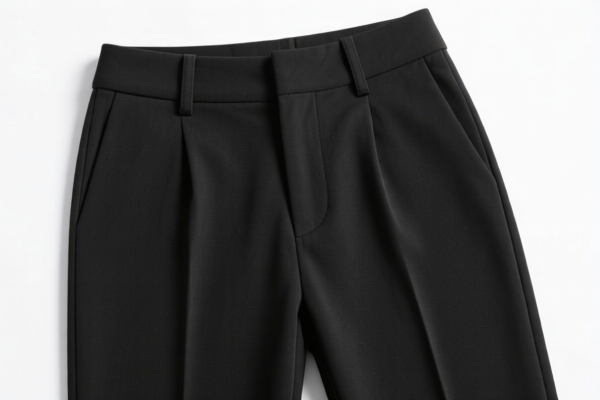
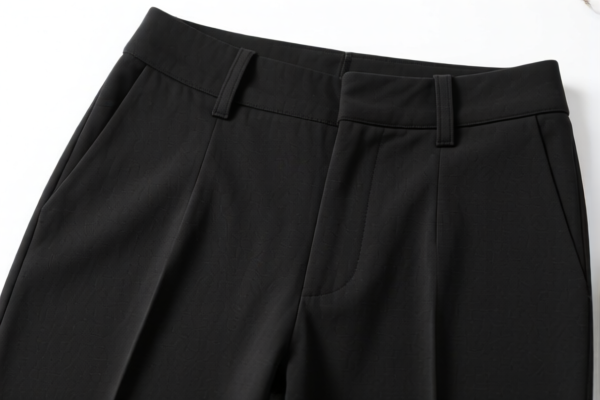
AI Analysis
👗 Synthetic Fiber Girls' Slim fit Clothing: The Ultimate HS Code & Duty Breakdown (2024-2026)
🌐 HS Code Reference & Customs Clearance Guide | Latest Tariff Analysis | Professional Entry Strategies
📌 I. Product Definition & Classification: What Exactly is "Synthetic Fiber Girls' Slim Fit Clothing"?
Synthetic Fiber Girls' Slim Fit Clothing refers to garments primarily made from man-made fibers (such as polyester, nylon, acrylic) designed specifically for girls. The key characteristic is the "Slim Fit" cut, which hugs the body shape, distinguishing it from loose or casual wear.
In international trade, the classification depends heavily on two factors:
1. Construction Method: Is it Knitted/Crocheted (Chapter 61) or Not Knitted/Woven (Chapter 62)?
2. Garment Type: Is it a dress, shirt, pajamas, or other apparel?
⚠️ Critical Distinction Point:
- If the garment is knitted or crocheted (e.g., t-shirt fabric, jersey, knitted dress fabric) → Classify under Chapter 61.
- If the garment is woven (e.g., denim, woven polyester, shirt material) → Classify under Chapter 62.
- "Slim Fit" itself is a design feature, not a classification criterion. However, if the item is a specific type like "pajamas" or "housewear," it may fall under specific subheadings (e.g., 6108.22, 6108.92, 6208.92).
📦 II. HS Code Classification Details (Based on Provided Data)
Based on the <DATA> provided, here are the specific HS Codes relevant to Synthetic Fiber Girls' Slim Fit Clothing, categorized by construction and type.
| HS Code | Product Description (Summary) | Key Characteristics | Construction |
|---|---|---|---|
6208.92.00.30 |
Synthetic Fiber Girls' Slim Fit Clothing | Material: Synthetic Fiber; Use: Girls' Slim Fit Apparel | Not Knitted/Woven |
6108.22.90.20 |
Synthetic Fiber Girls' Slim Fit Clothing | Material: Synthetic Fiber; Use: Girls'; Form: Knitted/Crocheted | Knitted/Crocheted |
6108.92.00.15 |
Synthetic Fiber Girls' Slim Fit Clothing | Material: Synthetic Fiber; Use: Girls'; Form: Knitted/Crocheted | Knitted/Crocheted |
6104.19.15.00 |
Synthetic Fiber Girls' Slim Fit Clothing | Material: Synthetic Fiber; Use: Girls'; Form: Slim Fit Apparel | Knitted/Crocheted |
6203.43.90.20 |
Synthetic Fiber Boys'/Children's Trousers/Skirts | Material: Synthetic Fiber; Use: Boys'/Children's Trousers/Skirts | Not Knitted/Woven |
🔍 Important Note:
- The last item (6203.43.90.20) is technically for Boys'/Children's Trousers/Skirts. If your "Girls' Slim Fit Clothing" refers specifically to trousers, pants, or skirts, this code may apply. Otherwise, focus on Chapters 61/62 for general apparel.
- "Synthetic Fiber" typically refers to Polyester, Nylon, Acrylic, etc.
- "Girls'" implies the garment is designed for girls (often indicated by style, labeling, or cut).
💰 III. 2024-2026 Latest Tariff Rate Breakdown (Including Additional Duties)
✅ Applicable Country: United States (US)
✅ Origin: China (CN)
✅ Effective Date: Current (2024-2026)
✅ Note: Rates include Base Duty, Section 301 (Additional) Duty, and Section 122 Duty (if applicable).
🎯 1. 6208.92.00.30 —— Woven Synthetic Fiber Girls' Slim Fit Apparel
| Item | Detail |
|---|---|
| Total Tax Rate | 33.5% |
| Base Duty | 16.0% |
| Section 301 Additional Duty | 7.5% |
| Section 122 Duty | 10% |
| Tax Calculation | CIF Value × 33.5% |
| De Minimis Exemption | ❌ Not Eligible (Due to high combined duty) |
| Legal Basis Path | HTSUS:6208.92.00.30 → USITC Footnote → Section 301 & 122 |
📌 Explanation:
- Base Duty (16%): Standard tariff for other women's/girls' nightwear, slips, and similar articles made of synthetic fibers.
- Section 301 (7.5%): Additional duty on Chinese goods.
- Section 122 (10%): Additional duty on certain Chinese textile/apparel goods (note: Section 122 provisions may vary; verify current status).
- Total 33.5% is significant. Proper classification is critical to avoid overpayment.
🎯 2. 6108.22.90.20 —— Knitted/Crocheted Synthetic Fiber Girls' Slim Fit Apparel
| Item | Detail |
|---|---|
| Total Tax Rate | 25.6% |
| Base Duty | 15.6% |
| Section 301 Additional Duty | 0.0% |
| Section 122 Duty | 10% |
| Tax Calculation | CIF Value × 25.6% |
| De Minimis Exemption | ❌ Not Eligible |
| Legal Basis Path | HTSUS:6108.22.90.20 → USITC Footnote → Section 122 |
📌 Explanation:
- Base Duty (15.6%): For synthetic fiber girls' slip/petticoat/similar.
- Section 301 (0.0%): Some knitted women's apparel may have a 0% additional duty under Section 301, depending on specific subheading exemptions.
- Section 122 (10%): Applies to this category.
- Total 25.6% is lower than woven items, making knitted goods potentially more cost-effective.
🎯 3. 6108.92.00.15 —— Other Knitted/Crocheted Synthetic Fiber Girls' Apparel
| Item | Detail |
|---|---|
| Total Tax Rate | 33.5% |
| Base Duty | 16.0% |
| Section 301 Additional Duty | 7.5% |
| Section 122 Duty | 10% |
| Tax Calculation | CIF Value × 33.5% |
| De Minimis Exemption | ❌ Not Eligible |
| Legal Basis Path | HTSUS:6108.92.00.15 → USITC Footnote → Section 301 & 122 |
📌 Explanation:
- This code is for "Other" women's/girls' articles of apparel, knitted/crocheted.
- Similar high-duty structure as6208.92.00.30.
🎯 4. 6104.19.15.00 —— Knitted/Crocheted Synthetic Fiber Girls' Dresses/Suits
| Item | Detail |
|---|---|
| Total Tax Rate | 17.5% |
| Base Duty | 0.0% |
| Section 301 Additional Duty | 7.5% |
| Section 122 Duty | 10% |
| Tax Calculation | CIF Value × 17.5% |
| De Minimis Exemption | ❌ Not Eligible |
| Legal Basis Path | HTSUS:6104.19.15.00 → USITC Footnote → Section 301 & 122 |
📌 Explanation:
- Base Duty (0.0%): Some women's dresses/suits have 0% base duty.
- Total 17.5% is the lowest total rate in the provided data.
- Strategic Advantage: If your "Slim Fit" garment is a dress or suit and is knitted, this code offers significant duty savings.
🎯 5. 6203.43.90.20 —— Woven Synthetic Fiber Boys'/Children's Trousers/Skirts
| Item | Detail |
|---|---|
| Total Tax Rate | 45.4% |
| Base Duty | 27.9% |
| Section 301 Additional Duty | 7.5% |
| Section 122 Duty | 10% |
| Tax Calculation | CIF Value × 45.4% |
| De Minimis Exemption | ❌ Not Eligible |
| Legal Basis Path | HTSUS:6203.43.90.20 → USITC Footnote → Section 301 & 122 |
📌 Explanation:
- Highest Rate (45.4%).
- This code is for trousers/skirts. If your "Slim Fit" clothing is pants or skirts and woven, expect high duties.
- Caution: Ensure the item is correctly identified as "trousers/skirts" and not a general "dress" or "shirt" which might have lower rates.
🛠️ IV. Customs Clearance Practical Advice (Avoid Pitfalls)
✅ 1. Essential Documentation Checklist
| Document | Required | Purpose |
|---|---|---|
| ✅ Product Specification Sheet | ✔️ | Detail material (e.g., 100% Polyester), construction (knitted/woven), and style (slim fit). |
| ✅ Technical Drawing/Photo | ✔️ | Show seams, closures, and fit to confirm classification (e.g., dress vs. top). |
| ✅ Commercial Invoice | ✔️ | Must clearly state "Synthetic Fiber Girls' Slim Fit Clothing" and correct HS Code. |
| ✅ Bill of Lading/Air Waybill | ✔️ | Standard shipping documents. |
| ✅ Certificate of Origin (CO) | ✔️ | To prove origin as China (subject to duties). |
| ✅ Labeling/Marking | ✔️ | Ensure labels match declared material and care instructions. |
✅ 2. Classification Strategy (Key Tips)
🔥 "Knitted vs. Woven: The 15% Difference!"
- Knitted (Chapter 61): Often lower base duty (e.g., 0-15%).
- Woven (Chapter 62): Higher base duty (e.g., 16-27%).
- Action: If your fabric is knitted, ensure it is classified under Chapter 61 to potentially reduce the base duty component.
| Scenario | Correct HS Code | Total Duty | Why? |
|---|---|---|---|
| Knitted Girls' Dress/Suit | 6104.19.15.00 |
17.5% | Lowest base duty (0%) |
| Knitted Girls' Other Apparel | 6108.22.90.20 |
25.6% | Moderate base duty (15.6%) |
| Knitted Girls' Other Apparel (Other) | 6108.92.00.15 |
33.5% | High base duty (16%) |
| Woven Girls' Other Apparel | 6208.92.00.30 |
33.5% | High base duty (16%) |
| Woven Girls'/Boys' Trousers/Skirts | 6203.43.90.20 |
45.4% | Highest base duty (27.9%) |
✅ 3. Special Cases & Risk Management
| Case | Recommendation |
|---|---|
| "Slim Fit" Definition | Do not rely on "Slim Fit" as an HS descriptor. Use standard terms like "Dress," "Top," "Skirt," or "Pajamas." |
| Mixed Materials | If the garment has cotton/synthetic blends, classify based on the dominant fiber by weight. |
| Section 122 Duty | Verify if Section 122 duties are currently enforced for your specific product line. This 10% surcharge significantly impacts costs. |
| Pre-Clearance | Consider applying for an Advance Ruling from US Customs if unsure between 6108 and 6208 categories. |
🌍 V. Global Market Comparison (2024-2026)
| Market | Recommended HS Code | Base Duty | Additional Duties (China) | Total Est. Duty |
|---|---|---|---|---|
| 🇺🇸 USA | 6104.19.15.00 (Knitted Dress) |
0% | Section 301 (7.5%) + Sec 122 (10%) | 17.5% |
| 🇨🇳 China | 6104.19.15.00 |
10-15% | None | ~12.5% |
| 🇪🇺 EU | 6104.43 (Knitted Dress) |
12% | None (if MFN) | 12% |
| 🇬🇧 UK | 6104.43 |
12% | None | 12% |
📌 Conclusion:
- The US market imposes the highest combined duties due to Section 301 and Section 122.
- Knitted Dresses (6104.19.15.00) offer the most competitive duty rate (17.5%) among the options provided.
- Woven Trousers/Skirts are the most expensive to import into the US (45.4%).
📌 VI. Common Mistakes & Pitfalls (Lessons Learned)
❌ Mistake 1: Classifying Knitted garments as Woven (Chapter 62)
👉 Result: Paying higher base duty (e.g., 16% vs. 0%) unnecessarily.
❌ Mistake 2: Using "Slim Fit" as the primary description in commercial invoices
👉 Result: Customs may reject the declaration or delay clearance. Use standard terms like "Girls' Knitted Polyester Dress."
❌ Mistake 3: Ignoring Section 122 Duty
👉 Result: Underestimating total landed cost by 10%. Always include this in your profit margin calculations.
❌ Mistake 4: Misclassifying Trousers/Skirts as "Other Apparel"
👉 Result: Risk of audit and penalties if the item is clearly a skirt or pant.
✅ Correct Approach:
"Girls' Knitted Synthetic Fiber Slim Fit Dress, Model XYZ, 100% Polyester, HS Code 6104.19.15.00"
🎯 VII. Conclusion: Optimize Your Classification, Save Costs
🎯 Key Takeaways:
🔹 Knitted Dresses = Lowest Duty (17.5%) if classified under
6104.19.15.00.
🔹 Woven Trousers = Highest Duty (45.4%) under6203.43.90.20.
🔹 Section 122 Duty (10%) is a major cost factor for most apparel imports from China to the US.
📌 Pro Tip:
If your product is knitted and can be classified as a dress or suit, aim for
6104.19.15.00to minimize duties.
Consult with a customs broker to confirm the exact nature of your "Slim Fit" garment (dress vs. top vs. skirt) to ensure correct classification.
📣 Action Required:
📞 Contact a licensed customs broker to review your product specifications.
📄 Prepare detailed tech packs with fabric composition and construction details.
🚀 Optimize your HS Code selection to reduce landed costs and ensure smooth US customs clearance.
✨ Precision in Classification, Profitability in Trade!
💼 Every percentage point in duty counts!
Customer Reviews
About HS Code Classification
The Harmonized System (HS) is an internationally standardized nomenclature developed by the World Customs Organization (WCO) to classify traded products. Over 200 countries use the HS system as the basis for customs tariffs, trade statistics, and import/export regulations.
Each HS code follows a hierarchical structure:
- Chapter (2 digits) — Broad category of goods (e.g., Chapter 84: Machinery and Mechanical Appliances)
- Heading (4 digits) — More specific grouping within the chapter
- Subheading (6 digits) — Internationally standardized breakdown, used by all WCO member countries
- National subdivisions (8-10 digits) — Country-specific extensions for further classification, such as US HTSUS 10-digit codes
Correct HS code classification is essential for smooth customs clearance, accurate duty payment, and compliance with trade regulations. Misclassification can lead to customs delays, overpayment of duties, or penalties.
When importing from CN to US, the applicable tariff rates may include:
- Most-Favored-Nation (MFN) rate — The standard duty rate applied to WTO members
- General rate — Applied to countries without trade agreements
- Trade remedy duties — Additional tariffs such as Section 301 (anti-dumping), Section 232 (national security), or countervailing duties
The information provided on this page is for reference purposes only. For official classification, please consult with your local customs authority or a licensed customs broker.