Synthetic Fiber Men's Trousers
CN → US| HS Code | Tariff Rate | Origin | Destination | Doc |
|---|---|---|---|---|
| 6103431550 | 38.2% | CN | US | Official Doc |
| 5512110010 | 47.0% | CN | US | Official Doc |
| 6114303060 | 32.4% | CN | US | Official Doc |
| 6114303070 | 32.4% | CN | US | Official Doc |
| 6115220000 | 24.9% | CN | US | Official Doc |
Product Images
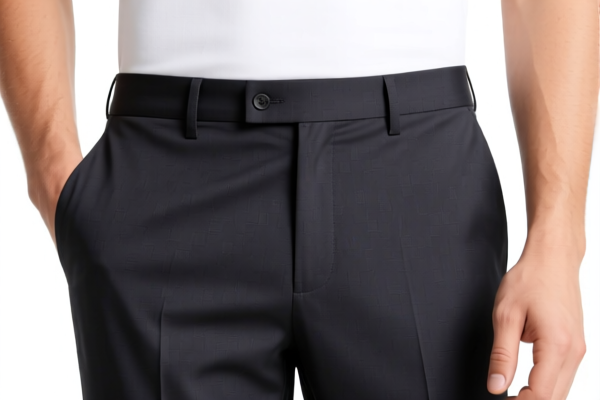
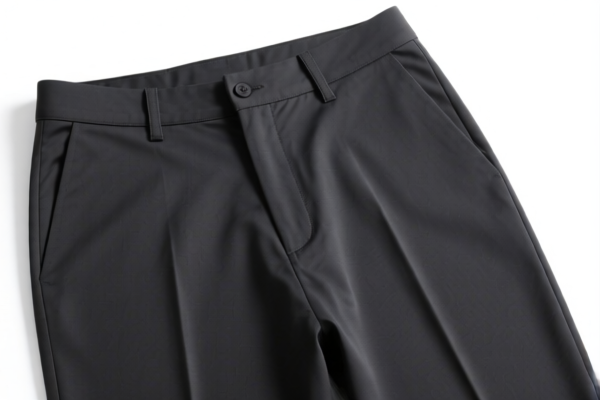
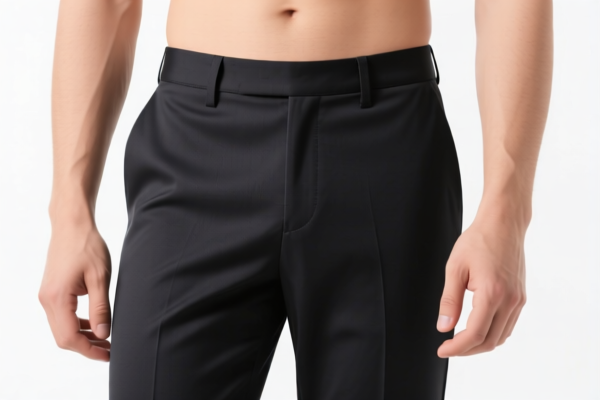
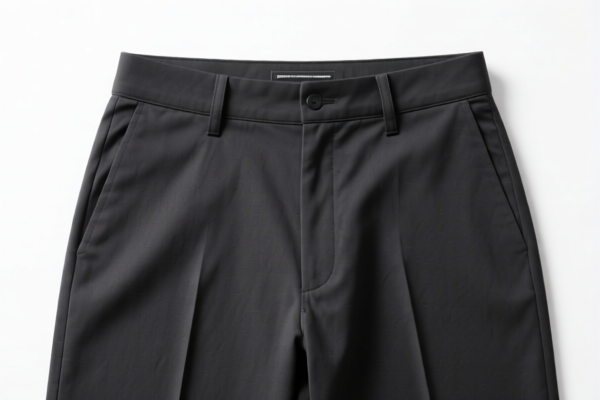
AI Analysis
👖 Synthetic Fiber Men's Trousers (and Related Bottoms)
🌐 HS Code Reference & Customs Clearance Guide | 2026 Latest Tariff Analysis | Professional Classification Strategy
📌 I. Product Definition & Classification: Are You Classifying "Trousers" Correctly?
In international trade, "Synthetic Fiber Men's Trousers" is a broad category that often leads to misclassification because the final product's knitting method, specific style (shorts vs. long pants vs. leggings), and target gender/age determine the HS Code.
The data provided focuses on three distinct sub-categories often confused by importers: 1. Men's Speed-Dry Shorts (Active wear) 2. Synthetic Fabric Shorts (General wear) 3. Synthetic Fiber Leggings/Tights (Knitted, often unisex or women's/girls' but sometimes used as base layers)
⚠️ Key Distinction Points:
- Material Form: Is it woven (shorts) or knitted (leggings/tights)?
- Style: Are they "shorts" (length above knee) or "trousers/leggings" (length below knee)?
- Gender: Strictly men's vs. women's/girls' (impacts sub-heading).
📦 II. HS Code Classification Details (Based on Provided Data)
| HS Code | Product Description | Application Scenario | Key Classification Logic |
|---|---|---|---|
6103.43.15.50 |
Men's Synthetic Fiber Speed-Dry Shorts | Men's athletic shorts, quick-dry fabric, specific material/usage limits | ✅ Men's, Knitted, Synthetic, Specific "Speed-Dry" attributes |
5512.11.00.10 |
Synthetic Fiber Fabric Products / Shorts | General synthetic short-fiber fabric shorts | ✅ Woven/Synthetic Short Fiber, "Shorts" category |
6114.30.30.60 |
Synthetic Fiber Leggings (Tight-fitting) | Knitted tight-fitting pants, "Other" category for man-made fiber | ✅ Knitted, Tight-fitting, "Other" man-made fiber |
6114.30.30.70 |
Synthetic Fiber Leggings (Tight-fitting) | Women's/Girls' tight-fitting pants (fallback classification) | ✅ Knitted, Tight-fitting, Women's/Girls' (Fallback principle) |
6115.22.00.00 |
Synthetic Fiber Leggings/Tights | Fully meets technical requirements for tights/leggings | ✅ Knitted Tights/Leggings, specific technical compliance |
🔍 Critical Note:
- Shorts vs. Trousers: If the product is shorts (above knee), it generally falls under 6103 (Men's) or 5512/5513 (Fabric/Woven). If it is long trousers or leggings, it falls under 6114 (Other knitted garments) or 6115 (Stockings/Leggings).
- "Speed-Dry" Attribute: Some customs authorities may classify specialized athletic shorts under specific sub-headings (like6103.43.15.50) if they meet strict material definitions.
- Leggings Ambiguity:6114.30.30.60and.70are often used for tight-fitting synthetic pants. The difference usually lies in the gender classification (Men's/Unisex vs. Women's/Girls').
💰 III. 2026 Latest Tariff Rate Breakdown (Including Additional Taxes)
✅ Applicable Country: United States (US)
✅ Origin: China (CN)
✅ Effective Date: Post-2025 (Includes IEEPA Section 122 duties)
🎯 1. 6103.43.15.50 – Men's Synthetic Fiber Speed-Dry Shorts
| Item | Content |
|---|---|
| Base Tariff | 28.2% |
| Section 301 Additional Duty | 0.0% (Exempt or Not Applicable for this specific sub-code) |
| Section 122 Duty (IEEPA) | +10% |
| Total Tax Rate | 38.2% |
| Tax Calculation | CIF Value × 38.2% |
| De Minimis Exemption | ❌ Not Eligible (Section 122 duties generally apply regardless of value) |
| Legal Basis Path | IEEPA:122 → HTSUS:6103.43.15.50 |
📌 Explanation:
- The base duty is high (28.2%) for men's synthetic shorts.
- No Section 301 duty applies here (unlike many other textiles), but the 10% Section 122 tariff is added.
- Total: 38.2%. This is a high-cost item for US importers.
🎯 2. 5512.11.00.10 – Synthetic Fiber Fabric Shorts (Woven/Short Fiber)
| Item | Content |
|---|---|
| Base Tariff | 12.0% |
| Section 301 Additional Duty | +25.0% |
| Section 122 Duty (IEEPA) | +10% |
| Total Tax Rate | 47.0% |
| Tax Calculation | CIF Value × 47.0% |
| De Minimis Exemption | ❌ Not Eligible |
| Legal Basis Path | USITC:301 → IEEPA:122 → HTSUS:5512.11.00.10 |
📌 Warning:
- This is the most expensive classification in the dataset.
- The 25% Section 301 duty significantly increases costs.
- Only use this code if the item is woven (not knitted) and made of short synthetic fibers (e.g., polyester spun yarn).
🎯 3. 6114.30.30.60 & 6114.30.30.70 – Synthetic Fiber Leggings (Knitted)
| Item | Content |
|---|---|
| Base Tariff | 14.9% |
| Section 301 Additional Duty | +7.5% |
| Section 122 Duty (IEEPA) | +10% |
| Total Tax Rate | 32.4% |
| Tax Calculation | CIF Value × 32.4% |
| De Minimis Exemption | ❌ Not Eligible |
| Legal Basis Path | USITC:301 → IEEPA:122 → HTSUS:6114.30.30.60/.70 |
📌 Note:
- The base rate (14.9%) is lower than shorts (6103or5512).
- Section 301 duty is 7.5%, which is lower than the 25% for woven shorts.
- Total: 32.4%. This is a moderate-high cost.
- Distinction between.60and.70depends on gender (Men's/Unisex vs. Women's/Girls').
🎯 4. 6115.22.00.00 – Synthetic Fiber Leggings/Tights (Technical Compliance)
| Item | Content |
|---|---|
| Base Tariff | 14.9% |
| Section 301 Additional Duty | 0.0% |
| Section 122 Duty (IEEPA) | +10% |
| Total Tax Rate | 24.9% |
| Tax Calculation | CIF Value × 24.9% |
| De Minimis Exemption | ❌ Not Eligible |
| Legal Basis Path | IEEPA:122 → HTSUS:6115.22.00.00 |
📌 Best Value Option:
- This is the lowest total tariff (24.9%) in the dataset.
- No Section 301 duty applies.
- Only applicable if the product strictly meets the technical requirements for "Tights" (knitted, specific denier/opacity standards).
- Strategy: If your product is a tight-fitting synthetic pant, try to classify it as6115.22.00.00to save 7.5%–22% in taxes compared to other codes.
🛠️ IV. Customs Clearance Practical Advice (Avoid Pitfalls)
✅ 1. Preparation Checklist (Must-Have Documents)
| Document | Required | Description |
|---|---|---|
| ✅ Product Specification Sheet | ✔️ | Must detail: Material composition (e.g., 100% Polyester), Knitting method (Woven/Knitted), Style (Shorts/Leggings). |
| ✅ Fabric Swatch / Technical Data | ✔️ | Prove if it is "Short Fiber" (for 5512) or "Continuous Filament" (for 6115). |
| ✅ Product Photos | ✔️ | Show length (above/below knee), fit (loose/tight), and gender labels. |
| ✅ Commercial Invoice | ✔️ | Clearly state: "Men's Speed-Dry Shorts" or "Synthetic Fiber Leggings" – avoid generic "Pants". |
| ✅ Certificate of Origin (CO) | ✔️ | Mandatory for Section 122 duty calculation. |
✅ 2. Declaration Strategy (Key Mantra)
🔥 "Fabric Type Dictates Code, Section 122 is Always 10%, Avoid Section 301 if Possible!"
| Scenario | Correct Declaration | Incorrect Declaration | Consequence |
|---|---|---|---|
| Men's Athletic Shorts | 6103.43.15.50 |
5512.11.00.10 |
Pay 47% instead of 38.2% → Overpay $8.8 per $100 |
| Woven Polyester Shorts | 5512.11.00.10 |
6103.43.15.50 |
Classification error → Penalty + Back Taxes |
| Tight-Fitting Leggings | 6115.22.00.00 |
6114.30.30.60 |
Pay 32.4% instead of 24.9% → Overpay $7.5 per $100 |
| Women's Leggings | 6114.30.30.70 |
6115.22.00.00 |
If not technical tights, misclassification → Audit Risk |
✅ 3. Special Case Handling
| Situation | Recommendation |
|---|---|
| "Speed-Dry" Marketing Term | Do not use "Speed-Dry" as the sole descriptor. Use technical terms like "Moisture-wicking synthetic knit" to support 6103.43.15.50. |
| Leggings vs. Tights | If the product is opaque and loose, it is likely 6114. If it is tight, sheer, or technical, argue for 6115.22.00.00 to save 7.5%. |
| Men's vs. Women's Fit | Ensure the label matches the HS Code. 6114.30.30.60 is often Men's/Unisex; .70 is Women's/Girls'. Mislabeling can lead to rejection. |
| Section 301 Exemption | Check if your specific product line qualifies for any HTSUS exclusions. Most textiles do not qualify, but verify. |
🌍 V. Global Market Comparison (2026 Updated)
| Market | Recommended HS Code | Base Tariff | Additional Duties (China) | Total Effective Rate |
|---|---|---|---|---|
| 🇺🇸 USA | 6115.22.00.00 |
14.9% | +10% (Sec 122) | 24.9% (Lowest) |
| 🇺🇸 USA | 5512.11.00.10 |
12.0% | +25% (Sec 301) +10% (Sec 122) | 47.0% (Highest) |
| 🇪🇺 EU | 6103.43 |
12% | 0% | 12% |
| 🇨🇳 China | 6103.43 |
9% | 0% | 9% |
📌 Conclusion:
- USA is the most expensive market due to Section 301 and Section 122 duties.
- Optimization Strategy: If possible, classify tight-fitting synthetic bottoms as6115.22.00.00(Tights/Leggings) to achieve the lowest 24.9% rate. Avoid5512.11.00.10unless the product is strictly woven shorts.
📌 VI. Common Errors & Pitfalls (Lessons Learned)
❌ Error 1: Classifying all "Synthetic Bottoms" as 5512.11.00.10
👉 Consequence: You pay 47% tax instead of 24.9% or 38.2%. Huge cost overrun.
❌ Error 2: Ignoring "Section 122"
👉 Consequence: All Chinese-origin textiles face a 10% surcharge regardless of the base code. Budget for it.
❌ Error 3: Confusing "Knitted" vs. "Woven"
👉 Consequence: 6103 and 6114 are Knitted. 5512 is Woven. Misclassification leads to customs seizure.
✅ Correct Approach:
"Men's Synthetic Speed-Dry Shorts, Knitted, Moisture-Wicking, Model XYZ"
vs.
"Synthetic Leggings, Tight-Fitting, Technical Fabric, Model ABC"
🎯 VII. Conclusion: Precise Classification for Profit Maximization
🎯 Remember the Golden Rules:
🔹 "Knitted? Check 6103/6114. Woven? Check 5512."
🔹 "Tights/Leggings? Fight for 6115.22.00.00 to save 7.5%."
🔹 "Section 122 is Always 10%. Section 301 is 0% or 25%."
📌 Pro Tip:
If your product is tight-fitting synthetic pants, do not default to "Leggings" under
6114. Consult with a customs broker to see if it qualifies as6115.22.00.00(Tights) to reduce your total tariff from 32.4% to 24.9%.
📣 Immediate Action:
📞 Audit your current HS Codes.
📊 Compare 47.0% vs. 24.9%.
🚀 Optimize your supply chain tax burden today!
✨ Professional Customs Clearance, Start with Accurate Classification!
💼 Your Profit Margin Depends on the Last Digit of the HS Code!
Customer Reviews
About HS Code Classification
The Harmonized System (HS) is an internationally standardized nomenclature developed by the World Customs Organization (WCO) to classify traded products. Over 200 countries use the HS system as the basis for customs tariffs, trade statistics, and import/export regulations.
Each HS code follows a hierarchical structure:
- Chapter (2 digits) — Broad category of goods (e.g., Chapter 84: Machinery and Mechanical Appliances)
- Heading (4 digits) — More specific grouping within the chapter
- Subheading (6 digits) — Internationally standardized breakdown, used by all WCO member countries
- National subdivisions (8-10 digits) — Country-specific extensions for further classification, such as US HTSUS 10-digit codes
Correct HS code classification is essential for smooth customs clearance, accurate duty payment, and compliance with trade regulations. Misclassification can lead to customs delays, overpayment of duties, or penalties.
When importing from CN to US, the applicable tariff rates may include:
- Most-Favored-Nation (MFN) rate — The standard duty rate applied to WTO members
- General rate — Applied to countries without trade agreements
- Trade remedy duties — Additional tariffs such as Section 301 (anti-dumping), Section 232 (national security), or countervailing duties
The information provided on this page is for reference purposes only. For official classification, please consult with your local customs authority or a licensed customs broker.