WOMEN'S JUMPSUIT
CN → US| HS Code | Tariff Rate | Origin | Destination | Doc |
|---|---|---|---|---|
| 6114909040 | 15.6% | CN | US | Official Doc |
| 6114303054 | 32.4% | CN | US | Official Doc |
| 6104692030 | 45.7% | CN | US | Official Doc |
| 6114303052 | 32.4% | CN | US | Official Doc |
| 6204692810 | 46.1% | CN | US | Official Doc |
Product Images
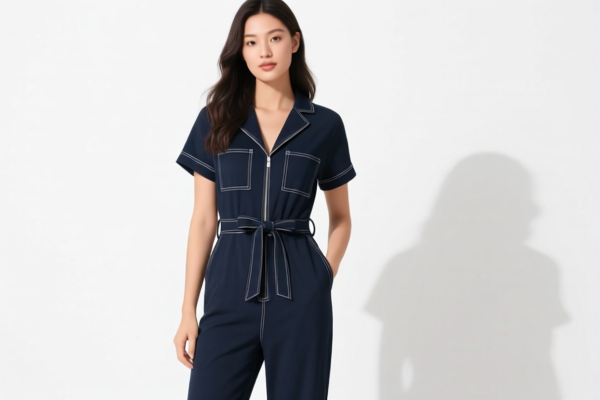


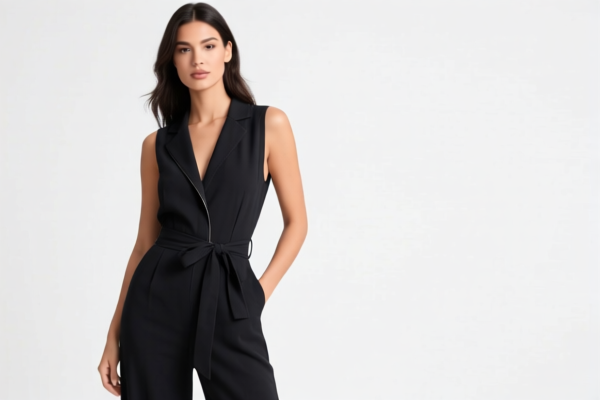
AI Analysis
👗 Women's Jumpsuit (女式连体衣/裤)
🌐 HS Code Reference & Customs Clearance Guide | 2026 Latest Tariff Analysis | Professional Clearance Strategy
📌 1. Product Definition & Classification: Do You Know the "Jumpsuit"?
A Women's Jumpsuit is a one-piece garment combining a top and trousers or shorts. In international trade, the classification depends heavily on: 1. Material Composition: Is it knitted/crocheted (Chapter 61) or woven (Chapter 62)? 2. Specific Fiber Type: Wool, synthetic fibers (polyester/nylon), or man-made fibers (viscose/rayon)? 3. Style: Is it a "suit" type or categorized under other categories?
⚠️ Key Distinction Point:
- Knitted/Crocheted → Generally falls under Chapter 61.
- Woven → Generally falls under Chapter 62.
- Material Matters: The base fiber (e.g., Viscose vs. Polyester) drastically changes the HS Code and Tax Rate.
📦 2. HS Code Classification Details (2026 Latest Tariff Authority对照)
Based on the provided data, here are the specific classifications for Women's Jumpsuits:
| HS Code | Product Description | Material/Fiber Type | Category Note |
|---|---|---|---|
6114.90.90.40 |
Women's Jumpsuit, Textile Material | Other textile materials | Classified as "Other jumpsuits of textile materials" |
6114.30.30.54 |
Women's Jumpsuit, Synthetic Fibers | Synthetic/Fiber other than wool | Classified as "Other one-piece suits under this heading" |
6114.30.30.52 |
Women's Jumpsuit, Viscose Fiber | Man-made Fibers (Viscose) | Classified as "Other jumpsuits under this heading" |
6104.69.20.30 |
Women's Viscose Jumpsuit Pants | Man-made Fibers | Classified as "Trousers/Breeches of man-made fibers" |
6204.69.28.10 |
Women's Viscose Jumpsuit Pants | Man-made Fibers | Classified as "Women's trousers of synthetic fibers" |
🔍 Critical Reminder:
- Chapter 61 (Knitted/Crocheted): Codes6114and6104generally apply to knitted items.
- Chapter 62 (Woven): Code6204applies to woven items.
- Misclassification Risk: Reporting a Viscose (Man-made) item as "Synthetic" or "Other Textile" without specifying the fiber can lead to discrepancies and penalties.
💰 3. 2026 Latest Tariff Rate Breakdown (Including Surtaxes & Policy Surcharges)
✅ Applicable Country: USA (US)
✅ Origin: China (CN)
✅ Effective Time: Current Import Regulations (Including 122 Section)
🎯 1. 6114.90.90.40 —— Jumpsuit, Other Textile Materials
| Item | Detail |
|---|---|
| Basic Tariff | 5.6% |
| Section 301 Surtax | 0.0% |
| Section 122 Surtax | 10.0% |
| Total Tax Rate | 15.6% |
| Tax Calculation | CIF Value × 15.6% |
| De Minimis Exemption | ❌ Not Applicable (Standard commercial clearance) |
📌 Explanation:
- This code has the lowest total tax burden among the listed options. - It avoids Section 301 tariffs but includes a 10% Section 122 surtax. - Suitable for general textile jumpsuits not specifically classified as wool or synthetic fibers.
🎯 2. 6114.30.30.54 —— Jumpsuit, Synthetic Fibers (Non-Wool)
| Item | Detail |
|---|---|
| Basic Tariff | 14.9% |
| Section 301 Surtax | 7.5% |
| Section 122 Surtax | 10.0% |
| Total Tax Rate | 32.4% |
| Tax Calculation | CIF Value × 32.4% |
| De Minimis Exemption | ❌ Not Applicable |
📌 Note:
- Applies to synthetic fiber jumpsuits (e.g., Polyester, Nylon). - Higher basic tariff (14.9%) compared to generic textile codes.
🎯 3. 6114.30.30.52 —— Jumpsuit, Viscose Fiber (Man-Made)
| Item | Detail |
|---|---|
| Basic Tariff | 14.9% |
| Section 301 Surtax | 7.5% |
| Section 122 Surtax | 10.0% |
| Total Tax Rate | 32.4% |
| Tax Calculation | CIF Value × 32.4% |
| De Minimis Exemption | ❌ Not Applicable |
📌 Note:
- Viscose (Rayon) is a "man-made fiber." - Same tax rate as synthetic fibers in this classification.
🎯 4. 6104.69.20.30 —— Viscose Jumpsuit Pants (Man-Made Fibers)
| Item | Detail |
|---|---|
| Basic Tariff | 28.2% |
| Section 301 Surtax | 7.5% |
| Section 122 Surtax | 10.0% |
| Total Tax Rate | 45.7% |
| Tax Calculation | CIF Value × 45.7% |
| De Minimis Exemption | ❌ Not Applicable |
📌 Warning:
- This classification treats the item as "Trousers/Pants" rather than a "Jumpsuit/Suit." - Highest tax rate due to high basic tariff (28.2%). - Only apply if customs strictly categorizes jumpsuits as separate trousers for this specific material/style.
🎯 5. 6204.69.28.10 —— Woven Viscose Jumpsuit Pants
| Item | Detail |
|---|---|
| Basic Tariff | 28.6% |
| Section 301 Surtax | 7.5% |
| Section 122 Surtax | 10.0% |
| Total Tax Rate | 46.1% |
| Tax Calculation | CIF Value × 46.1% |
| De Minimis Exemption | ❌ Not Applicable |
📌 Warning:
- Applies to Woven (Chapter 62) viscose items. - Highest total tax rate in the dataset. - Ensure the item is indeed woven (not knitted) to use this code. Misclassification here is costly.
🛠️ 4. Customs Clearance Practical Advice (Avoid Pitfalls)
✅ 1. Preparation Checklist (Essential Documents)
| Document | Required? | Description |
|---|---|---|
| ✅ Product Spec Sheet | ✔️ | Must specify: Material (e.g., 100% Viscose), Construction (Knitted vs. Woven), Style (Jumpsuit). |
| ✅ Fabric Swatch | ✔️ | Physical or digital proof of fiber content to distinguish between Wool, Synthetic, and Man-Made. |
| ✅ Tech Pack/Drawings | ✔️ | Shows one-piece construction to justify "Jumpsuit" classification vs. separate top/bottom. |
| ✅ Commercial Invoice | ✔️ | Clear description: "Women's Knitted Jumpsuit, 100% Viscose." |
| ✅ Origin Certificate | ✔️ | Proof of China origin for surtax calculation. |
✅ 2. Declaration Tips (Key Strategy)
🔥 "Material First, Construction Second, Avoid 'Pants' Label for Jumpsuits!"
| Scenario | Correct Declaration | Wrong Practice |
|---|---|---|
| Knitted Viscose Jumpsuit | 6114.30.30.52 (Jumpsuit) |
6104.69.20.30 (Pants) → Saves ~13.3% tax! |
| Knitted Synthetic Jumpsuit | 6114.30.30.54 (Jumpsuit) |
Misclassify as "Dress" or "Pants" |
| Woven Viscose Jumpsuit | 6204.69.28.10 (Pants/Jumpsuit) |
Use Chapter 61 code → Rejected |
| General Textile Jumpsuit | 6114.90.90.40 |
Over-classify as Synthetic/Viscose → Higher tax |
📌 Key Insight:
- Classifying a jumpsuit as "Jumpsuit" (6114) instead of "Pants" (6104/6204) significantly reduces tax (32.4% vs. 45.7%/46.1%). - Viscose is a "Man-Made Fiber," not "Synthetic" in some customs contexts, so check the specific HS code definitions carefully.
✅ 3. Special Cases
| Case | Handling Advice |
|---|---|
| Mixed Materials | Determine the "essential character" fiber. If >50% Viscose, likely 6114.30.30.52 or 6104.69.20.30. |
| Knitted vs. Woven | If unsure, request a lab test. Knitted → Ch61; Woven → Ch62. This changes the base tariff. |
| Section 122 Surcharge | Applies to most apparel from China. Factor this into all cost calculations. |
🌍 5. Global Market Comparison (2026 Latest)
| Market | Recommended HS Code | Tax Rate (China Origin) | Notes |
|---|---|---|---|
| 🇺🇸 USA | 6114.30.30.52 / 6114.90.90.40 |
15.6% - 32.4% | Includes 122 Section 10% + Section 301 (if applicable). |
| 🇨🇳 China | 6114.30.30.52 |
5% - 14.9% | Lower basic tariffs, no Section 301/122. |
| 🇪🇺 EU | 6114.30.30 |
12% - 17% | Check EBA/GSP status for preferential rates. |
| 🇬🇧 UK | 6114.30.30 |
12% - 17% | Post-Brexit rules apply. |
📌 Conclusion:
- USA is the most expensive market due to Section 122 and potential Section 301 tariffs. - Choosing the right HS Code (Jumpsuit vs. Pants) saves 10-15% in duties.
📌 6. Common Errors & Pitfalls (Blood & Tears Lessons)
❌ Error 1: Classifying Viscose Jumpsuits as "Synthetic" without distinction
👉 Result: Potential misclassification, though tax rates are similar, it risks audits.
❌ Error 2: Declaring Jumpsuits as "Pants" (Ch6104/6204) when they are "Suits/Jumpsuits" (Ch6114)
👉 Result: Paying 45%+ tax instead of 32.4%. Costly mistake!
❌ Error 3: Ignoring Section 122 Surcharge (10%)
👉 Result: Underestimating landed cost, leading to budget overruns.
❌ Error 4: Confusing Knitted (Ch61) and Woven (Ch62)
👉 Result: Wrong chapter, potential penalty or delay.
✅ Correct Practice:
"Women's Knitted Jumpsuit, 100% Viscose Rayon, One-Piece, Pullover Style, Color: Blue, Size: M"
🎯 7. Conclusion: Precise Classification Saves Money!
🎯 Remember the Motto:
🔹 "Jumpsuit > Pants for Tax Savings!"
🔹 "Viscose is Man-Made, Not Synthetic – Check Code!"
🔹 "122 Section Adds 10% – Budget Accordingly!"📌 Final Tip:
- For Viscose Jumpsuits, try to use6114.30.30.52(32.4%) over6104.69.20.30(45.7%). - For Generic Textile Jumpsuits,6114.90.90.40(15.6%) is the most cost-effective. - Always verify if the item is Knitted (Ch61) or Woven (Ch62) before selecting the code.
📣 Action Required:
📞 Consult a licensed customs broker to confirm the "Knitted vs. Woven" status and fiber content.
🚀 Apply for HTS Code Ruling if your volume is high, to lock in the lower tax rate.
✨ Professional clearance starts with accurate classification!
💼 Every percentage point of tax saved is profit added!
Customer Reviews
About HS Code Classification
The Harmonized System (HS) is an internationally standardized nomenclature developed by the World Customs Organization (WCO) to classify traded products. Over 200 countries use the HS system as the basis for customs tariffs, trade statistics, and import/export regulations.
Each HS code follows a hierarchical structure:
- Chapter (2 digits) — Broad category of goods (e.g., Chapter 84: Machinery and Mechanical Appliances)
- Heading (4 digits) — More specific grouping within the chapter
- Subheading (6 digits) — Internationally standardized breakdown, used by all WCO member countries
- National subdivisions (8-10 digits) — Country-specific extensions for further classification, such as US HTSUS 10-digit codes
Correct HS code classification is essential for smooth customs clearance, accurate duty payment, and compliance with trade regulations. Misclassification can lead to customs delays, overpayment of duties, or penalties.
When importing from CN to US, the applicable tariff rates may include:
- Most-Favored-Nation (MFN) rate — The standard duty rate applied to WTO members
- General rate — Applied to countries without trade agreements
- Trade remedy duties — Additional tariffs such as Section 301 (anti-dumping), Section 232 (national security), or countervailing duties
The information provided on this page is for reference purposes only. For official classification, please consult with your local customs authority or a licensed customs broker.