Women's Artificial Leather Clothing
CN → US| HS Code | Tariff Rate | Origin | Destination | Doc |
|---|---|---|---|---|
| 6108229020 | 33.1% | CN | US | Official Doc |
| 6108920015 | 33.5% | CN | US | Official Doc |
| 6104191500 | 17.5% | CN | US | Official Doc |
| 6208920030 | 33.5% | CN | US | Official Doc |
| 6114303070 | 32.4% | CN | US | Official Doc |
Product Images
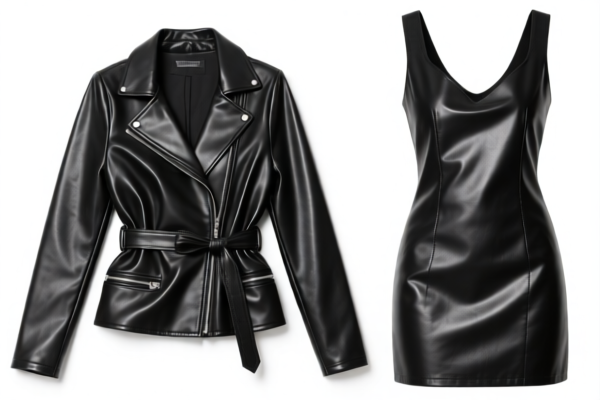
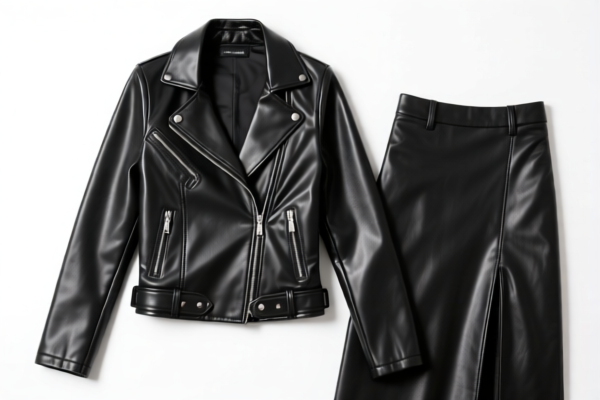
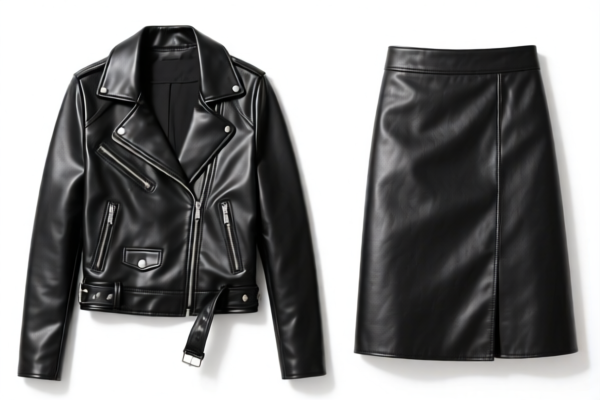
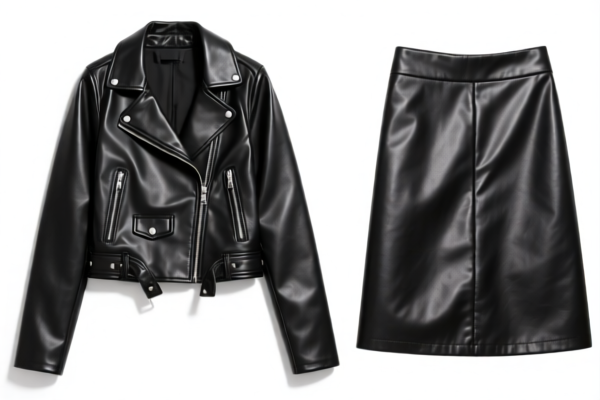
AI Analysis
👗 Women's Artificial Leather Clothing (Man-Made Fiber Apparel)
🌐 HS Code Reference & Customs Clearance Guide | 2026 Latest Tariff Analysis | Professional Entry Strategy
📌 I. Product Definition & Classification: Do You Really Know "Artificial Leather"?
"Women's Artificial Leather Clothing" in international trade typically refers to garments made from man-made fibers (e.g., Polyester, Nylon, Viscose) with a coating or backing that mimics leather. It is NOT genuine leather (Chapter 41) or textile leather (Chapter 59/64 depending on use).
In the U.S. Harmonized Tariff Schedule (HTS), these are primarily classified under: 1. Chapter 61: Knitted or Crocheted Apparel (e.g., jackets, pants, suits). 2. Chapter 62: Non-Knitted/Non-Crocheted Apparel (e.g., woven jackets, dresses, blouses).
⚠️ Critical Distinction:
- If the fabric is knitted (stretchy, looped structure) → Go to Chapter 61 (6108,6104,6114).
- If the fabric is woven (non-stretch, plain structure) → Go to Chapter 62 (6208).
- "Artificial Leather" itself is not a standalone HS category; it is defined by the fiber content and construction method.
📦 II. HS Code Classification Details (2026 Latest Tariff Authority对照)
Based on the provided <DATA>, here are the exact classifications for "Women's Artificial/Man-Made Fiber Clothing":
| HS Code | Product Description | Summary | Total Tax Rate | Tax Breakdown |
|---|---|---|---|---|
| 6108.22.90.20 | Women's Artificial Fiber Briefs/Panties | 🧵 Knitted underwear/panties | 33.1% | Base: 15.6% + Sec 301: 7.5% + Sec 122: 10% |
| 6108.92.00.15 | Women's Other Artificial Fiber Articles | 🧵 Knitted other items (e.g., robes, sleepwear) | 33.5% | Base: 16.0% + Sec 301: 7.5% + Sec 122: 10% |
| 6104.19.15.00 | Women's Suits, Ensembles, Jackets, etc. | 🧵 Knitted tailored jackets/suits | 17.5% | Base: 0.0% + Sec 301: 7.5% + Sec 122: 10% |
| 6208.92.00.30 | Women's Other Artificial Fiber Articles | 🧶 Woven other items (e.g., nightdresses, dressing gowns) | 33.5% | Base: 16.0% + Sec 301: 7.5% + Sec 122: 10% |
| 6114.30.30.70 | Women's Other Knitted/Crocheted Apparel | 🧵 Knitted casual wear (not elsewhere specified) | 32.4% | Base: 14.9% + Sec 301: 7.5% + Sec 122: 10% |
🔍 Key Insight:
- Knitted (61xx) vs. Woven (62xx) is the primary divisor.
- "Artificial Leather" usually implies a synthetic coating on a knitted or woven polyester/nylon base.
- Chapter 61 items generally have lower base duties (0-16%) compared to some Chapter 62 items, but the total landed cost is heavily influenced by the "Base Tax" component.
💰 III. 2026 Latest Tariff Rate Breakdown (Including Surcharges)
✅ Applicable Country: United States (US)
✅ Origin: China (CN)
✅ Effective Time: Current 2026 Tariff Structure
🎯 1. High-Tax Scenarios: 6108.22.90.20 & 6108.92.00.15 & 6208.92.00.30
| Item | Detail |
|---|---|
| Base Tariff | 15.6% - 16.0% (Standard MFN Rate) |
| Section 301 Surcharge | +7.5% (Targeting Chinese imports in Chapter 61/62) |
| Section 122 Surcharge | +10% (Emergency Import Relief) |
| Total Rate | 33.1% - 33.5% |
| Calculation Basis | CIF Value × Total Rate |
| De Minimis Exemption | ❌ NOT Eligible (Deny de minimis) |
| Legal Path | HTSUS:6108.22.90.20 → SEC301:Footnote 9903.88.01 → SEC122:Authority |
📌 Explanation:
- These codes (Underwear, Other Knitted/Woven Articles) attract the maximum standard base duty in this list.
- The 17.5% total for6104.19.15.00is significantly lower because its base duty is 0%, but it is still subject to the 17.5% in surcharges (7.5% + 10%).
🎯 2. Low-Base Scenario: 6104.19.15.00 (Knitted Suits/Jackets)
| Item | Detail |
|---|---|
| Base Tariff | 0.0% (Preferential or specific category rate) |
| Section 301 Surcharge | +7.5% |
| Section 122 Surcharge | +10% |
| Total Rate | 17.5% |
| Calculation Basis | CIF Value × 17.5% |
| De Minimis Exemption | ❌ NOT Eligible (Deny de minimis) |
| Legal Path | HTSUS:6104.19.15.00 → SEC301:Footnote 9903.88.01 → SEC122:Authority |
📌 Note:
- This is the most cost-effective code in the provided list.
- If your "Artificial Leather Clothing" is a knitted jacket or suit, ensure it is classified here to save 15.6% - 16% in base duties.
🎯 3. Medium-Tax Scenario: 6114.30.30.70 (Knitted Casual Wear)
| Item | Detail |
|---|---|
| Base Tariff | 14.9% |
| Section 301 Surcharge | +7.5% |
| Section 122 Surcharge | +10% |
| Total Rate | 32.4% |
| Calculation Basis | CIF Value × 32.4% |
| De Minimis Exemption | ❌ NOT Eligible |
| Legal Path | HTSUS:6114.30.30.70 → SEC301:Footnote 9903.88.01 → SEC122:Authority |
🛠️ IV. Customs Clearance Practical Advice (Battle-Tested Pitfall Guide)
✅ 1. Documentation Checklist (Mandatory)
| Document | Required? | Notes |
|---|---|---|
| ✅ Product Specification Sheet | ✔️ | Must specify: Fiber Content (e.g., 100% Polyester), Construction (Knitted/Woven), Coating Type (PU/PVC for "Artificial Leather") |
| ✅ Technical Drawing/Structure | ✔️ | Show if it's a "garment" (Chapter 61/62) or "textile product" (Chapter 60) |
| ✅ Product Photos | ✔️ | Clear images of label (care instructions), seams, and coating texture |
| ✅ Commercial Invoice | ✔️ | Must clearly state: "Women's Knitted/Woven Artificial Leather Jacket/Dress" |
| ✅ Certificate of Origin (CO) | ✔️ | Essential for proving CN origin to apply surcharges accurately |
| ✅ Packing List | ✔️ | Detailed breakdown by style/SKU |
✅ 2. Declaration Strategy (Key Mnemonic)
🔥 "Knit or Woven? Check Fiber! Name It Right, Avoid Fines!"
| Scenario | Correct HS Code | Wrong Action | Consequence |
|---|---|---|---|
| Knitted Artificial Leather Jacket | 6104.19.15.00 (if suit/jacket) or 6114.30.30.70 |
Misdeclare as Woven | Potential penalty for incorrect classification |
| Woven Artificial Leather Dress | 6208.92.00.30 |
Misdeclare as Knitted | Incorrect base duty calculation |
| Artificial Leather Pants | 6108.22.90.20 (if knit) |
Generic "Clothing" | High risk of audit |
| Any of the above | N/A | Claim De Minimis ($800) | Rejection + Seizure Risk (Explicitly denied) |
✅ 3. Special Cases Handling
| Case | Handling Advice |
|---|---|
| Mixed Fabric | If >50% is man-made fiber and knitted/woven, classify under Chapter 61/62. If leather-like coating is only a surface layer, it remains textile. |
| "Artificial Leather" Labeling | Ensure the commercial name does not mislead customs into thinking it's Chapter 41 (Real Leather) or Chapter 39 (Plastic Sheet). Use "Man-Made Fiber Apparel". |
| Section 122 Applicability | The 10% Sec 122 tariff is a national emergency surcharge. It applies to most Chinese-origin goods. Do not assume exemptions. |
| Section 301 Applicability | The 7.5% surcharge is standard for Chapter 61/62 from China. |
🌍 V. Global Market Comparison (2026 Latest)
| Country/Region | Recommended HS Code | Base Tariff | Surcharge (China) | Total Est. Rate | Notes |
|---|---|---|---|---|---|
| 🇺🇸 USA | 6104.19.15.00 etc. |
0-16% | 17.5% (7.5+10) | 17.5% - 33.5% | Strict enforcement on de minimis. |
| 🇨🇳 China | 6104.43.00 etc. |
10-15% | 0% | ~15% | Import duties apply. |
| 🇪🇺 EU | 6104 series |
12% | 0% (Post-Brexit rules vary) | ~12% | No Sec 301/122 equivalents. |
| 🇨🇦 Canada | 6104 series |
18% | 0% | ~18% | CUSMA benefits if Canadian origin. |
📌 Conclusion:
- USA is the most expensive market for these goods due to the叠加 of Base Duty + Sec 301 + Sec 122.
- Total cost can reach 33.5%, significantly impacting margins.
- No De Minimis exemption means even small shipments ($800) are subject to full duty payment.
📌 VI. Common Mistakes & Pitfalls (Lessons Learned)
❌ Mistake 1: Declaring "Artificial Leather Coat" as "Plastic Product" (Chapter 39)
👉 Result: Misclassification penalty. Customs will reclassify to Chapter 61/62 and assess higher duties + penalties.
❌ Mistake 2: Ignoring the "Knitted" vs. "Woven" distinction
👉 Result: Using a Chapter 62 code for a Knitted item. This leads to incorrect base duty calculation (e.g., 16% vs 0%) and potential audits.
❌ Mistake 3: Assuming De Minimis ($800) applies
👉 Result: Seizure or forced payment. The provided data explicitly states these codes are NOT eligible for de minimis exemption.
✅ Correct Approach:
"Women's Knitted Artificial Leather Jacket, 100% Polyester, PU Coated, Model XYZ, CN Origin"
🎯 VII. Conclusion: Professional Declaration, Save Money, Save Time!
🎯 Remember the Mnemonic:
🔹 "Knit or Woven? Check the Fiber!
🔹 Sec 301 (7.5%) + Sec 122 (10%) = 17.5% Minimum!
🔹 Base Duty Varies: 0% to 16% – Pick Wisely!
🔹 No De Minimis! Pay Up or Stay Put!"
📌 Pro Tip:
If your product is Knitted Suits/Jackets (6104.19.15.00), you save 15.6-16% in base duties compared to other items. Ensure your product meets the definition of "Suits/Jackets" to qualify for the 0% Base Duty.
📣 Immediate Action:
📞 Contact a Licensed Customs Broker
📄 Provide Detailed Technical Specs (Knitted/Woven, Fiber Content)
🚀 Apply for Pre-Ruling if possible to lock in the HS Code and avoid post-clearance audits.
✨ Professional Clearance Starts with Accurate Classification!
💼 Every Percentage Point of Duty Impacts Your Profit Margin!
Customer Reviews
About HS Code Classification
The Harmonized System (HS) is an internationally standardized nomenclature developed by the World Customs Organization (WCO) to classify traded products. Over 200 countries use the HS system as the basis for customs tariffs, trade statistics, and import/export regulations.
Each HS code follows a hierarchical structure:
- Chapter (2 digits) — Broad category of goods (e.g., Chapter 84: Machinery and Mechanical Appliances)
- Heading (4 digits) — More specific grouping within the chapter
- Subheading (6 digits) — Internationally standardized breakdown, used by all WCO member countries
- National subdivisions (8-10 digits) — Country-specific extensions for further classification, such as US HTSUS 10-digit codes
Correct HS code classification is essential for smooth customs clearance, accurate duty payment, and compliance with trade regulations. Misclassification can lead to customs delays, overpayment of duties, or penalties.
When importing from CN to US, the applicable tariff rates may include:
- Most-Favored-Nation (MFN) rate — The standard duty rate applied to WTO members
- General rate — Applied to countries without trade agreements
- Trade remedy duties — Additional tariffs such as Section 301 (anti-dumping), Section 232 (national security), or countervailing duties
The information provided on this page is for reference purposes only. For official classification, please consult with your local customs authority or a licensed customs broker.