Women's Backpack
CN → US| HS Code | Tariff Rate | Origin | Destination | Doc |
|---|---|---|---|---|
| 4202923120 | 52.6% | CN | US | Official Doc |
| 4202923900 | 52.6% | CN | US | Official Doc |
| 4202228980 | 52.6% | CN | US | Official Doc |
Product Images
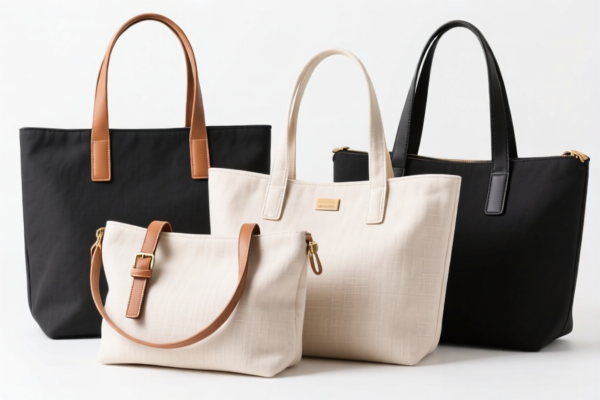
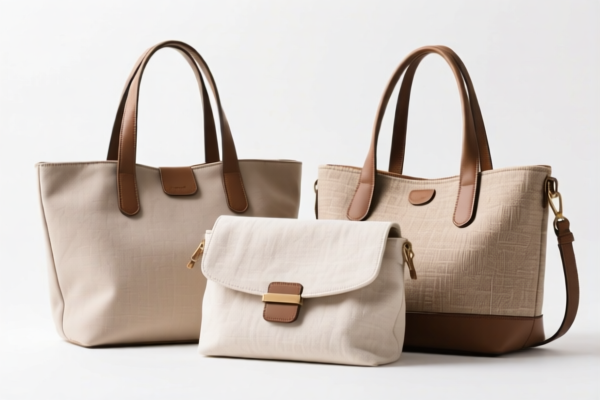
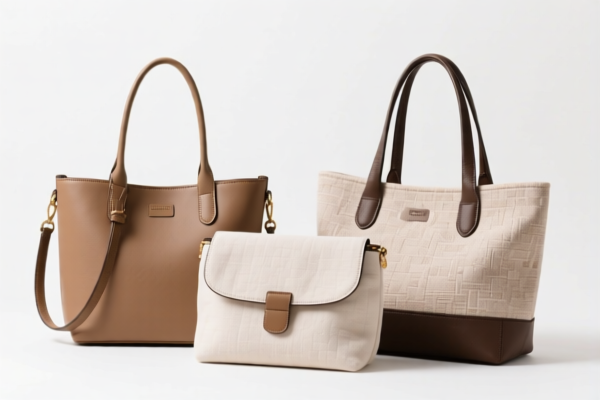
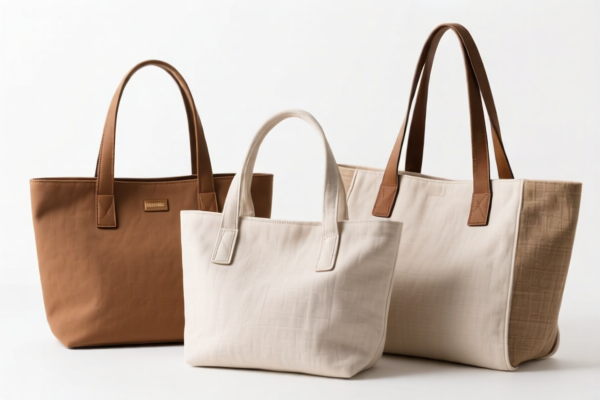
AI Analysis
🎒 Women's Backpack (Luggage, Travel Goods, Handbags & Similar Containers)
🌐 HS Code Reference & Customs Clearance Guide | 2026 Latest Tariff Analysis | Strategic Compliance Strategy
📌 I. Product Definition & Classification: Do You Really Understand "Women's Backpacks"?
In international trade, "Backpacks" are broadly classified under Heading 4202. The specific classification depends heavily on the outer surface material (Textile vs. Plastic/Vinyl vs. Leather) and the specific use case (Travel/Sports vs. General Fashion).
⚠️ Critical Distinction:
- If the outer surface is Textile (fabric, nylon, polyester): It falls under 4202.92 or 4202.11/12 depending on structure.
- If the outer surface is Plastic/Sheeting: It falls under 4202.32.
- If the outer surface is Leather: It falls under 4202.11 or 4202.12.Based on the provided , the analysis assumes a Textile/Composite outer surface, which is the most common for modern women's travel/sport backpacks.
📦 II. HS Code Classification Details (Based on Provided )
The provided data highlights three potential HS Codes. These codes reflect a "Best Fit" analysis for a Textile-Surface Women's Backpack intended for travel or sports.
| HS Code | Summary from Data | Key Classification Logic | Material Inference |
|---|---|---|---|
4202.92.31.20 |
Matches Form (Backpack) & Use (Travel/Sports Bag); Outer surface inferred as Textile or synthetic fiber. | Specific subheading for bags with outer surface of textile materials, for travel, sports, etc. | ✅ Textile/Synthetic |
4202.92.39.00 |
Matches Use (Backpack for Travel/Sports) & Form; Outer surface inferred as Textile, falling under "Other" category. | General "Other" category for textile bags not specifically listed in narrower subheadings. | ✅ Textile |
4202.22.89.80 |
Classified as Women's Bag/Handbag; Inferred outer surface as Textile based on common sense, fitting the "Other" residual category. | Fallback classification if the item is deemed more of a "Handbag/Tote" style rather than a pure "Backpack." | ✅ Textile |
🔍 Key Insight from Data:
All three codes share the same total tax rate of 52.6%. This suggests that for US imports from China, the distinction between these specific subheadings does not currently result in a tax differential, but accuracy is still critical to avoid customs audits or penalties.
💰 III. 2026 Latest Tariff Rate Breakdown (Detailed Tax Clauses)
✅ Applicable Country: United States (US)
✅ Origin: China (CN)
✅ Total Tax Rate: 52.6%
✅ Base Tariff: 17.6% + Section 301 Tariff: 25.0% + Section 122 Tariff: 10%
🎯 1. Tariff Structure Explained
The high tariff burden is composed of three distinct layers:
| Tax Component | Rate | Legal Basis & Description |
|---|---|---|
| Base Duty | 17.6% | Standard Most-Favored-Nation (MFN) duty under HTSUS Chapter 42. |
| Section 301 Tariff | +25.0% | Additional duty imposed on Chinese goods under U.S. Trade Representative (USTR) Section 301 actions. Applies to Heading 4202. |
| Section 122 Tariff | +10.0% | Additional duty under Section 122 of the Trade Act of 1974 (historically used for balance-of-payments issues; note: check current enforcement status). |
| TOTAL | 52.6% | Sum of all applicable duties. |
📌 Calculation Example:
If the CIF (Cost, Insurance, Freight) value of a batch of women's backpacks is $10,000:
- Total Duty Payable = $10,000 × 52.6% = $5,260
- Effective Landed Cost Increase: Over 50%!⚠️ Critical Note:
- De Minimis Exemption (Section 321): NOT APPLICABLE.
Goods valued under $800 per person per day are usually exempt from duties. However, Section 301 tariffs (and often Section 122) explicitly deny the de minimis exemption for Chinese-origin goods. Therefore, even small shipments are subject to this 52.6% tax.
🛠️ IV. Customs Clearance Practical Advice (Avoiding Pitfalls)
✅ 1. Documentation Checklist (Essential for Clearance)
| Document | Requirement | Reason |
|---|---|---|
| Commercial Invoice | Must specify "Outer Surface Material" clearly (e.g., "100% Polyester," "Nylon/PU Coated"). | Customs needs to verify if the material matches the HS Code (Textile vs. Plastic). |
| Product Description | Use precise terms: "Women's Travel Backpack, Textile Outer Surface, Zip Closure, Multiple Compartments." | Avoid vague terms like "Bag" or "Accessory." |
| Photo of Label/Tag | Clear image of the material composition tag (e.g., "Shell: 100% Nylon"). | Proof of material inference for HS Code 4202.92 vs. 4202.32. |
| Packing List | Itemize quantities and weights. | Required for customs valuation. |
✅ 2. Classification Strategy & Optimization
🔥 Rule of Thumb:
"Material is King, Form is Queen."
If the outer surface is Textile, it goes to 4202.92.
If the outer surface is Plastic/Vinyl, it goes to 4202.32 (Check if tax differs!).
If the outer surface is Leather, it goes to 4202.11/12 (Check if tax differs!).
| Scenario | Recommended HS Code | Why? |
|---|---|---|
| Standard Textile Backpack | 4202.92.31.20 or 4202.92.39.00 |
Matches the "Textile" inference in . |
| Plastic/Vinyl Backpack | Not in | Action Required: Check HTSUS for 4202.32 rates. May have different duty implications. |
| Leather Backpack | Not in | Action Required: Check HTSUS for 4202.11/12 rates. |
| Mixed Material (e.g., Leather Strap, Textile Body) | 4202.92.31.20 |
Generally classified by the outer surface material (Textile). |
✅ 3. Special Clearance Tips
| Situation | Recommendation |
|---|---|
| Small Sample Shipments | DO NOT USE De Minimis ($800). Declare fully and pay the 52.6% tax. Trying to under-declare to stay under $800 will lead to penalties, seizure, and blacklisting. |
| OEM/Custom Designs | Provide design specs. If the "use" is ambiguous, argue for Travel/Sports (4202.92) over general handbag (4202.22) if it has features like laptop sleeves, water bottle pockets, etc. |
| Origin Marking | Clearly mark "Made in China" on the product and packaging. Failure to do so can result in seizure. |
🌍 V. Market Comparison & Strategic Insight
| Market | HS Code (Textile Backpack) | Base Duty | US Section 301 | Total Effective Rate (China Origin) | Notes |
|---|---|---|---|---|---|
| 🇺🇸 USA | 4202.92.31.20 / .39.00 |
17.6% | +25% | 52.6% (incl. 122) | High Cost. Consider supply chain shift. |
| 🇨🇳 China | 4202.92 | Variable | N/A | Low (Import Duty ~5-10%) | Major manufacturing hub. |
| 🇪🇺 EU | 4202.92 | 4.0% | N/A | 4.0% | No Section 301 equivalent. |
| 🇬🇧 UK | 4202.92 | 4.0% | N/A | 4.0% | Post-Brexit, standard MFN rates. |
| 🇨🇦 Canada | 4202.92 | 0% - 10% | N/A | 0-10% | CUSMA may apply if qualifying. |
📌 Strategic Conclusion:
- US Market: The 52.6% tariff is a massive barrier. For women's backpacks, this erodes profit margins significantly.
- Mitigation Strategy:
1. Supply Chain Diversification: Manufacture in Vietnam, Thailand, or Mexico (check for Rules of Origin).
2. Value Engineering: Increase product value/price to absorb tax, or reduce COGS.
3. Pre-Ruling: Apply for an Advance Ruling from US Customs (CBP) to confirm the HS Code and duty rate before shipment.
📌 VI. Common Mistakes & Pitfalls (Lessons Learned)
❌ Mistake 1: Assuming "Women's Backpack" is a handbag and using a lower tariff code.
👉 Result: If classified as 4202.22 (Handbags), the duty might be different, but if it's structurally a backpack, CBP will reclassify and penalize. Stick to 4202.92 for backpacks.
❌ Mistake 2: Under-declaring value to use the $800 De Minimis exemption.
👉 Result: Customs Violation. Section 301 duties are not exempted under Section 321. You must pay the 52.6%.
❌ Mistake 3: Vague material description ("Synthetic").
👉 Result: Customs cannot determine if it's Textile (4202.92) or Plastic (4202.32). This leads to delays, audits, and potential misclassification penalties.
✅ Fix: Specify "100% Polyester" or "Nylon Outer Surface."
🎯 VII. Final Recommendation
🎯 Key Takeaway:
🔹 "Material Defines Code, Origin Defines Tax."
🔹 "For US Imports from China, Women's Backpacks = 52.6% Duty."
🔹 "No De Minimis! No Exceptions!"
📌 Action Plan:
1. Verify Material: Ensure your supplier provides a detailed material composition sheet (Outer Surface: Textile).
2. Calculate Landed Cost: Include the 52.6% duty in your pricing model.
3. Consider Alternative Markets: If targeting the US, evaluate if shifting production to a non-China origin can save ~40% in duties.
4. Consult a Broker: Engage a licensed US customs broker to file an Advance Ruling for your specific product style.
✨ Professional Clearance Starts with Accurate Classification!
💼 Every Dollar Saved in Duty is Pure Profit!
Customer Reviews
About HS Code Classification
The Harmonized System (HS) is an internationally standardized nomenclature developed by the World Customs Organization (WCO) to classify traded products. Over 200 countries use the HS system as the basis for customs tariffs, trade statistics, and import/export regulations.
Each HS code follows a hierarchical structure:
- Chapter (2 digits) — Broad category of goods (e.g., Chapter 84: Machinery and Mechanical Appliances)
- Heading (4 digits) — More specific grouping within the chapter
- Subheading (6 digits) — Internationally standardized breakdown, used by all WCO member countries
- National subdivisions (8-10 digits) — Country-specific extensions for further classification, such as US HTSUS 10-digit codes
Correct HS code classification is essential for smooth customs clearance, accurate duty payment, and compliance with trade regulations. Misclassification can lead to customs delays, overpayment of duties, or penalties.
When importing from CN to US, the applicable tariff rates may include:
- Most-Favored-Nation (MFN) rate — The standard duty rate applied to WTO members
- General rate — Applied to countries without trade agreements
- Trade remedy duties — Additional tariffs such as Section 301 (anti-dumping), Section 232 (national security), or countervailing duties
The information provided on this page is for reference purposes only. For official classification, please consult with your local customs authority or a licensed customs broker.